Transforming Recyclable Materials into Art: Sustainable DIY Projects
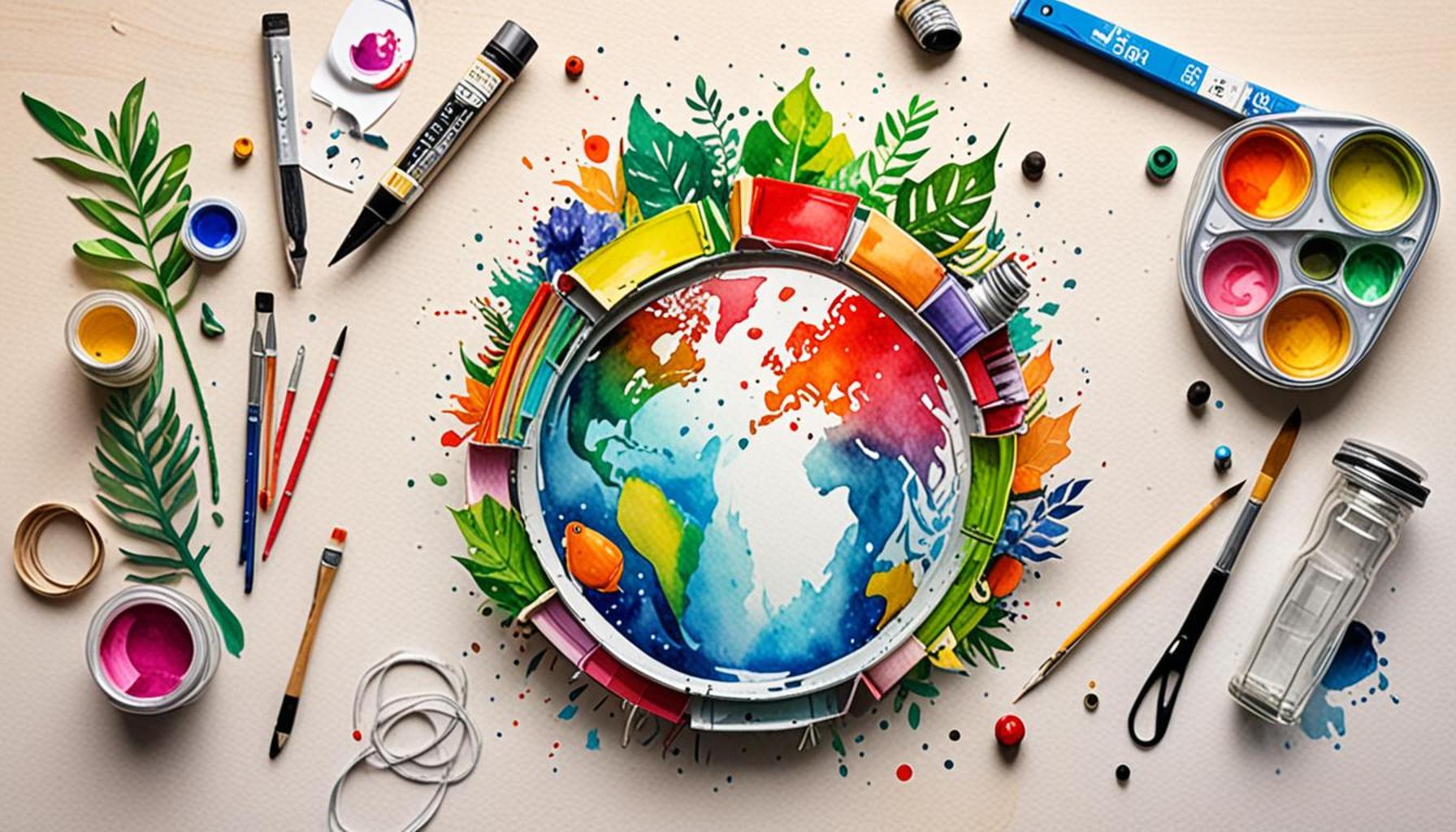
Unleashing Creativity Through Recycling
In an era where sustainability is vital, the idea of transforming recyclable materials into art sparks both creativity and environmental awareness. Not only does this practice reduce waste, but it also invites individuals to engage in imaginative and meaningful projects. Explore how your discarded items can roll into stunning artistic pieces!
Why Recycle for Art?
- Reduce Waste: Every year, millions of tons of recyclable materials end up in landfills, contributing to pollution and harming wildlife. By repurposing these materials, artists can significantly decrease the volume of waste that piles up in these sites.
- Unique Creations: Handmade art pieces exude character and charm, far beyond what mass production can offer. Each piece tells a story, reflecting the unique vision and experiences of its creator. For instance, a garden sculpture crafted from old bicycle parts may evoke nostalgia and inspire conversations among viewers.
- Cost-Effective: Transforming trash into treasure is not only eco-friendly but also budget-friendly. With creativity as your main tool, you can source materials from your everyday waste, which not only saves you money but also encourages innovative thinking.
Engaging in sustainable DIY projects can enhance your creativity while making a positive impact. From old glass bottles to newspapers, these materials can be reborn as jaw-dropping sculptures or functional art pieces. For instance, glass bottles can be transformed into stunning outdoor lanterns using simple string lights, adding an ethereal glow to your garden while keeping waste at bay. Explore local workshops that offer classes in recycled art, or join community events that focus on environmental art initiatives.
What Materials Can Be Transformed?
- Plastic containers: From yogurt tubs to old food storage containers, these can be repurposed into colorful plant pots or whimsical wind chimes.
- Old furniture: Dated furniture can be given a new life with a coat of paint or by being transformed into a functional art installation. Consider creating a bench that doubles as a garden planter.
- Cardboard and paper: These materials can be used for creating intricate paper mâché art pieces, wall decor, or even greeting cards that carry a personalized touch.
- Scrap metal: Rusty metal scraps can be fashioned into robust sculptures or decorative pieces for your garden or home, adding an industrial aesthetic that sets your space apart.
- Glass jars and bottles: Beyond lanterns, these can be used as vases, terrariums, or even as quirky storage solutions, showcasing not just your creativity, but also your commitment to recycling.
Dive into the world of imaginative recycling and showcase how art can be both beautiful and beneficial. Each project is an opportunity to lead by example, showing communities that creativity knows no bounds when partnered with sustainability. Participating in art through recycling not only yields impressive results but also fosters a deeper connection with our environment, inspiring an eco-conscious mindset that resonates beyond the canvas.
DISCOVER MORE: Click here to learn about the therapeutic benefits of music
Turning Trash into Treasure
The remarkable process of using recyclable materials for artistic endeavors breathes new life into items that would otherwise be discarded. This delightful transformation not only fosters a sense of accomplishment but also helps to nurture an awareness of our environmental footprint. By finding creative uses for what many consider “waste,” individuals can express their artistic side while promoting an essential message: sustainability is attainable through everyday actions.
Getting Started with Recycled Art
As you embark on your journey of transforming recyclable materials into art, consider starting with items that are easily accessible in your home or neighborhood. Each crafting session offers an opportunity to explore different techniques, materials, and styles. To help inspire your DIY projects, here are a few approaches and ideas:
- Upcycling Projects: This concept revolves around taking items that are no longer serving their original purpose and enhancing their value through creativity. An old ladder, for example, can become a unique bookshelf or a display for pots and plants. The key is to look at potential rather than limitation.
- Nature-Inspired Art: Use fallen branches, pine cones, and pebbles to create natural sculptures or wall hangings. Combining these elements not only highlights the beauty of nature but also promotes the incorporation of natural materials into your art.
- Collaborative Efforts: Consider engaging your community in collective projects, such as mural painting using recycled paints or creating large installations from discarded materials. This fosters a sense of camaraderie, while amplifying the aesthetic impact of recycled art.
- Hosting Workshops: Share your passion with others by organizing workshops or local classes focused on recycled art. Teaching individuals how to create art from recyclable materials not only spreads awareness but can inspire a community-wide movement toward sustainability.
Let your imagination run wild as you dissect the potential of everyday items. Think beyond traditional mediums and incorporate unconventional materials. For instance, shredded newspaper can form the base of a creative paper mâché project, while old t-shirts can be braided into colorful rugs. Resources like DIY blogs and social media platforms can provide endless inspiration and tutorials that illustrate various techniques and approaches.
Social Impact of Recycled Art
The impact of transforming recyclable materials into art extends beyond aesthetics; it plays a crucial role in shaping environmental consciousness. Research indicates that public art installations made from recycled materials can encourage community dialogue about sustainability and waste reduction. As art carries the power to evoke emotions and provoke thought, artists can harness this potential to create impactful messages about environmental issues.
As you dive deeper into the world of sustainable DIY projects, remember that each creation you craft is a step towards a more sustainable future. These artistic practices invite individuals to rethink consumption patterns, challenge waste norms, and embrace the philosophy that creatively repurposing materials can lead to a more eco-friendly lifestyle. By championing the use of recyclable materials in art, you join a growing movement that celebrates sustainability while pushing the boundaries of creative expression.
| Advantages | Description |
|---|---|
| Promotes Sustainability | Transforming recyclable materials into art significantly reduces waste and encourages an eco-friendly mindset. |
| Enhances Creativity | This DIY approach fosters creativity, offering individuals a unique way to express themselves through the artistic repurposing of discarded items. |
The trend of converting recyclables into art is becoming increasingly popular as people seek ways to mitigate their environmental impact while engaging in creative expression. By embracing these sustainable DIY projects, individuals not only contribute to reducing landfill waste but also discover innovative methods to transform everyday materials into stunning works of art. The act of crafting from items such as plastic bottles, old newspapers, and discarded furniture not only preserves resources but also inspires a profound connection to the environment.Moreover, these creative ventures often become communal activities, bringing together families, friends, and neighbors, enhancing community bonds through shared experiences. Workshops and local gatherings centered around these projects are flourishing, proving that the art of sustainability fosters connection and creativity. It’s a movement that encourages everyone to think outside the box, proving that with a little imagination, trash can truly become treasure.
DIVE DEEPER: Click here to discover the therapeutic benefits of music-making
Exploring Techniques and Materials
When it comes to transforming recyclable materials into art, the diversity of techniques and materials available to artists can be both exhilarating and bewildering. By diving into different methods, you can enhance your artistic repertoire while also advocating for sustainability.
Techniques for Artistic Expression
Embracing various artistic techniques can yield awe-inspiring results with recycled materials. Here are some innovative methods worth exploring:
- Collage and Mixed Media: Combine magazines, cardboard, fabric scraps, and even plastic packaging to create compelling visual narratives. This technique is perfect for storytellers who want to convey complex themes through juxtaposition and textures.
- Assemblage: This sculptural technique involves assembling three-dimensional forms from found objects. From discarded kitchen utensils to broken toys, assemblage art lets you create sculptures that tell a story about consumption and waste.
- Painting with Recycled Materials: Instead of traditional brushes, consider using strings, sponges, or even your fingers to create captivating paintings. Recycled items such as bottle caps and cardboard can also serve as stamps or tools to add texture to your work.
- Textile Art: Utilize old clothing or fabric scraps to create one-of-a-kind textile art pieces. Techniques such as quilting, weaving, or macramé can turn seemingly useless fabric into beautiful wall hangings or functional items like bags.
Recommended Materials for Creative Projects
With the techniques established, selecting the right materials can enhance your recycled art experience significantly. Consider the following recyclable items:
- Plastic Bottles: These versatile items can be transformed into decorative plant holders, garden ornaments, or even intricate chandeliers. Their structural flexibility makes them a favorite among DIY enthusiasts.
- Glass Jars: Besides providing storage, glass jars can be repurposed into lamps, vases, or candle holders, allowing for beautiful additions to your home décor.
- Old Newspapers and Magazines: These are excellent for paper mâché projects, collages, or even homemade paper. With just a few techniques, they can be manipulated into stunning art pieces.
- Cardboard: Perhaps one of the most underestimated materials, cardboard can be cut, shaped, and layered into everything from intricate sculptures to functional furniture pieces.
Finding Inspiration and Resources
Inspiration for your sustainable DIY projects can be found around every corner, from local art galleries showcasing recycled works to online platforms like Pinterest and Instagram. Many artists share their processes through video tutorials, making it easier than ever to learn and experiment with new skills.
Furthermore, consider visiting local craft stores that may have sections dedicated to sustainable or upcycled materials, as well as community workshops focused on recycled art. Engaging with other artists not only enhances your knowledge but can provide emotional support and motivation in your creative journey.
With endless possibilities in creating artistic masterpieces from recyclable materials, the adventure of exploring and experimenting with your creations can lead to profound discoveries—not only about the artistic process itself but also about the role we play in promoting sustainability through art.
DISCOVER MORE: Click here to learn how music can transform your life
Embracing Creativity for a Sustainable Future
In conclusion, transforming recyclable materials into art is not just a creative pursuit but a powerful statement about our responsibility towards the environment. By harnessing the potential of items that would otherwise contribute to landfill waste, artists can make a profound impact while expressing their personal visions. The techniques and materials explored throughout this article serve as a testament to the limitless nature of creativity within the realm of sustainability. Whether it’s through collage, assemblage, or textile art, the possibilities for innovation are boundless.
Engaging in sustainable DIY projects allows individuals to not only showcase their artistic flair but also educate themselves and others on the importance of recycling and reusing materials. As you embark on your journey of creation, remember that every piece you design carries a message of environmental stewardship and a commitment to reducing waste. By sharing your creations online or within your community, you can inspire others to join the movement towards a greener world through art.
As our society grapples with the challenges of waste management and environmental degradation, embracing recycled art forms can serve as both a catalyst for change and a source of connection among artists and eco-conscious individuals. This fusion of creativity and environmental responsibility opens up new dialogues about consumption, resourcefulness, and ecological awareness. So gather your materials, unleash your imagination, and transform the ordinary into extraordinary works of art that advocate for a sustainable future.