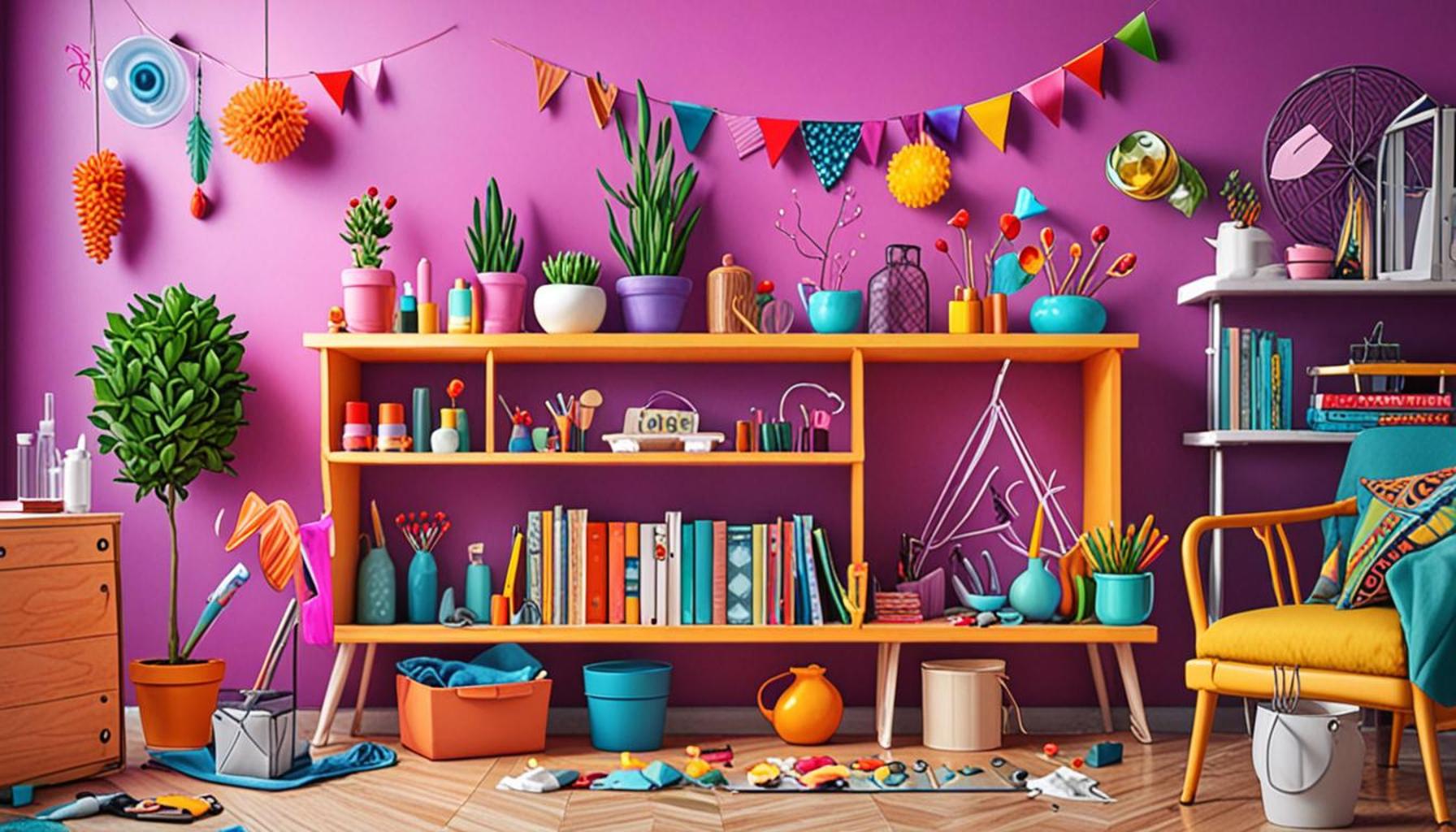
DIY Rehabilitation Projects: Transforming Old Items into Unique Design Pieces
Embracing Creativity Through DIY Rehabilitation
In an era marked by a growing awareness of environmental issues, the trend of DIY rehabilitation projects serves as an innovative means to reduce waste while simultaneously nurturing creativity. These projects encourage individuals to take a second look at items that might otherwise be discarded, allowing them to envision new purposes and designs that breathe life into the old. This practice not only brings forth a sense of personal connection to your belongings but also aligns with sustainable living practices—crucial in today’s world.
Consider the multitude of possibilities that reclaimed materials offer. For instance, transforming old wooden pallets into chic garden furniture can create a rustic yet trendy outdoor space. By sanding down the pallets and applying a weather-resistant finish, hobbyists can craft benches, tables, or even unique planters that enhance their garden aesthetics without breaking the bank or harming the environment.
Repurposing glass jars into stunning pendant lights provides another captivating project. With just a few materials, such as wire and an LED light kit, individuals can create striking focal points in their kitchens or dining rooms. This not only showcases creativity but also utilizes items that often clutter kitchen shelves, demonstrating that functional decor can come from the most unexpected places.
- Another brilliant idea is to convert vintage luggage into stylish coffee tables. By attaching sturdy legs to a forgotten suitcase or stacking several pieces on top of each other, you can design a conversational centerpiece that tells a story.
The creative possibilities are vast, extending far beyond aesthetics. Engaging in these projects is also a way to foster a sense of community. Local workshops and classes focused on DIY recycling often gather like-minded enthusiasts, providing opportunities to bond over shared interests and spark new ideas. One tangible example can be found in community centers across the United States offering classes on upcycling techniques—enabling participants to not only learn but also share tips and inspiration.
Whether you are an experienced crafter or just embarking on your DIY journey, the process of transforming the ordinary into the extraordinary is an enriching experience that expands your creative portfolio and encourages a sustainable lifestyle. As you embark on this adventure of DIY rehabilitation, remember that every old item carries with it the potential for a fresh narrative, waiting to be uncovered by your imaginative touch.
DIVE DEEPER: Click here to discover how music impacts learning
Unleashing Your Inner Artisan
The beauty of DIY rehabilitation projects lies in the multitude of approaches you can take to repurpose old items, with each project presenting its own unique set of challenges and rewards. By diving into the world of creative refurbishment, individuals can learn invaluable skills while contributing to a larger movement of sustainability. With simple materials and a dash of creativity, you can turn the mundane into the magnificent, allowing you to not only personalize your living space but also express your individuality.
One of the most popular and accessible avenues in this creative exploration is furniture rehabilitation. Consider the untapped potential of an outdated dresser or a worn-out chair. With a bit of paint, some new hardware, and techniques such as reupholstering, these forgotten pieces can be transformed into functional art. An old dresser, for instance, can not only regain its former charm with a fresh coat of color but can also become a statement piece in your bedroom or living room. By incorporating patterns or contrasting colors, you can truly make it your own.
Additionally, upcycling clothing is a fantastic way to be eco-friendly while diving deep into fashion design. Old jeans can be converted into stylish tote bags, while faded t-shirts can be transformed into vibrant throw pillows or even quilts. The sewing community in the United States has embraced this trend wholeheartedly, with countless tutorials and workshops dedicated to teaching these skills. Websites and social media platforms abound with ideas on how to mend, upcycle, and breathe new life into your existing wardrobe, often resulting in custom pieces that can’t be purchased anywhere else.
- Here are a few exciting ideas to inspire your own clothing transformations:
- Turn an old jacket into a trendy backpack by adding straps and adjusting pockets.
- Transform oversized sweaters into cozy pillow covers perfect for your couch.
- Create unique patchwork skirts or dresses by sewing together remnants from old fabric.
Crafting seasonal décor from recycled materials is another captivating area within the realm of DIY rehabilitation. For example, using old wine bottles as vases, or even lanterns, brings a rustic charm to your festivities. As the seasons change, so too can your décor, leveraging the resources you already have at hand. By adding accents such as twine, paint, or seasonal foliage, your home can continually evolve, reflecting both your style and the current atmosphere.
As you immerse yourself in these DIY projects, remember that the creative journey does not have to be a solitary one. Engaging with community groups and local artisans can lead to a wealth of knowledge and support. Many towns across the U.S. host craft fairs or DIY nights where enthusiasts gather to share tips, resources, and inspiration. By connecting with others passionate about rehabilitating old items, you can build friendships and even collaborate on projects that broaden your horizons.
In summary, the world of DIY rehabilitation projects is vast and richly rewarding, empowering you to turn the old into new and create pieces imbued with personal significance. As you explore these possibilities, let your imagination be your guide, for every discarded item carries with it the potential for transformation.
| Advantages | Value Added |
|---|---|
| Cost-Effective | Transforming items saves money by eliminating the need for new, expensive decor. |
| Environmental Sustainability | Repurposing reduces waste, making your projects eco-friendly and promoting sustainability. |
| Customization | Personalize your creations to reflect individual style, allowing for unique, one-of-a-kind pieces. |
| Skill Development | Engaging in DIY projects enhances craftsmanship and creativity, which can be beneficial for personal growth. |
Engaging in DIY rehabilitation projects not only enables the transformation of old items into unique design pieces, but it also offers a multitude of advantages that captivate hobbyists and enthusiasts alike. The aspect of cost-effectiveness cannot be overlooked; by refurbishing what you already own instead of investing in new decor, you substantially reduce your expenses. The push for environmental sustainability also plays a crucial role, as repurposing old items decreases landfill waste and encourages more sustainable choices within your community.Another appealing factor is the level of customization available. When you undertake these projects, you can ensure that each piece is personalized, showcasing your individual tastes and style. Finally, hands-on involvement in these projects fosters valuable skills that can enrich your life. Each rehabilitation endeavor not only yields a unique design solution but also allows room for creative exploration and personal development. With these dimensions in mind, it becomes evident why DIY rehabilitation is capturing the hearts of so many. Explore this vibrant world and discover how easy it is to get started!
DISCOVER MORE: Click here to delve deeper
Finding Beauty in the Unusual
Another exciting facet of DIY rehabilitation projects is the creative potential found in ordinary household items that often go unnoticed. Items such as glass jars, tin cans, and wooden pallets can be wholly reimagined, enabling homeowners to create artistic and functional decor. For instance, glass jars can be transformed into charming light fixtures, while tin cans can find new life as stylish planters or organizers. This reuse of everyday materials not only fosters creativity but also encourages a sustainable lifestyle by reducing waste.
One increasingly popular project involves repurposing pallets. These sturdy wooden structures can be dismantled and utilized to construct stunning outdoor furniture, garden trellises, or even unique wall art. There are countless online tutorials that provide step-by-step instructions for novice DIYers looking to harness the rugged charm of pallets. Imagine crafting a rustic coffee table or a functional bookshelf from materials that would typically be discarded, showcasing the beauty of ingenuity and resourcefulness.
The customization aspect of these projects is what makes them particularly appealing. You can embrace your personal style by painting or staining wood, adding hardware, or even integrating fabric. As a result, each piece becomes a reflection of your tastes and preferences, allowing you to curate a home that feels uniquely yours.
Crafting Home Accessories
In addition to furniture and decor, many DIY enthusiasts have turned their attention to creating home accessories out of salvaged items. For example, old doors can become creative dividers or headboards, while mismatched chairs can be painted uniformly and arranged in a dining area, harmoniously highlighting the charm of eclectic design. Furthermore, turning vintage suitcases into stylish storage solutions or end tables adds a whimsical touch to your space.
Seasonal decorations also offer an engaging avenue for DIY rehabilitation. For instance, turning discarded wooden crates into Halloween decorations or spring-themed planters can add a personalized flair to your festivities. With holidays continually evolving, the ability to create distinctive décor from materials already at hand initiates a sustainable cycle of creativity that aligns with the values of many modern households.
Exploring Resources and Inspiration
The rise of social media platforms, such as Pinterest and Instagram, has been a game-changer for DIY enthusiasts across the nation. These platforms provide rich visual inspiration, connecting individuals with thousands of ideas from fellow creators. Local Facebook groups and community centers often host swap meets or DIY events, enabling makers to exchange materials, share ideas, and collaborate on projects. This communal aspect enriches the experience, inspiring greater creativity and resourcefulness.
Moreover, numerous bookstores and libraries have sections dedicated to DIY rehabilitation, offering traditional resources such as books filled with detailed guides and techniques for restoration. Online marketplaces also feature a plethora of classes ranging from beginner to advanced levels, helping individuals grow their skills while taking on larger projects. As interest in transforming old items into unique design pieces continues to gain traction, the availability of resources ensures that you’ll never be at a loss for inspiration.
Ultimately, the journey of DIY rehabilitation uplifts everyday creativity, breathing new life into forgotten objects while telling a story through every project. Your home becomes a testament to your artistic vision, showcasing a sustainable approach to design that embraces individuality and resourcefulness.
DISCOVER MORE: Click here to dive deeper
Conclusion: Embrace Your Creativity and Sustainability
In conclusion, engaging in DIY rehabilitation projects not only allows individuals to explore their creativity, but it also promotes a sustainable lifestyle through the upcycling of everyday items. The ability to transform old and forgotten objects into unique design pieces is an empowering process that adds personal value and character to any home. Whether it’s crafting stylish planters from tin cans or constructing rustic furniture from pallets, the options are virtually limitless.
As we navigate a throwaway culture, embracing DIY projects sends a strong message about the importance of sustainability and resourcefulness. Each creation acts as a narrative—an interplay between past and present, showcasing your style while contributing positively to the environment. By diving into this world, you’re not just making decorative pieces; you’re investing in a healthier planet and sparking a newfound appreciation for creativity.
With a wealth of resources available, from online communities to workshops, beginning your DIY journey has never been easier. So, gather your tools, unleash your imagination, and start transforming those old items into stunning, personalized pieces that reflect your unique aesthetic. Your home will tell a story of innovation, creativity, and sustainability, leading to a richer life and a more beautiful living space. Embrace the magic of DIY rehabilitation and discover the artistic treasures waiting to be realized in your own home!