The Therapeutic Art as a Form of Emotional Liberation in Creative Hobbies
Unlocking Emotional Freedom Through Creativity
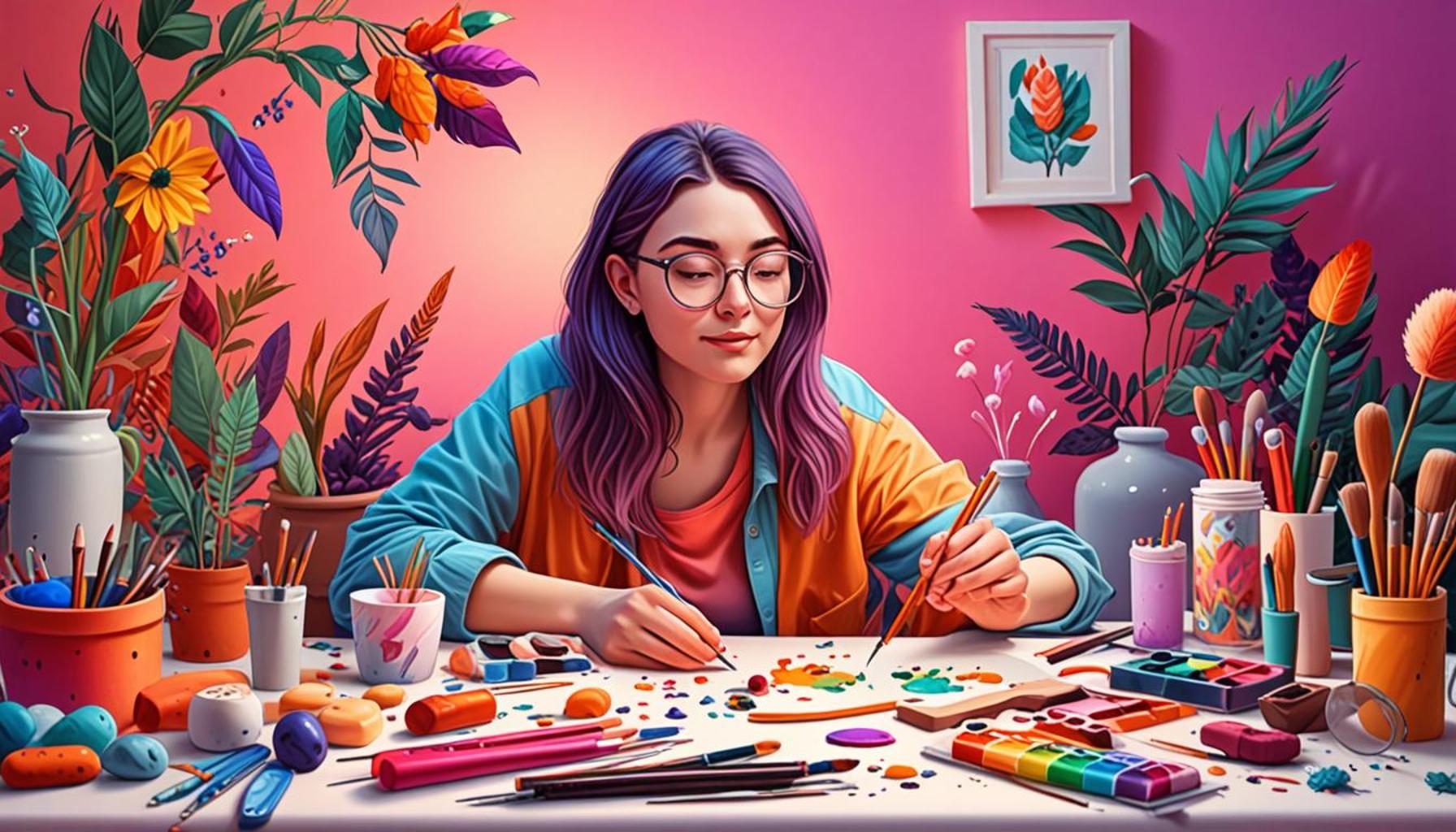
Art has long been celebrated for its ability to transcend the ordinary and connect with the very essence of human emotion. Engaging in creative hobbies such as painting, pottery, and writing serves not only as an outlet for self-expression but also functions as a powerful tool for emotional healing. This fascinating synergy between art and therapy cultivates an enriching environment that paves the way for emotional liberation. By diving into the creative process, individuals can unlock new dimensions of personal insight and growth.
Consider the multifaceted benefits of engaging in therapeutic art:
- Stress Relief: Creative activities like drawing or crafting provide a therapeutic escape from daily pressures. For instance, during a hectic week, setting aside time to paint or create handmade cards can reduce anxiety and foster relaxation. Research has shown that simply engaging in these creative practices can lower cortisol levels, the stress hormone, thereby promoting a sense of calm.
- Self-Discovery: Exploring creativity unveils hidden feelings and personal insights. Art encourages individuals to confront their emotions, often leading to breakthroughs in self-understanding. For example, journaling can help illuminate long-standing feelings of grief or joy, providing clarity that might be elusive in everyday conversation.
- Connection: Sharing art fosters bonds with others who experience similar emotions and stories. Many community art programs across the United States, such as those offered by organizations like the Art Therapy Credentials Board, promote collaborative projects that encourage participants to express their experiences and emotions collectively, building empathy and understanding in the process.
- Mindfulness: Engaging in focused art practices enhances present-moment awareness. Activities like sculpting or coloring can serve as a form of meditation, drawing attention away from stressors and grounding individuals in the here and now. Numerous studies indicate that mindfulness, cultivated through these creative practices, contributes significantly to emotional well-being.
Across the United States, numerous initiatives underscore the transformative nature of art as therapy. From vibrant community art programs in urban areas to online workshops catering to individuals seeking healing during challenging times—more individuals are discovering how creative hobbies can serve as a balm for emotional wounds. Each brushstroke, each note played, can precipitate profound moments of realization and healing, signaling a pathway to emotional catharsis.
The therapeutic power of creativity is also reflected in several notable case studies where veterans, survivors of trauma, or individuals enduring mental health challenges have engaged in art therapy. Programs like the “Warriors’ Workshop” utilize art as a medium for veterans to express their experiences and navigate post-traumatic stress. Meanwhile, institutions such as The National Alliance on Mental Illness (NAMI) sponsor events promoting the use of creativity as a valuable coping mechanism.
This exploration of therapeutic art opens a dialogue about the myriad ways creativity can transform our emotional landscapes. By tapping into this well of self-expression, you may find pathways to emotional liberation and ultimately enrich your life and those around you.
DIVE DEEPER: Click here to discover how music can boost your focus
The Therapeutic Benefits of Engaging in Creative Hobbies
Creative hobbies have the extraordinary ability to serve as a refuge for those grappling with emotional complexities. Engaging in activities such as painting, music, and dance not only provides a satisfying creative outlet but also emerges as a transformative practice that fosters emotional liberation. Through various forms of artistic expression, individuals can explore and communicate their feelings in ways that conventional conversation may not allow. Let’s delve into some of the specific therapeutic benefits these creative hobbies can offer.
- Emotional Expression: Many individuals find it challenging to articulate their feelings verbally. Artistic endeavors present an alternative avenue for expressing complex emotions. For example, a painter may use color to convey sadness or joy, while a musician might compose a melody that reflects personal experiences. This process not only facilitates emotional validation but also provides a sense of freedom to express oneself authentically.
- Healing Through Play: The incorporation of playfulness in creative hobbies can be particularly therapeutic. Activities such as clay modeling or doodling allow adults to connect with their inner child, sparking joy and encouraging exploration without the pressure of perfection. Embracing play can diminish self-judgment and stimulate innovation, essential components for emotional wellness.
- Therapeutic Reflection: Creating art often involves reflection, enabling individuals to process their experiences in a safe and non-threatening environment. Through journaling, for instance, individuals can untangle thoughts and emotions, crafting narratives that bring newfound clarity. This reflective practice helps foster understanding and acceptance of one’s emotional state, which is crucial for healing.
- Building Resilience: As participants engage in creative hobbies, they encounter challenges and solve problems, which can bolster personal resilience. For example, a novice pianist may struggle with mastering a difficult piece, but the perseverance required to practice builds confidence and emotional strength over time. Such experiences of overcoming obstacles translate to greater resilience in the face of life’s larger emotional challenges.
The significance of therapeutic art is further underscored by various studies and clinical approaches. For instance, art therapy sessions are now regularly incorporated into mental health treatment plans at hospitals and rehabilitation centers nationwide. These structured programs place emphasis on self-exploration through artistic mediums, allowing patients to confront emotional distress directly while also providing a sense of achievement through creative expression. Renowned institutions, including the American Art Therapy Association, advocate for these practices, citing numerous benefits not just for mental health, but also for overall well-being.
As we can see, engaging in creative hobbies is not merely a leisure activity; it stands as a profound method for emotional liberation. By allowing ourselves the time and space to create, we open doors to avenues of self-discovery and emotional growth, paving the way for healing both within and beyond.
The Therapeutic Art as a Form of Emotional Liberation in Creative Hobbies
Creative hobbies are often a refuge for individuals seeking emotional liberation. Engaging in artistic activities not only provides an outlet for self-expression but also serves as a powerful tool for healing. The act of creating art—whether it be painting, sculpting, or crafting—allows individuals to process emotions that may be difficult to articulate. This transformative journey can lead to a profound sense of freedom and relief, offering benefits that extend far beyond the canvas.Artistic endeavors are proven to significantly reduce stress and anxiety levels. Numerous studies suggest that spending time in creative pursuits can lower cortisol levels, providing a calming effect on the mind. For many, the tactile experience of working with various mediums enhances the therapeutic aspect as it engages the senses and fosters mindfulness. Each stroke of paint or sculpt of clay becomes a meditative practice that invites individuals to immerse in the moment, thus encouraging a deeper connection with their inner self.Moreover, participating in group art sessions can foster social connections that alleviate feelings of isolation. This communal aspect of engaging in art allows for shared experiences, promoting empathy and understanding among participants. The discussions surrounding the creative process often lead to insights about personal struggles, facilitating a supportive environment where emotional burdens can be lifted through shared expression.As individuals embark on this artistic journey, they may discover new aspects of their identity. Creative hobbies serve as a canvas not only for self-expression but also for ground-breaking self-discovery. Individuals frequently find that their artwork reflects their inner thoughts and feelings, allowing for an exploration of unresolved issues. Consequently, the therapeutic process becomes a cycle of reflection, healing, and emotional liberation.To delve deeper into how creative hobbies can facilitate emotional healing, engaging with community art projects or seeking professional guidance can further amplify these benefits. By exploring one’s creative potential, individuals are continuously finding new ways to embrace their emotions and promote well-being.
| Category | Details |
|---|---|
| Stress Reduction | Engaging in creative hobbies significantly lowers cortisol levels, promoting relaxation. |
| Self-Discovery | Artistic expression allows individuals to explore their emotions and identity deeply. |
| Community Connection | Participating in group sessions fosters relationships and a sense of belonging. |
DISCOVER MORE: Click here to learn how art can transform mental health
The Role of Community and Connection in Artistic Pursuits
Beyond individual expression and self-exploration, engaging in creative hobbies often fosters a robust sense of community and connection, which can profoundly amplify the therapeutic benefits of artistic endeavors. Whether through group classes, workshops, or interactive online platforms, interacting with others in pursuit of creativity allows individuals to share experiences, receive support, and cultivate friendships. This interconnectedness can serve as a powerful tool for emotional liberation.
- Shared Experiences: Participating in group art activities or collective projects can lead to a sense of belonging. For example, community painting mural projects or collaborative music festivals bring people together, creating a vibrant atmosphere where feelings of isolation dissipate. These shared experiences reduce loneliness and promote emotional support, allowing participants to feel understood and validated in their journeys.
- Peer Feedback and Growth: Engaging with fellow creatives offers invaluable feedback that can enhance personal growth. Receiving constructive criticism on an artistic piece or performance not only encourages improvement but also fosters resilience. For many, knowing that others are navigating similar challenges can empower individuals to embrace vulnerabilities, seeing them as stepping stones toward emotional positivity.
- Collective Healing: The act of creating art in a communal setting can serve as a catalyst for healing. Many organizations incorporate art therapy in group formats to help participants cope with shared traumas, such as loss or grief. For instance, organizations focused on veterans often hold workshops where individuals can create artworks reflecting their military experiences, allowing for shared storytelling that promotes healing through connection.
- Engaging as Change Agents: The act of creating art can also empower individuals to voice social issues that matter to them, leading to a sense of purpose and agency. Artists frequently use their medium to comment on societal challenges, galvanizing group action for change. A great example is the rise of street artists who utilize public spaces to address systemic injustices, allowing others to engage with these themes emotionally and intellectually, fostering community resilience.
Community-oriented creative pursuits also align with the growing trend of therapeutic art workshops, which have gained popularity across the United States. Organizations like The Art Therapy Project and creative centers in metropolitan areas are beginning to emphasize the role of community in emotional wellness through collaborative artistic practices. Such workshops not only facilitate self-expression but also develop supportive networks where individuals can find solace in shared stories.
Moreover, a wealth of research indicates the positive impact of community-driven art initiatives on mental health. Studies have shown that individuals who engage in group creative activities report lower levels of anxiety and depression, correlating directly with improved emotional well-being. The bonds formed through collaborative creative efforts bring individuals together, fostering a sense of belonging that becomes an essential thread in the fabric of emotional resilience.
As the movement toward therapeutic art as a legitimate form of emotional liberation continues to grow, further discoveries about the long-lasting impacts of community engagement in the arts unfold. Such initiatives not only promote personal healing but also build richer, more supportive communities, reshaping societal attitudes towards mental health through creativity.
DISCOVER MORE: Click here to dive into the art of letter writing
Transforming Lives Through Creative Hobbies
In conclusion, the exploration of therapeutic art as a pathway to emotional liberation underscores the profound impact that creative hobbies can have on individual well-being and community growth. By tapping into the power of art, individuals are afforded the opportunity to express their innermost feelings, confront personal challenges, and cultivate resilience through the act of creation. This journey not only provides personal solace but also fosters a sense of belonging and connection in shared experiences, essential for overcoming feelings of isolation.
The importance of community cannot be overstated, as collective artistic endeavors facilitate not just personal healing but also create supportive networks that bolster emotional health. For example, community art projects and workshops engage individuals in valuable collaboration, allowing them to give voice to shared struggles and triumphs. The evidence from numerous studies highlighting the positive correlations between artistic engagement and improved mental health further reinforces the need for wider acceptance and integration of therapeutic art into public health initiatives.
As we look toward the future, it becomes increasingly vital to champion the role of creative hobbies in mental health strategies. By advocating for artistic expression in community settings, society can reshape perceptions of healing while also promoting resilience and emotional growth in individuals. In doing so, we can cultivate environments where creativity thrives and emotional well-being flourishes, ultimately redefining our collective approach to mental health through the lens of creative liberation.