Exploring the Connection between Music and Emotion in Artistic Practices
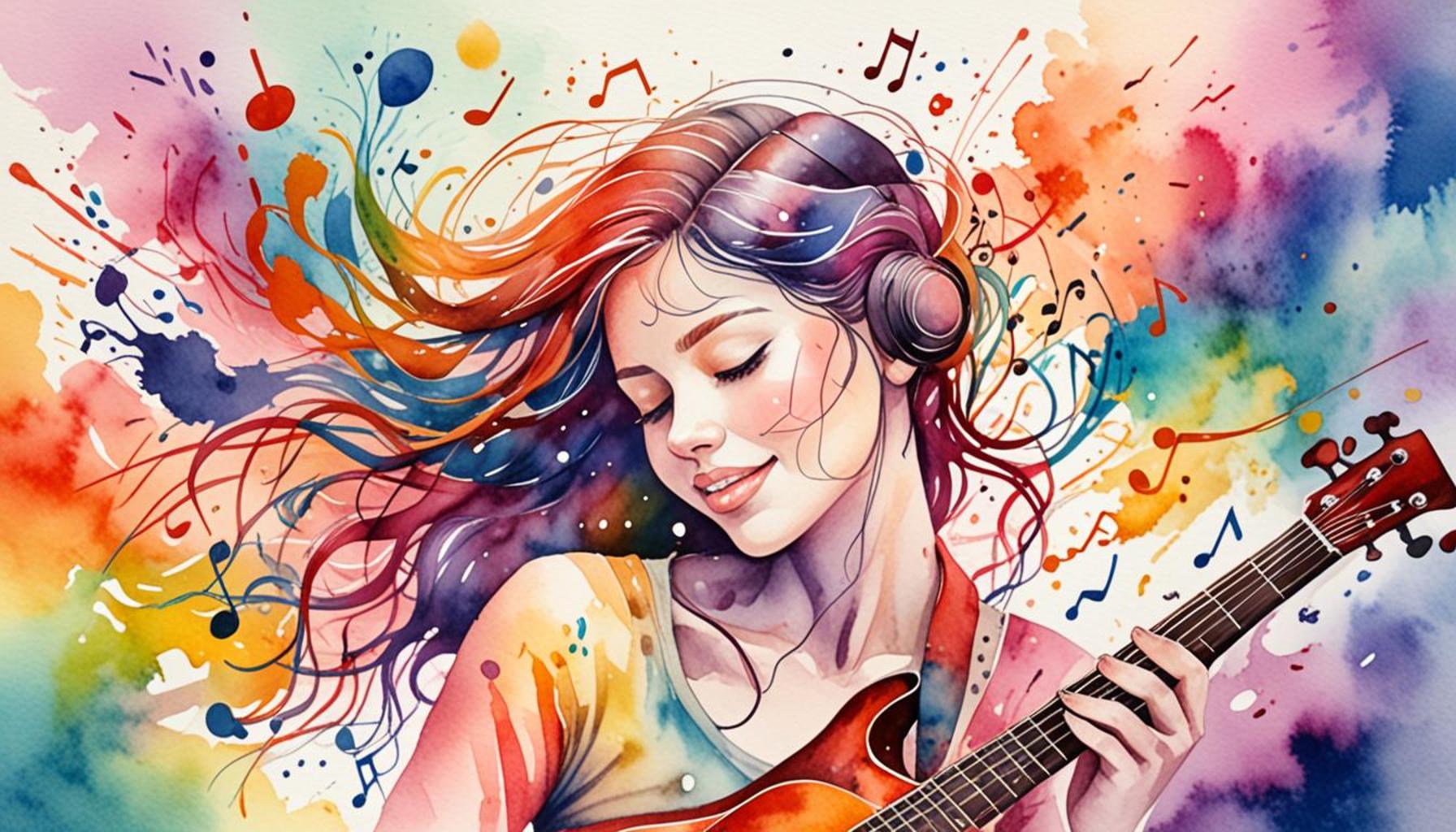
The Emotional Landscape of Music
Throughout history, music has served as a universal medium for expressing and evoking emotions, transcending cultural and linguistic barriers. The psychological impact of music extends into the realm of creativity, influencing how artists conceptualize and realize their visions. Research in psychology illustrates that music can trigger hormonal changes, affect brain activity, and even alter our mental states, providing insight into why melodies can evoke such powerful feelings.
Film Scores: Crafting Emotion through Sound
One of the most compelling examples of music’s emotional influence lies in film scores. Renowned composers like Hans Zimmer, who is celebrated for his work on films such as “Inception” and “Interstellar,” masterfully combine orchestration with thematic material to draw audiences deeply into the narrative. The swelling strings in Zimmer’s compositions not only enhance the visual storytelling; they enable viewers to feel a spectrum of emotions—from exhilaration during action sequences to sorrow during poignant moments. Studies suggest that the right music can enhance the viewer’s emotional engagement, leading to a more immersive cinematic experience.
Dance: Movement Responding to Melody
In the world of dance, music acts as both a catalyst and a companion, guiding choreographers in their exploration of human emotion. From classical ballet to contemporary choreography, artists respond to musical rhythms and melodies in ways that articulate feelings of joy, sorrow, or longing. For instance, the emotive works of renowned choreographer Alvin Ailey often blend jazz and blues with movement to embody the complexities of the African American experience, demonstrating how profoundly intertwined music and dance can be in expressing cultural narratives.
Visual Arts: Color and Sound Intersect
The relationship between music and visual arts is equally profound. Artists like Wassily Kandinsky believed that music could inspire visual expression, asserting that colors and forms could be influenced by musical tones and rhythms. Kandinsky’s abstract paintings often reflect the same emotional intensity found in his favorite compositions, showcasing the idea that art can translate auditory experiences into the visual realm. This intersection not only invites viewers into a multisensory experience but also challenges them to ponder the emotional language of art.
Emotional Responses across Genres
Understanding the emotional nuance of various music genres further enriches this dialog on artistic expression. Genres such as pop often convey themes of love and happiness, while the somber melodies of classical compositions frequently evoke feelings of contemplation or nostalgia. Genres like hip-hop and blues often tell stories of struggle and triumph, connecting listeners to cultural and historical contexts that resonate deeply within the human experience.
As we continue to explore the intricate relationship between music, emotion, and artistic expression, it becomes evident that both artists and audiences emerge transformed. The emotions stirred by music not only help individuals articulate their feelings but also foster connections among communities, transcending boundaries and uniting us in shared experiences. The journey through this emotional landscape invites deeper investigation into how music shapes our lives and the art that reflects our humanity.
DISCOVER MORE: Click here to delve into the impact of literature on social change
The Multisensory Experience of Art and Emotion
As we delve into the rich tapestry of artistic practices, it becomes clear that the connection between music and emotion is not limited to auditory experiences alone. Instead, music acts as a vibrant thread that weaves through various forms of art, enhancing emotional expression and enriching the creative process. Understanding this intricate relationship involves examining how different artistic mediums respond to and are inspired by musical elements, facilitating a deeper emotional connection with audiences.
Theatre: The Soundtrack of Human Experience
Theatre is perhaps one of the most direct manifestations of music and emotion intertwining. From classic Shakespearean plays to modern musicals, soundtracks and musical scores play pivotal roles in constructing emotional landscapes. For instance, groundbreaking works like “Hamilton,” created by Lin-Manuel Miranda, demonstrate the power of musicality in storytelling. The diverse musical styles, ranging from hip-hop to R&B, not only enrich character development but also allow audiences to engage with historical narratives on a profound emotional level.
Literature: Words Set to Music
Literature, though primarily a written art form, often finds synergy with music through inspiration and intertextuality. Many renowned authors, including James Joyce and Virginia Woolf, were influenced by musical compositions, weaving melodic and rhythmic patterns into their prose. The emotive quality of music can shape a writer’s tone, pacing, and cadence, influencing how emotional scenes are conveyed. Moreover, poetry has long engaged with musicality; the sound of words and their rhythms can resonate emotionally with readers, creating a visceral experience akin to that of listening to a symphony.
Visual Narrative: The Art of Seeing Sound
The exploration of how visual art can reflect musical emotion is a fascinating aspect of this discussion. Many contemporary artists create pieces inspired by the rhythms and tones of music, translating auditory experiences into visuals. This creates a multisensory exploration for viewers, where colors, shapes, and forms are manipulated to mimic the emotional intensity of a particular piece of music. Artists might utilize techniques such as layering, abstraction, or even kinetic installations to enable audiences to “see” sound, forming a connection that transcends conventional boundaries between the senses. For example, performance art often combines movement, sound, and visual creations to craft narratives that live in the emotional interplay of these elements.
Genres as Emotional Vessels
The diverse array of music genres is another key aspect to consider in the emotional landscape of artistic practices. Each genre carries its own emotional weight and cultural significance, influencing how artists approach their work. Consider the following:
- Classical: Often evokes deep reflection and nostalgia, inviting artists to explore themes of mortality and emotion.
- Jazz: Captures spontaneity and improvisation, encouraging a sense of freedom and experimentation in artistic expression.
- Rock: Frequently embodies rebellion and angst, resonating with the tumultuous emotions of youth culture.
- World Music: Communicates cultural stories and struggles, forging connections between art and community.
As we explore these connections, it becomes evident that the influence of music on emotional expression across artistic practices is a rich area for continued investigation. This relationship not only reveals the psychological underpinnings of creativity but also highlights the immense capacity of art—across all forms—to cultivate community and understanding in an increasingly complex world.
Exploring the Connection between Music and Emotion in Artistic Practices
Music has long been recognized as a powerful form of expression, bridging gaps in communication and allowing artists to convey their innermost feelings. The deep connection between music and emotion is not just a phenomenon within the realm of theory; it profoundly influences various artistic practices. Through soundscapes and melodic structures, artists tap into the emotional landscape of their audiences.
One compelling aspect of this connection lies in the way different musical elements—such as tempo, harmony, and dynamics—evoke specific emotional responses. For example, a slow tempo combined with a minor key might inspire feelings of sadness or introspection, while an upbeat, major composition can invigorate and uplift. This dichotomy is crucial for artists who seek to create relatable and memorable experiences in their work.
In visual arts, the synchronization of background music often complements the imagery, enhancing the narrative conveyed through brush strokes or photography. Artists such as Vincent van Gogh and Pablo Picasso have expressed their emotional turmoil through their art, often accompanied by music that resonates with their emotional state. Documentaries like “The Music Instinct” delve into how certain compositions can mirror themes present in visual art, reinforcing the concept that music and emotion are intertwined.
As we continue to explore this connection, it’s essential to consider the implications for current and future artistic endeavors. Artists integrating music into their practices may find new ways to engage with audiences, creating memorable emotional experiences that transcend traditional boundaries. This forms the crux of an exciting dialogue between sound and sight, beckoning us to further investigate the profound relationships at play.
| Emotional Impact | Artistic Expression |
|---|---|
| Elicits Strong Emotions | Enhances Narrative Depth |
| Facilitates Emotional Healing | Expands Creative Boundaries |
The invitation remains open to artists and enthusiasts alike: to discover how integrating music with different forms of expression can deepen our understanding of emotional communication through art.
DIVE DEEPER: Click here to explore the impact of visual arts on identity
The Intricacies of Music in Dance and Performance Art
Dance, as a distinct form of artistic practice, similarly benefits from the profound bond between music and emotion. The very essence of dance relies on rhythm, melody, and sound to convey stories and emotions. From the fluidity of ballet to the spontaneity of hip-hop, each dance style offers a unique lexicon for expressing human experience. Choreographers and dancers utilize music not just as an accompaniment but as a core element in the storytelling process. For instance, the works of Martha Graham, a pioneer of modern dance, often draw upon the emotional subtleties of music to inform movements that reflect both personal and collective struggles. The synchronization of movement with musical beats creates an experience that resonates deeply with audiences, who feel the shared emotional landscape unfold in real-time.
Film: Culmination of Sound and Image
The film industry is another domain where the conjunction of music and emotion flourishes, crafting a chiaroscuro of sound and imagery that invites viewers into a visceral experience. Soundtracks play a critical role in enhancing cinematic storytelling. Composers like John Williams and Hans Zimmer have created iconic film scores that evoke emotional responses, often triggering nostalgia or excitement with just a few notes. For example, the orchestral swell of the score in “E.T.” transforms an ordinary narrative into a heartwarming saga of friendship and adventure, creating emotional stakes that linger long after the credits roll. Through the careful pairing of visuals and music, films extend the emotional reach of their stories, allowing scenes to resonate more powerfully with audiences.
Photography: Visualizing Soundscapes
Interestingly, photography also takes part in this emotional dialogue with music, inviting systems of interpretation that go beyond the visual plane. Photographers such as Rineke Dijkstra or Gregory Crewdson have used ambient soundscapes or musical elements to shape their work conceptually, conceptualizing photographs that imply a certain auditory atmosphere. A single image can evoke a feeling akin to the emotion experienced when listening to a piece of music—whether it be nostalgia, joy, or melancholy. Some photographers even create works that pair images with soundtracks, providing an immersive experience that invites viewers to see—and hear—the narrative unfold simultaneously.
Collaborative Art Forms: Cross-Disciplinary Inspirations
The emergence of cross-disciplinary art forms is an exciting trend in contemporary practices that highlights the synergy between music and other art forms. Performance art, for instance, blurs the boundary between visual art, dance, and music, creating a fully immersive experience for audiences. Artists like Yayoi Kusama and Kara Walker incorporate sound as an integral part of their installations and performances, allowing viewers not just to see but also to feel and hear the emotional impact of their art. The combination of various genres, styles, and mediums showcases the multifaceted connections between artistic practices, emphasizing a fluidity that can evoke complex emotions through the interplay of sound and visuals.
In exploring these threads across artistic disciplines, it is evident that music serves as a powerful lens through which emotion is expressed and experienced. From the stage to the gallery, the emotional richness that music brings to art enhances how creators and audiences connect with one another, revealing a deeper understanding of human experience.
DISCOVER MORE: Click here to learn how literature shapes our identities
Conclusion: The Harmonious Interplay of Music and Emotion in Art
In conclusion, the interconnection between music and emotion transcends individual artistic disciplines, creating a vibrant tapestry that enhances human expression across various forms of art. Whether it is through the rhythmic movements of dance, the emotional resonance within film scores, or the evocative power of photography, music serves as a universal language that transcends barriers and invites audiences to engage on a deeper emotional plane.
This exploration of the profound bond between music and emotion highlights the significance of auditory experiences in visual mediums, showcasing how they can work together to evoke feelings that resonate universally, yet are anchored in personal experiences. As audiences witness performance art or engage with multimedia installations that fuse sound and visuals, they are transported to realms that amplify the emotional stakes of the narrative presented.
Moreover, the ongoing evolution of cross-disciplinary practices emphasizes the need for an open-minded approach to art consumption. Artists, inspired by the multifaceted relationships between sound and sight, continue to break boundaries and challenge traditional forms, urging us to discover new perspectives on the emotional experiences they conjure. This cross-pollination not only enriches the artistic landscape but invites exploration into how music can inform and deepen emotional experiences in everyday life.
Thus, as we continue to navigate the intricate relationship between music and emotion in artistic practices, we uncover a vital component of the human experience. It is through this lens that we come to appreciate the profound impact art has on our emotions, offering pathways to connection, understanding, and profound joy. As we delve deeper into this exploration, the potential for even richer emotional experiences through art remains an alluring possibility for the future.