The Influence of Digital Technologies on the New Generation of Artistic Expressions
The Transformative Power of Digital Technologies in Art
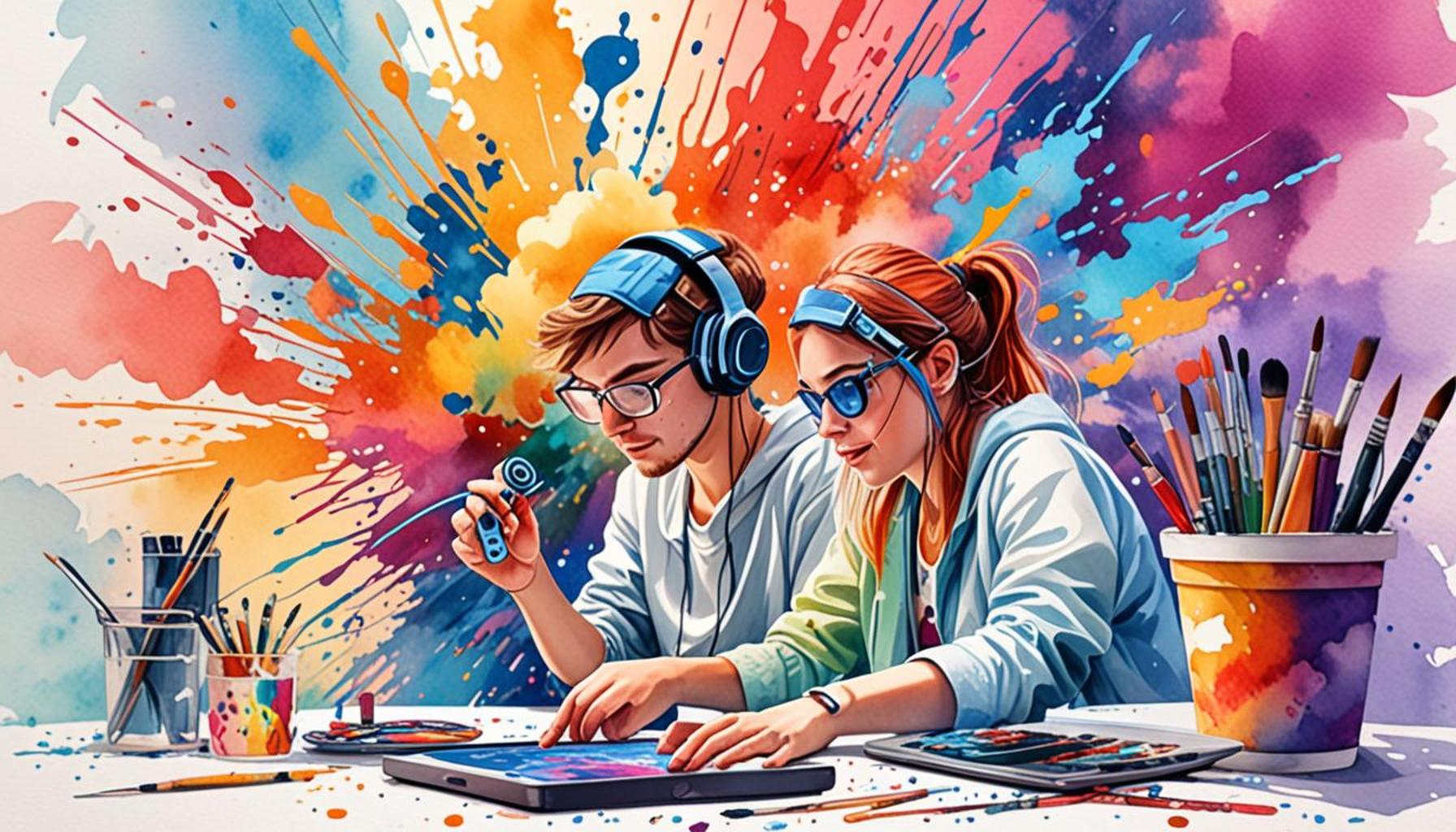
As the digital landscape evolves, artists are embracing new technologies that significantly transform how art is conceived, created, and shared. This evolution reflects not only technological advancement but also a fundamental shift in the perception of art itself. Artists leverage digital tools that enhance their creative capabilities and challenge norms, leading to groundbreaking contributions in various art forms.
Digital Illustration
In contemporary digital illustration, tools like graphic tablets and sophisticated software, such as Adobe Photoshop and Procreate, are revolutionizing how artists craft their works. These platforms allow for precise control and the ability to manipulate every detail with ease. For instance, an artist might use layers to create complex backgrounds, enabling them to push creative boundaries without the constraints typical of traditional mediums. Digital illustration has opened up new avenues for storytelling, enabling artists to develop vibrant narratives through visual art, as seen in popular graphic novels and video game designs.
3D Printing
3D printing is another technology making waves in the art world. It allows artists to bring their digital designs into the physical realm, turning virtual creations into tangible objects. For example, renowned artist Olafur Eliasson integrates 3D-printed sculptures into his installations, creating unique experiences for viewers. This convenience of transforming ideas into reality makes it possible for emerging artists to experiment with complex forms and materials at significantly lower costs than traditional sculpture methods. It fosters an inclusive environment where creativity is limited only by imagination.
Virtual Reality (VR) Art
Virtual Reality (VR) art is arguably one of the most exciting developments within the intersection of art and technology. Artists like Jon Rafman have pioneered the integration of VR into their works, allowing audiences to step into immersive environments that expand narratives beyond flat canvases. These interactive experiences invite viewers to engage deeply with the artwork, often evoking emotional responses that traditional media may not achieve. As VR technology continues to advance, its potential applications in art could reshape exhibitions, leading to entirely new forms of engagement and appreciation.
Social Media and Artistic Communities
Additionally, social media platforms like Instagram and TikTok have redefined what it means to showcase art. Artists now utilize these platforms not only as exhibitions for their work but also as ways to connect with like-minded individuals. These networks foster artistic communities where feedback is immediate and collaborative projects can emerge spontaneously among artists from all corners of the globe. This openness allows for diverse influences to be shared and appreciated, blurring geographical boundaries and democratizing the art world.
The implications of these digital advancements extend far beyond aesthetics; they challenge the core definitions of art itself. As we explore how technology reshapes artistic expression, we recognize a profound movement towards inclusivity, innovation, and collaboration. As new methods and mediums continue to emerge, the future of art seems boundless, encouraging both artists and audiences to explore the expansive relationship between technology and creativity.
DISCOVER MORE: Click here to learn about the impact of literary festivals
Breaking Boundaries: The Intersection of Art and Technology
As digital technologies evolve, artists from various disciplines are harnessing these innovations to explore uncharted territories in their creative practices. This synergy between art and technology not only augments artistic abilities but also cultivates new forms of expression that resonate with contemporary audiences. Artists are no longer confined to traditional materials; instead, they are employing digital resources to expand their creative landscapes, impacting the very fabric of artistic expression today.
The Rise of Digital Art
Digital art has emerged as a dominant form of contemporary expression, enabling artists to delve into realms previously unimaginable. The ability to create using software allows for dynamic changes, vast experimentation, and collaboration across the globe. Applications like Sketchbook and Blender offer users a variety of functionalities, from 2D illustrations to sophisticated 3D modeling. This flexibility inspires artists to create works that challenge existing norms, allowing for a constant evolution of style and technique.
The Role of Animation and Motion Graphics
Animation and motion graphics stand as a spectacular testament to the power of digital platforms in art. Creators can now tell compelling stories through animated sequences, using programs like Adobe After Effects and Cinema 4D. Artists are able to breathe life into their illustrations, transforming static images into dynamic experiences. This shift has broadened the scope of artistic storytelling, with examples seen in marketing campaigns, short films, and online content. The immediacy and engagement offered by moving visuals resonate strongly with audiences, particularly within the digital-savvy younger generations.
Interactive Installations
The concept of interactive installations has gained immense traction as artists utilize technology to create immersive environments. Through touch screens, motion sensors, and augmented reality, audiences are invited to become active participants in the artwork itself. For instance, the work of artists like Rafael Lozano-Hemmer demonstrates how technology can transform art into an interactive dialogue rather than a passive viewing experience. Such installations not only captivate but also evoke a strong emotional connection with viewers, leaving lasting impressions that challenge how art is traditionally perceived.
Challenges and Opportunities
While the impact of digital technologies on art is overwhelmingly positive, it is not without its challenges. As artists navigate this digital landscape, they confront various hurdles, including:
- Lack of access to advanced technology for some artists, limiting their creative expression.
- The oversaturation of digital content, making it difficult for individual artists to stand out.
- Concerns regarding copyright and the originality of digital works, as reproduction becomes easier than ever.
Despite these challenges, the opportunities presented by digital technology are vast, fostering new collaborations, inspiring innovative practices, and redefining the boundaries of what constitutes art. As new digital technologies continue to emerge, the spirit of exploration and creativity remains undiminished, offering endless possibilities for the new generation of artistic expression.
As the digital landscape evolves, so too do the methods and mediums through which the new generation expresses its creativity. This evolution is significantly driven by advancements in technology, enabling artists to utilize tools that were once considered futuristic. The integration of digital technologies has fostered an environment rich in diversity and opportunity for artistic innovation.One of the most remarkable changes brought by digital technologies is the rise of interactive and immersive art forms. Virtual reality (VR) and augmented reality (AR) have opened new avenues for artists to create experiences that engage audiences in unique ways. These technologies allow viewers not only to observe art but also to interact with it, effectively breaking the traditional boundaries of static art forms. For example, installations can now respond to audience movements, creating a dialogue between the creator and the consumer, thus making art a dynamic experience.Moreover, the internet and social media have revolutionized how art is shared and appreciated. Digital platforms allow artists to reach global audiences instantaneously, facilitating collaboration beyond geographical constraints. Artists can showcase their works, receive instant feedback, and engage with fans, creating communities that might not have existed in the physical realm. Social media also democratizes art criticism and appreciation, as anyone with an online presence can express their opinions and share their insights.Moreover, the continuance of digital tools such as graphic design software and digital painting apps has enabled individuals from various backgrounds, irrespective of formal training, to create stunning pieces. The *proliferation of user-friendly applications* has made art more accessible, encouraging amateur artists to explore their creative potential. This trend not only fosters a varied artistic landscape but also challenges traditional notions of artistry, as skills can now be self-taught and honed through online resources.The significance of digital technologies in reshaping artistic expressions cannot be overstated. They have not only influenced the *methods of creation* but have also transformed how society perceives and interacts with art. As these technologies continue to advance, they will undoubtedly lead to even more innovative forms of artistic expression, pushing the boundaries of creativity further than ever before.
DISCOVER MORE: Click here to delve deeper
Expanding Horizons: New Mediums and Cultural Impacts
The infusion of digital technologies into the art world has expanded not only the tools available to creators but also the mediums through which they express their ideas. Digital photography, for instance, has revolutionized the way artists capture and manipulate images. With accessible tools such as Adobe Photoshop and advanced smartphone cameras, photographers are crafting visually stunning works that challenge standards of representation. This democratization of technology enables emerging artists to experiment with high-level visual composition without the need for extensive formal training, thus nurturing a diverse array of artistic voices.
Virtual Reality and Beyond
In recent years, virtual reality (VR) has emerged as a groundbreaking medium for artists. By creating fully immersive environments, VR allows viewers to engage with artwork like never before. Projects such as The Night Cafe, inspired by Vincent van Gogh’s paintings, offer users the chance to step inside a 3D representation of the artist’s vision. As VR technology becomes more affordable and widely used, artists are exploring the intersection between physical and digital space, prompting a new form of artistic experience that captures the imagination of audiences bursting with curiosity.
Blockchain and Digital Ownership
Equally transformative is the rise of blockchain technology, which has revolutionized how art is bought, sold, and owned in the digital realm. The advent of non-fungible tokens (NFTs) has shifted the conventional art market by enabling artists to mint unique digital assets, protecting their work from unauthorized reproduction and providing new paths for monetization. High-profile NFT sales, such as Beeple’s record-breaking $69 million piece at Christie’s, signal a shift in the perception of digital art, granting it legitimacy within the broader art world. As more artists enter this space, it’s important to recognize the implications this has for copyright, ownership, and the ongoing discourse surrounding the value of artist-created content.
Social Media as an Art Platform
Social media platforms like Instagram and TikTok play an increasingly significant role in shaping contemporary art practices and audiences. These platforms not only allow artists to showcase their work to a global audience but also foster a community of creators who inspire each other and share techniques. Viral trends and art challenges facilitate collaborative interactions, enabling diverse styles to juxtapose and evolve rapidly. This immediacy of connection leads to a culture where art can be both ephemeral and continually refreshed, contrasting with the traditional galleries that once defined the art world.
Environmental and Ethical Considerations
As the merging of art and technology accelerates, it also raises important environmental and ethical questions. The energy-intensive process of mining cryptocurrencies for NFTs and the ecological impact of large-scale digital installations can be contentious, prompting artists to reconsider the sustainability of their practices. Furthermore, artists are increasingly using their platforms to address pressing social issues, using digital mediums to create works that raise awareness about climate change, social justice, and equality. The blending of these urgent conversations with artistic expression underscores the potential for technology to not only enhance creativity but also to provoke thought and drive change within society.
DISCOVER MORE: Click here to delve deeper
Conclusion: Embracing the Digital Renaissance
The exploration of digital technologies within the realm of artistic expressions provides a transformative lens through which we can view creativity today. As artists harness tools like virtual reality, blockchain, and social media platforms, they not only redefine the creation and consumption of art but also carve out novel pathways for engagement and discussion. The ability to create immersive experiences challenges traditional art forms and fosters a sense of community that transcends geographical barriers.
Furthermore, the emergence of NFTs has catalyzed a significant shift in the art market, encouraging emerging talents to monetize their work in previously unimaginable ways. This evolution raises essential conversations about ownership and authenticity, revealing both opportunities and challenges in the digital landscape. As younger generations embrace these innovations, they push boundaries and broaden the definition of art, demonstrating that creativity is not static but rather a dynamic force driven by technological advancements.
As we navigate this uncharted terrain, it is crucial to remain mindful of the ethical and environmental implications that accompany these digital transformations. Artists who address urgent social issues, such as climate change and inequality, exemplify the potent combination of technology and advocacy in contemporary art. In this new age dubbed the digital renaissance, the influence of digital technologies on artistic expression is profound, compelling us to continuously reassess our understanding of creativity and its place in the world. Engaging with these shifting paradigms not only enriches our artistic experiences but also invites critical discourse on the very nature of art itself, encouraging us to be proactive participants in this ongoing evolution.