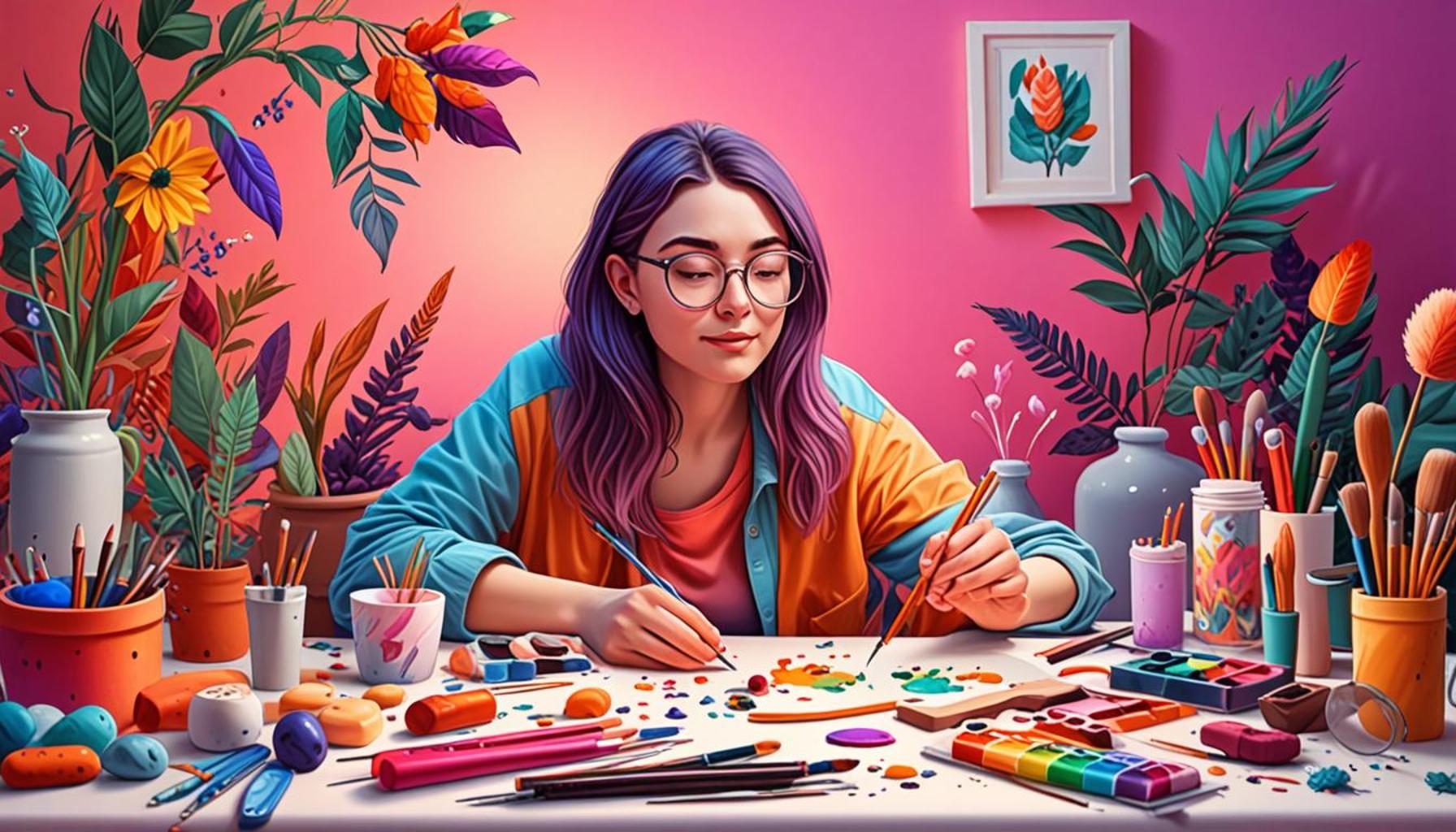
Techniques of Self-Discovery Through Painting and Sculpture
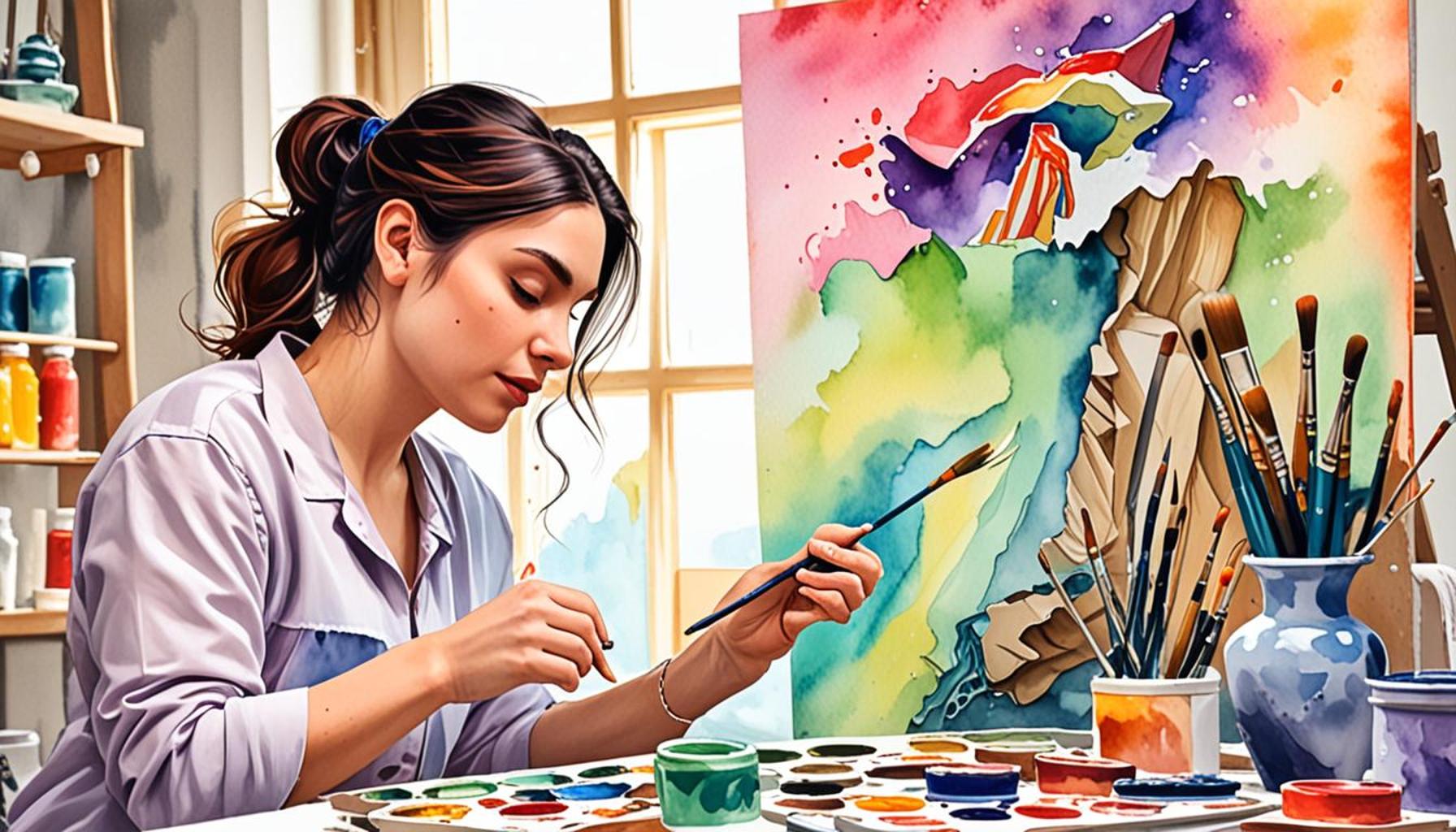
The Power of Artistic Expression
Artistic expression serves not only as a creative outlet but also as a means for profound self-discovery. Engaging with mediums such as painting and sculpture provides individuals with robust tools for unlocking deeper insights into their emotions and thoughts. Across the United States, a diverse array of people from various backgrounds have embraced these forms of art, seeking to explore their identities and life experiences through creative endeavors.
There are multiple reasons why painting and sculpture are considered effective methods for personal exploration:
- Emotional Release: Engaging in art can facilitate a visceral expression of feelings that may otherwise remain bottled up. For instance, someone grappling with grief might find solace in painting dark, swirling colors to manifest their sorrow, allowing for a cathartic release. This form of expression can even serve as a healing process, enabling individuals to confront and cope with complex emotions.
- Visual Reflection: Art acts as a mirror to the soul, reflecting internal struggles, fears, and aspirations. A person might create a series of sculptures that embody their anxiety, laying bare their mental state. This isn’t just visual representation; it is a powerful step toward understanding and addressing prevailing emotions.
- Mindfulness Practice: The act of creating art necessitates deep focus and engagement, fostering a present-focused mindset. This can lead to moments of clarity and insight, where individuals discover new aspects of themselves amidst the strokes of a paintbrush or the mallet of a sculptor. A mindfulness practice can transform a simple creative exercise into a profound journey of self-awareness.
The versatility of these artistic techniques enriches the experience further:
- Abstract Painting: This form of painting invites individuals to explore color and form without the restrictions of representational art. By freely expressing emotions through chaotic swirls or structured patterns, artists can tap into subconscious feelings and thoughts, making the process uniquely personal.
- Clay Sculpture: Working with clay offers a tactile connection to the creative process. The hands-on interaction not only fosters a deeper connection with the artwork but also with oneself. Artists often report that shaping clay becomes a meditative experience, allowing them to explore their inner selves while creating three-dimensional expressions of their thoughts.
- Mixed Media: This technique encourages the use of various materials to convey a multifaceted narrative. By incorporating paint, textiles, photographs, and found objects, individuals can create layered meanings in their art. This approach not only broadens creative possibilities but also mirrors the complexities of identity and experience.
Within the artistic journey, one can realize that painting and sculpture transcend their classification as mere crafts; they emerge as compelling avenues for personal growth. Each brushstroke or sculpting motion holds the potential to unlock profound revelations about the self. As individuals embark on this creative path, they may discover hidden truths about their identities, ultimately revealing a richer, more authentic version of themselves.
DIVE DEEPER: Click here to discover more
Unearthing Inner Truths Through Creative Techniques
To embark on a journey of self-discovery through painting and sculpture, practitioners can employ various techniques that promote introspection and emotional exploration. These creative processes not only encourage individuals to express their thoughts and feelings but also facilitate deeper connections to their identity. Here, we highlight several transformative techniques that have proven effective for many artists across the United States in uncovering their inner selves.
Painting Techniques for Self-Exploration
Painting, often seen as a personal and intimate form of art, allows individuals to convey their innermost emotions through vibrant colors and dynamic shapes. Techniques such as color theory can significantly impact the expression of feelings. By choosing specific colors that resonate with their emotional state, artists can create impactful compositions that tell their personal stories. For example:
- Color Association: Different colors evoke distinct emotional responses. Warm colors like red and yellow can channel feelings of passion and joy, while cooler hues like blue and green often relate to calmness or sadness. An artist may choose a palette intentionally to convey their mood or provoke thought in viewers.
- Layering: The technique of layering paint can symbolize the complexity of human emotions. By building up layers of color, an artist can illustrate the depth and nuance of their thoughts, showcasing their journey through various emotional states.
- Spontaneity: Allowing the paintbrush to move freely across the canvas without premeditation can lead to unexpected discoveries. This approach encourages surrendering control, inviting hidden emotions to surface during the creative process.
Sculptural Techniques for Deeper Understanding
Sculpture, with its three-dimensional form, engages the creator on multiple sensory levels. The tactile experience offers a unique opportunity for self-exploration, connecting the mind with the body as it expresses thoughts through physical manipulation of materials. Consider the following approaches:
- Embodying Form: The physical act of shaping materials like clay allows an artist to project their thoughts into tangible forms. This can be particularly therapeutic, as the transformation of raw materials reflects the artist’s personal growth and evolution.
- Symbolism and Metaphor: Artists often incorporate symbols and metaphors in their sculptures to convey deeper meanings. For instance, a sculptor might create a broken chain to represent liberation from past traumas, providing both a visual representation and a catalyst for discussion and reflection.
- Interactive Sculpture: Engaging others with a sculptural piece can widen the scope of self-discovery. When viewers interact with the artwork, it invites a dialogue about shared experiences and personal interpretations, enriching the artist’s understanding of their own feelings.
Through these intentional techniques, both painting and sculpture hold immense potential to foster self-discovery. By engaging with their chosen medium, individuals not only communicate their emotions but also embark on a transformative journey toward self-awareness. By tapping into their creativity, artists can uncover elements of their identity that may initially remain obscured, resulting in experiential learning and personal growth.
Exploring Self-Discovery Through Artistic Expression
Artistic expression serves as a powerful medium for self-discovery. Techniques such as painting and sculpture not only encourage creativity but also facilitate a deeper understanding of one’s inner self. As individuals engage with various forms of art, they unravel hidden aspects of their personality and emotions. This journey can be both enlightening and transformative.
Benefits of Artistic Techniques in Self-Discovery
Engaging in painting and sculpture allows individuals to communicate feelings that may be challenging to articulate in words. The tactile nature of sculpture, for instance, can provide a physical connection to emotions, enabling a more profound exploration of the self. Painting, on the other hand, allows for spontaneous expression, where colors and brush strokes symbolize complex thoughts and feelings.Furthermore, these artistic endeavors can lead to increased mindfulness. When immersed in a creative process, individuals often experience a meditative state, promoting mental clarity and emotional release. This practice doesn’t just enhance personal insight but can also positively influence mental health by alleviating stress and anxiety.Begin the journey of self-exploration through the vibrant world of artistic techniques. Each stroke of the brush or sculpting of clay can lead to revelations about who you are and who you aspire to be.
| Category | Description |
|---|---|
| Emotional Expression | Allows individuals to convey complex feelings through visual art. |
| Mindfulness Practice | Encourages a state of focus and presence, improving overall mental well-being. |
Immerse yourself in the world of painting and sculpture. Discover the layers of your identity waiting to be unveiled through artistic exploration. Each artwork is a pathway leading to self-awareness and personal growth, inviting you to dive deeper into your journey of self-discovery.
DIVE DEEPER: Click here to discover the art of DIY cushions
Engaging the Senses: Experiential Approaches to Artistic Introspection
While color theory and tactile manipulation of form are foundational techniques in self-discovery through painting and sculpture, there are several additional methods that deepen the connection between artist and artwork. These approaches encourage not only emotional engagement but also a dialogue that bridges the gap between personal experience and universal themes. By exploring these methods, individuals can unearth profound insights about themselves and their place within the broader narrative of life.
Mindfulness and the Creative Flow
One of the most powerful techniques for self-exploration through the arts is the incorporation of mindfulness in the creative process. Mindfulness involves being fully present in the moment, cultivating an awareness of thoughts, emotions, and sensations without judgment. In combination with painting or sculpting, this practice can greatly enhance the experience. Consider these elements:
- Focused Breathing: Before beginning a painting session or sculptural work, taking a few moments to breathe deeply can center one’s thoughts. This practice not only calms the mind but primes it for creativity, helping artists to connect with their emotions more authentically.
- Descriptive Journaling: Artists can document their thoughts and feelings before and after their creative sessions. Writing down the emotional state they hope to express can set intentions and allow them to notice shifts in their feelings once they engage with their medium.
- Active Observation: Engaging with art requires looking with intention and curiosity. Dedicating time to observe the details of one’s work—be it texture, color, or form—can foster a greater understanding of the emotions conveyed and provoke introspective thoughts.
Collaboration as a Mirror
Creating art is often seen as a solitary pursuit; however, collaboration can offer a fresh perspective on self-discovery. Working with other artists opens opportunities for dialogue and reflection, facilitating the exploration of shared experiences. Here are some collaborative techniques to consider:
- Group Projects: Participating in collective art projects encourages artists to express themselves in a communal setting. Through the negotiation of ideas and shared creative goals, artists not only learn about others but also uncover aspects of their own identity through collaboration.
- Critique Sessions: Sharing artwork within a community can lead to constructive discussions. Feedback from peers can provide new insights, shedding light on unconscious themes present in one’s work and prompting personal revelations.
- Artistic Workshops: Engaging in workshops that focus on thematic exploration—like ‘healing through art’ or ‘identity and heritage’—can help artists tap into collective emotions and experiences, allowing for a deeper understanding of self through the lens of community.
In summary, the techniques of self-discovery through painting and sculpture transcend mere creation; they become a means of profound introspection and connection. By integrating mindfulness into the artistic process and pursuing collaborative opportunities, artists not only gain clarity about their individual journeys but also resonate with the shared human experience. These methods justify art’s unique ability to transform personal trauma into universal themes, making emotional healing possible through the expressive power of creativity.
DIVE DEEPER: Click here to discover the impact of music on your emotions
Conclusion: Unveiling the Self Through Artistic Expression
In exploring the techniques of self-discovery through painting and sculpture, we find that artistic expression is not merely a medium for creativity but a powerful tool for introspection and personal growth. The interconnected practices of mindfulness, descriptive journaling, and active observation cultivate a deep awareness of one’s emotions and thoughts, fostering a rich creative dialogue. Furthermore, engaging in collaborative artistic endeavors amplifies this introspective journey, allowing individuals to reflect on their identities while finding common ground with the experiences of others.
Art invites us to confront our inner selves, unraveling complex emotions and revealing shared human experiences. Through techniques such as collaborative projects or critique sessions, artists learn to navigate their creative voices in a communal setting, enriching their understanding of both self and community. As they embark on this path of exploration, they transform personal narratives into universal themes, thereby affirming that art can serve as a vehicle for healing and connection.
Ultimately, the insights gained through these artistic practices extend beyond the canvas or sculptural form. They reframe our perceptions of existence, encouraging us to engage with the world around us in more meaningful ways. By embracing these techniques, individuals can embark on journeys of self-discovery that not only illuminate their own lives but also resonate with others, weaving a tapestry of shared humanity through the vibrant threads of creativity. The exploration of self through art is an invitation to delve deeper, embrace vulnerability, and connect with the essence of what it means to be human.