Crafting Skills and Stress Reduction: Finding Calm in Creativity
The Need for Creative Outlets
In our modern lifestyle, where the hustle and bustle often feel overwhelming, the necessity for stress reduction has surged significantly. Individuals across the spectrum, from busy professionals to stay-at-home parents, are increasingly seeking innovative ways to alleviate stress. Many are discovering that diving into creative hobbies, particularly crafting, serves as a vital tool for regaining balance and tranquility.
The Benefits of Crafting
Crafting presents an impressive range of benefits that go beyond mere enjoyment. Here are some key advantages that highlight its importance:
- Improving focus and concentration: Engaging in a craft requires attention to detail, which can hone your focus. For instance, painting can magnify your observational skills as you work to replicate colors and shapes.
- Encouraging self-expression: Artistic endeavors like scrapbooking or pottery allow individuals to showcase their personality and emotions. Creating something unique to you can provide a profound sense of identity.
- Providing a sense of accomplishment: Finishing a project — be it a knitted scarf or a hand-carved piece of furniture — brings genuine satisfaction. This sense of achievement can counteract feelings of inadequacy often experienced in daily life.
- Fostering social connections through shared interests: Crafting can be a social activity. Joining a local knitting circle, for example, not only provides motivation but also cultivates friendships with those who share your interests.
Exploring the World of Crafting
There is an infinite variety of crafts available, offering something for everyone, from knitting and woodworking to painting and scrapbooking. Each craft invokes different skills and can appeal to various interests. For example, woodworking not only requires creativity but also involves physical dexterity and patience, while painting or drawing taps into one’s artistic abilities and emotional depth.
Scientific Insights on Creativity and Stress
Numerous studies underscore the positive impact of hands-on creativity on mental health. Research indicates that engaging in crafting activities can significantly decrease cortisol levels, the hormone most commonly associated with stress. For example, a study at a prominent university found that participants who spent just 45 minutes on a creative project experienced elevated moods and notable relaxation afterward.
Connecting with Your Inner Self
As you navigate through various crafting skills, you are sure to uncover fresh avenues for unwinding and allowing your inner self to shine. It isn’t merely about creating; it becomes an exploration of who you are and how you react to the world. Thus, immersing yourself in the realm of creativity offers more than just diversion from stress; it becomes a pathway to self-discovery and peace.
So, take that step into creative waters and navigate through the waves of chaos in life. You may find that the process of making art and engaging in crafts not only calms the storm but also enriches your overall existence.
DISCOVER MORE: Click here to learn about narrative nonfiction
Diving Into Creative Expressions
When it comes to stress reduction, crafting provides a unique mechanism for individuals to channel their energy and emotions. The act of creating engages the mind and body, fostering a sense of presence that can be transformative. As you immerse yourself in crafting, the outside world may fade away, leaving behind a tranquil space where you can express your innermost thoughts and feelings. This meditative quality makes crafting not just a hobby but a form of therapy in its own right.
The Psychology Behind Crafting
Understanding the psychological underpinnings of crafting helps explain why it can be such an effective means of stress relief. Engaging in a creative task can trigger the release of endorphins, the brain’s natural mood lifters. As you manipulate materials and transform them into something meaningful, your brain enters a state of ‘flow’—a concept defined by psychologist Mihaly Csikszentmihalyi. This state not only absorbs your attention but also diminishes anxiety and depression.
- Enhancement of mindfulness: Many crafting activities naturally promote mindfulness, drawing attention away from the stressors of daily life and honing focus on the task at hand.
- Development of new skills: Learning new crafting techniques enhances cognitive functioning and promotes a growth mindset, both of which contribute to psychological resilience.
- Creation of tangible outcomes: The results of your efforts grant a sense of control over your environment, counteracting feelings of helplessness that stress can induce.
Cultural Appreciation Through Crafting
Additionally, crafting often serves as a bridge to cultural heritage and personal history. Techniques passed down through generations not only enrich the crafting experience but also foster a deep connection to one’s roots. For example, quilting has long been a communal activity among families, especially in rural parts of the United States, highlighting shared stories through fabric and thread. Engaging with such traditions allows individuals to cultivate their creativity while honoring their ancestry.
Accessibility of Crafting
One of the remarkable aspects of crafting is its accessibility. With a wide array of materials and techniques, almost anyone can embark on a creative journey. From painting and crocheting to woodworking and paper crafts, the options are limitless. Many local craft shops and online platforms also offer tutorials, ensuring that resources are readily available for enthusiasts of all skill levels. This inclusivity makes crafting an inviting avenue for stress relief, regardless of prior experience or skill.
In summary, the compounding benefits of crafting—both psychological and cultural—demonstrate its significant role in stress reduction. By taking the plunge into the world of creativity, individuals can discover an invaluable practice that offers more than just a pastime; it provides a lifeline to peace and well-being.
| Advantage | Description |
|---|---|
| Enhanced Focus | Crafting activities promote mindfulness by engaging the individual in the moment, distracting them from daily stressors. |
| Emotional Release | Creativity serves as a therapeutic outlet, allowing individuals to express feelings and reduce emotional burdens. |
| Sense of Accomplishment | Completing a crafting project boosts self-esteem and fosters a feeling of achievement, enhancing overall mental well-being. |
| Social Connections | Crafting workshops can foster community, encouraging collaboration and connections among participants, which aids in stress reduction. |
The benefits of engaging in crafting activities extend far beyond mere enjoyment; they are profound tools for stress reduction and mental health improvement. Each crafting session presents a unique opportunity to delve into creativity while simultaneously soothing the mind. Whether it’s through pottery, knitting, or painting, individuals can find solace in the creation of tactile artforms, bringing a sense of peace into their lives. Embracing these activities not only fosters personal development but also strengthens social bonds, forming a well-rounded approach to mental wellness. It urges us all to explore how creativity can lead to mindfulness—a necessary counterbalance to the hectic pace of modern life. Embrace this journey and discover how crafting skills can transform stress into serenity.
DISCOVER MORE: Click here to dive deeper
The Variety of Crafting Mediums
Crafting encompasses a plethora of mediums, each offering unique pathways for self-expression and relaxation. For instance, knitting and crocheting create rhythmic repetitive motions that can be surprisingly soothing. These activities have gained popularity through online communities, where users share their projects and techniques, adding a social dimension to what might otherwise feel like a solitary task. Research indicates that such repetitive actions can lead to reduced cortisol levels, thereby enhancing relaxation and a sense of well-being.
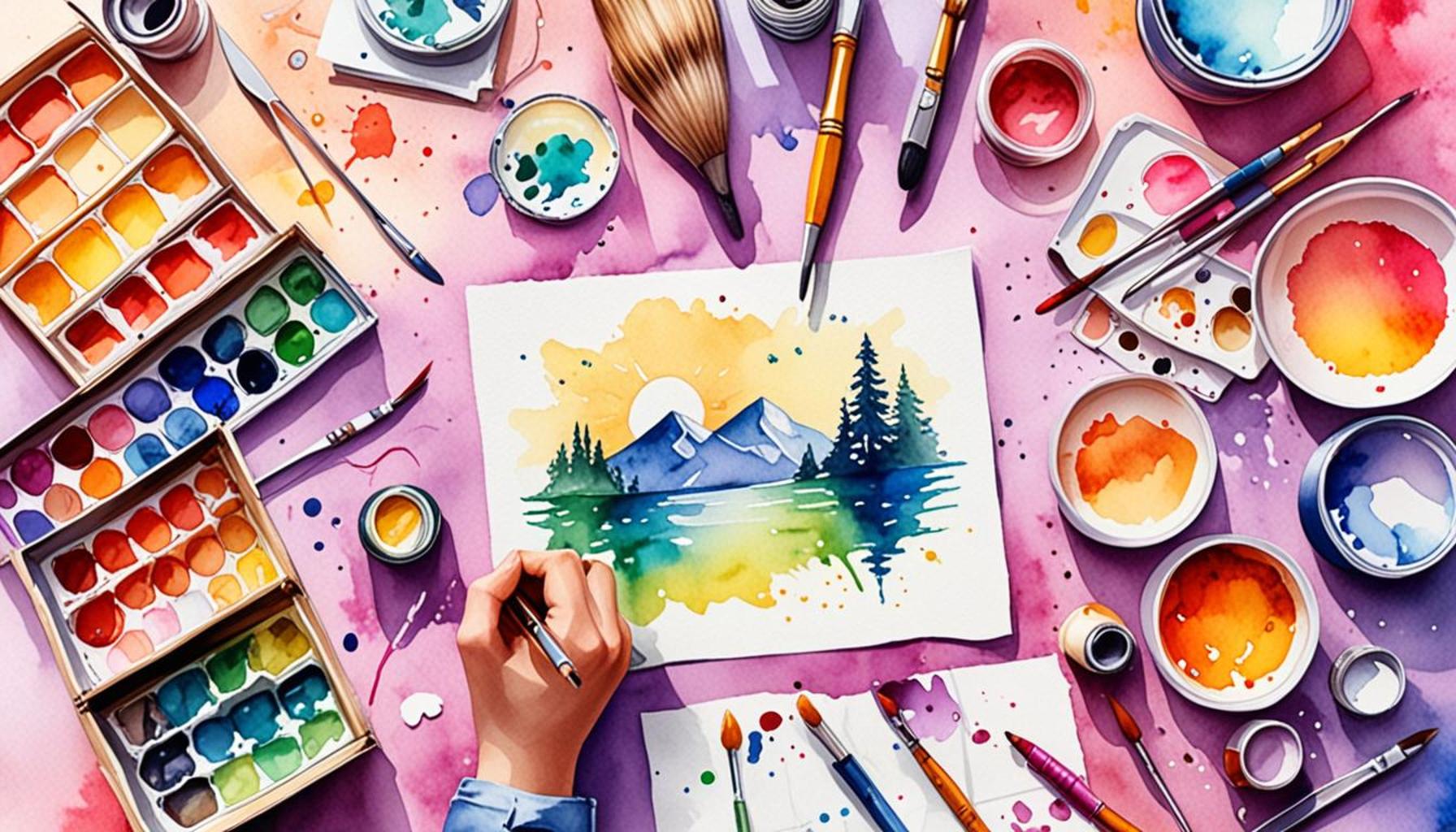
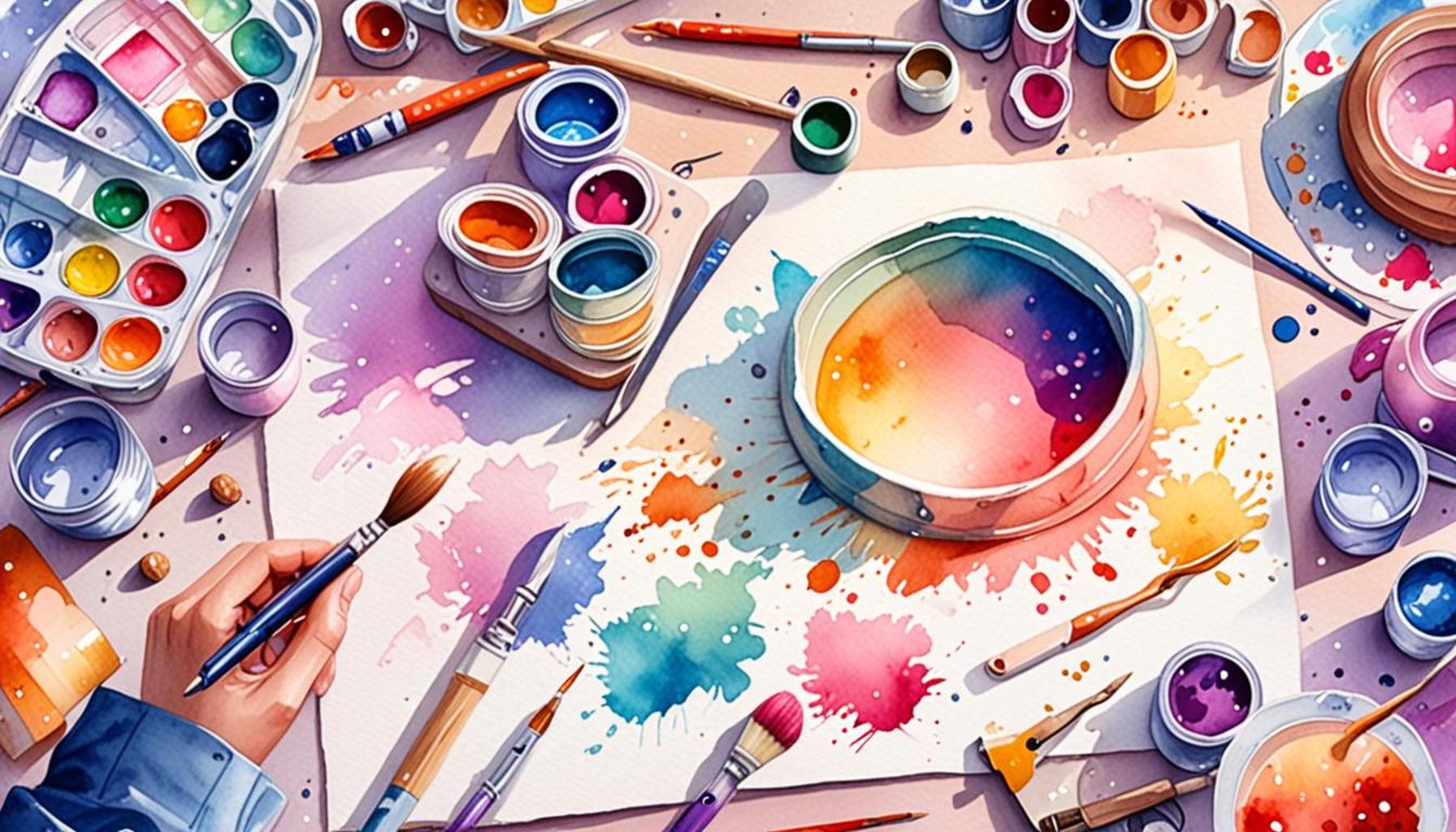
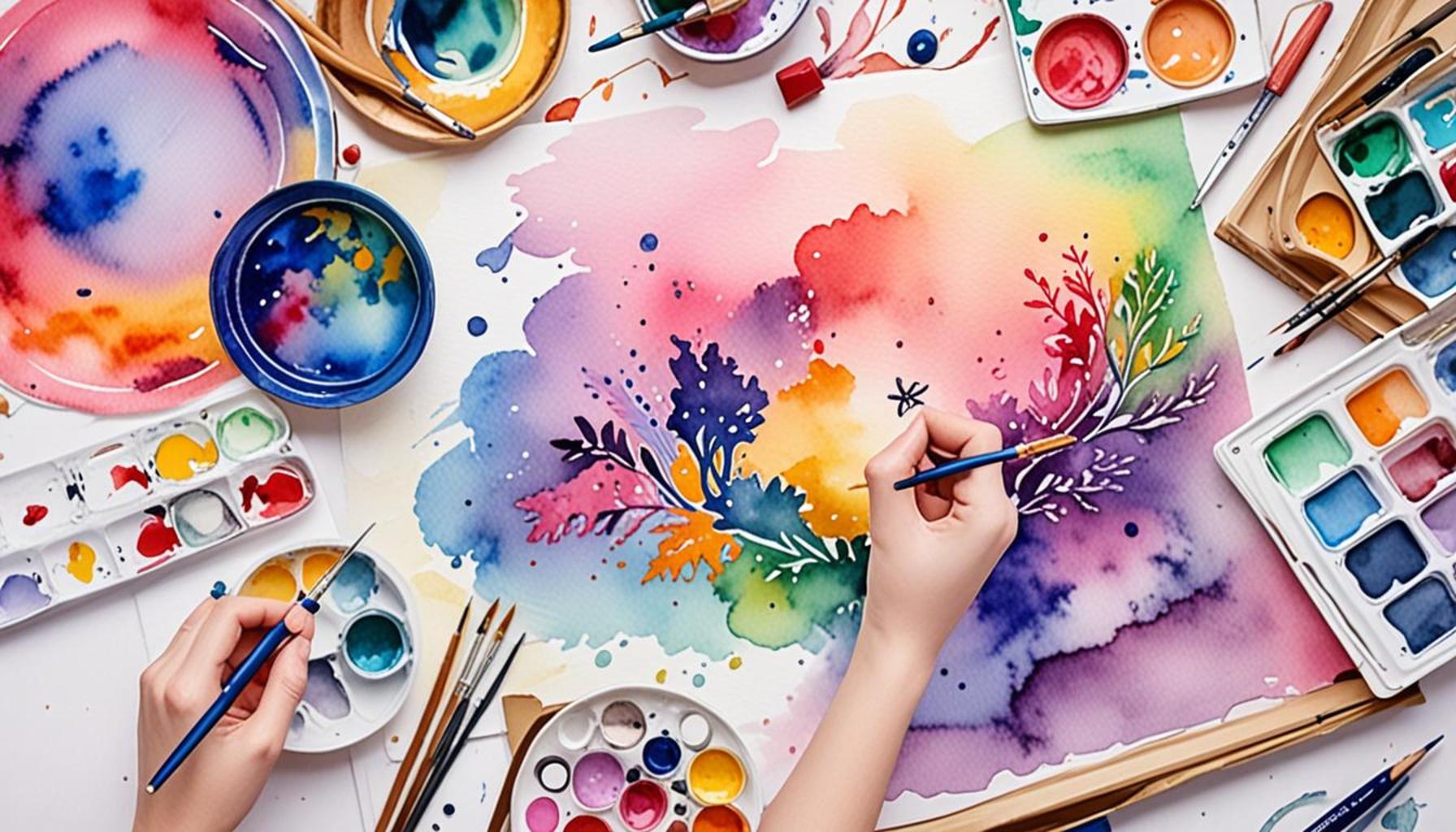
Similarly, painting opens up realms of creativity by allowing individuals to express emotions visually. The simple act of mixing colors and applying them to a canvas can provide an outlet for feelings that might be too complex for words. Art therapy, for example, has long been utilized in clinical settings to help clients process trauma and anxiety, showcasing the potential of visual arts as a healing tool. A recent study published in the Journal of Art Therapy highlighted that participants engaging in a 45-minute painting session reported significantly lower levels of anxiety afterward.
The Social Impact of Crafting Communities
Crafting can serve as a powerful social connector, creating bonds among individuals who share similar interests. Join a local crafting group or attend workshops where crafting sessions encourage collaboration and communication. This sense of community not only provides support but also enhances the crafting experience by allowing individuals to share techniques, struggles, and successes. Such interactions can be particularly beneficial for mental health, as they provide a sense of belonging, an essential counterweight to the isolation that stress can sometimes bring.
Online platforms like Pinterest and Instagram have further democratized crafting, enabling people to showcase their work, gather inspiration, and find each other based on mutual interests. Engaging with a wider community online also offers emotional reinforcement that can lift spirits and push individuals to continue honing their craft. The impact of virtual crafting communities cannot be underestimated, as they allow individuals to celebrate their creativity and receive positive feedback from peers, further enriching their crafting experience.
Integrating Crafting into Daily Routines
Finding time for creativity amid a busy schedule may seem daunting, but integrating crafting into daily routines can make a significant difference in stress levels. Setting aside even 15 minutes a day to engage in crafting can yield benefits. Whether it’s a small sewing project during a lunch break or sketching during the commute, those moments can serve as vital stress relievers. Creating a designated crafting space at home can encourage regular engagement in this therapeutic habit, transforming your environment into a sanctuary for creativity.
- Create a schedule: Try allocating specific days for specific crafts, allowing you to explore different mediums while managing stress effectively.
- Start small: If time is limited, consider mini-projects that can be completed quickly, such as making greeting cards or decorating plant pots, ensuring a sense of accomplishment without overwhelming your schedule.
- Practice alongside others: Invite friends or family to join, turning crafting into a weekly social occasion that adds layers of enjoyment and connection.
By actively incorporating crafting into your life, you can cultivate a rich source of stress relief that not only nurtures your mental health but also fuels your creative spirit.
DIVE DEEPER: Click here to discover more about artistic expressions
Conclusion
In a world increasingly dominated by digital interactions and fast-paced lifestyles, the art of crafting emerges as a refreshing antidote for stress and anxiety. By engaging in creative activities such as knitting, painting, or joining crafting communities, individuals can carve out moments of tranquility amid the chaos of daily life. The rhythmic motions of crafting not only provide a soothing escape but also foster emotional expression, making each brushstroke or stitch a step toward holistic well-being.
Moreover, the social aspects of crafting—whether through local groups or international networks—add a significant layer of support and enrichment. These communities create an environment where individuals can find inspiration, share ideas, and build connections, ultimately enhancing the therapeutic benefits of crafting. The evidence indicating that even short bursts of creative activity can lead to lower stress levels, as demonstrated in various studies, highlights the transformative power of this practice.
As we move forward, it is essential to recognize crafting not merely as a hobby but as a vital component of mental health care. Incorporating even small doses of creativity into our routines can cultivate resilience and promote relaxation. So, whether you are looking to pick up a new skill or reconnect with an old one, consider making room for crafting in your life. By doing so, you’re not just creating art; you’re also crafting a more serene and balanced existence.