
The Impact of Craft Skills on Early Childhood Education: Developing Creativity and Motor Coordination

The Impact of Crafting in Early Childhood Education
In early childhood education, engaging young learners through hands-on experiences is essential. One of the most influential methods of achieving this is through the integration of craft skills. Crafting serves as a dynamic catalyst for learning, allowing children to immerse themselves in various activities that not only stimulate their imagination but also foster critical developmental skills that will serve them throughout their lives.
One of the foremost advantages of crafting is the enhancement of creativity. Children are naturally imaginative, and crafting provides them with the platform to express this trait freely. For instance, a simple project like making paper plate masks encourages children to think outside the box—selecting colors and materials creates a world where their ideas come to life. This creative process not only boosts their artistic abilities but also instills confidence; as they see their visions emerge, they learn to value their innovative thoughts.
Furthermore, engaging in crafting activities cultivates fine motor coordination. Tasks such as cutting shapes with scissors, gluing pieces together, and painting require distinct hand movements that enhance hand-eye coordination. According to research, the development of fine motor skills is essential for later tasks such as writing and using tools. Children practicing these skills through crafting can improve their dexterity and control, which will be beneficial in a variety of academic and practical contexts.
Another significant benefit of crafting is its ability to promote problem-solving skills. When faced with challenges—such as figuring out how to make a three-dimensional structure from two-dimensional paper—children learn to brainstorm solutions and think critically. This process encourages cognitive growth, as they navigate obstacles, test hypotheses, and adapt their plans based on trial and error. Such experiences help children build resilience and persistence, valuable traits that underpin future learning and life experiences.
Empirical studies have shown that there is a direct correlation between craft activities and positive learning outcomes in children. For instance, educators who incorporate craft projects into their curriculum report enhanced engagement and improved performance among students. A study by the American Journal of Arts Education highlighted that children participating in regular craft activities scored higher in creative thinking assessments than those who did not.
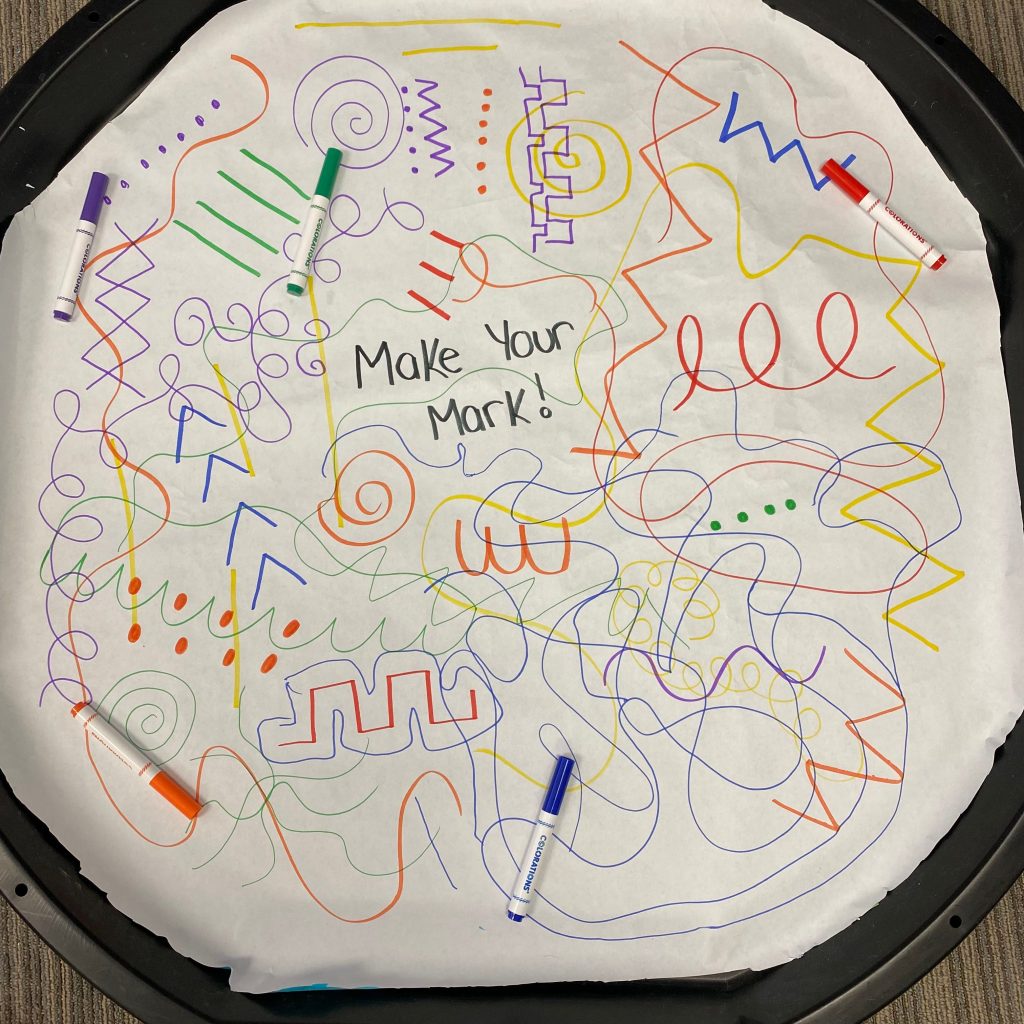
As our understanding of effective teaching methods deepens, the educational landscape is evolving to embrace hands-on learning approaches, such as crafting. Investigating how these skills impact motor coordination and creativity may reveal innovative strategies for educators looking to engage their students more effectively.
This exploration not only delves into the profound effects of crafting in early education but also reveals insights that could transform conventional teaching methods. By recognizing the importance of creativity and tactile experiences, educators can foster environments where children are encouraged to explore, engage, and grow. Join us as we unpack the vibrant world of crafting and its remarkable influence on children’s development, opening pathways toward a more enriched educational experience.
LEARN MORE: Click here to discover the benefits of crafting for mental health
Crafting as a Vehicle for Skill Development
In the realm of early childhood education, crafting is not merely a pastime; it is a powerful vehicle for skill development. Through hands-on crafting activities, children gain opportunities to learn and grow in ways that traditional methods of teaching may not always provide. Crafting encourages exploration, experimentation, and mastery of essential skills that contribute to overall developmental success. By fostering an environment rich in creative opportunities, educators can tap into children’s intrinsic motivation and curiosity.
The integration of crafting into educational frameworks not only nurtures creativity but also lays the foundation for improved motor coordination. Research indicates that early exposure to craft activities significantly enhances children’s fine motor skills, which are essential for everyday tasks like writing, drawing, and even self-care activities such as buttoning their shirts. When children manipulate materials—be it cutting, gluing, or shaping—they refine their hand movements and enhance their control. This progress is not just about accomplishing tasks; it translates into greater confidence and independence in various aspects of life.
Consider the following important benefits that crafting can bring to early childhood development:
- Enhanced Spatial Awareness: As children work with different shapes and materials, they develop their understanding of space and how objects relate to each other, which plays a vital role in their cognitive development.
- Increased Focus and Concentration: Engaging in detailed craft projects encourages children to concentrate on tasks for extended periods, helping them build their attention span.
- Encouragement of Personal Expression: Crafting allows children to convey their thoughts, emotions, and personalities through creative choices, which is vital for their social and emotional development.
- Collaboration and Social Skills: When crafting in groups, children learn to share resources, discuss ideas, and solve problems together, fostering teamwork and communication skills.
Moreover, educators are recognizing the tangible benefits of incorporating crafts into the curriculum as a method to enhance engagement. According to a survey published by the National Association for the Education of Young Children (NAEYC), teachers who regularly engage students in craft-based learning report not only increased enthusiasm but also improved retention of information. This positive correlation emphasizes the potency of hands-on learning as a way to stimulate children’s minds and hearts, leading to richer educational experiences.
As education adapts to the changing needs of children, the role of craft skills in early learning becomes increasingly relevant. By prioritizing crafting as an integral part of early childhood education, teachers can cultivate natural curiosity and support the development of crucial skills from a young age. By doing so, they are setting the stage for lifelong learning and creativity, which are invaluable in today’s ever-evolving world.
| Advantages | Significance |
|---|---|
| Enhanced Creative Expression | Craft skills allow children to explore different mediums and create original pieces, boosting their imagination and self-expression. |
| Improved Fine Motor Skills | Engaging in crafts helps develop dexterity and coordination through activities like cutting, painting, and assembling, which are crucial for hand-eye coordination. |
| Social Skills Development | Collaborative crafting activities encourage teamwork, sharing, and communication, fostering important interpersonal skills among young learners. |
| Boosted Confidence | Successfully completing craft projects can lead to a sense of accomplishment, increasing children’s self-esteem and encouraging them to take on new challenges. |
Craft skills not only serve as a fun pastime but are also essential in shaping young minds. Engaging in crafts during early childhood education provides a myriad of benefits that can significantly impact a child’s development trajectory. By incorporating activities that foster creativity and fine motor coordination, educators can create dynamic learning environments that not only captivate children’s attention but also nurture crucial skills for their growth.
DISCOVER MORE: Click here to delve into the positive effects of art on mental health
The Link Between Craft Skills and Cognitive Development
Beyond the immediate benefits of creativity and motor coordination, craft skills play a significant role in enhancing cognitive development during the critical years of early childhood education. Engaging in crafting activities offers children an enticing way to explore complex concepts such as cause and effect, problem-solving, and critical thinking.
When children embark on a crafting project, they inherently engage in a process of experimental learning. For instance, as they navigate through the various stages of creating a project—selecting materials, planning their designs, and overcoming challenges—they are employing cognitive skills that will serve them well throughout their educational journey. This does not go unnoticed by educators; many are now integrating STEAM (Science, Technology, Engineering, Arts, and Mathematics) concepts into craft-based projects, providing a well-rounded approach to skill development.
Research has shown that children involved in hands-on crafting not only enhance their fine motor skills but also show significant advancements in their ability to think abstractly and creatively. A study conducted by the University of California noted that children participating in arts and crafts demonstrated improved performance in cognitive assessments, particularly those requiring creative problem-solving and innovative thinking. This finding is particularly relevant to the cognitive demands children face as they transition into more structured learning environments
Moreover, crafting nurtures an understanding of materials and their properties. For example, when children work with clay, paper, or fabric, they begin to observe how different materials interact and transform. Such experiences foster scientific inquiry and can inspire future interests in fields like engineering and design, illustrating the multifaceted benefits of integrating crafts into early childhood curricula.
- Development of Critical Thinking: Through crafting activities, children learn to assess their work, evaluate the effectiveness of their methods, and make adjustments. This iterative process strengthens their reasoning skills.
- Boosting Memory Retention: Craft-based activities that require children to follow multi-step instructions have been shown to improve their ability to retain new information, thereby enhancing overall retention rates in academic settings.
- Encouragement of Innovation: Crafting fosters a mindset that embraces trial and error, allowing young creators to realize that mistakes can lead to unexpected and wonderful results, which is a key principle of innovation.
Additionally, the potential for crafting as a means of cultural education cannot be overlooked. Through arts and crafts, children can explore and express their cultural heritage and the world around them. This process not only promotes self-identity but also empathy, as children learn about diversity through the various crafting traditions across cultures. Activities such as making traditional crafts from different cultures allow children to appreciate the stories and history behind each craft, enriching their understanding of the global community.
As the field of early childhood education continues to evolve, recognizing the profound impact of craft skills on cognitive, emotional, and social development will remain critical. The innovative integration of crafting into education fosters a nurturing, stimulating atmosphere where children can express themselves authentically and develop essential skills that pave the way for future success.
DIVE DEEPER: Click here to uncover the influence of classic literature on modern writing
Conclusion
In wrapping up our exploration of craft skills and their impact on early childhood education, it is clear that these hands-on activities are not merely fun; they serve as vital tools for comprehensive development. By engaging in crafting, children unlock their creativity, hone their motor coordination, and foster critical cognitive skills essential for academic success. The hands-on nature of crafting promotes experimental learning, allowing children to enter a world of problem-solving and innovative thinking that they can draw upon in future educational endeavors.
What’s more, the incorporation of craft projects within the early learning environment facilitates a deeper understanding of materials and their properties, enhancing children’s scientific inquiry and potentially paving the way for future interests in fields such as engineering and design. As reported by various studies, the benefits extend beyond skills to include the nurturing of self-identity and cultural awareness through exploration of diverse crafting traditions, enriching children’s understanding of their global community.
As we move forward, it is imperative for educators and policymakers to recognize the multifaceted advantages of integrating crafts into early childhood curricula. By doing so, we create a vibrant learning atmosphere that encourages creativity, enhances motor skills, and builds a foundation for lifelong learning. The profound impact of craft skills on early childhood education is a testament to the power of creativity in shaping not just skilled learners but well-rounded individuals, ready to meet the challenges of tomorrow.