Therapeutic Crafts: The Role of Manual Skills in Emotional Recovery and Mental Health
Exploring the Healing Power of Hands-On Creativity
Crafting is not just a hobby; it can be a vital tool for emotional recovery and mental well-being. In recent years, therapeutic crafts have gained recognition for their ability to enhance mental health in various ways. This approach combines creativity with manual skills, allowing individuals to engage in activities that promote healing. The process of making something with one’s hands fosters a sense of accomplishment and can lead to heightened emotional stability.
Benefits of Therapeutic Crafts
- Stress Reduction: Engaging in crafts can lower cortisol levels and alleviate anxiety. Studies have shown that even simple tasks like coloring or weaving can significantly reduce stress. This is not only because the act of crafting distracts the mind but also because it can create a meditative state as the individual focuses on their creation.
- Increased Focus: Manual skills demand attention, helping to distract from negative thoughts. Activities such as knitting or painting require concentration, allowing individuals to immerse themselves fully in the present moment. This state of flow can promote mindfulness, which is beneficial for mental health.
- Emotional Expression: Crafts provide a safe outlet for emotions that might be difficult to verbalize. For instance, someone grieving a loss may find solace in creating a scrapbook filled with memories or in sculpting clay figures that represent their feelings. Art has long been celebrated for its ability to express what words cannot convey.
Crafting can take many forms, such as knitting, painting, or pottery. Each activity offers unique benefits, allowing individuals to explore their creativity while promoting emotional recovery. For example, pottery can be particularly therapeutic, as shaping clay with one’s hands provides a tactile experience that is both grounding and satisfying. In the United States, community workshops and art therapy sessions have become increasingly popular, attracting individuals looking for both a creative outlet and a means of healing. As mental health awareness continues to grow, the impact of manual skills on well-being cannot be overlooked.
Why It Matters
Integrating therapeutic crafts into mental health practices can bridge the gap between traditional therapy and alternative approaches. As more people seek accessible ways to improve their emotional resilience, the role of craft-based therapy is poised to become increasingly significant. Programs that combine art therapy with conventional therapeutic techniques have shown promising results, particularly in settings like schools or community centers. Understanding these connections invites further exploration into how crafting can enhance mental health for diverse populations. Furthermore, considering the growing interest in mental wellness, individuals might explore local crafting groups or classes that can foster both creativity and community support.
DISCOVER MORE: Click here to delve deeper
The Transformative Journey Through Crafting
Throughout history, the act of creating has been linked to healing, and today, therapeutic crafts are emerging as a prominent method for fostering emotional recovery and enhancing mental health. Engaging in manual skills not only allows individuals to express their creativity but also aids in the development of resilience and self-awareness. Crafting is an inherently personal journey; it can serve as a mirror reflecting internal struggles, aspirations, and triumphs.
Understanding the Psychological Impact
The psychological benefits of engaging in therapeutic crafts extend far beyond just enjoyment. Research indicates that these activities can significantly improve emotional and psychological well-being. Here are some key psychological impacts associated with manual crafting:
- Enhanced Emotional Regulation: Crafting allows individuals to process their emotions in a structured way. The process of creating something tangible can help in managing feelings, providing an outlet that can lead to greater emotional stability.
- Boosted Self-Esteem: Completing a craft project can boost self-confidence. When individuals create something with their own hands, they experience a sense of achievement that can uplift their mood and empower them.
- Social Connectivity: Crafting often involves community, whether through classes, workshops, or online forums. This sense of connection can counter feelings of isolation and promote mental well-being by providing a support network.
Manual skills like sewing, painting, or woodworking require focus, which can pull attention away from negative thoughts. When individuals engage deeply in these activities, they enter a state of flow, making it easier to forget stressors and just be in the moment. In America, art therapy programs have increasingly started incorporating various crafts to assist people struggling with mental health issues, demonstrating the powerful intersection between creativity and therapeutic value.
Crafting and Neuroplasticity
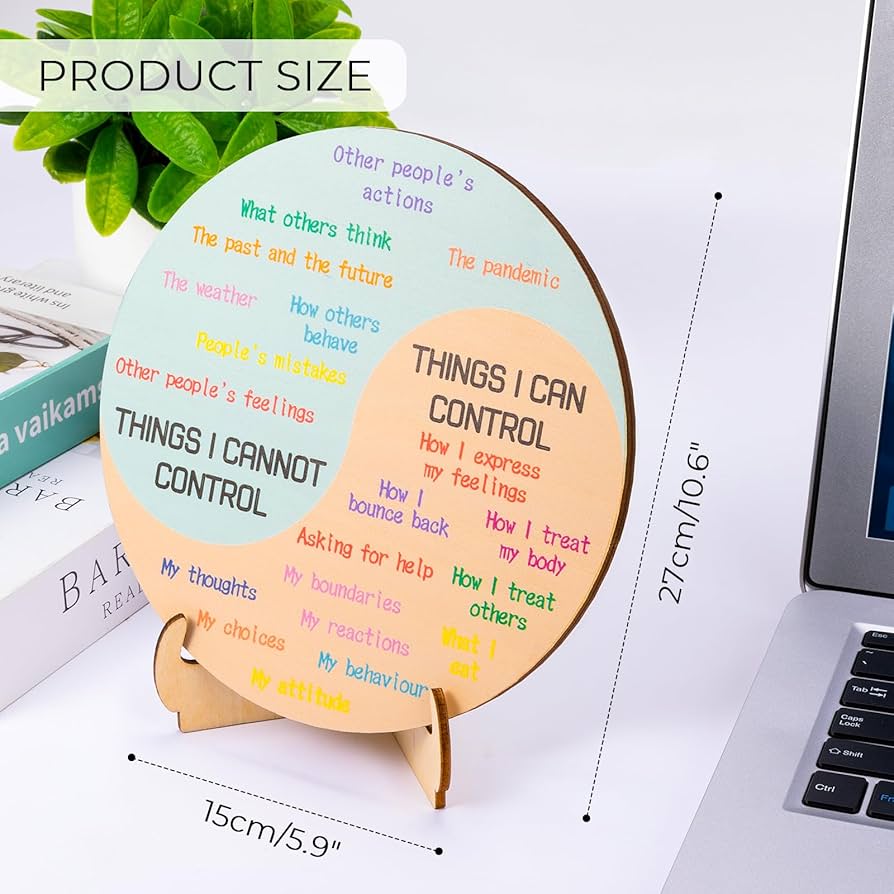
Intriguingly, crafting might even influence brain chemistry. Participating in creative activities can lead to the release of dopamine, often referred to as the “feel-good” neurotransmitter. This physiological response suggests that engaging in therapeutic crafts can serve as a natural way to combat anxiety and depression. The implications of this are significant, particularly for individuals seeking non-pharmaceutical interventions for mental health challenges. With a growing emphasis on holistic health approaches, therapeutic crafting presents an attractive alternative for individuals looking to improve their mental health.
Moreover, schools across the United States are beginning to recognize the value of incorporating crafts into their curricula to promote emotional resilience and social skills among students. Schools that offer art and craft programs not only foster creativity but also provide tools for students to cope with the pressures of academics and social dynamics. As society continues to acknowledge the importance of mental health, the role of manual skills in recovery through crafting stands as a beacon of hope for many. With its numerous benefits resonating across various age groups and backgrounds, therapeutic crafting is indeed a profound gateway to emotional recovery and mental well-being.
| Advantage | Impact on Mental Health |
|---|---|
| Enhanced Creativity | Engaging in crafts stimulates the brain and can enhance problem-solving skills, which is vital for emotional resilience. |
| Mindfulness Practice | Crafting encourages being present in the moment, reducing anxiety and promoting a state of calm. |
| Sense of Accomplishment | Completing a craft project can boost self-esteem and provide an enormous sense of achievement. |
| Social Connection | Participating in group crafts fosters relationships, decreasing feelings of isolation and loneliness. |
The therapeutic potential of manual skills extends beyond just the physical creation; it serves as a powerful vehicle for emotional recovery. The combination of creativity, mindfulness, and a keen sense of accomplishment plays a crucial role in mental health. Engaging in crafts encourages individuals to tap into their creativity, which has been shown to enhance cognitive function. When individuals create tangible results, their self-esteem and overall well-being improve significantly.Moreover, the aspect of mindfulness in crafts allows participants to focus solely on the task at hand, serving as a welcome distraction from daily stressors. Consequently, this practice can lead to a state of calm, reducing anxiety levels and fostering emotional stability. Additionally, crafts can unite people, creating a social network that supports emotional healing and reinforces a sense of belonging. Exploring these dimensions of therapeutic crafts reveals a rich landscape of opportunity for personal growth and profound healing.
DISCOVER MORE: Click here to dive deeper
Building Community Through Crafting
In addition to its psychological impacts, therapeutic crafts serve as a powerful vehicle for community building. Shared interests in various crafts often lead to the formation of supportive networks, enriching individuals’ social experiences and helping to combat feelings of loneliness. Craft circles, workshops, and community art classes provide opportunities for people to collaborate, share ideas, and offer encouragement.
Community-Based Initiatives
Various organizations across the United States are actively promoting the healing power of crafting through community-driven initiatives. For instance, programs like Project Knitwell teach knitting and crocheting to those in hospitals or rehabilitation facilities. These activities not only produce tangible outcomes but also create spaces for individuals to bond over shared experiences, effectively diminishing the barriers to emotional expression.
Moreover, local community centers often host crafting sessions focused on topics like mental health awareness, where participants can explore creative outlets while discussing emotional struggles in a safe and open environment. Such initiatives not only nurture artistic talents but also foster a sense of belonging. Participants report feeling more connected to their community and more equipped to manage their mental health challenges.
The Influence of Digital Crafting Communities
The rise of social media has seen the emergence of digital crafting communities that provide an innovative outlet for emotional connection. Platforms like Instagram and Pinterest have allowed crafters to showcase their work, share tutorials, and support one another from afar. The hashtag movement, including #Craftivism and #MentalHealthAwareness, highlights how individuals are combining crafting with activism to raise awareness about mental health issues.
Interestingly, studies indicate that social engagement through these online platforms can create a sense of accountability, motivating crafters to stick with projects and share their progress. This can have a profound impact on mental health, as the positive feedback and validation from peers can counter negative self-perceptions and enhance overall self-worth.
Crafting as an Intergenerational Connector
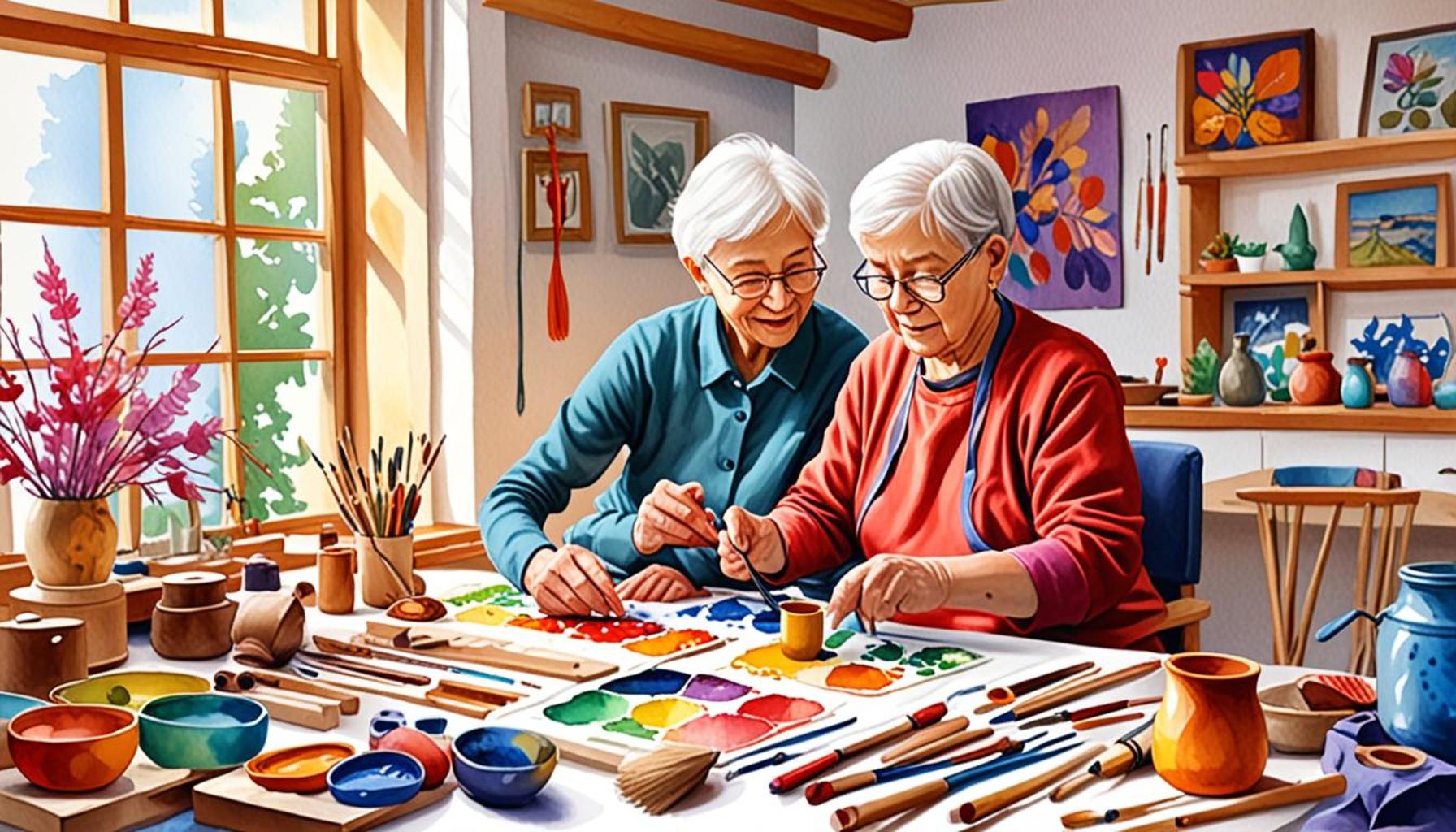
Therapeutic crafts also have the power to bridge generational gaps, providing a shared space for individuals of all ages to learn from each other. Many community programs are designed to bring together seniors and younger generations for crafting activities, which not only teach traditional skills but also promote the exchange of experiences and wisdom. This intergenerational interaction fosters a deeper sense of understanding, empathy, and connection, which can improve mental health for both groups.
Engaging in crafts like quilting or woodworking can be particularly impactful, as these activities often have rich histories and cultural significance that can enhance storytelling and collaboration. By sharing techniques and personal narratives, participants often find themselves not just creating art but forging meaningful connections that contribute to emotional resilience.
As therapeutic crafts continue to gain recognition in mental health circles, many experts advocate for their integration into traditional therapeutic settings. Not only do these projects enhance clinical approaches to mental health, but they also celebrate the inherent creativity within human beings, offering paths toward healing and connection that are accessible to everyone. Whether it be through community workshops, online groups, or intergenerational activities, the role of manual skills within therapeutic crafts stands as a testament to the power of creativity in emotional recovery and mental well-being.
DISCOVER MORE: Click here to delve into journaling’s benefits
Conclusion
In summary, the transformative potential of therapeutic crafts elucidates the profound connection between manual skills and emotional recovery. Engaging in creative activities not only provides an outlet for self-expression but also forms a critical foundation for personal healing. By fostering mindfulness and enhancing emotional resilience, therapeutic crafts ultimately empower individuals to navigate their mental health challenges with greater confidence.
The impact of crafting extends beyond personal benefits; it cultivates vibrant communities where individuals can bond over shared experiences and navigate their challenges together. Programs and initiatives dedicated to knitting, painting, and other crafts exemplify how group engagement can combat loneliness, build supportive networks, and create inclusive environments for mental well-being. Additionally, the influence of digital platforms further enhances this outreach, allowing crafters to connect and inspire one another on a global scale.
As we continue to recognize the significance of creativity in the field of mental health, it is imperative to consider the integration of therapeutic crafts in various therapeutic settings. Innovation within traditional approaches will not only serve to enrich individual journeys toward emotional recovery but also celebrate the universal, healing power of shared human experiences. Ultimately, therapeutic crafts illuminate pathways to healing that are both accessible and essential, urging us all to embrace the creative potential within ourselves.