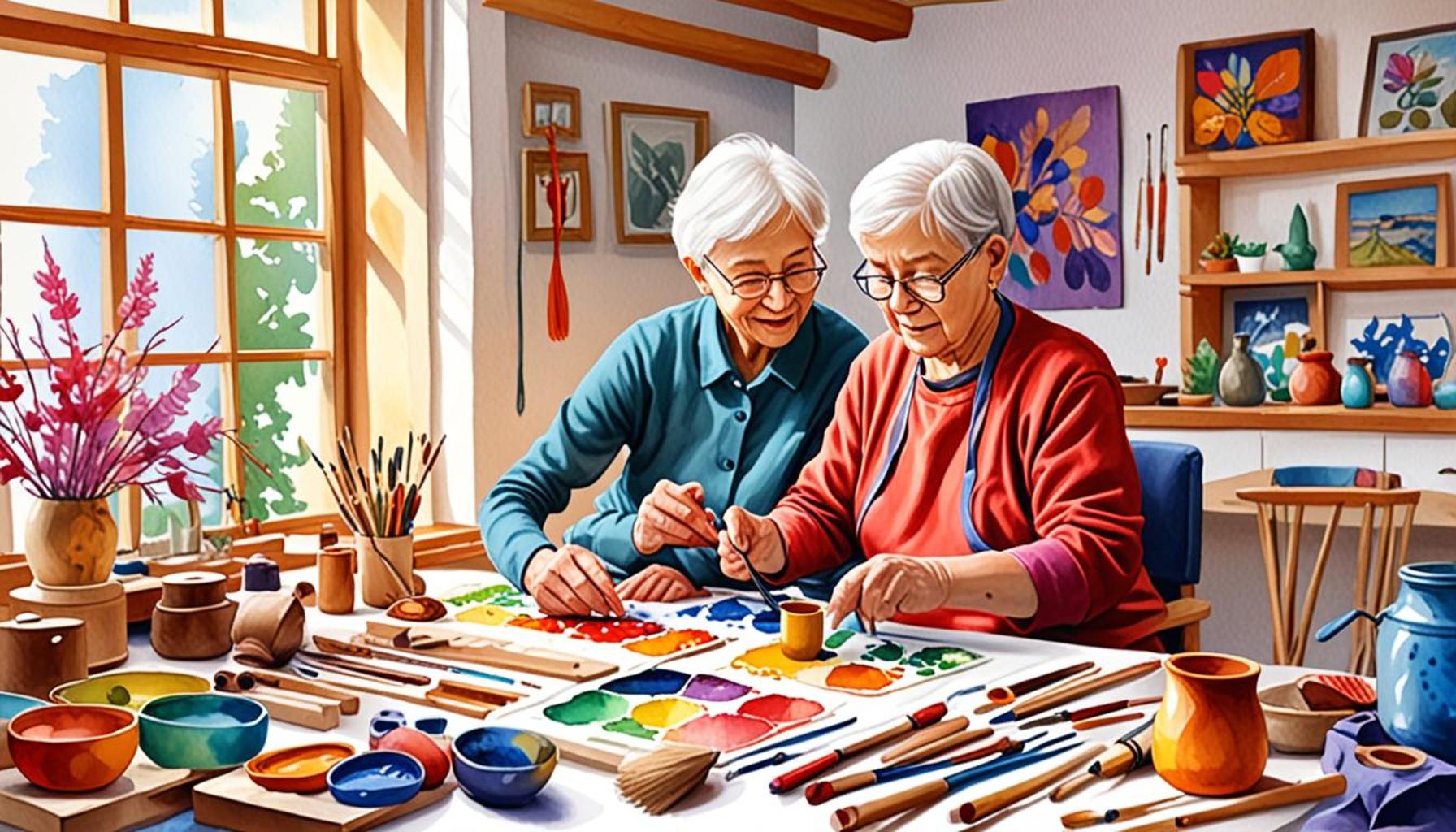
The Role of Craft Skills in Preserving Family Traditions: Passing Knowledge Between Generations
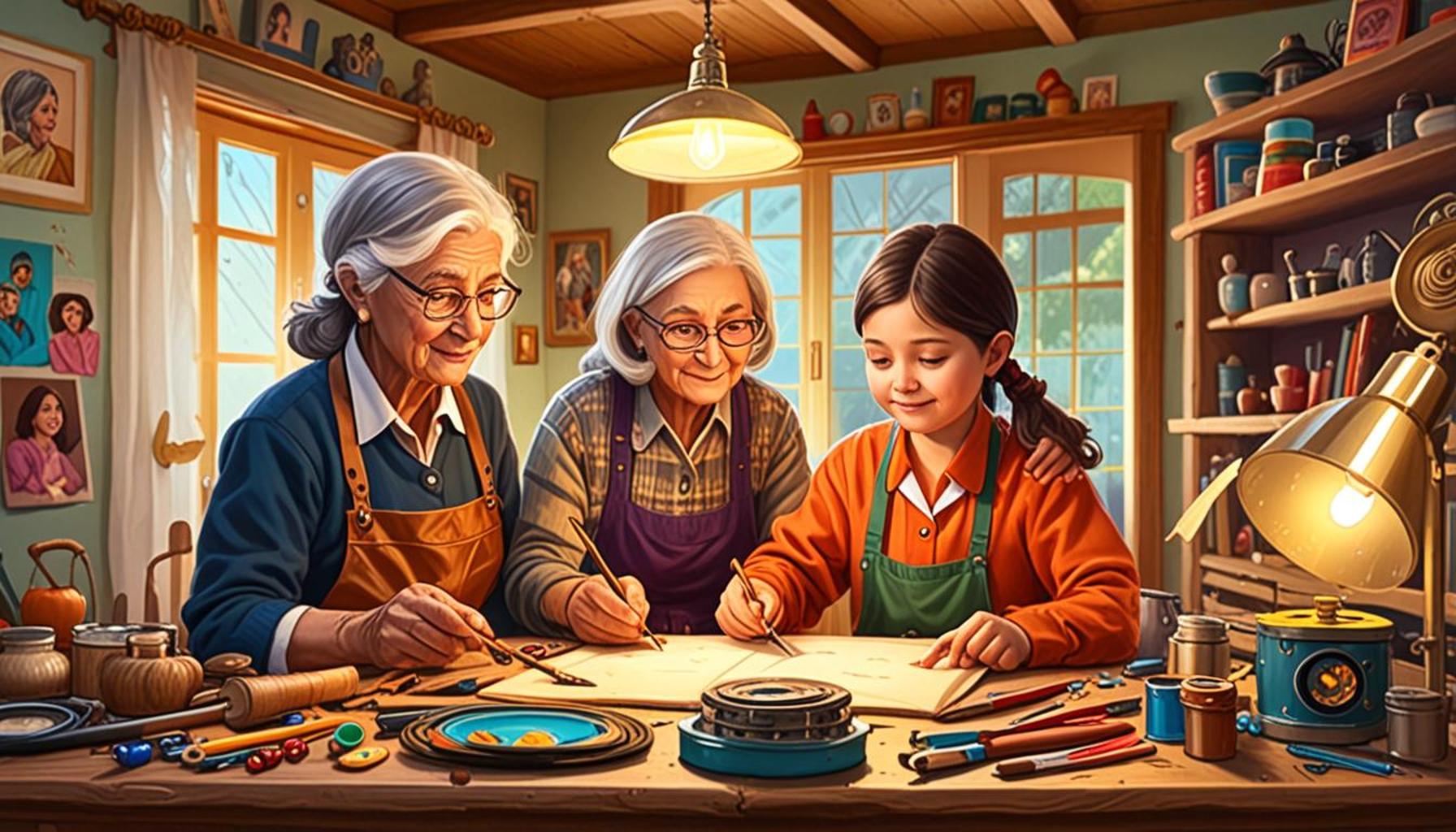
The Importance of Craft Skills in Family Traditions
In an era dominated by rapid technological advancement, the heritage of craft skills stands as a vital link to our past. These skills are not merely tools for creation but profound ways of preserving family traditions. They serve as vessels for knowledge, memories, and cultural values, intricately woven into the fabric of daily life. Through crafting, families can create lasting mementos that carry with them stories of ancestry and heritage.
Consider the following craft skills that embody this legacy:
- Quilting: This age-old practice is often a communal activity where family stories and history are stitched into every pattern. Many quilts are made from fabric scraps that hold sentimental value, perhaps repurposing clothing worn by beloved family members. Each patch can tell a tale — be it a grandparent’s wedding gown transformed into a cherished blanket or a child’s favorite shirt turned into a cozy throw. Quilting bees often serve as a social gathering, encouraging dialogue and bonding among family members.
- Culinary arts: Family recipes passed down through generations represent unique heritage and flavors that go beyond mere sustenance. For instance, your grandmother’s signature apple pie can evoke memories of family gatherings around a holiday dinner table, filled with laughter and the warmth of loved ones. Cooking together allows family members to share techniques and culinary stories, resulting in a flavorful legacy that makes every meal a celebration of heritage.
- Woodworking: Crafting items from wood can hold exceptional sentimental value. Consider a handmade rocking chair crafted by a grandfather, which not only serves its function but also becomes a cherished heirloom. These handcrafted items frequently find their way into family rituals, such as a cradle built for a newborn or a custom bookshelf where generations of family stories are stored. Each piece carries the essence of the maker and the memories of its use.
The act of passing these skills from parent to child not only fosters creativity but also strengthens familial bonds. Each project becomes an opportunity to share stories, teach patience, and build connections. Research indicates that engaging in crafts can lead to stronger family ties, enhancing communication and emotional support. Crafting is not merely about the end product; it is also about the collaborative process and shared experiences that deepen relationships.
As we explore the role of craft skills further, it becomes clear that these traditions do more than preserve history; they shape our identities and inspire future generations. Craft skills encourage a deeper understanding of one’s roots and provide a sense of belonging and pride. The values embedded in these crafts — patience, attentiveness, creativity — can be instilled in children, equipping them with essential life skills.
Join us as we delve deeper into how these skills serve as a bridge between the past and present, uncovering the enriching experience of crafting family traditions. By embracing these time-honored practices, we not only honor our ancestors but also create a legacy that future generations will cherish, thereby ensuring that the essence of our heritage continues to thrive in an ever-evolving world.

DIVE DEEPER: Click here to learn more
The Intergenerational Exchange of Craft Skills
The transfer of craft skills from one generation to the next is not just a means of preserving tangible traditions; it is an essential method for strengthening family identity and connectivity. These shared experiences provide a unique platform for storytelling, enabling families to narrate their histories through the tactile art of crafting. When grandparents teach their grandchildren to knit or sew, they are not just imparting technical skills; they are also sharing memories, family lore, and life lessons encapsulated in each stitch.
Moreover, the act of creating with one’s hands offers a deeply personal connection to heritage that can be lost in digital environments. The tactile nature of crafts, whether it be spinning yarn, carving wood, or baking bread, ignites a sensory experience that binds generations together. Younger generations find themselves not just as spectators, but as active participants in a lineage that values craftsmanship and creativity.
Engaging in craft skills fosters a sense of community within families. Consider the following examples:
- Flower Arranging: This could be a beloved family tradition on special occasions or holidays when multiple generations come together to create stunning arrangements. The creative process encompasses teaching floral design techniques while reminiscing about significant events celebrated around these floral masterpieces.
- Pottery Making: A family may establish a ritual of making pottery each summer. This not only serves as a creative outlet but also as a medium to discuss life lessons, such as the importance of patience as one shapes clay into beautiful forms. Each piece made can be a reminder of family gatherings, infused with laughter and collaborative spirit.
- Embroidery: Perhaps an aunt or cousin possesses the skill of intricate embroidery, passing down techniques while sharing stories about family outings or traditions tied to specific patterns. Embellishing clothing items with these artistic designs allows each generation to wear a piece of history, blending fashion with identity.
In the modern world, where screen time reigns and hobbies often take a backseat to technology, reviving these crafting traditions serves a critical purpose in family dynamics. Studies have shown that shared activities such as crafting not only enhance interpersonal relationships but also provide a meaningful outlet for emotional expression. They offer opportunities for teaching resilience, as mistakes become part of the creative journey rather than setbacks, nurturing a mindset for overcoming challenges.
As we continue our examination of craft skills within family traditions, it becomes evident that these activities serve as more than just creative outlets. They embody a legacy of values and skills, fortifying family bonds and ensuring that the richness of one’s cultural heritage is not merely remembered but actively lived. The act of crafting, therefore, transcends generations, embedding timeless wisdom and memories that will reverberate through future family gatherings.
As the world becomes increasingly digitized, the importance of preserving traditional craft skills cannot be overstated. These skills represent not only a link to our cultural heritage but also a conduit for sharing stories, values, and identities across generations. Engaging in traditional crafts fosters a sense of community, encouraging individuals to collaborate and pass down knowledge through hands-on experience. The act of crafting itself can be a profound learning experience, infusing younger generations with a sense of pride and achievement as they master techniques that have been used for centuries.Moreover, craft skills often incorporate local materials and techniques specific to a region, making them essential in the fight against the homogenization of culture. Families who engage in crafting together create an intimate learning environment where children absorb not only the craft itself but also the familial stories and values entwined within these practices. This dynamic not only strengthens family ties but also revitalizes the relevance of these traditions in an ever-evolving world.Equipped with craft skills, young people can contribute to their communities through local markets, art shows, and exhibitions, effectively transforming heritage into a sustainable source of income. Initiatives that promote intergenerational workshops have become increasingly popular, encouraging elders to share their ancestral knowledge while instilling respect for tradition in younger generations. As they explore their roots through crafting, practitioners also discover a sense of place and belonging, which goes beyond mere nostalgia.Curiosity-driven learning is instrumental in this process. By asking questions and engaging directly in the craft, young people become active participants in the preservation of their family’s history. This exploration can lead to innovation, where traditional practices evolve into contemporary forms, ensuring their relevance and sustaining interest. Thus, the role of craft skills is a vital thread woven into the fabric of family traditions, bridging the past with the future in enriching and meaningful ways.
DISCOVER MORE: Click here to learn how to turn your passion into a profession
The Impact of Craft Skills on Family Values and Resilience
The revival and practice of craft skills serve not only to bridge generations but also significantly enhance family values and promote resilience. These skills encourage families to uphold traditions that foster cooperation, patience, and responsibility. When children engage in activities like quilting or woodworking, they learn more than just the techniques required; they acquire lessons in teamwork and the significance of working together towards a common goal. For instance, a family quilting bee transforms into a gathering where not only fabric is stitched, but also relationships are strengthened through shared laughter and stories.
Moreover, craft skills can be instrumental in developing problem-solving abilities. The act of creating a tangible object from raw materials often presents challenges that require critical thinking to overcome. For instance, a child learning to knit may face difficulties in maintaining consistent tension in their stitches. In overcoming such obstacles with the guidance of a seasoned relative, they not only refine their craft but also cultivate a sense of perseverance—a skill that transcends crafting and applies to various life situations.
Furthermore, these craft practices significantly contribute to a family’s emotional well-being. Engaging in hands-on activities has been shown to lower stress levels and boost mental health. A study from the American Journal of Public Health indicated that creative activities can trigger endorphin release, providing a natural remedy to combat anxiety. This is particularly poignant during times of family stress or hardship. During such moments, coming together to create—be it baking cookies or refurbishing furniture—provides comfort and reinforces bonds, creating a safe space for expressing feelings and vulnerability.
Consider the example of homemade preserves or family recipes often passed down through generations. The process of canning fruits during harvest not only teaches food preservation techniques but also serves as a culinary narrative. A grandparent teaching a grandchild how to make their famous apple pie becomes a lesson in patience, as it involves waiting for ingredients to meld together and the pie to bake. Each kitchen session will echo with stories of family gatherings, creating a rich tapestry of tradition that is tasted through flavors and felt through memories.
Moreover, the ability to create one’s own items fosters a sense of self-reliance that can be empowering for younger generations. In an era plagued by consumerism, knitter’s circles or DIY woodworking projects inspire children to explore creativity instead of defaulting to store-bought solutions. As families embark on crafting projects, they discover the joy of making gifts for one another, reinforcing values of generosity and thoughtfulness.
In this context, crafting acts as a facilitator of cultural transmission. As individuals learn to weave, paint, or forge, they are also participating in a living history—one that educates them about their cultural heritage while instilling a sense of pride in their family’s legacy. This might include learning traditional African American quilt patterns or Native American weaving techniques, linking individuals to their roots while ensuring that these art forms remain relevant and appreciated.
The enduring impact of craft skills extends beyond the physical realm; they contribute significantly to the emotional fabric of families and communities. Every skill and project serves not only to preserve family traditions but also to fortify the values, resilience, and emotional health of all involved. The crafting table becomes a metaphorical bridge across generations, ensuring that the essence of family heritage continues to thrive in unison with the evolving narrative of society.
DIVE DEEPER: Click here to uncover magic crafting tips
Conclusion: The Lasting Legacy of Craft Skills
In summary, the importance of craft skills in preserving family traditions cannot be overstated. These skills serve as invaluable tools for fostering connections between generations while enriching family values, resilience, and overall well-being. Engaging in crafting activities cultivates not only practical abilities but also essential life lessons such as teamwork, patience, and problem-solving. The experiences shared between family members during these creative endeavors have the power to weave together a lasting legacy of love and understanding.
As families gather to partake in crafts that reflect their heritage—whether it involves sewing heirloom quilts, canning homemade jams, or constructing furniture—they create a narrative steeped in tradition. Each project becomes a vessel for storytelling, a way to pass down the essence of their culture while instilling a sense of pride in their familial roots. In an age dominated by rapid consumerism and digital distractions, crafting encourages a return to handmade values and self-reliance, reinforcing the notion that what is created with care and affection carries far greater significance than mass-produced items.
Ultimately, embracing these craft skills not only solidifies familial bonds but also presents an opportunity for emotional healing and growth. The crafting space becomes a sanctuary where memories are made, lessons are learned, and loved ones find solace. As we engage in these traditions, we ensure that the artistry of our ancestors continues to thrive, creating a rich tapestry of shared experiences that will be cherished for generations to come. Through this commitment to passing knowledge between generations, the fabric of family life remains strong, vibrant, and ever-evolving.