Intergenerational Crafts: Promoting Interaction Between Youth and the Elderly Through Handmade Activities
Connecting Generations Through Creative Expression
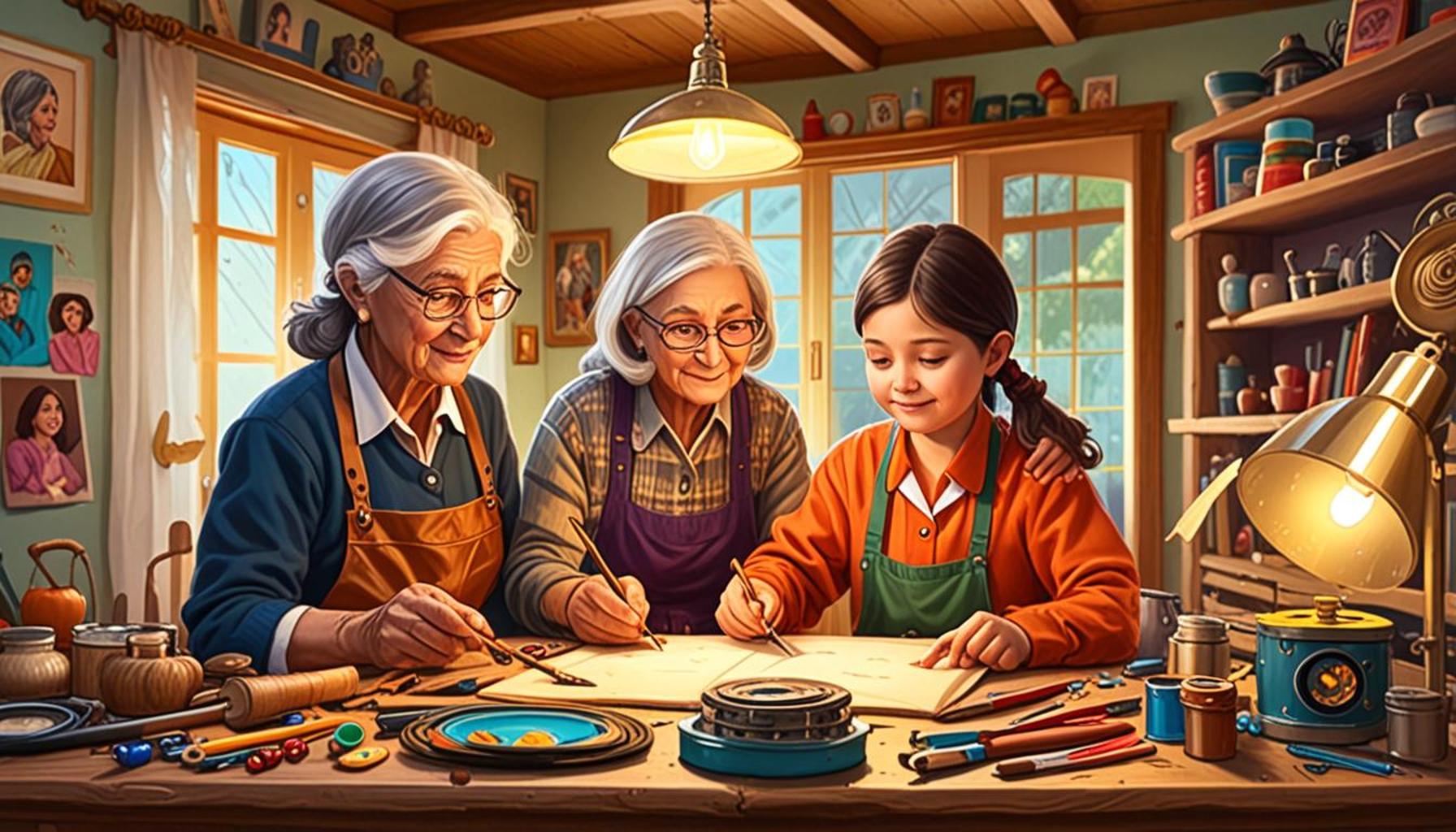
In an increasingly technologically driven society, where screens often dominate communication, intergenerational crafts emerge as a transformative pathway to reinforce connections among individuals of different ages. Engaging in these creative activities allows the younger and older generations to bridge social divides, fostering unity, understanding, and shared purpose.
Handmade activities can serve as more than just a hobby; they create rich avenues for storytelling and sharing life experiences, enhancing relationships through tactile engagement. For instance, crafting experiences such as:
- Knitting or Crocheting: These skills, often passed down from grandmothers to grandchildren, not only build a sense of continuity but also foster intimate conversations about family histories, traditions, and values.
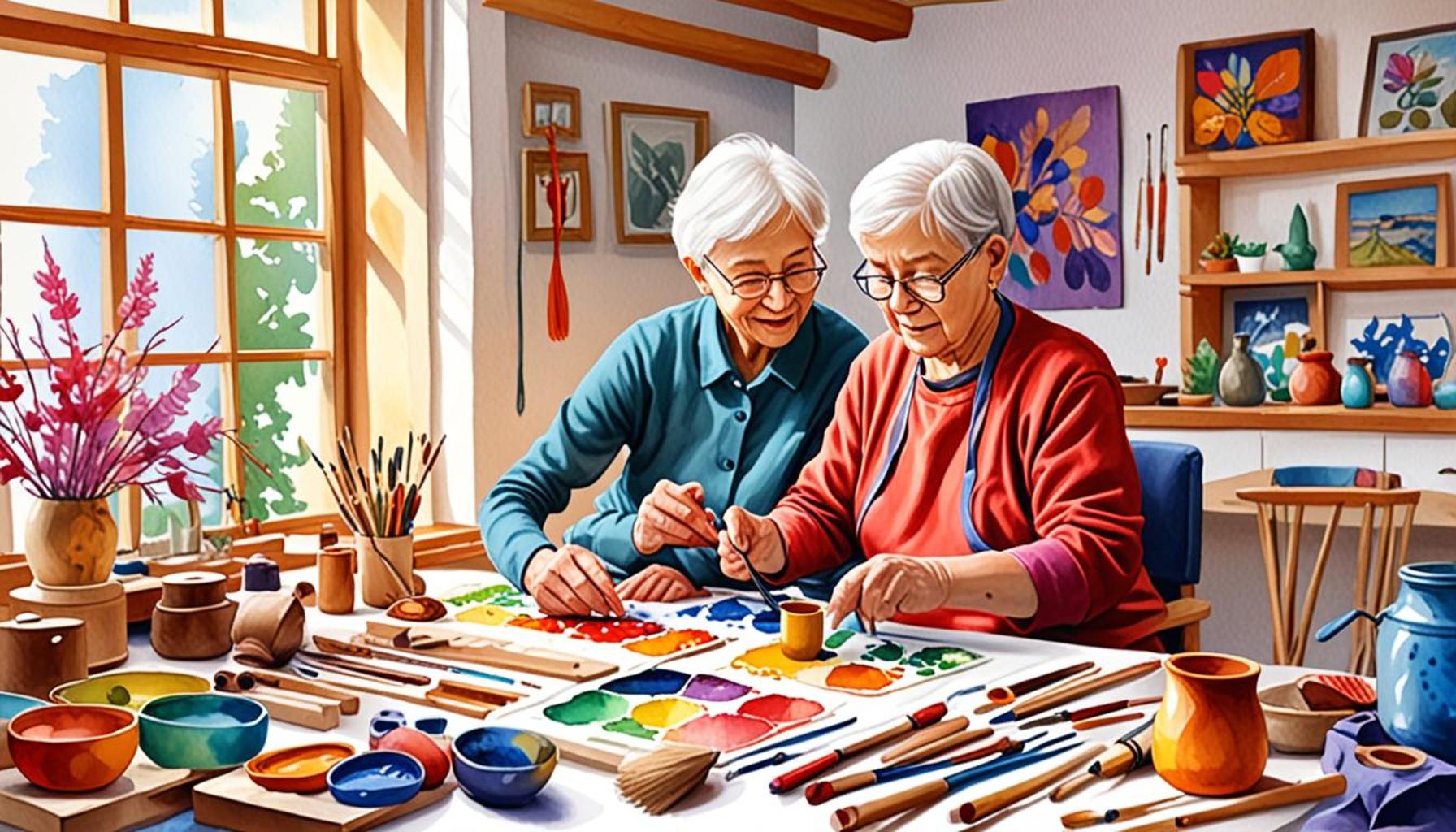
- Painting: Working on collaborative art projects can amplify creativity and enable both age groups to express their emotions visually. Paint-and-sip events designed for families can lead to shared laughter and newfound artistic skills.
- Woodworking: The process of building a simple birdhouse or a family picnic table teaches teamwork and patience. Crafting a project together not only solidifies the bond but provides a sense of accomplishment when the finished product is displayed.
- Quilting: This intricate craft often tells powerful family stories through various fabric pieces. Each square can represent a memory, creating a quilt that is not only functional but also a cherished family heirloom.
Each crafting session often reveals profound benefits for both the elderly and youth, such as enhanced communication skills and improved emotional well-being. Studies indicate that participating in handmade activities can significantly diminish feelings of loneliness among seniors, while younger participants gain a sense of pride and achievement.
Furthermore, these shared creative experiences can have extraordinary effects on mental health. They allow participants to cultivate mindfulness and focus, which are instrumental in alleviating stress and anxiety. For example, group crafting sessions have been linked to improved mood and cognitive function among the elderly, while instilling confidence in younger generations through skill acquisition and collaboration.
Delving into the realm of intergenerational crafts uncovers the immense impact these activities have on strengthening family relationships, imparting newfound skills, and boosting overall community spirit. The act of coming together to create allows both young and old to thrive in a shared creative space, ultimately building bridges of understanding that can transform lives.
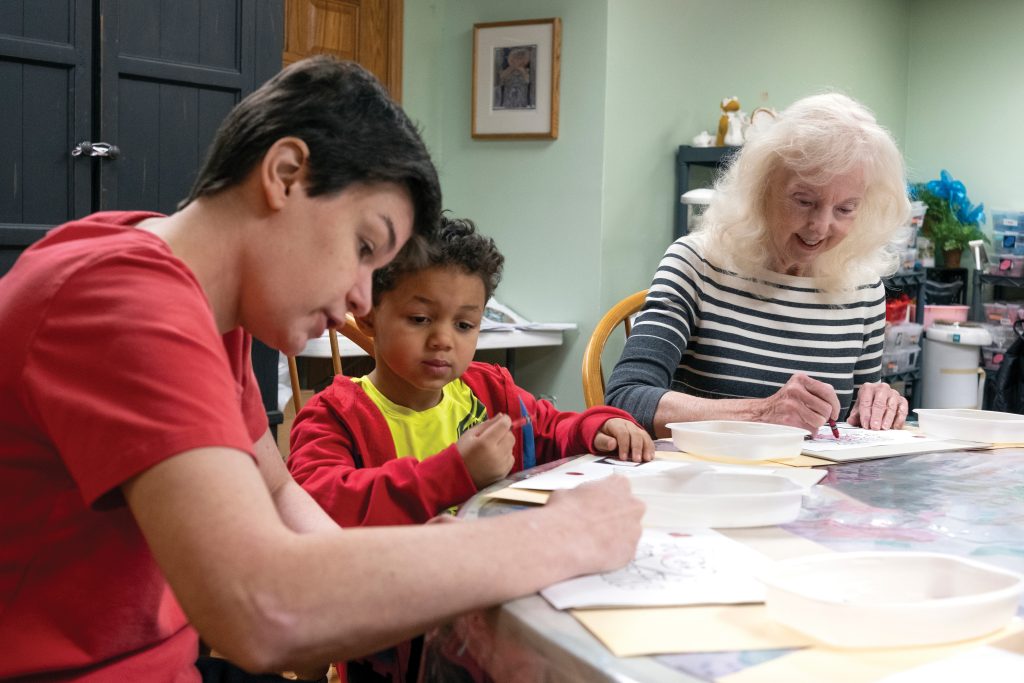
As crafting enthusiasts across the United States continue to explore and expand upon these intergenerational opportunities, the potential for connection and companionship grows exponentially. This vibrant world of creativity invites everyone to take part in a journey of discovery, collaboration, and emotional enrichment.
DISCOVER MORE: Click here to uncover the calming power of creativity
The Multifaceted Benefits of Intergenerational Crafting
Delving deeper into the significance of intergenerational crafts, the unique benefits they generate extend far beyond the mere satisfaction of completing a project. These hands-on activities create a tapestry of experiences that foster connection and understanding, knitting together the fabric of familial ties and community bonds.
Social interaction is one of the most notable advantages of engaging in handmade crafts across generations. For youth, who often find themselves wrapped up in digital interactions, participating in these activities cultivates essential social skills. They practice communication by sharing ideas, asking questions, and receiving guidance from their elder counterparts. On the flip side, seniors benefit significantly from this interaction, as it combats loneliness and strengthens their sense of purpose in mentoring younger individuals. Building such connections can lead to lifelong friendships, with the added joy of learning and discovery involved.
Moreover, the act of crafting together promotes a sense of identity for both groups involved. Family traditions are showcased through various handmade items, reinforcing shared legacies and values. Whether it’s preparing handmade holiday decorations or creating personal gifts for loved ones, these projects often reflect the individual nuances of a family’s cultural background. The transfer of skills and knowledge not only empowers youth with new abilities but also allows older generations to share meaningful insights from their life experiences.
Crafts That Inspire Connection
Specific crafts stand out for their unique ability to promote interaction between youth and the elderly. Here are a few notable examples:
- Scrapbooking: This vibrant craft allows participants to document memories through photographs, journaling, and creative layouts. Engaging in scrapbooking together enables family members to reminisce and celebrate past experiences, encouraging rich storytelling.
- Gardening: Whether it’s planting flowers or growing vegetables, gardening presents an opportunity for collaborative effort. As families tend to their plants, they cultivate not only physical growth but also meaningful conversations about nourishment, nature, and sustainability.
- Clay Modeling: Working with clay allows for tactile creativity as participants shape their ideas into tangible forms. This hands-on experience promotes sensory engagement, providing an enjoyable means for both youth and elderly to express themselves artistically.
- Home Décor Projects: Creating handmade decorations for the home is an exciting way to instill a personal touch to living spaces. From painting and embellishing picture frames to designing unique coasters, such projects inspire team collaboration while reinforcing a shared sense of pride.
As individuals of varying ages come together to pursue these crafts, they inadvertently develop not just physical artifacts, but emotional artifacts as well—mutual respect, empathy, and understanding prosper during these interactions. As the creativity flows, so too do the relationships that solidify through beautiful acts of handiwork and kindness.
| Advantage | Details |
|---|---|
| Enhanced Social Interaction | Craft activities foster collaboration and communication, bridging the generational gap between youth and the elderly. |
| Boosted Mental Well-being | Engagement in crafting has been shown to improve cognitive function and reduce feelings of isolation in older adults. |
Intergenerational crafts provide unique experiences that are invaluable in today’s fast-paced world. The value of these handmade activities extends beyond the tangible creations; they are essential for building bonds. As youth and elderly individuals come together, they share not only skills but also stories, making the crafting experience rich and rewarding.Research has shown that programs focusing on these crafts give participants a renewed sense of purpose. Especially for seniors, being involved in intergenerational activities decreases feelings of loneliness often experienced during later stages in life. Similarly, younger participants gain wisdom and insights from the elderly, enhancing their social and emotional learning.Furthermore, the hands-on nature of crafts aids in developing patience and fine motor skills across all age groups. Youth learn the importance of craftsmanship and respecting traditions, while elderly participants may feel rejuvenated by the energy and creativity presented by their younger partners. This mutual exchange of strength and knowledge illustrates the profound impact intergenerational crafts hold in fostering community spirit and enriching lives on both ends of the age spectrum.
DIVE DEEPER: Click here to discover more
The Role of Community Initiatives in Intergenerational Crafts
Beyond family settings, the emergence of community initiatives has significantly broadened the landscape of intergenerational crafting. Numerous programs across the United States actively encourage the collaboration between youth and the elderly through community workshops, craft fairs, and local events. These initiatives not only provide a structured environment for crafting but also a structured social framework that enhances the interactions between different age groups.
Organizations such as senior centers, libraries, and community colleges are leading the charge by hosting regular crafting sessions that cater specifically to mixed-age groups. For example, the Crafting Connections initiative in Austin, Texas invites high school students and senior citizens to create handmade items for local charities. This not only allows for intergenerational dialogue but also fosters a sense of community service, showcasing the impact that crafting can have beyond personal enjoyment.
Moreover, workshops focused on specific crafts like knitting, woodworking, or painting often attract participants from diverse backgrounds. For instance, “Quilting Bees” have been popular throughout history, where older crafters pass down intricate quilting techniques while sharing stories that enrich the young quilters’ understanding of their cultural heritage. These gatherings not only cultivate spreading creativity but also serve as formalized storytelling sessions, strengthening cultural identities and promoting emotional connections.
The Psychological and Cognitive Benefits of Crafting
Research suggests that engaging in crafts can yield significant psychological and cognitive benefits for participants of all ages. For seniors, crafting can help maintain cognitive function and alleviate symptoms of depression or anxiety. Studies from the American Psychological Association indicate that crafting stimulates the brain and fosters mindfulness, leading to enhanced mental well-being. Interestingly, the act of focusing on task completion allows seniors, often facing isolation, to engage more fully with their surroundings and the younger generations.
For youth, regular crafting participation promotes the development of problem-solving skills and critical thinking. As they learn to navigate intricate designs or troubleshoot project challenges, they are simultaneously cultivating patience and attention to detail—attributes that are invaluable in today’s fast-paced world. The National Endowment for the Arts has found that exposure to artistic activities not only supports academic achievement but also enhances emotional intelligence and social cohesion among peers.
The blend of crafting and technology has also inspired innovative programs. Incorporating digital tools such as video tutorials and online community platforms can unite individuals from various demographics. The rise of platforms like Facebook Groups dedicated to crafting or local “Maker Spaces” have made it easier for generations to share ideas, collaborate on projects, and celebrate their craft creations regardless of geographical distances. These digital interactions can complement physical workshops by employing a hybrid model that brings traditional crafting into the contemporary landscape.
On multiple fronts, intergenerational crafts create dynamic spaces for learning, collaboration, and the timeless exchange of wisdom that can transcend the barriers of age. As the understanding of these benefits continues to grow, communities that embrace these initiatives will surely cultivate a culture of inclusivity and innovation that enriches lives for years to come.
DIVE DEEPER: Click here to discover the journey of individual creativity
Conclusion: Crafting a Brighter Future Together
In conclusion, intergenerational crafts present a powerful opportunity to bridge the gap between youth and the elderly, fostering meaningful connections that transcend age barriers. Through collaborative handmade activities, participants not only share skills and knowledge but also engage in enriching conversations that cultivate empathy and understanding. The initiatives emerging within communities across the United States exemplify how thoughtfully organized crafting events can nurture these bonds, promoting inclusivity and social cohesion.
The psychological and cognitive benefits derived from engaging in crafts are manifold, enhancing well-being for both generations. For seniors, these activities act as vital tools for maintaining mental sharpness and emotional stability, while young participants hone critical thinking and problem-solving abilities that will serve them well into adulthood. The interplay of traditional crafting techniques with modern technological platforms further broadens access, allowing a diverse array of participants to connect and collaborate from different backgrounds.
As we continue to explore and celebrate the transformative power of intergenerational crafting, it is essential to advocate for more programs that facilitate these exchanges. Communities and organizations must consider the lasting positive impact that such initiatives can have, not just on individual participants but on society as a whole. By embracing the art of crafting as a way to unite generations, we can weave a richer, more interconnected social fabric that honors both the wisdom of the past and the creativity of the present.