
Craft Skills and Environmental Awareness: Creating Connections between Creativity and Sustainability
Understanding the Role of Craft in Promoting Sustainable Practices
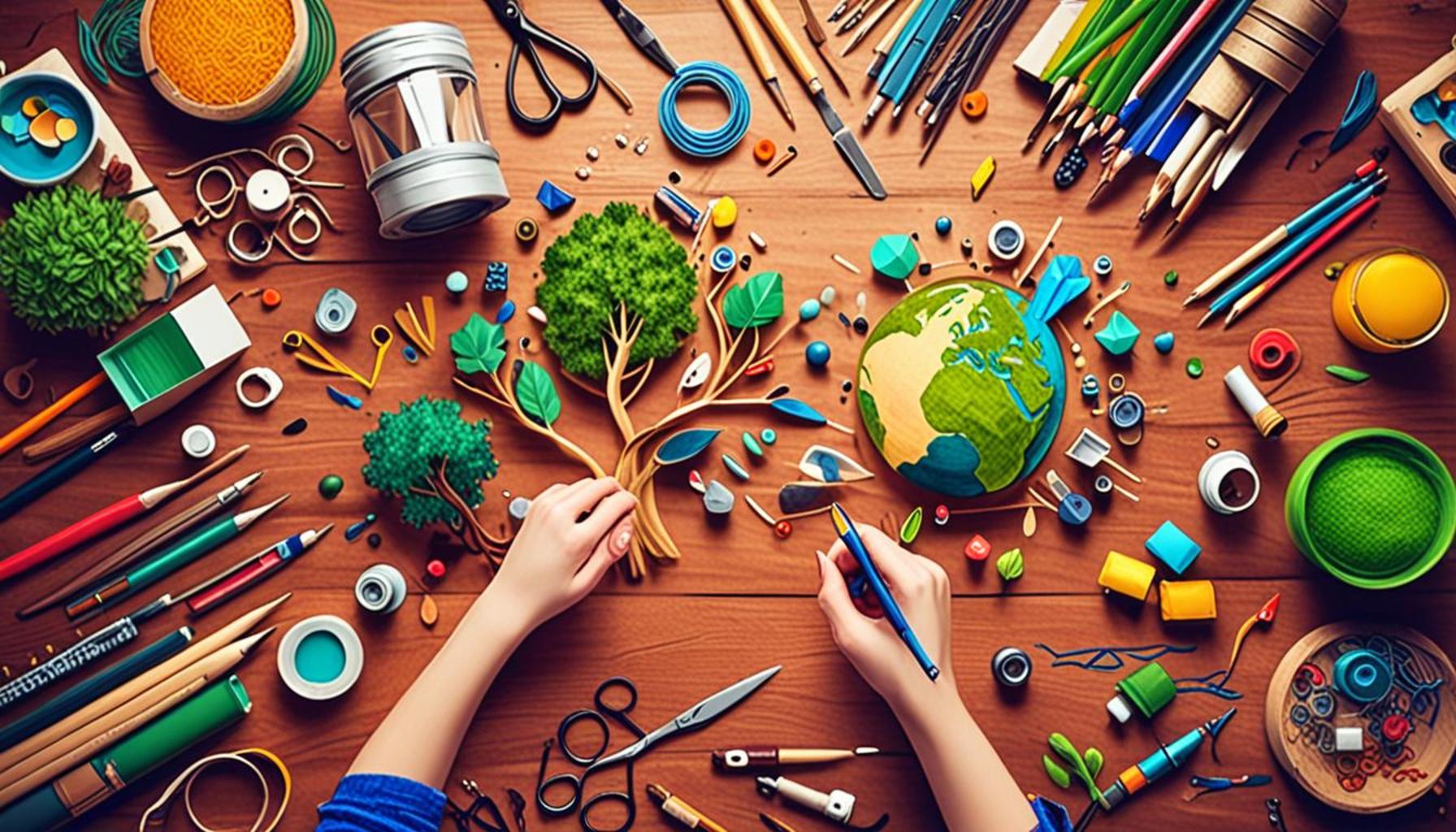
In an age where environmental issues dominate global conversations, the role of craft skills is gaining significant attention. These skills not only engage our creative minds but also foster a deeper understanding of sustainability. By combining artistry with an awareness of our impact on the planet, individuals are discovering innovative ways to bridge the gap between creativity and ecological consciousness.
Crafting offers a unique opportunity to reflect and redefine our relationship with the environment. Here are key aspects that highlight this connection:
- Upcycling: This practice involves taking discarded materials and transforming them into new and functional art. For instance, an old wooden pallet can be turned into a rustic coffee table, or glass bottles can become vibrant vases. Upcycling not only diverts waste from landfills but also encourages a creative rethinking of what materials can still offer value, sparking innovation and artistic expression.
- Natural Materials: Utilizing organic or sustainably sourced supplies like bamboo, hemp, and recycled paper is another critical aspect. Artists and crafters are increasingly opting for these alternatives, which often minimize environmental impact. For example, a growing trend among artisans is to create textiles from organic cotton or dyes made from natural sources like plants, resulting in beautiful creations that are both eco-friendly and unique.
- Community-Based Projects: Crafting can serve as a powerful catalyst for community engagement, promoting sustainability through collaborative efforts. Local groups are often coming together for workshops that focus on skills such as sewing reusable tote bags or constructing gardens using recycled materials. This not only strengthens community bonds but also cultivates a shared commitment to sustainable living practices.
These elements underscore the importance of environmental awareness in crafting, leading to a culture of creativity that prioritizes sustainability. Engaging in craft empowers individuals to make thoughtful choices, such as carefully selecting materials and adopting ethical practices in their work. Together, these small changes can lead to a significant impact on reducing waste and conserving resources.
As we delve deeper into this fascinating relationship between craft and environmental stewardship, we uncover ways in which creativity can inspire sustainable living practices. Embracing this connection not only enriches our lives but also fosters a collective commitment to a healthier planet. By exploring crafting as a means to promote sustainability, we invite individuals to tap into their creativity and play an active role in shaping a more sustainable future.
DISCOVER MORE: Click here to dive deeper
The Intersection of Craft and Environmental Education
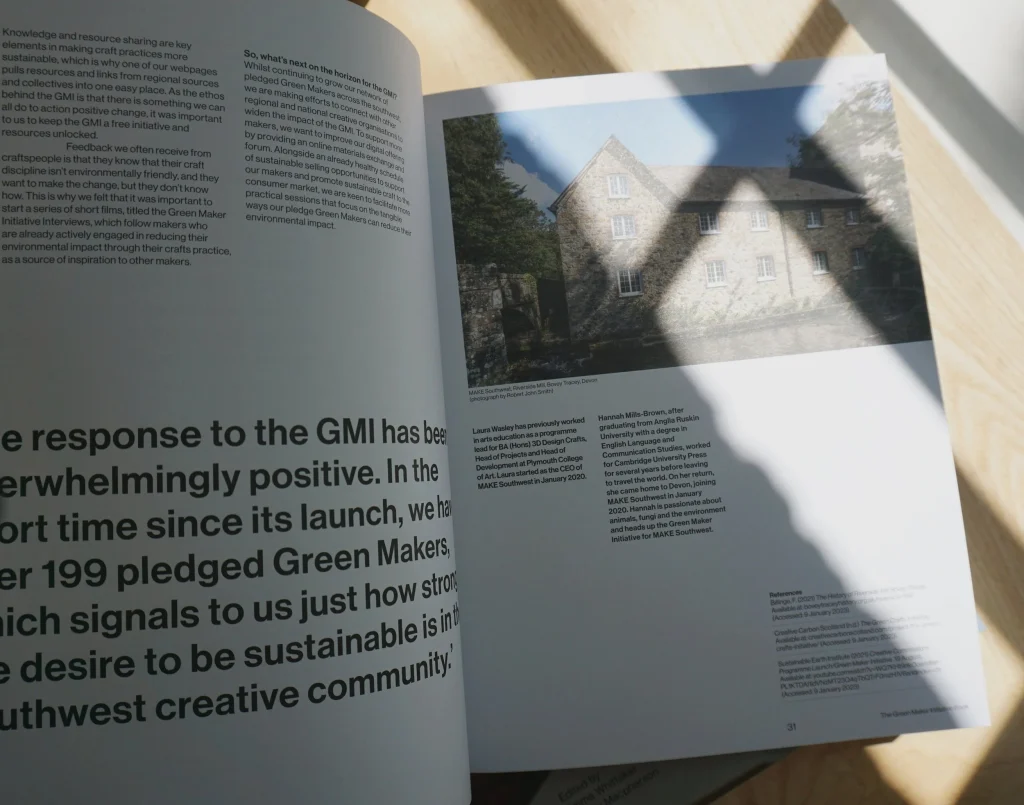
Crafting has evolved beyond mere hobbyism into a profound movement that intertwines art and environmental education. The surge in interest around craft skills is not solely about creating unique items; it reflects a growing awareness of personal responsibility towards the planet. Artists and crafters are increasingly recognizing that every project presents an opportunity to educate others about sustainable practices, making it an ideal platform for environmental consciousness.
One of the most effective avenues through which craft promotes sustainability is through educational initiatives. Workshops, classes, and community events dedicated to crafting with a purpose often serve dual functions: they teach invaluable skills while simultaneously informing participants about sustainability. For example, a local craft fair might feature demonstrations on how to make biodegradable plant pots from newspaper or upcycled textiles. Such events are crucial, as they eliminate the divide between knowledge and action, empowering individuals to initiate change in their everyday lives.
- Skill Sharing and Knowledge Transfer: Crafting circles often revolve around the principle of sharing knowledge. In instructor-led workshops, participants not only learn traditional techniques like weaving or pottery but also discussions surrounding the environmental impact of materials used. This kind of education fosters a community of crafters who are informed about the implications of their choices.
- Interdisciplinary Approaches: Many crafters are incorporating elements from various fields such as science, technology, and environmental studies into their work. An example can be found in eco-artists who use scientific data about climate change to inspire their creations, encouraging viewers to reflect on serious environmental issues through a creative lens.
- Creating Eco-Conscious Regulations: Driven by the desire for sustainability, some artisans advocate for ethical practices within the craft community. By promoting regulations that favor eco-friendly production processes or that require ethical sourcing of materials, these crafters are influencing industry standards while paving the way for future generations.
The connection between craftsmanship and environmental awareness is further enhanced by the vibrant discussions surrounding sustainability in the crafting community. Online platforms and social media channels have blossomed into forums where artisans share their sustainable techniques and creations. The hashtag movement around eco-crafting has given rise to a digital space where creatives can easily exchange ideas and inspire one another towards mindful crafting.
As more individuals gain access to knowledge through these channels, a collective shift toward sustainable crafting practices becomes inevitable. This transformation is not only necessary for fostering environmental stewardship but also for reimagining the traditional concept of craft as a form of personal expression aligned with ethical concerns.
Ultimately, the intersection of craft and environmental education serves as a powerful reminder that creativity is not an isolated pursuit. As crafting continues to evolve within the context of sustainability, it invites all of us—makers, consumers, and communities—to rethink our practices and embrace an artistic approach that honors the planet.
| Advantage | Details |
|---|---|
| Promotes Eco-friendly Practices | Encourages the use of sustainable materials and techniques, reducing waste and environmental impact. |
| Enhances Community Engagement | Fosters collaboration among artisans, educators, and environmentalists, strengthening community bonds. |
| Supports Local Economies | Encourages consumers to buy local crafts, helping sustain small businesses and reduce carbon footprints associated with transportation. |
| Enhances Creativity | Promotes innovation in integrating traditional crafting techniques with modern sustainability practices. |
Craft skills not only serve as a means of artistic expression but also play a crucial role in fostering environmental consciousness. By weaving together creativity and sustainable practices, artisans and crafters can contribute significantly to ecological preservation. For example, utilizing recycled materials not only reduces waste but also inspires others to think outside the box regarding material sourcing.Moreover, opportunities for workshops and community crafting events create platforms where knowledge can be shared and new sustainability models developed. Through these collaborative efforts, we can cultivate a deeper understanding of our environmental responsibilities while enjoying the fulfilling experience of creation. The synergy developed through this unique blend of craftsmanship and environmental focus promotes a productive dialogue that is essential for a sustainable future.
DISCOVER MORE: Click here to explore the art of letter writing
Crafting as a Means of Communal Resilience
The current global challenges surrounding climate change and environmental degradation underscore the importance of communal resilience, and craft skills are increasingly being recognized as a vehicle for nurturing this resilience. By fostering a culture of creativity and resourcefulness, crafting not only strengthens personal connections to the environment but also revitalizes local economies and communities.
Local artisan markets and co-ops have emerged as crucial hubs for sustainable practices, allowing crafters to sell their handmade goods directly to consumers. This model empowers artisans by bypassing mass production systems that are typically detrimental to the environment. For instance, through these markets, consumers can source products that are not only handcrafted but also made from ethically sourced materials. This firsthand knowledge breeds transparency, thus fostering an appreciation for the craft itself. As a result, shoppers become more informed about the products they procure, leading to mindful purchasing decisions.
- Collaboration Between Crafters and Local Farmers: Many crafters are now collaborating with local farmers to source natural dyes or biodegradable materials. This symbiotic relationship not only supports local agriculture but also minimizes the carbon footprint associated with transporting materials over long distances. For example, indigo dye, which is popular among textile artists, can be cultivated in many regions across the United States, making it a sustainable alternative to synthetic dyes.
- Community Resilience Workshops: As people begin to recognize the role of crafting in environmental sustainability, community workshops focusing on upcycling and repair have become increasingly popular. These initiatives often teach participants how to repurpose items that would otherwise end up in landfills. For instance, workshops that cover methods to repair and revamp clothing help counter the fast-fashion industry while strengthening community bonds through shared learning experiences.
- Tempering Consumerism: The rise of the “buy less, make more” movement among craft enthusiasts reflects a broader shift in consumer culture. This ideology encourages individuals to prioritize experiences over materials, turning to crafting as a fulfilling alternative. In urban areas, for instance, makerspaces offer resources for individuals to engage in DIY projects, promoting skills such as woodworking, sewing, and pottery. This shift not only decreases demand for mass-produced goods but also engenders a culture of creativity and sustainability within urban dynamics.
Moreover, the digital age has further amplified this communal craft movement. Platforms such as Etsy allow artisans to reach a wider audience while promoting sustainable practices. The power of social media enables crafters to share their stories, resources, and tips for sustainable crafting. Countless blogs and YouTube channels are dedicated to showcasing eco-friendly crafting methods, effectively spreading awareness and inspiring newcomers to join the movement.
Ultimately, the interconnectedness of craft skills and environmental awareness has led to the embedding of sustainability into the fabric of community life. As more individuals engage in crafting, they not only cultivate their creativity but also become stewards of their environment. In doing so, communities across the United States are not only preserving the art of craftsmanship but are also revolutionizing their relationship with the planet through the lens of sustainability.
DISCOVER MORE: Click here to learn about DIY photography projects
Bridging Creativity and Sustainability
In summary, the intricate relationship between craft skills and environmental awareness serves as a vital pathway for fostering sustainability in our communities. As artisans and crafters harness their creativity, they not only contribute to their local economies but also forge deeper connections with the environment. By embracing sustainable practices—such as utilizing ethically sourced materials and engaging in partnerships with local farmers—crafting becomes a powerful form of activism that challenges the prevailing norms of consumerism.
The rise of community workshops and makerspaces exemplifies the growing recognition of crafting as a viable solution to environmental issues. These initiatives empower individuals to reimagine their relationship with material goods, emphasizing the importance of upcycling, repair, and a conscious approach to consumption. Furthermore, the digital age has expanded the reach of these sustainable crafting communities, making it easier for aspiring makers to share ideas and innovative practices, thereby inspiring a nationwide movement.
As we look to the future, crafting will continue to play a critical role in redefining our cultural relationship with sustainability. By prioritizing creativity over convenience, we can cultivate a generation that not only appreciates handcrafted goods but also values the importance of preserving our planet. Therefore, the challenge remains: how can we collectively deepen our commitment to sustainable practices within craft communities? The answers lie within our hands—perhaps it’s time to pick up those tools and explore the art of making with intention.