Trends in Credit Cards: The Future of Digital Finance and Contactless Payments

Understanding the Evolving Credit Card Landscape
The financial world is undergoing a remarkable transformation, primarily fueled by technological advancements and shifting consumer behaviors. As everyday transactions become more streamlined and secure, contactless payments and digital finance solutions are becoming an integral part of how we handle our spending and saving. It’s vital to grasp these trends, as they not only enhance convenience but also redefine our interactions with money.
Contactless Payments
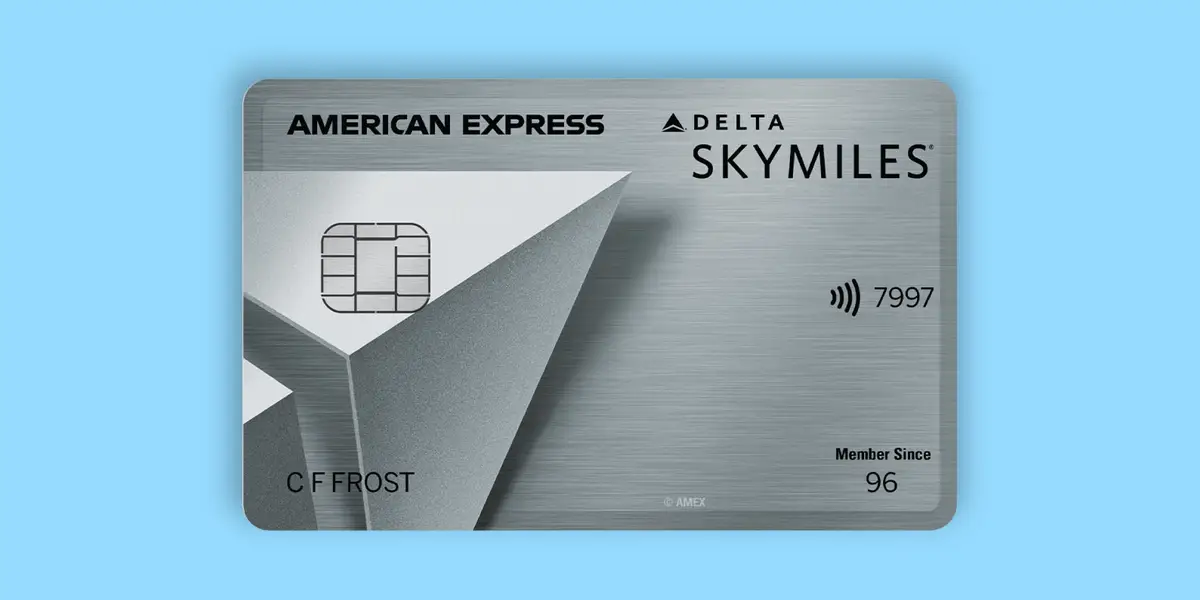
Contactless payments are revolutionizing the checkout experience. By simply tapping a credit card or smartphone against a terminal, customers can quickly complete purchases without the need for swiping or inserting cards. For instance, if you’re in a hurry at your local coffee shop, you can grab your drink and pay just by holding your phone near the card reader, making the transaction both swift and effortless. This speed is not only about convenience but also about efficiency, especially in busy environments like public transport stations or major retail stores.
Digital Wallets
Digital wallets, such as Apple Pay and Google Wallet, are transforming how we think about physical cards. These platforms store multiple credit and debit cards securely on your smartphone, allowing you to leave your wallet at home. Imagine forgetting your wallet but confidently heading out knowing you can use your phone to pay at virtually any location that accepts card payments. This practicality is attracting more users who prioritize convenience and simplicity in their financial transactions.
Loyalty Rewards
As competition among credit card issuers intensifies, many are enhancing their loyalty rewards programs. These programs offer tailored rewards based on individual spending habits, making them more appealing. For example, if you frequently dine out, some credit cards provide higher cash back or points for restaurant purchases. This personalization allows consumers to maximize benefits and therefore save more on their favorite activities, whether it’s travel, shopping, or dining.
Enhanced Security
With the rise of online shopping and digital transactions, enhanced security measures are vital. Chip cards have become standard, and many banks now offer options for biometric authentication, such as fingerprint recognition or facial recognition. These technologies provide an added layer of protection, offering consumers peace of mind. For instance, if your card is lost or stolen, your biometric data can help prevent unauthorized access to your accounts.
As we embrace these innovations, it’s essential to stay informed about how to navigate this evolving financial landscape. The integration of artificial intelligence (AI) is another exciting frontier that promises to personalize financial services further. AI can analyze spending patterns and provide users with tailored financial advice, helping individuals make informed choices about managing their finances effectively.
By keeping up with these advancements, you not only enhance your shopping experiences but also ensure that your financial transactions are secure, efficient, and rewarding.
DISCOVER MORE: Click here for valuable insights
Emerging Features of Credit Cards in the Digital Era
With the rapid advancement of technology, it is becoming increasingly clear that credit cards are evolving beyond their traditional use. In this dynamic financial landscape, several features are emerging that cater to the shifting preferences of consumers. One key trend is the integration of virtual credit cards. These digital counterparts to physical cards offer an extra layer of security for online transactions. When making a purchase online, a virtual card can be generated with a unique number that expires after a single use or after a certain period. This minimizes the risk of fraud and protects consumers’ sensitive information, allowing them to shop with confidence.
Blockchain and Crypto Integration
The influence of blockchain technology and cryptocurrencies is another noteworthy trend that is gaining traction in the credit card sphere. Financial institutions are beginning to explore the potential of crypto credit cards, which enable users to earn cryptocurrency as rewards instead of traditional currency. For example, a user might earn Bitcoin on every purchase, which they can later use for trading or making purchases. This innovative approach not only appeals to tech-savvy consumers but also opens up new possibilities for investment and savings.
Features to Watch For
As the credit card industry continues to evolve, several key features are anticipated to gain popularity in the near future:
- Dynamic Card Security: Future credit cards may include advanced encryption technology that alters account numbers for each transaction. This dynamic security feature ensures that even if a card number is intercepted, it cannot be used again.
- Personalized Notifications: Credit card issuers are expected to leverage data analytics to provide consumers with real-time spending alerts and budgeting tips. These notifications can empower users to manage their finances more effectively.
- Seamless Integration with Smart Devices: As the Internet of Things (IoT) expands, the use of credit cards will increasingly integrate with smart devices, enabling users to make payments using their smart appliances or wearables.
Understanding these emerging features can significantly enhance your financial experience. By adopting these modern payment methods, consumers can enjoy a blend of convenience, security, and innovative rewards that digital finance offers. However, with these advancements come responsibilities, such as remaining vigilant against fraud and fully comprehending your financial habits.
It is clear that the future of credit cards is closely aligned with technological innovation. As we become more acquainted with these changes, it will empower consumers to make informed decisions regarding their credit card use and management, setting the stage for a more efficient financial landscape.
DISCOVER MORE: Click here to learn about sustainable investing
Contactless Payments: Revolutionizing Transactions
One of the most prominent trends in the credit card sector is the rise of contactless payments, a technology that has gained considerable traction, especially in the wake of the COVID-19 pandemic. This method allows consumers to pay simply by tapping their card—equipped with RFID (Radio Frequency Identification) technology—against a point-of-sale terminal. The simplicity and speed of contactless transactions cater to the demands of today’s fast-paced lifestyle, where convenience is key.
Consumer Adoption and Behavioral Shifts
The adoption of contactless payments has been accelerated by changing consumer behaviors. Many shoppers prefer the hygiene aspect of not having to physically hand over their cards or touch shared screens. A survey conducted by Mastercard showed that a significant percentage of consumers in the U.S. preferred contactless payments during the pandemic and would continue to use them afterward. This behavioral shift indicates that contactless payment may become a long-term staple in the financial ecosystem.
Enhancements in Payment Technology
As contactless payments become more commonplace, financial institutions are investing in further enhancements to the technology. Some upcoming improvements include:
- Increased Transaction Limits: Many credit card companies are working to increase the dollar limits on contactless transactions, allowing consumers to make higher-value purchases effortlessly without needing to enter a PIN.
- Biometric Authentication: Future iterations of contactless cards may incorporate biometric features such as fingerprint scanning. This added layer of security ensures that only the rightful owner can authorize a transaction, further reducing the risk of fraud.
- Mobile Wallet Integration: The synergy between credit cards and mobile wallets, such as Apple Pay and Google Wallet, is strengthening. Consumers can link their contactless cards to these platforms for a seamless payment experience across various devices.
These enhancements showcase a clear trajectory towards making transactions not only easier and faster but also more secure. Embracing contactless technology means that consumers can enjoy a smoother shopping experience while being able to track their spending more easily through their banking apps that often accompany these advanced payment methods.
The Impact on Retailers
The shift toward contactless payments is not only beneficial for consumers but also advantageous for retailers. Businesses that adopt these technologies can enhance the customer experience by reducing wait times and facilitating smoother checkouts. In the competitive retail landscape, offering various payment options, including contactless solutions, can also attract a broader customer base. In fact, many retailers are starting to see contactless payment as a crucial element of their overall service strategy.
As we continue to embrace the digital transformation in finance, the trend of contactless payments represents a significant leap forward in how consumers interact with their money. The convenience, speed, and added security will undoubtedly shape the future of credit cards and payment methods, ensuring that both consumers and retailers can benefit from this innovative approach. The evolution of the credit card landscape is just beginning, with exciting advancements on the horizon.
DISCOVER MORE: Click here to learn about the significance of financial education
Looking Ahead: The Future of Credit Cards and Digital Finance
As we consider the evolving landscape of credit cards, it’s evident that contactless payments have emerged as not just a trend, but a fundamental shift in how transactions are conducted. With rapid consumer adoption and ongoing technological enhancements, the convenience, security, and efficiency of contactless payments are likely to solidify their place within the financial ecosystem for years to come. Financial institutions, retailers, and consumers alike are beginning to recognize the immense benefits that come from embracing this modern payment method.
The integration of features such as biometric authentication and mobile wallet compatibility indicates a readiness to prioritize not only the user experience but also security in amazing new ways. The efforts to increase transaction limits will further streamline the purchasing process, making it easier for consumers to engage in higher-value transactions without added friction.
In this context, retailers also stand to gain significantly from this trend. With the ability to provide faster service and cater to a broader customer base, businesses that adopt contactless technologies are positioning themselves at the forefront of customer satisfaction. Therefore, understanding and leveraging these trends in credit cards is essential for all parties involved.
In conclusion, as digital finance continues its trajectory toward innovation, the rise of contactless payments and other technological advancements promise to reshape consumer behavior significantly. By remaining open to these changes, stakeholders can harness the potential of this new age of finance, ultimately leading to a more seamless, inclusive, and secure financial experience for everyone.