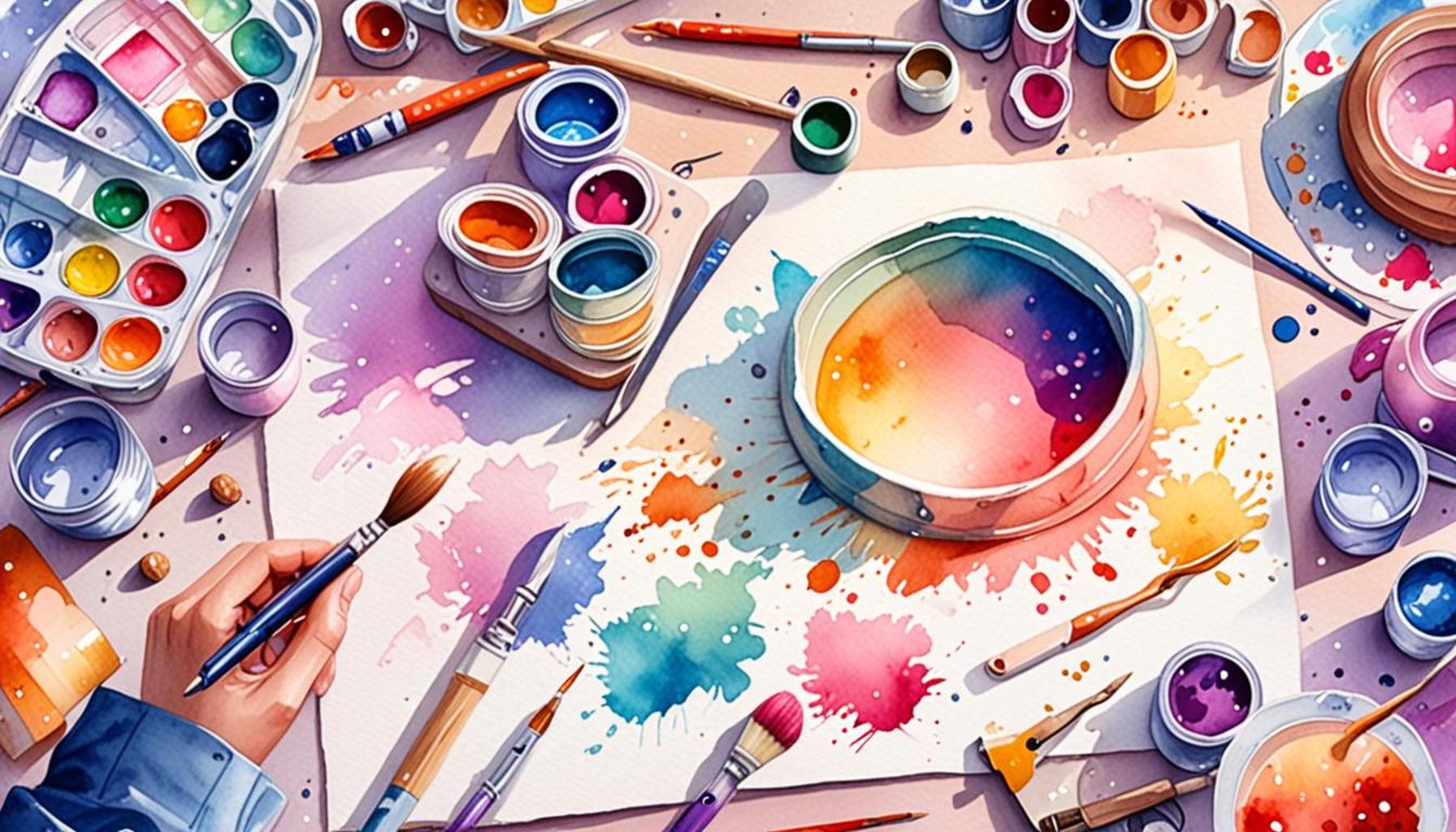
From Hobby to Profession Turn Crafting Skills into Career Opportunities

Many individuals find joy in creative hobbies like crafting, which often serve as a refreshing escape from daily routines. Transforming these hobbies into a profession not only fuels passion but also provides a viable income source. With an increasing demand for handmade and unique products, the potential for monetizing crafting skills has never been greater.
Consider these key points:
- Market Growth: The global handmade crafts market is projected to grow significantly, indicating a thriving opportunity for crafters.
- Diverse Platforms: Online marketplaces such as Etsy and Amazon Handmade have made it easier than ever for creators to sell their work.
- Flexibility: Many crafting careers allow for part-time opportunities, enabling a smooth transition from hobbyist to professional.
For those intrigued by turning their passion into profit, this article will explore the Top 5 paths to successfully transform crafting skills into rewarding career opportunities.
Top 5: From Hobby to Profession – Transforming Crafting Skills into Career Opportunities
In today’s fast-paced world, millions of individuals find solace and satisfaction in crafting. Whether for leisure or emotional fulfillment, these creative hobbies often have the power to evolve beyond simple enjoyment and blossom into thriving careers. Numerous people are harnessing their crafting talents to not just express their artistry but also establish sustainable professions. In this article, we delve into the top five paths that can transform your crafting hobby into a flourishing career, providing insights, strategies, and inspiration for those eager to make the leap.
5. Handmade Jewelry Design
Creating jewelry is not merely a delightful pastime; it can become a lucrative profession. The market for uniquely crafted pieces continues to expand as consumers increasingly seek out one-of-a-kind accessories that stand out amidst mass-produced items. Starting small by creating pieces for friends and family allows artists to hone their skills, gradually progressing to selling at craft fairs or online marketplaces.

To embark on this glittering career path, it is essential to:
- Develop a unique style that resonates with potential customers. For instance, incorporating personal stories or cultural elements can add depth and appeal.
- Master various materials and techniques, ranging from simple beading to intricate metalwork. Investing time in workshops or online tutorials can elevate your skill set.
- Utilize social media platforms and online marketplaces to showcase and sell creations. Platforms like Etsy and Instagram offer vast audiences eager for distinctive designs.
By leveraging these tools, budding jewelry designers can significantly amplify their reach, transforming a hobby into a full-fledged business.
4. Craft Blogging and Vlogging
For those who delight in sharing their creative journey, blogging or vlogging serves as an excellent avenue to transition from hobbyist to professional. Crafting enthusiasts can build virtual communities by posting tutorials, sharing tips, and showcasing their projects online. This digital pathway opens numerous opportunities, such as sponsored content, affiliate marketing, and even product collaborations.
Key steps to excel in this digital domain include:
- Establishing a consistent schedule for content production. Regular posts help maintain audience interest and build loyal followings.
- Engaging with your audience through comments, social media interactions, and live tutorials to foster a sense of community.
- Learning basic SEO and marketing strategies to increase visibility and draw traffic to your content.
A well-maintained craft blog or vlog evolves into a platform not only for monetization but also for creative expression, enabling content creators to turn their passion into profit.
3. Upcycling and Repurposing
As environmental consciousness becomes a global priority, upcycling has surged in popularity, attracting consumers who value originality and eco-friendliness. Transforming discarded items into new masterpieces allows artisans to combine creativity with environmental advocacy. This profession not only nurtures the creative spirit but also harbors the potential for substantial financial gain, appealing to eco-conscious consumers.
To thrive in this field, aspiring upcyclers can consider the following strategies:
- Identify local materials that can be repurposed, such as old furniture, textiles, or glass bottles. These can become the canvas for your ingenuity.
- Experiment with various techniques to create distinctive, high-quality products. Innovative approaches can turn everyday objects into sought-after items.
- Market your brand with an emphasis on sustainability and innovation to attract environmentally-minded customers.
This path offers a unique blend of artistry and environmental consciousness—a responsible and profitable career choice aligning with today’s sustainability values.
2. Home Decor and Interior Crafting
Home decor crafting expands creative skills by allowing artisans to bring spaces to life. This profession can encompass multiple aspects, including furniture restoration, custom-built fixtures, and textile crafts, offering a broad scope to express creativity. Working directly with clients for custom projects or selling creations through retail channels are common approaches within this field.
Key steps to advance in this profession involve:
- Developing a portfolio that showcases your best work, which serves as a tangible representation of your capabilities and style.
- Networking with interior designers and local businesses can open doors for collaboration and commissions, integrating your craft into broader design projects.
- Staying updated with home decor trends can ensure your work remains relevant and appealing to a broad audience. Being aware of industry shifts allows you to adapt and innovate continuously.
Creating a niche in the competitive market of home decor can lead to rewarding contracts and diverse projects that effectively showcase your craftsmanship and expertise.
1. Custom Art and Illustration
At the pinnacle of our list is the field of custom art and illustration. In this digital age, artists possess endless avenues to sell their work, whether through commissions, prints, or merchandise designs. The rise of platforms like Instagram, Patreon, and Society6 enables artists to connect directly with a global audience, meeting the growing demand for personalized and unique art pieces.
To seize opportunities in custom art and illustration, focus on:
- Building a strong artistic brand that reflects your unique style. Branding establishes an identity that audiences can easily recognize and connect with.
- Creating an engaging online presence through social media and personal websites, showcasing your portfolio to potential clients and fans.
- Networking with other artists and potential clients to expand your reach and explore new possibilities for collaborations and commissions.
As the demand for original artwork continues to rise, this career path offers both creative fulfillment and financial sustainability, allowing artists to pursue their passion while achieving financial independence.
The journey from hobby to profession is paved with dedication, creativity, and persistence. Whichever path you choose, the ability to transform crafting skills into a lucrative career is an inspiring testament to creativity’s potential when combined with strategic planning and a willingness to adapt and grow. With the right mindset and resources, a rewarding future in the crafting world awaits.
| Category | Details |
|---|---|
| Skill Development | Engaging in crafting allows individuals to refine technical skills such as precision, patience, and creativity. These skills are highly valued in various professional fields. |
| Networking Opportunities | Crafting communities are robust, offering individuals the chance to connect with like-minded enthusiasts, which can lead to collaborations or job opportunities within the industry. |
| Market Demand | With a growing trend towards handcrafted goods, there is a strong market demand for unique, personalized items which craftsmen can fulfill, potentially leading to lucrative careers. |
| Entrepreneurial Ventures | Many individuals have turned their crafting hobbies into successful businesses, demonstrating that entrepreneurship is a realistic path for passionate crafters looking to monetize their skills. |
Exploring the transition from hobby to profession within the realm of crafting opens several fascinating avenues. While the skills honed through crafting are foundational, the social aspects cannot be overlooked. As more people engage in arts and crafts, the opportunities to build connections and foster collaborations grow exponentially. Moreover, it’s crucial to recognize the continued rise of interest in handcrafted products. Consumers are actively seeking out unique, personalized items, which creates a rich landscape for artisans to not only showcase their talents but also turn a profit. The shift towards sustainable and ethically produced goods further reinforces the notion that the crafting industry has substantial growth potential.Entrepreneurship is also a pivotal theme in this transformative journey. Many success stories circulate within crafting circles, showcasing how individuals have effectively used their crafting prowess to establish their businesses, often turning their passion into a sustainable income stream. The intersection of creativity and commerce has never been more inspiring, and with technology enabling creators to reach global markets, the possibilities are endless.As the conversation surrounding crafting as a viable career path continues to evolve, these dynamics create an enticing backdrop for individuals contemplating making their hobby an essential part of their professional lives.
Frequently Asked Questions
What are some common crafting hobbies that can be turned into a career?
Many crafting hobbies have the potential to become lucrative professions. Activities like knitting, woodworking, jewelry making, and pottery are popular choices. With the growth of online marketplaces such as Etsy and the trend towards handmade goods, individuals with skills in these areas can tap into a larger audience. **Unique and high-quality products** can stand out among the competition, making personal branding and marketing crucial for success.
How can I assess if my crafting skills are professional-grade?
To evaluate if your skills meet professional standards, consider seeking feedback from experts or joining crafting communities. Participating in workshops or taking advanced courses can also help you improve. **Critically analyze your work**, comparing it with professional benchmarks. Additionally, engaging in craft fairs or submitting your work for competitions can provide insights into how your creations fare in the marketplace.
Are there specific steps to transition from crafting as a hobby to a business?
Yes, turning a hobby into a business involves several steps. Initially, conduct market research to understand the demand for your product. Develop a business plan outlining your goals, target audience, and pricing strategy. Creating an online presence through social media and **developing an e-commerce platform** are essential for marketing your products effectively. Lastly, consider legal aspects, such as registering your business and understanding tax requirements.
What challenges can I expect when creating a crafting business?
Starting a crafting business comes with various challenges. Sourcing supplies, consistent quality, and managing time effectively are common obstacles. Financial management is critical, as initial investments can be substantial. You may also face difficulties in gathering a customer base. Understanding these potential hurdles and having a **strategic plan** in place can be crucial in overcoming them and ensuring long-term success.
How can I scale my crafting business once it’s established?
To scale your crafting business, consider diversifying your product line or collaborating with other creators to expand your offerings. Increasing your online presence through targeted marketing and partnerships can attract more customers. Implementing streamlined production processes and leveraging **automation tools** can improve efficiency. Continuously seeking customer feedback and adapting to market trends is essential in maintaining growth.
Conclusion: Crafting a New Career Path
In today’s increasingly digital and standardized world, the value of creativity, uniqueness, and personal touch has never been more appreciated. As explored in the article, transforming crafting hobbies into viable career opportunities is no longer a distant dream but a tangible reality for many. This shift has been catalyzed by advances in technology, growing online marketplaces, and the widespread embrace of handmade goods.
Key takeaways include the importance of identifying and honing one’s unique crafting skills, leveraging online platforms to reach a broader audience, and understanding market demand. The top five crafting careers—such as jewelry making, custom apparel, and visual arts—highlight the diversity of opportunities available. Passionate creators are finding innovative ways to monetize their craft, often beginning with a simple project at their kitchen table.
The journey from hobby to profession requires a tenacious blend of passion, dedication, and business acumen. Entrepreneurs should ensure they have a solid business plan, effective marketing strategies, and a willingness to continually learn and adapt. The path isn’t free from challenges, but the satisfaction and potential financial rewards make it a worthy pursuit.
As the crafting community continues to grow, so does the potential for its members to transform their hobbies into fulfilling careers. The message is clear: creativity coupled with strategic planning can lead to remarkable professional opportunities. This transformation not only diversifies income streams but also enriches personal fulfillment and community engagement. For those ready to take the leap, the world of crafting holds unlimited potential, waiting to be explored.