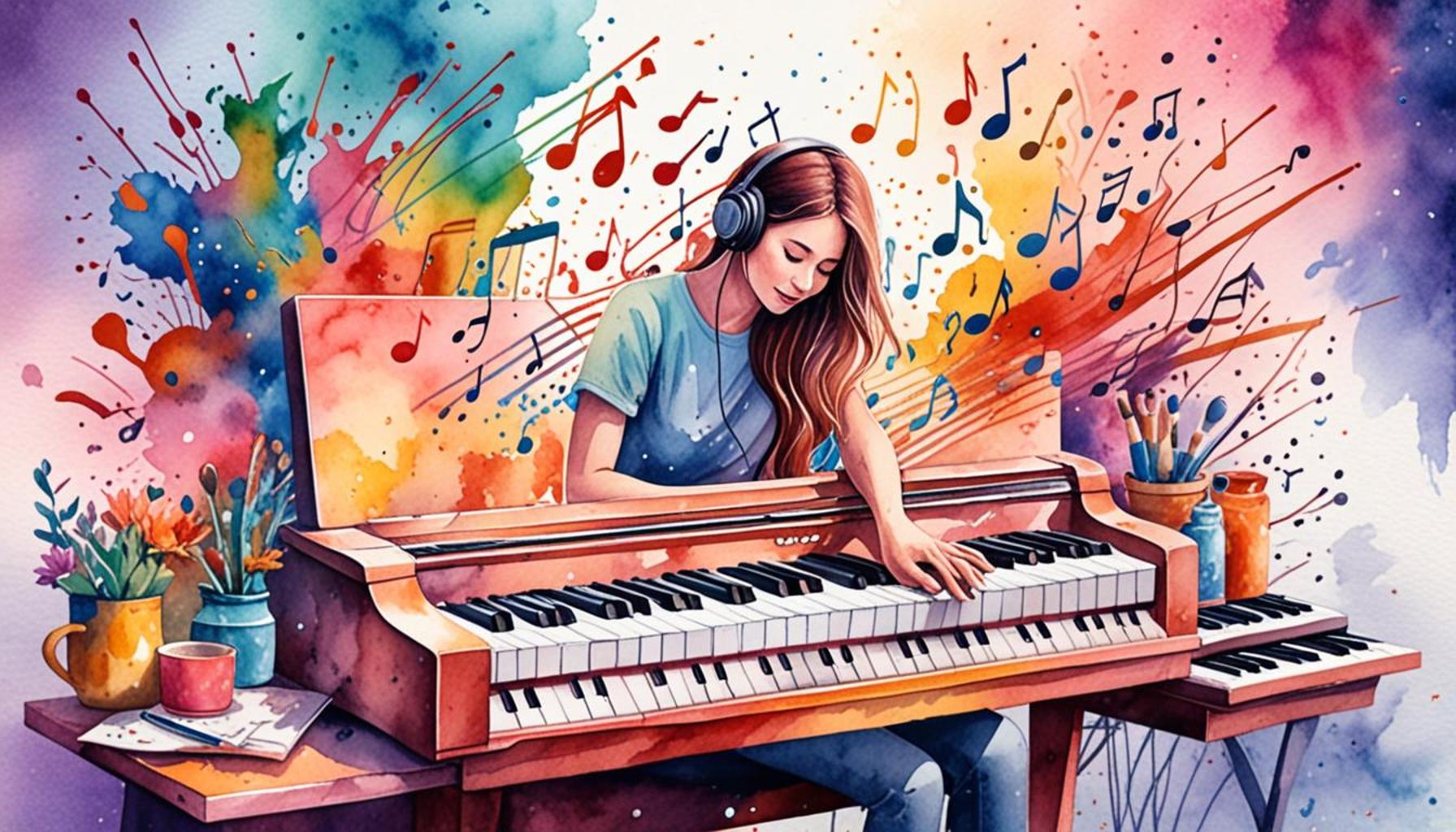
The Role of Music Making in Fostering Mindfulness and Stress Relief

The Therapeutic Benefits of Making Music
In today’s fast-paced world, where stress is often a constant companion, emerging research highlights an interesting remedy: music making. This creative practice not only serves as an outlet for expression but also plays a significant role in fostering mindfulness and enhancing stress relief.
Music making encompasses a variety of engaging activities, from playing an instrument like the guitar or piano to singing in a choir or composing original pieces. Recent studies suggest that engaging in these activities can:
- Reduce anxiety levels: Various studies have demonstrated that playing music, whether solo or in a group, can significantly decrease feelings of anxiety and tension. For example, a 2020 study published in the Journal of Music Therapy showed that participants who engaged in ensemble music-making reported significantly lower anxiety levels compared to those who did not.
- Enhance emotional well-being: Connecting with music can foster positive emotions. When individuals participate in music-making, they often experience a sense of joy and fulfillment, which can markedly improve their overall mood. This emotional uplift is partly due to the release of dopamine, a chemical associated with pleasure, which can result from both listening to and creating music.
- Promote relaxation: Many individuals have turned to music as a calming tool. Studies indicate that playing soothing melodies can lower blood pressure and heart rates, contributing to an overall sense of relaxation and peace. Furthermore, engaging in music requires focus, which can serve as a form of meditation, helping individuals escape from daily stressors.
By immersing oneself in rhythm and melodies, individuals can find solace and a sense of accomplishment. The act of creating music facilitates present-moment awareness, allowing performers to connect deeply with their feelings and their surrounding environment. This mindful engagement not only enhances the creative process but also enables individuals to reflect on their emotional state.
Moreover, music making is increasingly recognized as a unique form of therapy. Many Americans are turning to community music groups, choir sessions, and personal practice as a means of enhancing their mental health. The popularity of community choirs, for instance, showcases how collective music-making fosters connections and reduces feelings of isolation, especially in large urban areas where loneliness can be prevalent. Programs like “Sing for Your Life” have emerged, combining the joy of singing with supportive community environments to bolster mental health.
As we delve deeper into the harmonious relationship between music and mental health, we find inspiring stories and compelling evidence that suggest harnessing one’s musical talents may offer a pathway to improved emotional resilience. Many individuals report that learning an instrument later in life or participating in communal music projects have helped them cope with stress and build stronger social networks, leading to a richer, more fulfilling life.
In conclusion, the act of making music transcends mere entertainment; it serves as a powerful tool for psychological well-being. As more research is conducted, the therapeutic potentials of music-making are likely to unfold further, inviting us all to explore the intersection of creativity, mindfulness, and calm.
DISCOVER MORE: Click here to ignite your imagination
Understanding Mindfulness Through Music
Engaging in music making goes beyond simply producing sound; it provides a gateway to achieving mindfulness, a mental state characterized by present-moment awareness and acceptance. This focus on the here and now plays a critical role in promoting stress relief and enhancing overall mental health. Whether it’s hammering out a beat on a drum or strumming chords on a guitar, the very act of playing music encourages individuals to immerse themselves in their immediate experience.
At its core, mindfulness involves recognizing and acknowledging one’s thoughts and feelings without judgment. Music serves as a powerful vehicle for this process. As individuals engage in creating or performing music, they often find themselves absorbed in the melodies, rhythms, and dynamics, temporarily stepping away from their worries and concerns. This immersion allows the mind to shift from ruminating on past troubles or future anxieties to understanding and experiencing the present moment.
Research supports the efficacy of music making as an avenue to improved mindfulness. A study conducted by the American Psychological Association found that participants who engaged in musical activities exhibited lower levels of negative emotional states and higher levels of mindfulness compared to those who did not. This finding reflects how music making can be an important tool in navigating life’s challenges.
The following aspects highlight how music making cultivates mindfulness:
- Focused Attention: Engaging with an instrument requires concentration, drawing attention to the specific details of sound, technique, and rhythm. This focused attention shifts the mind away from distractions and stressors, promoting a tranquil state of being.
- Mind-Body Connection: Music making encourages a strong interplay between the mind and body. Musicians often experience a deep connection with their physical movements, be it pressing down on piano keys or moving to the beat on stage, further anchoring them to the present moment.
- Emotional Expression: Through music, individuals can express complex emotional experiences that might be difficult to articulate otherwise. This expression helps to release pent-up feelings, contributing to emotional clarity and mental well-being.
- Social Engagement: Participating in music groups or ensembles fosters social connections that contribute to shared mindfulness experiences. This communal aspect can greatly mitigate feelings of loneliness while promoting overall emotional resilience.
In summary, music making not only serves as a creative outlet but also acts as a powerful mechanism for achieving mindfulness, which is crucial for stress relief. By immersing oneself in musical creation, individuals can harness the therapeutic benefits of music, allowing them to cultivate a sense of inner peace and emotional balance. As we continue to explore the beneficial implications of music making, it becomes evident that this art form offers profound opportunities for mental health improvement and personal well-being.
The Role of Music Making in Fostering Mindfulness and Stress Relief
Music has long been recognized not only for its entertainment value but also for its profound impact on mental health. Engaging in music making, whether through singing, playing instruments, or composing, creates a rich environment for mindfulness practices. When individuals immerse themselves in the process of creating music, they often enter a state of flow, a concept coined by psychologist Mihaly Csikszentmihalyi. This state fosters complete absorption in an activity, leading to enhanced concentration and a decrease in self-referential thoughts—key components in alleviating stress.
| Category | Benefits |
|---|---|
| Enhanced Focus | Music making requires a deep level of attention, promoting mindfulness and reducing distractions. |
| Emotional Expression | Creating music allows individuals to express emotions, leading to improved mental clarity and emotional relief. |
Moreover, studies indicate that engaging with music can lower levels of the stress hormone cortisol. As individuals create and connect with music, they often report feelings of relaxation and peace, which are crucial in today’s hectic world. This process not only enhances emotional well-being but also cultivates a sense of community as individuals connect with others through shared musical experiences. Whether through solo practice or collaborative performances, music making emerges as a rich avenue for fostering mindfulness and facilitating stress relief.
DISCOVER MORE: Click here to learn about the therapeutic benefits of music
The Therapeutic Benefits of Music Making
Music making serves not just as a creative outlet but also plays a significant role in therapeutic practices aimed at fostering mindfulness and relieving stress. The influence of musical engagement on psychological well-being has garnered the attention of researchers, health practitioners, and educators alike, highlighting the powerful connection between music and mental health.
One essential aspect of music making lies in its ability to act as a form of self-care. Many people turn to playing an instrument or singing as a way to unwind after a long day. According to a study published in the Journal of Music Therapy, participants who engaged in musical activities described feeling more relaxed and experienced lower heart rates and blood pressure, indicative of reduced stress levels. This suggests that music making can offer an effective means of managing everyday stressors.
The use of music in settings like therapy sessions has shown remarkable results. Music therapy, which often includes songwriting, improvisation, and group performances, allows individuals to explore their emotions and thoughts in a non-threatening environment. For instance, children struggling with trauma have found solace in creating music, underscoring the broader applicability of music in diverse age groups and backgrounds. In hospitals, music therapy programs have been implemented to help patients manage pain and alleviate anxiety, reinforcing the idea that creating music can be a profound tool for enhancing healing.
Moreover, the communal element of music making fosters connections between individuals, contributing to collective mindfulness. Participating in a choir, band, or group class nurtures social bonds and creates a shared experience that helps mitigate feelings of isolation. A 2020 study by the University of California found that group music activities not only improved participants’ mental health but also enhanced their feelings of belonging and connection to others, emphasizing the significance of community through music.
The structured nature of music itself leads to improvements in cognitive functions that tie into mindfulness practices. Playing music requires intense focus, memory recall, and the ability to respond to changes quickly, essentially sharpening mental faculties. Engaging in such cognitive tasks can serve as a form of mental exercise, keeping the mind active while simultaneously promoting calmness—a principle that many therapeutic practices employ.
Furthermore, the emotional impact of music is undeniable. The phenomenon of musical aesthetic experience, where individuals feel deeply moved by music, can create a portable means of emotional regulation. Musicians often use their works to convey sentiments that may otherwise be difficult to express, transforming personal challenges into meaningful art. Such creativity can manifest in catharsis, allowing individuals to process their experiences and fostering a sense of closure and understanding.
Incorporating music into daily routines, whether it be through structured lessons or spontaneous jam sessions, invites opportunities for reflection and self-discovery. This integration promotes lifelong skills of mindfulness, where individuals become more adept in recognizing their feelings and experiences. As the findings illustrate, music making is not simply about creating art; it is about enriching the human experience through emotional, psychological, and social engagement.
DIVE DEEPER: Click here to unlock your creativity with simple DIY projects
Conclusion
In conclusion, the role of music making in fostering mindfulness and providing stress relief cannot be overstated. This multifaceted practice serves not only as an outlet for creativity but also as a critical intervention for enhancing mental health. The therapeutic benefits of engaging with music through instruments or vocals have been supported by a wealth of research, confirming its capacity to lower stress levels, improve emotional regulation, and strengthen social connections.
As individuals immerse themselves in the world of music, they often discover methods of self-care that promote relaxation and reduce anxiety. Music therapy has proven to be particularly effective across various communities, offering healing and solace to those grappling with trauma or chronic illnesses. Furthermore, the communal experiences shared through group music-making instill a sense of belonging that is essential for mental well-being, especially in today’s increasingly isolating environment.
The cognitive demands of music also encourage mindfulness practices, sharpening focus and awareness while simultaneously providing an area for emotional expression. Whether it’s through formal education, informal jam sessions, or simply listening with intent, integrating music into daily lives can lead to significant improvements in mental clarity and emotional health.
Ultimately, the intersection of music and mindfulness invites individuals on a journey of exploration and growth. By harnessing the power of music as a tool for self-discovery and stress management, we can enrich our lives and cultivate a deeper understanding of ourselves and the world around us. For those seeking holistic approaches to well-being, the integration of music making into routine practices offers a promising pathway to a healthier, more mindful existence.