
The Impact of Community Music Programs on Local Culture and Identity
Exploring the Cultural Resonance of Music
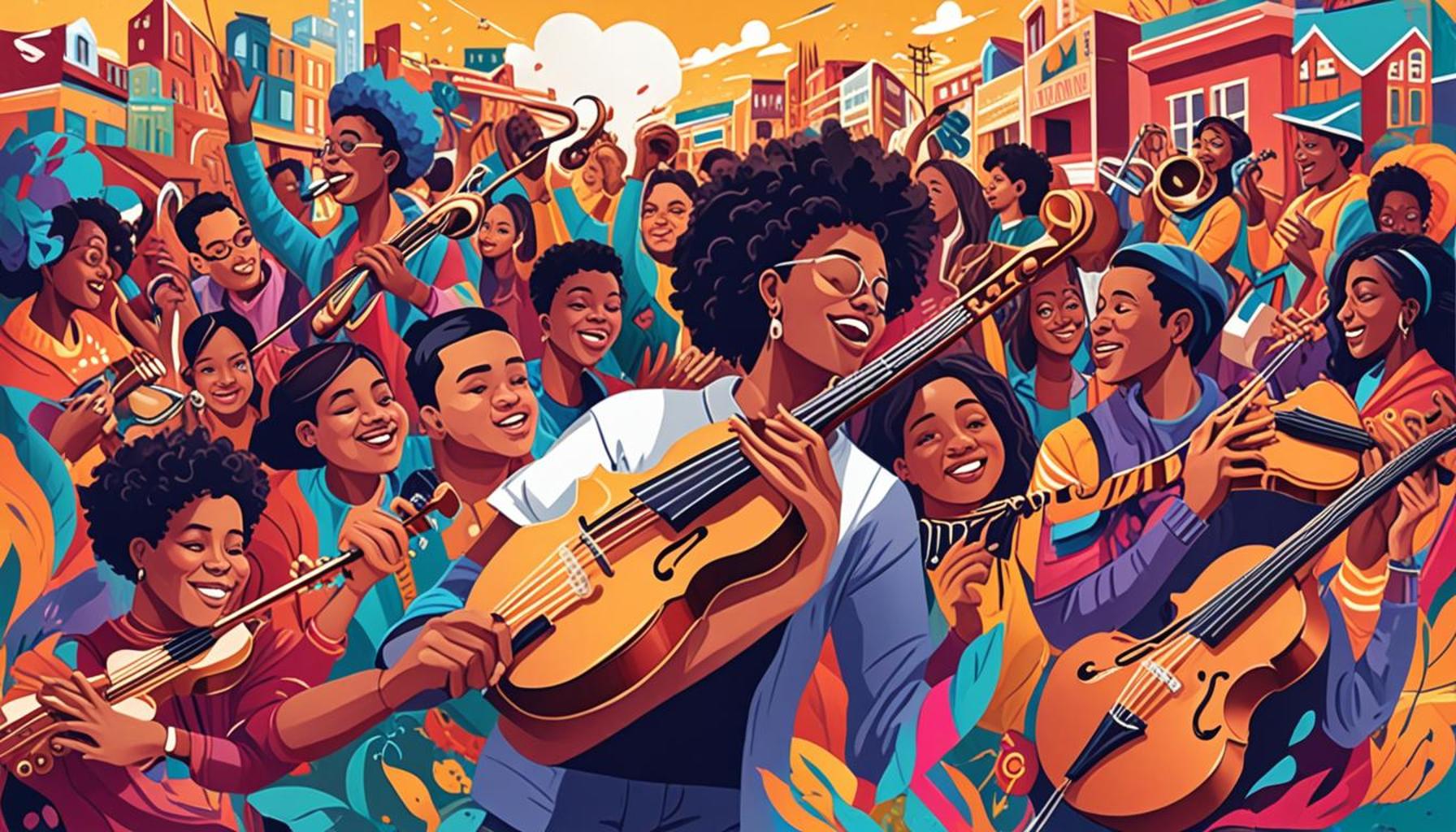
Community music programs serve as vital catalysts in shaping the cultural landscape and identity of neighborhoods throughout the United States. These initiatives offer a platform for personal expression, while simultaneously facilitating collective participation that enriches the social fabric of communities. Their significance is multifaceted, reflecting the unique heritage, history, and shared experiences of diverse populations across the nation.
Key Features of Community Music Programs
Community music programs contribute significantly to local culture through various key features:
- Promotion of Local Talent: By nurturing local artists and musicians, these programs foster pride and ownership among community members. For instance, initiatives like the Austin City Limits Music Festival not only showcase local talent but also elevate the visibility of emerging artists, creating a sense of shared accomplishment within the community.
- Cultural Education: Many programs include workshops and performances that immerse participants in their musical heritage. Programs such as those offered by the Smithsonian Folkways emphasize the importance of traditional music forms, educating both young and old about the roots of their local soundscapes, from the bluegrass hills of Kentucky to the vibrant rhythms of Puerto Rican bomba.
- Building Connections: Music has a unique ability to forge bonds among residents, creating a sense of belonging that transcends cultural and social barriers. Initiatives like community drum circles or neighborhood choirs encourage diverse groups to come together, fostering relationships that might otherwise not develop.
In cities renowned for their musical heritage like New Orleans and Nashville, music is woven into the very fabric of cultural identity and tourism. Community music programs in these areas often create opportunities for residents to engage deeply with their traditions, allowing both locals and newcomers to participate in the evolving narrative of their cities’ musical stories. For example, the Jazz and Heritage Festival in New Orleans not only highlights the city’s rich musical traditions but also serves as a gathering space for locals and tourists alike, strengthening the community’s cultural ties.
Moreover, these initiatives hold immense potential for empowering underserved communities, providing essential resources and platforms for voices that are often overlooked. Programs like the Little Kids Rock initiative, which brings music education to schools in low-income neighborhoods, illustrate how community music programs can ensure that every child’s right to music education is honored, regardless of their background.
Investigating the multifaceted influence of community music programs reveals much about how music shapes our identities, collective memories, and communal experiences. Through these vibrant initiatives, music continues to be a universal language that resonates deeply within the cultural tapestry of America.
DIVE DEEPER: Click here to discover 5 DIY projects
Cultural Empowerment Through Music
Community music programs play a profound role in shaping local culture and identity by providing spaces for creativity, innovation, and collaboration. These initiatives not only celebrate existing musical traditions but also encourage the evolution of new forms, reflecting the dynamic nature of culture itself. As local voices unite through music, they craft a unique narrative that strengthens their communal identity and fosters a sense of belonging.
Enrichment of Local Identity
One of the most striking impacts of community music programs is their ability to enrich the local identity. By engaging residents—whether they are experienced musicians or novice participants—these programs create a collective experience that deepens individuals’ sense of connection to their community. This connection is often manifested in several ways:
- Collaboration on Cultural Projects: Many community music initiatives involve collaborative projects that reflect the community’s shared values and beliefs. For instance, in cities like Portland, Oregon, community choirs often collaborate with local artists to produce original works that resonate with the residents’ experiences, promoting a sense of ownership and pride in their cultural output.
- Intergenerational Connections: Community music programs frequently encourage participation across age groups, allowing older generations to pass down their musical traditions to younger members. A prime example can be seen in projects like the ElderWise program, which pairs youth with seniors to learn traditional songs and stories. This exchange not only strengthens familial bonds but also reinforces cultural continuity and respect for heritage.
- Development of Local Narratives: By highlighting specific stories, struggles, and successes through music, local culture gains depth and a distinctive voice. Programs such as StoryCorps in partnership with local musicians invite residents to share their experiences and memories, weaving a rich tapestry of narratives that speaks to the heart of the community’s identity.
States like California and New York, with their rich history of cultural amalgamation, serve as perfect examples of how community music programs can flourish by leveraging diversity. Initiatives such as the San Francisco World Music Festival not only showcase genres from around the globe but also highlight the intricate musical influences that have shaped local culture over generations. These avenues open doors to collaboration, sparking creativity rooted in diversity.
Additionally, community music programs often act as conduits for social change. By addressing social justice issues through music, these programs amplify the voices of marginalized communities, allowing them to reclaim their narratives. Initiatives like the Community MusicWorks in Rhode Island demonstrate this ethos by offering youth in underserved neighborhoods access to music education, thereby empowering them to articulate their own stories and experiences through music.
The impact of community music programs, thus, extends beyond entertainment; it serves as a vehicle for cultural empowerment, identity formation, and social cohesion. As communities rally around these musical initiatives, they not only preserve their unique cultural legacies but also cultivate an inclusive environment where every voice is heard and valued.
Community music programs play a vital role in enriching local culture and identity by providing a platform for expression and collaboration among diverse groups. These programs often serve as a musical hub where individuals from various backgrounds can come together, fostering a sense of belonging and community spirit. By engaging residents in collaborative music-making, programs help to preserve and promote cultural traditions, ensuring that local histories and identities are maintained and celebrated.Additionally, community music initiatives can bridge generational gaps. Through intergenerational workshops and performances, young and older musicians share their knowledge and experiences, creating a deeper understanding and appreciation of each other’s musical heritage. This not only strengthens familial ties but also enhances community cohesion, as different generations learn from one another, resulting in a richer and more diverse cultural landscape.Moreover, the impact of these programs extends to economic aspects as well. They attract visitors and tourists, subsequently boosting local economies. Festivals, concerts, and public performances showcase local talent and heritage, often leading to increased patronage of local businesses such as restaurants, shops, and arts venues. This economic activity further embeds community music programs into the fabric of local identity, highlighting their importance beyond just musical engagement.Community music programs also play an essential role in promoting social justice and inclusivity. They often prioritize marginalized voices, providing opportunities for underrepresented groups to participate in music-making. This inclusivity helps to dismantle barriers and build a more equitable community where everyone’s voice is valued and celebrated, thereby enhancing the overall cultural richness of the locality. In conclusion, the multilayered implications of community music programs stretch far beyond mere entertainment; they are pivotal in shaping and redefining local culture and identity. To further illustrate the advantages of these community programs, consider the following table highlighting specific benefits:
| Advantage | Impact |
|---|---|
| Cultural Preservation | Programs ensure traditions and identities are cherished and passed down. |
| Community Cohesion | Fosters relationships among participants, blending various cultural perspectives. |
| Economic Growth | Attracts tourism, benefiting local businesses and overall economy. |
| Inclusivity | Empowers marginalized voices, fostering equity in cultural representation. |
DISCOVER MORE: Click here to learn how music can enhance mindfulness
Building Bridges Through Music
Community music programs do not merely serve to bolster local culture; they also play a crucial role in building bridges across diverse populations. This bridging function can give rise to a sense of unity, transcend cultural barriers, and foster understanding among different groups, enhancing the overall social fabric of the community.
Diversity in Harmony
The ability of community music initiatives to embrace and celebrate diversity has immense significance in the cultural landscape of the United States. As communities become more multicultural, programs that highlight various cultural traditions through music can lead to greater appreciation for diversity. For example, the Los Angeles Music and Arts School promotes a fusion of genres, where students from different backgrounds collaborate to create original works, blending styles from hip-hop to jazz and mariachi. This not only enriches the musical offering of the community but also fosters interethnic friendships and collaborations that may not have emerged otherwise.
Furthermore, programs like the Chicago Children’s Choir provide a platform where children from diverse racial and economic backgrounds come together to sing. This shared experience promotes empathy and understanding, illustrating how music can serve as a common language that transcends individual differences. As participants explore the cultural significance behind different musical traditions, they develop not only a richer understanding of music but also an appreciation for the cultural heritages of their peers.
Music as a Catalyst for Social Action
Additionally, community music projects frequently become vehicles for social action, where participants use music to address pressing local issues. The power of collective voice is vividly illustrated in initiatives like Playing for Change, which brings together musicians from around the world to perform and raise awareness about social justice issues. In communities where inequities persist, music can empower residents to advocate for change. These projects highlight the realities faced by communities, ensuring that their struggles and aspirations are heard and acknowledged.
The Musicians’ Co-op in New York, for instance, demonstrates this by providing resources for local artists to address issues such as housing inequality and education access through musical expressions. Regular performances and community conversations allow residents to confront these issues head-on, fostering solidarity and igniting potential change within their neighborhoods.
Enhancing Local Economies
Another significant impact of community music programs is their contribution to local economies. By attracting patrons, fostering tourism, and creating employment opportunities, these initiatives can have a tangible economic effect on the community. Events like San Diego’s Music in the Park series not only showcase local talent but also draw visitors, benefiting local businesses such as restaurants and shops. When communities invest in music, they invest in their economic vitality as well.
Furthermore, the economic benefits extend to social enterprises that emerge from these programs. Entrepreneurs and small business owners often arise from collaborations fostered within community music initiatives, leading to the creation of goods, services, and events that enhance the local cultural scene. This symbiosis between music and local economy underscores the integral role community music plays in reinforcing both cultural identity and economic stability.
Through events, collaborations, and activism, community music programs serve as a catalyst for broader cultural dialogues, enriching local identity while enhancing the social and economic fabric of the community. As neighborhoods engage in this cultural embrace, they forge a path toward a more inclusive and vibrant future, where the power of music is harnessed to uplift, unite, and inspire.
DIVE DEEPER: Click here to discover the therapeutic benefits of music
Conclusion: The Harmonious Future of Community Identity
The profound impact of community music programs on local culture and identity is evident in the way they bring people together, spark creativity, and inspire social action. As outlined throughout this article, these programs serve as conduits for embracing diversity, fostering connections, and invoking a spirit of collaboration among individuals from varied backgrounds. The stories of initiatives like the Los Angeles Music and Arts School and the Chicago Children’s Choir exemplify how music can dissolve barriers and build relationships that transcend cultural divides.
Moreover, the role of community music as a catalyst for social change cannot be overlooked. Whether through addressing local challenges or amplifying pressing social issues, music empowers participants to assert their voices and advocate for change. This activism, paired with the economic benefits generated through events and local collaborations, illustrates that investing in music is tantamount to investing in the overall vitality and future of our communities.
As we look ahead, it is crucial for communities to continue supporting these programs, ensuring that they remain accessible and inclusive. By doing so, they will not only enrich their cultural landscapes but also create a stronger sense of shared identity and purpose. Ultimately, community music programs are more than just entertainment; they are vital agents of change, cultural preservation, and economic development. Embracing these initiatives will pave the way for a more cohesive, thriving community where the power of music resonates in every corner, fostering unity and resilience for generations to come.