The Therapeutic Benefits of Music Making in Everyday Life

Unleashing the Power of Sound
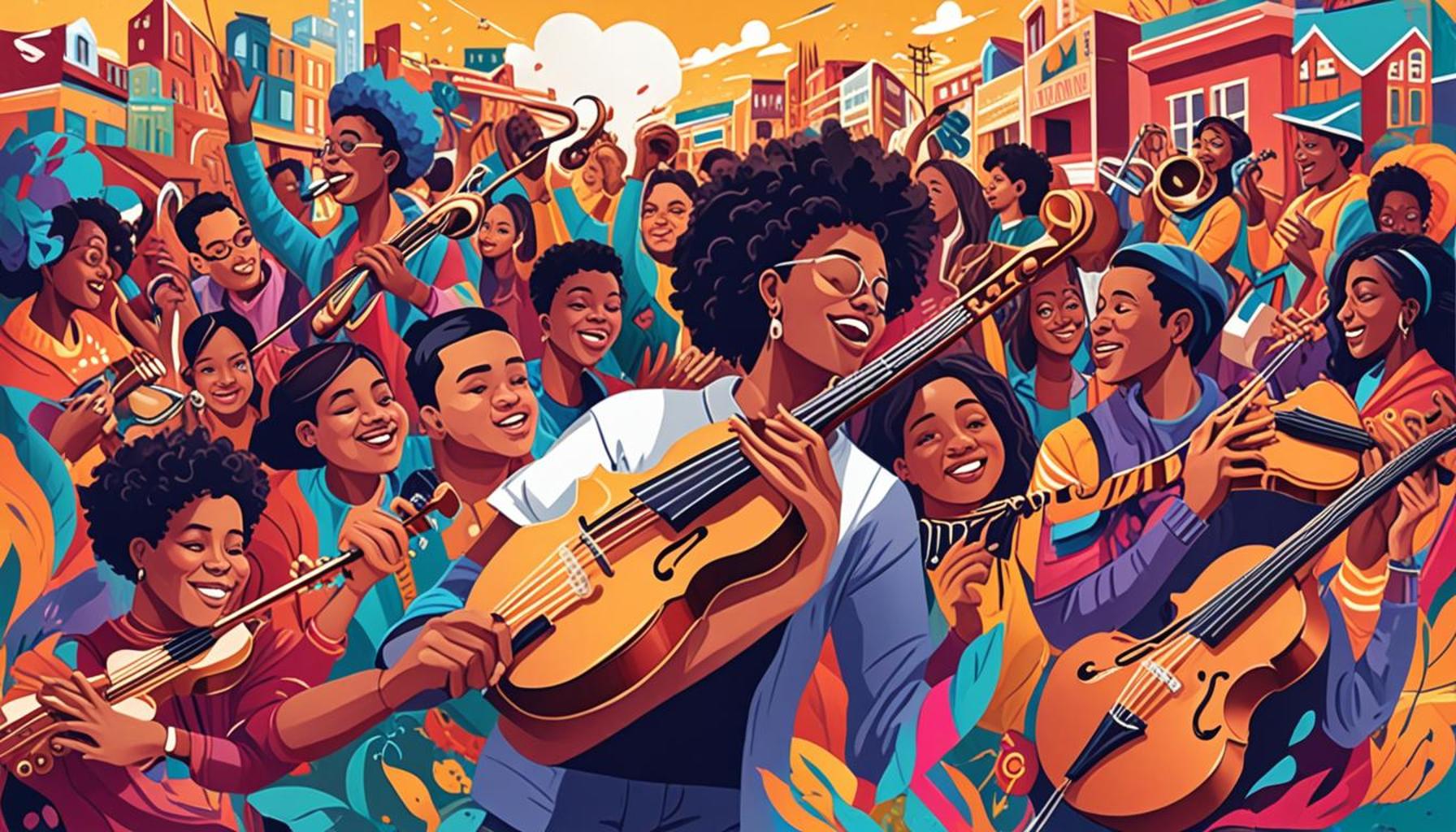
Life in today’s fast-paced society can often lead to feelings of anxiety and stress. However, music making can act as a balm for the soul. Engaging in musical activities, whether through school band practices or adult jam sessions in cozy basements, has profound implications for emotional health. Strumming a guitar, playing drums, or even humming a favorite tune can bring joy and facilitate a sense of well-being, proving that the act of creating music is transformative.
Why Consider Music Making?
Scientific research has increasingly highlighted the myriad benefits associated with music creation. Here are a few noteworthy findings:
- Reduce stress and anxiety: Engaging in music can lower levels of cortisol, the stress hormone, helping to create a state of relaxation. Studies have even shown that just 30 minutes of playing an instrument can lead to a significant decrease in perceived stress levels.
- Enhance cognitive abilities: Playing music has been linked to increased brain function. For instance, musicians often demonstrate superior memory and attention skills compared to non-musicians. In a study published in the journal, “Psychology of Music,” children who participated in regular music lessons showed improvements in their academic performances.
- Boost self-esteem: Creating music provides an avenue for personal expression, enhancing confidence levels as individuals share their unique sounds and stories. Musicians often remark on the exhilarating feeling of performing, which can empower them both on stage and in everyday life.
Concerts and musical gatherings certainly offer a delightful way to experience music, but the benefits of music making extend far beyond these events. Let’s explore how engaging with music can empower individuals in various aspects of life:
- Improving social connections: Music facilitates community building and strengthens relationships among individuals who share similar interests, whether they are jamming with friends or participating in community choirs.
- Offering a constructive outlet for emotions: Music serves as a safe space to express feelings; whether it’s joy, sorrow, or frustration, the emotional release can lead to improved mental health and resilience.
As we delve deeper into the therapeutic aspects of music making, it becomes increasingly clear how this accessible art form can transform everyday experiences into opportunities for healing, growth, and connection. Envision a world where every person can harness the power of sound not only for enjoyment but as a tool for personal development and community enrichment. The journey into music making is not just about notes and rhythms; it’s about unlocking potential within ourselves and others through the universal language of sound.
DISCOVER MORE: Click here to ignite your imagination
The Science Behind Sound Healing
The therapeutic benefits of music making are not merely anecdotal; numerous studies underscore its positive effects on emotional and psychological well-being. Neurobiological research suggests that the brain’s reward system is activated when individuals engage in music creation, releasing dopamine, a neurotransmitter associated with pleasure and reward. This biochemical reaction confirms why many people turn to music-making as a mood booster, particularly during challenging times.
Music as a Stress Reliever
In a world where stress is all too common, music making emerges as a powerful antidote. Engaging in musical activities allows for a focused distraction from daily worries and concerns. According to recent studies, such as one published in the Journal of Music Therapy, participants who engaged in group music sessions reported a marked decrease in anxiety and an increase in feelings of calm and connection with others. This phenomenon can be attributed to several factors:
- The flow state: When people play instruments or engage in musical improvisation, they often enter a state of flow, a mental zone where they are fully present and focused. This immersion can effectively reduce stress levels.
- Social support: Music making acts as a communal experience, fostering connections through shared activities. These social interactions can mitigate feelings of isolation, which is a contributing factor to anxiety.
- Mindfulness and relaxation: The act of creating music encourages mindfulness. As individuals focus on the rhythm and melodies, they often feel a sense of tranquility, akin to the benefits experienced through meditation.
These elements converge to create a stress-reducing experience that can be practiced by anyone, regardless of musical talent. Whether strumming a guitar, playing the piano, or even singing along to a favorite song, the act of making music can lead to substantial improvements in mood and mental clarity.
The Role of Music Making in Emotional Processing
Beyond alleviating stress, music making also provides a profound mechanism for emotional expression. It enables individuals to articulate feelings that may be difficult to convey through words alone. This cathartic process can be beneficial in several dimensions:
- Emotional release: Writing songs or improvising can serve as a compelling outlet for pent-up emotions. It gives individuals the freedom to express feelings of sadness, anger, or joy in a constructive manner.
- Understanding oneself: Through music, people often gain insights into their emotions and experiences. Engaging with music helps to foster self-awareness, allowing individuals to explore complex feelings in a safe environment.
- Healing past traumas: Music therapy programs are increasingly utilized in various therapeutic settings to help individuals work through trauma, providing a non-verbal medium for processing painful experiences.
As we uncover the transformative potential of music making within daily life, it becomes evident how crucial this practice is in enhancing emotional health. This accessible form of art not only promotes personal growth but also fosters a deeper connection with others, ultimately contributing to a richer and more fulfilled life.
| Category | Key Features |
|---|---|
| Emotional Well-being | Music-making can significantly boost mood and reduce symptoms of depression and anxiety. |
| Social Connection | Participating in music groups enhances social skills and fosters a sense of community. |
| Cognitive Development | Learning music engages multiple brain areas, improving memory and attention. |
| Physical Health | Playing instruments can enhance motor skills and coordination, contributing to overall physical health. |
Music making can be a profound method for enhancing emotional well-being. Research has shown that engaging in musical activities can elevate mood and act as a buffer against feelings of depression and anxiety. Notably, the act of creating music, whether through singing or playing an instrument, releases feel-good hormones such as dopamine and oxytocin, establishing a pathway to emotional healing. Furthermore, music serves as a powerful tool for social connection. Participating in group music-making fosters camaraderie and builds lasting relationships, essential components that contribute to psychological health. This sense of belonging can provide a support network, vital for mental resilience.Cognition also benefits through music engagement. Studies indicate that learning to play an instrument activates various regions within the brain, enhancing cognitive functions like memory retention and attention span. These skills not only apply to music but also translate positively into academic and professional environments.Physical health sees improvements as well; playing an instrument necessitates coordination and fine motor skills, which leads to better overall physical dexterity. These benefits, combined with the joy music brings, create a comprehensive approach to wellness, making music making an invaluable tool in navigating everyday life.
DIVE DEEPER: Click here to uncover more about artistic expressions
The Impact of Music Making on Cognitive Function
In addition to its emotional benefits, music making plays a significant role in enhancing cognitive function. Engaging in musical activities stimulates various areas of the brain, leading to improved mental acuity, memory, and even problem-solving skills. Numerous studies highlight these cognitive advantages, suggesting that music making is not only beneficial for mental health but also for the brain’s overall performance.
Cognitive Engagement and Neuroplasticity
The concept of neuroplasticity—the brain’s ability to reorganize itself by forming new neural connections in response to learning and experience—has been a focal point in understanding how music making impacts cognitive health. Research shows that learning to play an instrument can increase the density of the gray matter in the brain, indicative of improved cognitive capabilities. A study conducted by neuroscientists at the University of California found that musicians often outperform non-musicians in tasks requiring memory and attention due to their ability to multitask and integrate sensory information.
- Enhanced memory skills: The intricate processes involved in music making—such as reading sheet music, coordinating finger movements, and auditory processing—serve to improve overall memory retention. This is why many educators advocate for music education as a critical component of a well-rounded curriculum.
- Improved executive functions: Music creation demands higher-level cognitive skills such as planning, problem-solving, and critical thinking. Regular practice can lead to better management of time and resources, fostering skills essential for success in academic and professional endeavors.
Music Making as a Form of Therapy
Another noteworthy aspect of music making is its application in therapy, where it is used as a tool for rehabilitation and recovery. Music therapy programs are increasingly popular across the United States, utilized to assist individuals dealing with conditions such as anxiety, depression, Alzheimer’s disease, and post-traumatic stress disorder (PTSD).
- Physical rehabilitation: For stroke survivors or those suffering from mobility issues, music therapy can provide a rhythmic auditory cue to aid motor skills and movement coordination. Research has shown that drum circles and similar group musical activities can lead to significant improvements in coordination and strength.
- Memory care: For those with Alzheimer’s or dementia, familiar songs can trigger memories and improve emotional well-being. Therapeutic interventions that incorporate music have had profound effects on patient engagement and overall quality of life, often resulting in reduced agitation and increased sociability.
Ultimately, the enriching nature of music making transcends mere entertainment. It positions itself as a transformative and healing practice woven into the fabric of everyday life. Those who embrace the act of creating or performing music can expect not only a boost in their emotional and mental health but also a powerful enhancement of their cognitive abilities. As more people discover these therapeutic benefits, the importance of music making in daily living becomes increasingly evident, encouraging broader adoption and exploration of its profound impacts.
DIVE DEEPER: Click here for inspiring DIY projects
Conclusion: Embracing the Power of Music Making
In summary, the therapeutic benefits of music making extend far beyond the joy of creating sounds. It serves as a powerful medium for emotional healing and cognitive enhancement. From improved mental health outcomes to the stimulation of brain functions, engaging in music making offers a holistic approach to well-being. As we have explored, the intricate relationship between music and mental acuity reveals significant improvements in memory, attention, and overall cognitive functioning. Moreover, the application of music in therapeutic settings demonstrates its profound impact on rehabilitation and mental health recovery.
As we navigate through our busy lives, incorporating music into our daily routines presents an opportunity to foster connections, boost creativity, and improve our emotional landscape. In a society where stress and anxiety are increasingly prevalent, turning to music as a source of solace and empowerment can create a pivotal shift in one’s mental health journey. Community programs, educational initiatives, and personal exploration of music-making practices can further facilitate these benefits, underscoring the need to integrate music into everyday life.
Ultimately, recognizing music making as not just an artistic endeavor but as a crucial aspect of mental and emotional wellness can transform our approach to health and lifestyle. Encouraging individuals of all ages to participate in music making will not only enrich their lives but also nurture a culture that values creativity, connection, and holistic health. As research progresses, it is clear that the sounds we create hold more than just notes; they possess the key to our improved well-being.