
The Impact of Literary Festivals on Local Communities: Celebrating Culture and Creativity
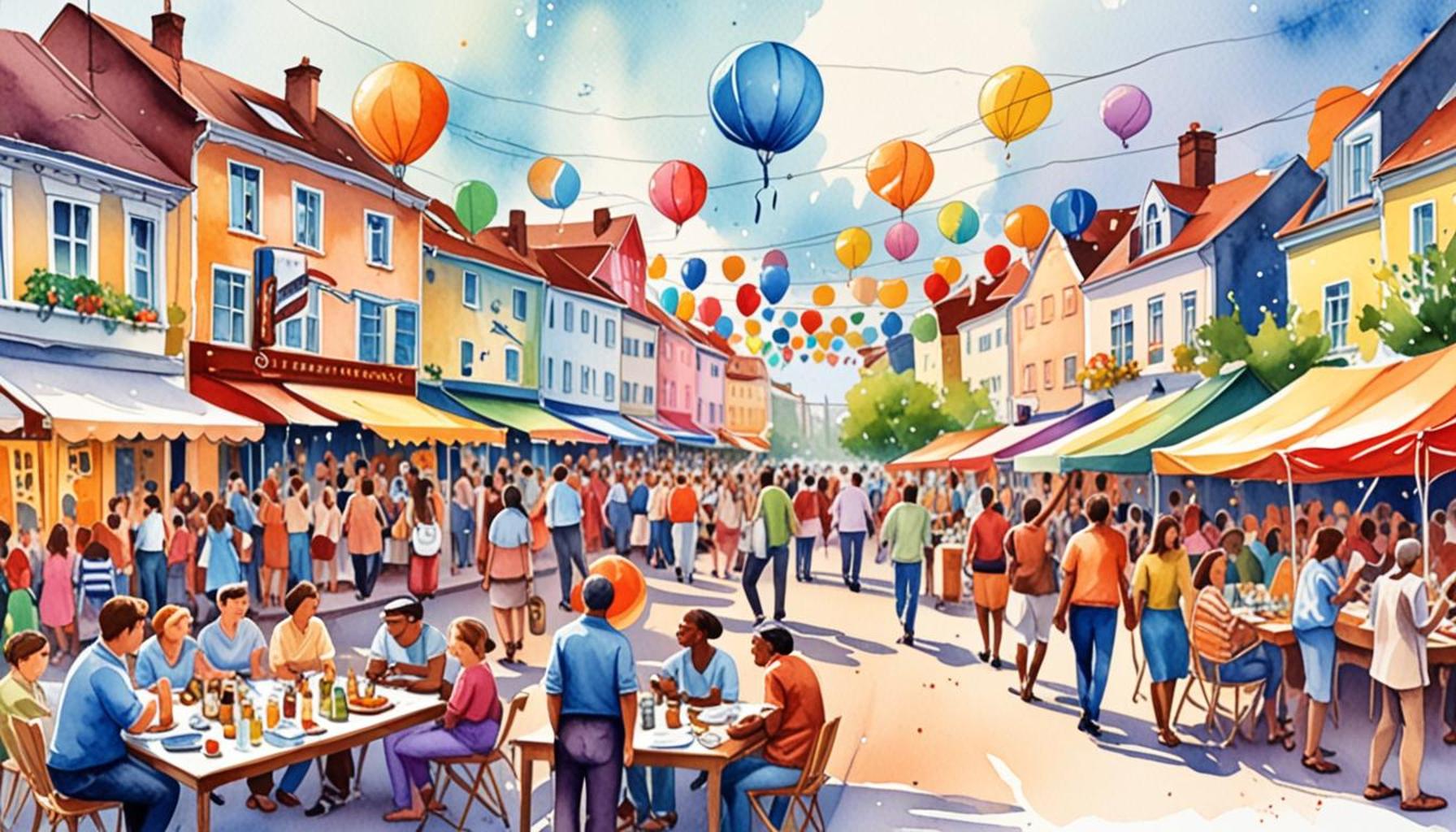
The Role of Literary Festivals in Community Development
Literary festivals serve as vibrant hub for literary enthusiasts, transcending the mere act of reading to create a dynamic platform that fosters cultural exchange. In 2022, *over 500 literary festivals* were held across the United States, showcasing an array of authors, from literary giants to remarkable newcomers making their debut. These events do more than celebrate literature; they embed themselves in the social fabric of their respective communities, influencing them in various important ways.
Diversity of Voices
One of the most compelling aspects of literary festivals is their dedication to amplifying *diverse voices*. These gatherings emphasize underrepresented authors and various genres, from young adult fiction to poetry in translation. For example, the Brooklyn Book Festival in New York has consistently spotlighted authors from different backgrounds, ensuring that attendees hear stories from varied perspectives. This inclusivity fosters a richer understanding of cultural narratives while encouraging attendees to engage with literature that they might not encounter otherwise.
Economic Boost
Literary festivals also provide a notable *economic boost* to their host communities. These events draw tourists who may otherwise have never visited the area, creating business opportunities for local bookstores, cafés, hotels, and restaurants. For instance, the Miami Book Fair attracts approximately 300,000 visitors each year, significantly impacting local businesses. This influx of visitors not only enhances the vibrancy of the local economy but also underscores the importance of the arts in sustaining community life.
Community Engagement
Beyond just showcasing literature, literary festivals are a hotbed for *community engagement*. Many festivals offer workshops, panel discussions, and author readings, which inspire creativity and encourage interaction among attendees. The Los Angeles Times Festival of Books sets the bar high with interactive sessions where aspiring writers can receive feedback from industry professionals. These workshops not only nurture the talents of individuals but also create a sense of belonging and shared experience, reinforcing community ties.
Moreover, these cultural gatherings can have lasting effects on community identity and cohesion, shaping how locals view themselves in relation to the broader world. By bringing together people of various backgrounds and interests, literary festivals can bring about dialogue and understanding that transcends mere entertainment, laying the groundwork for a more united community.
In considering the implications of literary festivals, one can see how these events curate a *unique cultural tapestry* within their host regions. What begins as a simple gathering can evolve into a transformative experience, flourishing with creativity, connection, and collaboration. Through promoting literacy and enhancing cultural appreciation, festivals ensure that the love for literature continues to thrive, affecting lives in ways that transcend the pages of books.
DISCOVER MORE: Click here to dive deeper into the evolution of music
Fostering Literary Education and Literacy
Another profound impact of literary festivals is their commitment to promoting *literary education and literacy* within local communities. These festivals often collaborate with schools, libraries, and community centers to develop educational programs that engage all ages and backgrounds. Through targeted outreach, literary festivals ensure that opportunities for literary engagement are accessible to various segments of the population, including students, educators, and families.
Inclusive Educational Programs
Many literary festivals feature tailored programs designed to inspire a love for reading and writing among young attendees. For example, the *Manhattanville College Literary Festival* incorporates school visits and student workshops, enabling aspiring young writers to interact with published authors. Such initiatives not only foster creativity but also encourage literacy by introducing youth to the joys of storytelling in various formats.
- Youth Workshops: Hands-on sessions for young participants often include activities like poetry creation, journaling, and graphic novel craft, establishing a solid foundation for their writing skills.
- Author Appearances: Authors often visit schools or participate in panels, providing students real-world insight into the writing process and the publishing industry.
- Book Giveaways: Many festivals organize book giveaways to ensure that every child has access to literature, stimulating reading beyond the festival grounds.
This nurturing environment helps cultivate a community that values education and creativity, encouraging not only children but also adults to explore literary pursuits. Studies show that *communities with access to literary programming witness a marked increase in literacy rates*, as individuals become inspired to read and write more frequently. In this way, literary festivals play a pivotal role in breaking down barriers to literary education and empowering residents to express their thoughts and ideas creatively.
Celebrating Cultural Heritage
Literary festivals also act as a celebration of *cultural heritage*, allowing local voices to share their stories and traditions. Each region has its unique narratives, and literary festivals provide a platform for community members to explore and express these through various literary forms. For instance, the *National Black Writers Conference* held in Brooklyn highlights African American literature and encourages discussions surrounding the cultural significance of these stories. Such events validate local identities and promote pride in shared heritage.
By offering a blend of programming that focuses on both educational initiatives and cultural representation, literary festivals become powerful agents for positive change. Their emphasis on inclusivity and community engagement enables local populations to come together, sparking dialogue and fostering connections that transcend cultural and social barriers. The result is a community more empowered by its diversity, equipped to support one another while celebrating the richness of its literary landscape.
The Role of Literary Festivals in Economic Growth
Literary festivals have become vital cultural events that not only celebrate the written word but also significantly contribute to the economic growth of local communities. By attracting bibliophiles, authors, and literary enthusiasts, these festivals bring a wave of tourism that benefits local businesses. Hotels, restaurants, and shops often experience a noticeable uptick in sales during festival weekends, stimulating the local economy. Furthermore, festivals create job opportunities, from logistics to event management, providing valuable experience for local residents.Additionally, these gatherings showcase local talent, allowing independent authors and artists to gain visibility and engage with broader audiences. This exposure can lead to book sales and event invitations, fostering a thriving creative ecosystem. As communities rally around these festivals, they foster a sense of pride and connectivity among residents, enhancing their cultural identity.
Educational Impact of Literary Festivals
Literary festivals serve as an educational platform, offering workshops, talks, and panels that enrich attendees’ understanding of literature and writing. Renowned authors and literary experts often share their insights, inspiring local students and aspiring writers to pursue their creative endeavors. Schools and universities frequently collaborate with festivals, providing students with opportunities to engage directly with literature outside the classroom setting. The interactive nature of these events fosters critical thinking and creative expression, equipping the next generation with the skills essential for cultural engagement.Moreover, festivals often highlight diverse voices and stories, promoting inclusivity and dialogue around various themes such as identity, social justice, and history. This encourages community members to explore different perspectives, enriching their understanding of the world around them. By putting literature at the forefront, festivals ignite passion for reading and writing, creating an enduring impact on cultural literacy within the community.
Social Cohesion and Community Building
The social aspect of literary festivals cannot be overlooked. These events act as a catalyst for community building, bringing together people from diverse backgrounds to share their love for literature. The atmosphere of celebration fosters connections among attendees, authors, and local businesses, creating a vibrant community spirit. Through discussions and networking opportunities, attendees can engage with one another, building friendships and collaborative projects that may extend beyond the festival.As literary festivals often support community initiatives and charitable causes, they encourage residents to contribute to local welfare. The collective experience of celebrating culture and creativity can lead to increased volunteerism and community service, strengthening the fabric of society. By uniting people through literature, these festivals facilitate meaningful conversations and promote empathy, ultimately enriching the community’s cultural landscape.
| Advantages | Impacts on Local Communities |
|---|---|
| Economic Stimulation | Boosts local businesses and creates jobs. |
| Educational Opportunities | Encourages literacy and fosters creative skills. |
| Social Cohesion | Brings communities together, enhancing connections. |
The impact of literary festivals on local communities extends well beyond mere celebrations of literary arts; they serve as significant engines of growth, education, and social connection. Through these enriching experiences, communities can thrive by embracing creativity and culture.
DIVE DEEPER: Click here to uncover more insights
Encouraging Economic Development and Tourism
Another significant influence of literary festivals on local communities is their ability to drive *economic development and tourism*. By attracting not only local attendees but also visitors from other regions, these festivals inject much-needed revenue into local economies. They provide opportunities for small businesses such as restaurants, hotels, and shops to flourish as festival-goers seek dining and accommodation options during their stay.
Boosting Local Businesses
The economic impact can be substantial; for example, the *Virginia Festival of the Book* attracts thousands of participants each year, all of whom contribute to the local economy. A study found that participants spent an average of $150 per day during their visit, translating into significant earnings for local vendors and service providers. This influx of money not only benefits individual businesses but also generates tax revenue, which can be reinvested into community infrastructure and services.
- Food and Beverage Industry: Festivals often feature a variety of food stalls and local eateries, offering cuisine that showcases the region’s flavors, thus enhancing the festival experience while simultaneously promoting local culinary talents.
- Accommodations: Hotels and bed-and-breakfasts see an uptick in bookings during festival weekends, as visitors travel to participate in the literary events, thus bolstering the hospitality sector.
- Local Artisans and Craftspeople: Many festivals include space for local artists and craftspeople to showcase and sell their work, promoting the local arts scene while creating opportunities for artists to gain visibility.
Enhancing Community Cohesion
Literary festivals also serve as a vital platform for *community cohesion*, fostering a sense of belonging and shared experience among attendees. These events often bring together diverse populations, uniting people from different backgrounds through the shared love of literature. Such gatherings create opportunities for dialogue and interaction, allowing individuals to engage in discussions that deepen their understanding of varied perspectives and cultures.
For instance, the *Writers and Readers Festival* in Houston highlights the importance of storytelling across cultures, encouraging local authors to share their experiences alongside international writers. This rich exchange promotes empathy and understanding within the community, demonstrating how literature can serve as a bridge to connect people.
Moreover, these festivals frequently include community forums and open mic sessions, offering residents the chance to voice their thoughts and narratives. This participatory aspect creates a deeper investment in the festival and strengthens bonds between community members. As a result, individuals feel more connected not just to the literary community, but also to their geographic and social landscapes.
In summary, the role of literary festivals extends beyond simple entertainment; they are instrumental in catalyzing *economic growth* and nurturing *community connection*. By simultaneously celebrating culture, supporting local businesses, and fostering unity through literary arts, these dynamic events highlight the way literature can shape and enhance local life.
EXPLORE MORE: Click here to discover the therapeutic benefits of music-making
Conclusion
In conclusion, *literary festivals* serve as essential catalysts for enriching local communities, intertwining *culture* and *creativity* in a celebration that resonates far beyond the event itself. The evidence is compelling: these festivals not only boost local economies through increased tourism and spending but also foster community cohesion by bringing together diverse groups united by their love of literature. With notable examples like the *Virginia Festival of the Book* and the *Writers and Readers Festival* in Houston, it is clear that these gatherings are more than mere entertainment; they create vibrant hubs of cultural exchange.
The economic benefits translate directly into opportunities for local businesses, from food vendors to artisans, while providing a platform for artists to gain visibility. This symbiotic relationship between the festivals and the community underscores the importance of investing in such events—not merely for their immediate financial impact, but for their potential to cultivate a sense of belonging and shared identity among residents. Moreover, as communities increasingly prioritize inclusivity and diversity, literary festivals can play a pivotal role in bridging divides, facilitating conversations that enrich the cultural tapestry of society.
As we look to the future, fostering and supporting these literary celebrations will be crucial in ensuring that creativity continues to thrive within our communities. Hence, embracing the power of literature offers a pathway to a more connected, enriched, and resilient community life. It invites all of us to not only partake in the discourse but to engage actively in shaping the narratives that define our shared experiences.