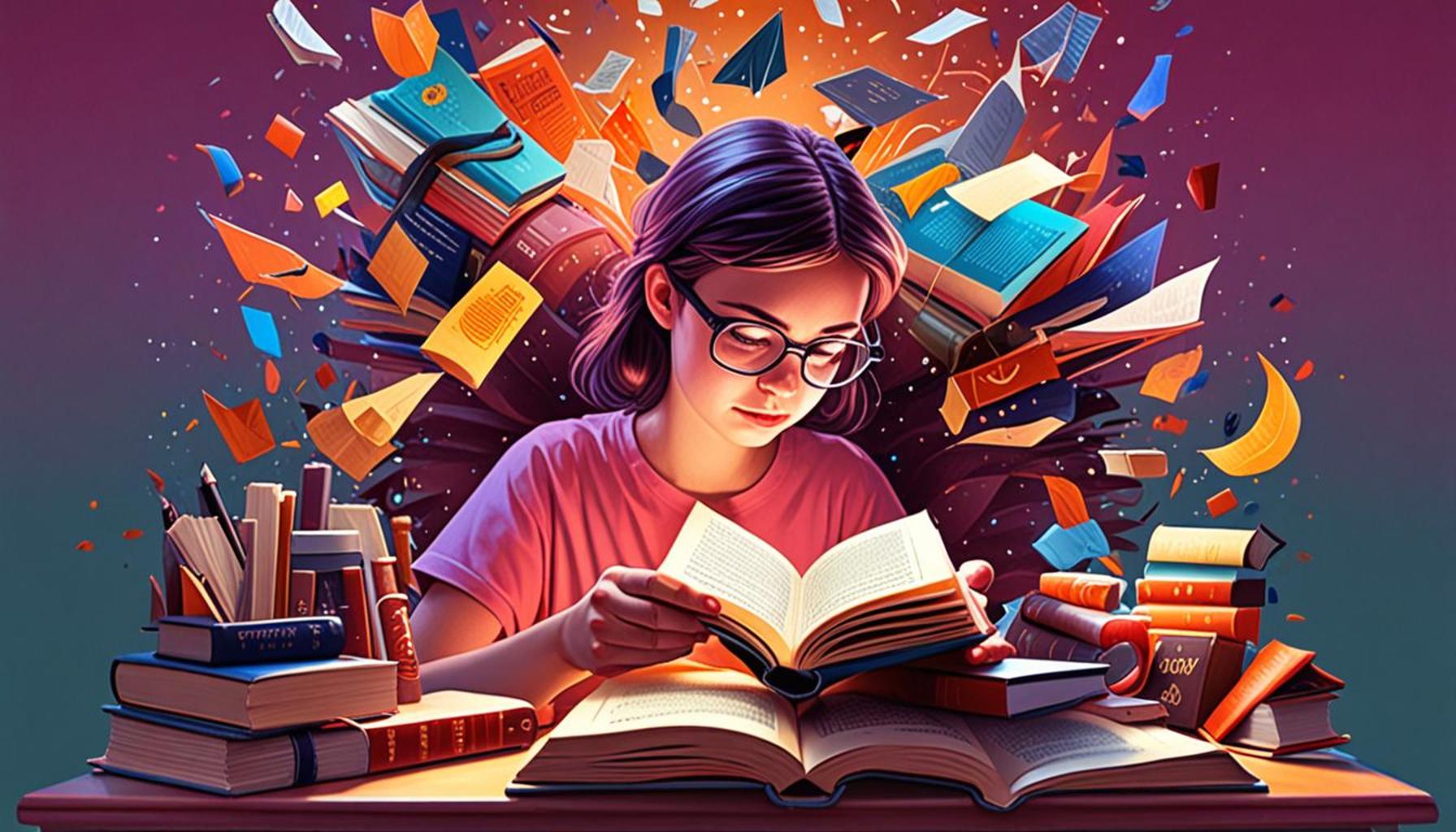
The Role of Literary Escapism in Modern Society: Finding Refuge in Fiction

The Allure of Literary Escapism
In today’s fast-paced world, many people find comfort and solace within the pages of a great book. This phenomenon, known as literary escapism, provides readers an opportunity to transcend their everyday realities, immersing themselves in intricate plots, vibrant characters, and fantastical settings. The attraction to fictional narratives is not merely driven by a desire for entertainment but rather encompasses a deeper psychological need for connection and relief.
Let’s delve into the reasons why readers are consistently drawn to works of fiction:
- Stress Relief: In a society where anxiety and stress are prevalent, turning to a book serves as a powerful coping mechanism. Readers often find themselves transported away from the tensions of their daily routines. For instance, during challenging times like the COVID-19 pandemic, many opted for fiction to temporarily escape their fears and uncertainties, discovering safety and solace in imagined worlds.
- Emotional Connection: Literature allows readers to forge emotional bonds with characters who often reflect their struggles and triumphs. Classics like The Great Gatsby or contemporary novels like Little Fires Everywhere explore human emotions in depth. These narratives enable readers to experience various perspectives, thereby fostering a sense of empathy that can be lacking in personal interactions.
- Adventure and Discovery: Books invite readers on exhilarating journeys, whether that be saving a kingdom in a fantasy epic or unraveling a mystery in a thrilling novel. Titles like The Hobbit or The Girl with the Dragon Tattoo highlight how storytelling can ignite the imagination and inspire real-life exploration, urging readers to seek new experiences.
The rise of digital platforms has made literature more accessible than ever. E-readers and audiobook services have significantly changed how we engage with stories, enabling readers from all walks of life to explore genres ranging from classic literature to contemporary fantasy. This accessibility facilitates a broader exploration of themes and stories, allowing readers to fulfill their emotional and imaginative needs in ways that were previously not possible.
Moreover, the implications of turning to fiction stretch well beyond mere enjoyment. Recent studies indicate that engaging with literature can enhance mental health and well-being. For example, reading has been linked to improved cognitive function, increased empathy, and even a reduction in symptoms of depression and anxiety. As the world becomes increasingly chaotic, the role of books as a balm for the human spirit becomes ever more important.
So, how does this form of escapism shape our society today? The answer lies in recognizing the transformative power of narrative. In a time where genuine human connection can feel strained, literature provides a means to understand our own experiences while fostering a shared sense of humanity. As readers continue to explore diverse worlds and characters, they not only engage in personal growth but also contribute to a collective understanding of the complexities of the human condition. This dual impact of fiction on individuals and society illustrates why literary escapism remains a vital aspect of our cultural landscape.
DISCOVER MORE: Click here to dive into the evolution of music
Psychological Benefits of Escapism Through Literature
As the world continues to evolve rapidly, so does the human experience, often accompanied by a wave of uncertainty and stress. In such times, literary escapism provides a much-needed refuge, offering more than just temporary relief. Engaging with fictional narratives creates an avenue for individuals to process their reality, explore their thoughts, and experience emotions in a safe environment. The psychological benefits of indulging in literature are profound, contributing not only to enhanced mental well-being but also to personal development.
One significant psychological benefit of reading fiction is its ability to foster empathy. In a study conducted by researchers at the University of Toronto, it was found that reading literary fiction can enhance our ability to understand others’ emotions and perspectives. Characters often face dilemmas that readers relate to, allowing them to step into someone else’s shoes. This connection provides insights into the complexities of human relationships and can lead to greater compassion in real-life interactions.
Moreover, fiction allows readers to confront their own emotions indirectly. Through the challenges faced by characters in stories ranging from the heartwarming to the heart-wrenching, readers can explore their feelings in a way that feels safe and manageable. This opportunity for reflection is incredibly useful for individuals grappling with issues such as anxiety and depression. According to the National Endowment for the Arts, individuals who regularly engage with literature exhibit lower levels of distress, suggesting that the act of reading itself serves as a valuable form of therapy.
Fiction as a Catalyst for Personal Growth
In addition to emotional healing, literature plays a pivotal role in personal growth and self-discovery. Books challenge readers to think critically and question their beliefs, broadening their worldviews. This is particularly evident in works that delve into social and cultural issues, such as those found in the writings of acclaimed authors like Toni Morrison and Chimamanda Ngozi Adichie. Through their enlightening narratives, readers are encouraged to confront uncomfortable truths and expand their understanding of societal dynamics.
- Increased Cognitive Abilities: Engaging with complex narratives stimulates brain activity that enhances critical thinking skills. Readers become adept at drawing connections and making inferences, skills that are applicable in both personal and professional settings.
- Enhanced Creativity: The imaginative worlds crafted by authors serve as inspiration for readers, fostering creativity. This can lead to new forms of expression, whether through writing, art, or other avenues.
- Stronger Coping Mechanisms: As readers lose themselves in stories, they often develop healthier coping strategies for managing life’s obstacles, equipping them with tools to navigate adversity in their daily lives.
In essence, the enchanting world of literature is more than just a pastime; it serves as a vital tool for fostering mental resilience and nurturing self-awareness. In a society where face-to-face interactions can sometimes feel superficial, literature bridges the gap by urging readers to connect deeply—with themselves and others. In doing so, it reinforces the idea that finding refuge in fiction is an essential component of a fulfilled and balanced life.
In the whirlwind of modern life, characterized by its challenges and uncertainties, many people find solace in the pages of books. Literary escapism serves as a significant refuge, allowing individuals to transcend the harsh realities of their everyday existence. The immersive world of fiction provides an emotional sanctuary where readers can explore different lives and perspectives without leaving their comfort zones.One of the notable advantages of literary escapism is its ability to foster empathy. By diving into diverse narratives, readers can experience the world through the voices of characters that are often far removed from their own experiences. This not only deepens their understanding of differing cultures and societal issues but also cultivates a sense of compassion and connection with others. Empathy allows readers to relate to others’ struggles, igniting a sense of shared humanity that is essential in today’s fragmented society.Moreover, books act as a vehicle for self-reflection. Many readers discover aspects of themselves within the characters and plotlines they engage with. This self-discovery through fiction can lead to personal growth, encouraging individuals to confront their challenges or explore new avenues in life. The act of reading can provide clarity during overwhelming times, prompting readers to rethink their dilemmas or inspire them to change.Additionally, fiction serves a therapeutic function, helping individuals to process their emotions. Engaging with stories can provide a safe space to confront feelings of anxiety, loneliness, or grief. Literary escapism offers a temporary respite, reducing stress levels and enhancing mental well-being. Whether it’s the thrilling adventure of a fantasy novel or the tender unfolding of a romance, readers find comfort and strength in their literary journeys.Ultimately, the role of literary escapism in modern society cannot be overstated. It acts as a powerful tool for emotional healing and personal understanding, providing not just entertainment but also an intricate web of benefits that can enrich lives in profound ways. As readers navigate their own stories, they may uncover a renewed sense of hope and resilience, underscoring the transformative power of fiction in a fast-paced world.
DISCOVER MORE: Click here for insights on transitioning to a professional music career
Literary Escapism and Community Connection
While the individual psychological benefits of literary escapism are crucial, the communal aspect of engaging with literature cannot be overlooked. In a world increasingly defined by digital interactions, the shared experience of reading fosters connections that transcend geographical and cultural barriers. Book clubs, literary festivals, and online reading communities serve as platforms for readers to gather and discuss their interpretations, bonding over the diverse worlds that fiction opens to them.
These communal exchanges not only enrich the readers’ comprehension of the texts but also cultivate a sense of belonging. For instance, the rise of online platforms such as Goodreads and Bookstagram—where literature enthusiasts share their thoughts and reviews—has redefined how readers interact in the digital age. These forums facilitate vibrant discussions that deepen appreciation for varying genres, ranging from classic literature to contemporary novels.
The Role of Fiction in Addressing Social Issues
Literature also plays an influential role in raising awareness of social issues, offering readers insights into the lives of others that they may not experience in their daily lives. Author Colson Whitehead’s works, especially his Pulitzer Prize-winning The Underground Railroad, expose readers to historical injustices while weaving an engaging narrative that prompts crucial discussions about race and equality in America. Similarly, novels like The Hate U Give by Angie Thomas underscore contemporary challenges related to systemic racism and police brutality, encouraging empathy and activism among readers.
- Expanding Cultural Horizons: Literary escapism aids in dismantling stereotypes by presenting diverse perspectives—allowing readers to develop a more nuanced understanding of cultures, traditions, and values beyond their immediate environment.
- Encouraging Critical Discourse: Books that challenge the status quo promote open dialogue about contentious subjects that are often taboo in everyday conversations, fostering an environment where societal healing can begin.
- Activism through Literature: Literature becomes a powerful tool for activism by inspiring readers to take action and contribute towards change, be it through community engagement or discussions that spark social movements.
As modern society grapples with multifaceted challenges, the role of literary escapism as a catalyst for social change becomes increasingly evident. Fiction not only entertains but also educates, empowers, and unites individuals, creating a collective refuge that transcends the personal experience. Furthermore, authors often challenge their readers to reflect on their actions, inciting a transformation that stems from a newfound understanding of shared humanity.
Thus, engaging deeply with literature provides an essential framework for navigating contemporary life’s complexities. It fosters connections among individuals while enriching personal insights, ultimately establishing a strong communal narrative. In this way, literature remains a vital anchor in our quest for meaning and understanding in an ever-changing world, illustrating that the allure of escaping into fiction is not simply about distraction but rather about forging paths to both personal and societal evolution.
DISCOVER MORE: Click here to learn about the connection between music and the environment
Conclusion: The Enduring Significance of Literary Escapism
In an era marked by rapid technological advancements and societal upheaval, the role of literary escapism emerges as a profound necessity for many. As we have explored, immersing ourselves in the pages of fiction offers not just an escape from reality but also a means to engage with our collective experiences. This escapism fosters emotional resilience by providing a temporary haven where readers can recharge and reflect on their lives during stressful times.
The communal aspects of literary engagement further enhance its value, creating networks of connection among diverse individuals united by a shared passion for storytelling. Whether through book clubs or social media platforms, readers find solace in discussing narratives that resonate on a personal level while promoting understanding and empathy towards others. This dialogue demonstrates how literature can entertain but also provoke essential conversations regarding contemporary social issues, from race and equality to mental health and environmental concerns.
Moreover, literary escapism serves as a launching pad for activism, motivating readers to confront societal challenges with renewed vigor and critical thought. As we delve into the insights offered by various authors, we recognize the powerful capacity that fiction has to initiate change in our communities and beyond. The stories we read become a part of our understanding of the world, broadening our cultural horizons and dismantling stereotypes that inhibit progress.
Ultimately, engaging with literature provides a sanctuary where imagination thrives, personal growth occurs, and connections flourish. The allure of fiction extends far beyond entertainment; it shapes our identities and fosters a sense of shared humanity. In navigating the complexities of modern life, turning to the pages of a book is more than just finding refuge—it is about embracing the transformative power of storytelling, encouraging each of us to find both personal and collective pathways toward understanding and evolution.