Art as a Tool for Activism: Uses of Artistic Expression in the Fight for Social Justice
Art as a Catalyst for Change
Throughout history, art has transcended its aesthetic value to become a powerful medium for activism. Artists have harnessed their creativity to challenge societal norms and amplify voices that are often marginalized. The intersection of artistic expression and social justice has led to movements that provoke thought, inspire change, and mobilize communities. Artistic activism not only raises awareness but also encourages engagement in social and political issues.
Art allows for a unique exploration of critical issues such as:
- Racial injustice – Art has been pivotal in shedding light on systemic racism. For instance, the Black Lives Matter movement has been accompanied by a surge of powerful street art that addresses police brutality and racial profiling. Artists like Banksy and local muralists have used their works to challenge the status quo and call for justice.
- Gender equality – Artists challenge gender stereotypes and advocate for women’s rights. The iconic “Fearless Girl” statue on Wall Street stands as a symbol of female empowerment and the fight against gender inequality. Art installations and performances often highlight issues like the wage gap and reproductive rights, prompting societal discussions and policy considerations.
- Environmental activism – Creative expressions highlight the urgency of climate action. Artists around the globe, such as Olafur Eliasson, have created immersive installations that draw attention to climate change and our relationship with nature. Works like “The Weather Project” serve to engage audiences in conversations about environmental stewardship.
- LGBTQ+ rights – Artistic platforms celebrate diversity and advocate for equal rights. The vibrant murals that adorn neighborhoods like San Francisco’s Castro District are not just decorations; they reflect a history of struggle and resilience in the face of discrimination. Art has played a significant role in parades and events like Pride, uniting communities and promoting acceptance.
Creative mediums can vary widely, ranging from street murals and performance art to digital installations and film. These forms of artistic expression serve not only to inform and educate but also to foster a sense of community and solidarity. For example, organizations like the Inside-Out Artist Collective involve incarcerated individuals in creating art that reflects their experiences and challenges, allowing their voices to be heard and their stories to be shared.
In today’s world, where social movements gain momentum online, the role of art in activism continues to evolve and expand. Social media platforms amplify the reach of artistic endeavors, allowing artists to connect their work with audiences around the globe. Campaigns often go viral, and art becomes a vital tool in mobilizing supporters and generating conversations in various public spheres.
As we delve into the vital relationship between art and activism, it becomes evident that this dynamic connection is essential for fostering awareness and driving social progress. Discover how various artists utilize their talents not just to entertain, but to address pressing social issues and inspire transformative change. Art has the power to connect us on shared grounds and ignite the passion required to challenge injustice and inequality, making it a crucial element in the ongoing fight for a better tomorrow.
DISCOVER MORE: Click here to dive deeper
Art as a Voice for the Voiceless
As we explore the multifaceted role of art within activism, it is crucial to recognize its capacity to serve as a voice for those who often go unheard. Artists have an innate ability to distill complex emotions and experiences into tangible expressions that resonate with audiences. By doing so, they create powerful catalysts for social discourse and change, making issues that might otherwise remain hidden easily accessible to a wider audience.
Artistic expression not only illuminates the struggles faced by various marginalized communities but also instigates a call to action. Through various mediums, artists craft works that evoke empathy, provoke reflection, and invite engagement. Here are several significant ways in which artistic expression operates as a tool for activism:
- Storytelling: Art possesses a unique ability to tell stories that might otherwise be overlooked. For instance, visual artists often depict the lived experiences of underserved populations, shedding light on injustices such as homelessness, poverty, and immigration challenges. Documentaries and photo series can capture the essence of personal narratives, igniting discussions about systemic issues affecting these communities.
- Creating Bonds: Art fosters connections between diverse groups of people. The act of creation often brings individuals together, forming coalitions rooted in shared experiences. Participatory art projects invite communities to collaborate, allowing them to express their collective struggles and hopes openly. This collaborative spirit can galvanize action, reinforcing a collective identity in the fight for social justice.
- Public Engagement: Public art, such as murals and installations, transforms urban landscapes into platforms for activism. One notable example is the “Fearless Girl” statue exemplifying women’s empowerment in New York City, which sparked conversations about gender equality in corporate America. Such installations invite passersby to engage with critical social messages, making activism visible in daily life.
- Challenge Power Structures: Artists often use their work to confront systems of power and advocate for change. The Guerrilla Girls, for example, use provocative imagery and humor to address gender and racial inequality in the art world itself. By challenging elitism and discrimination directly, they inspire audiences to question and disrupt the status quo.
The influence of art as a form of activism extends far beyond traditional galleries and theaters—it persists in public spaces, digital platforms, and informal settings. Social media has emerged as a revolutionary space for artists to disseminate their work, allowing activism to reach global audiences with unprecedented speed and impact. Viral art campaigns can draw attention to pressing societal issues, signifying that in the digital age, artistic expression has become both a source of inspiration and a rallying cry for change.
As we delve deeper into the intersection of art and activism, we will uncover remarkable case studies wherein artists, through their works, have successfully influenced public opinion and policy in favor of social justice. From empowering presentations to eye-opening murals, these artistic endeavors serve to remind us that creativity can truly be a force for good, leading the charge for a more equitable society.
Art as a Catalyst for Change
Art has long been recognized as a powerful vehicle for social change, transcending language and cultural barriers to communicate deep emotional truths. When utilized effectively, artistic expressions can galvanize communities, drawing attention to pressing social issues and inspiring action. From protest songs to street murals, artistic mediums enhance the visibility of marginalized voices while fostering critical conversations around social justice.
Visual Arts Illustrating Injustice
Visual arts, including paintings, photography, and installations, often serve as poignant reminders of the struggles faced by various communities. Artists like Kehinde Wiley and Ai Weiwei have used their platforms to challenge narratives around race and government oppression, creating works that demand recognition and solidarity. Such pieces can lead to grassroots movements, where followers take cues from these visual proclamations to advocate for their rights.
Performance Arts and Civic Engagement
Performance art also plays an essential role in activism. Theater productions and performance pieces can portray the realities of social injustice, enabling audiences to empathize with the subject matter. Historical examples, such as the AIDS Activist group ACT UP, used performance art as a method of protest, turning the stage into a platform for education and advocacy. These performances offer not only a space for critique but also a call to action for societal change.
Collaboration Between Artists and Activists
The collaboration between artists and social activists often results in compelling campaigns that can shift public opinions and policies. Initiatives like mural projects and community art installations allow locals to engage directly with the issues affecting them, creating a sense of ownership and empowerment. In this way, art becomes a tool for activism, uniting people in the fight for human rights and equality.
| Advantages | Examples |
|---|---|
| Increases awareness | Street art depicting social issues encourages public dialogue. |
| Fosters community engagement | Collaborative art projects strengthen community ties and empower local voices. |
Through such endeavors, individuals not only express their grievances but also contribute to long-term change, making the arts an indispensable component of the fight for social justice.
DISCOVER MORE: Click here to learn about the influence of community music programs
Art as a Medium for Awareness and Action
Understanding the profound impact of artistic expression in advocating for social justice necessitates a closer examination of art’s role in raising awareness and spurring action. Art transcends language barriers and can communicate across cultures, effectively conveying urgent messages that demand public attention. In this modern era, technology has amplified the reach of artists, allowing their works to resonate with a broader audience than ever before.
One powerful way in which art fosters awareness is through iconic imagery. For example, the striking visual language of artists like Banksy has generated significant dialogue about issues ranging from war to consumerism. His provocative street art, often laden with political commentary, encourages viewers to confront societal problems. In the United States, such art has often appeared in urban landscapes as a response to police brutality and racial injustice, inciting viewers to engage with these critical dialogues.
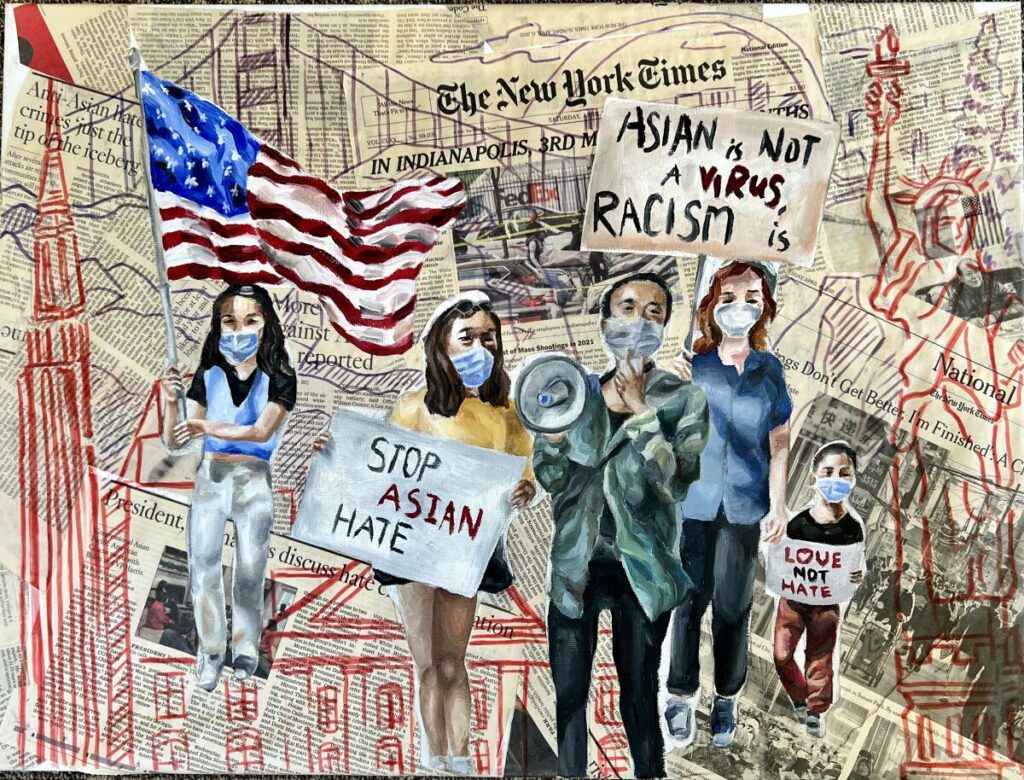
Another notable instance involves the work of the “Hate is a Virus” campaign, which arose in response to anti-Asian racism during the COVID-19 pandemic. Artists and designers collaborated to create digital art that spread virally, shedding light on the harmful narratives associated with the pandemic. This form of activism serves not only to confront prejudice but also to cultivate a sense of community among affected individuals and their allies.
- Art as Education: Artistic expression can also function as a tool of education, equipping activists with the resources needed to inform their audiences. Educational programs in schools that integrate art into the curriculum can enhance discussions around race, equity, and justice. For example, projects such as “Art for Justice” aim to raise awareness about mass incarceration while providing young artists with opportunities to express their thoughts on social change through various art forms.
- Advocacy Through Performance: The performing arts—spanning theater, dance, and music—offer additional avenues for activism. The National Black Theatre’s performances often address systemic racism and historical traumas faced by Black communities. Such productions not only entertain but also educate audiences, leading to greater awareness and understanding of socio-political issues.
- Digital Activism: In the digital realm, artists utilize social media to advocate for social justice, creating content that engages users while raising critical issues. Hashtags associated with art campaigns, such as #BlackLivesMatter, provide platforms for artists to showcase their work while amplifying marginalized voices. The ‘Art for Action’ initiative encourages artists to use their platforms to respond to current affairs actively, demonstrating the power of digital marketing in modern activism.
The role of art as a tool for activism is incredibly diverse and dynamic, adapting to the shifting landscape of social movements. In the face of crises, art has proven to be a valuable resource for protest and change. It has the power to illuminate injustices, offering marginalized voices a prominent platform in the discussion on civil rights, environmental justice, and equity. The breadth of artistic expression—whether through music, visual arts, or performance—continues to bring communities together and inspire collective action across the United States.
The seamless integration of art within activism highlights its profound capacity to effect change, encourage dialogue, and foster solidarity among individuals seeking justice. As various art movements flourish, they serve as reminders of the ongoing struggle for social equity, proving that creativity is an invaluable instrument in the fight for a more just world.
DISCOVER MORE: Click here to dive deeper
Reflections on Art’s Role in Social Activism
In conclusion, the intersection of art and activism creates a potent force for social change, demonstrating the profound capabilities of artistic expression in the fight for social justice. Throughout history, art has served not only as a reflection of societal issues but as a catalyst for awareness, dialogue, and collective action. As we have explored, the diverse modalities of artistic expression—from visual art and theater to music and digital media—offer unique avenues for addressing pressing issues, dismantling barriers, and amplifying marginalized voices.
The examples highlighted, such as the impactful works of Banksy and the “Hate is a Virus” campaign, illustrate how art can mobilize communities and bring critical conversations to the forefront, transcending geographical and linguistic boundaries. Furthermore, educational initiatives like “Art for Justice” and performances by theater companies not only enhance public understanding but also inspire the next generation of activists to embrace creativity as a means of advocacy.
As we navigate an increasingly complex world, the role of art in activism becomes ever more crucial. Its ability to evoke emotion and spark critical thought positions it as an invaluable tool in the continuous struggle for equity, human rights, and environmental justice. Ultimately, embracing artistic expression allows us to explore and reinterpret our shared realities, reminding us that creativity is not only a form of resistance but also a beacon of hope for a more just and equitable society.
As we move forward, the challenge lies in recognizing and harnessing this potential, ensuring that the voices of artists engaged in social justice are not only heard but celebrated and supported. The journey for social change is ongoing, and through art, we can foster a culture of understanding, empathy, and transformative action.