Arts Impact on Mental Health Overcoming Challenges Through Expression
Unlocking the Power of Creativity
Art has long been recognized as a powerful medium for self-expression and communication. Recent studies reveal that engaging in creative hobbies significantly contributes to improved mental health by offering therapeutic benefits that help individuals overcome emotional challenges. This phenomenon spans various forms, from painting and music to writing and dance.
The Relevance of Artistic Expression
With the rise of mental health awareness, the role of creative outlets has gained traction in therapeutic settings. Many people are now turning to artistic expression as a way to navigate stress, anxiety, and depression. This article will delve into the top five artistic activities that have been shown to enhance emotional resilience and foster well-being.
- Reduction of Stress: Art provides a release valve for pent-up emotions.
- Improved Self-Esteem: Creating something can boost confidence.
- Enhanced Communication: Art can convey feelings that are hard to express verbally.
- Increased Mindfulness: Engaging in a creative process encourages presence in the moment.
- Therapeutic Communities: Participating in art groups fosters connection and support.
Prepare to explore the transformative relationship between art and mental health, illuminating how these creative hobbies can pave the way for emotional healing and personal growth.
Top 5: The Influence of Art on Mental Health – How Artistic Expression Helps Overcome Emotional Challenges
Artistic expression has long been intertwined with the human experience, offering a profound way to communicate and process our inner lives. In recent years, the recognition of art’s impact on mental health has gained momentum, becoming an integral component of holistic approaches to emotional well-being. By engaging in creative activities, individuals often find solace, understanding, and healing that transcends traditional therapeutic methods. Below, we delve into the top five ways art enhances mental health and assists individuals in overcoming emotional challenges.
5. Art as a Form of Communication
Art transcends language, making it an effective form of communication, especially when words fall short. For those who struggle to articulate their feelings verbally, art provides an invaluable outlet. This form of expression becomes particularly crucial for individuals facing psychological barriers, whether due to trauma, social anxiety, or developmental disorders. **Art therapy** professionals have long recognized the power of visual and auditory art to convey emotions in ways that spoken language cannot.
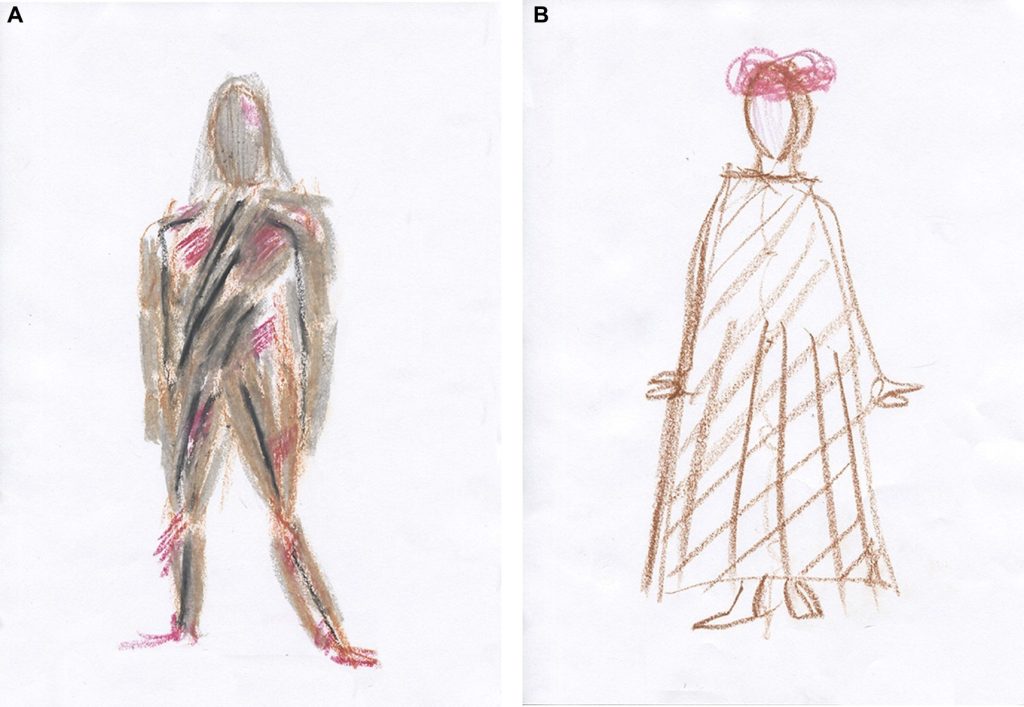
Creating art allows individuals to externalize their emotions, leading to a greater sense of relief and clarity. The act of painting a stormy sea might reveal feelings of turmoil, while sketching a serene landscape could indicate a longing for peace. Beyond traditional art forms, musical creation or dance offer alternative methods of expression. Consider a song that encapsulates the ebb and flow of grief, or a dance that illustrates the intensity of joy; each becomes a language in itself, telling stories where words might fail.
4. Mindfulness and Immersion through Creative Hobbies
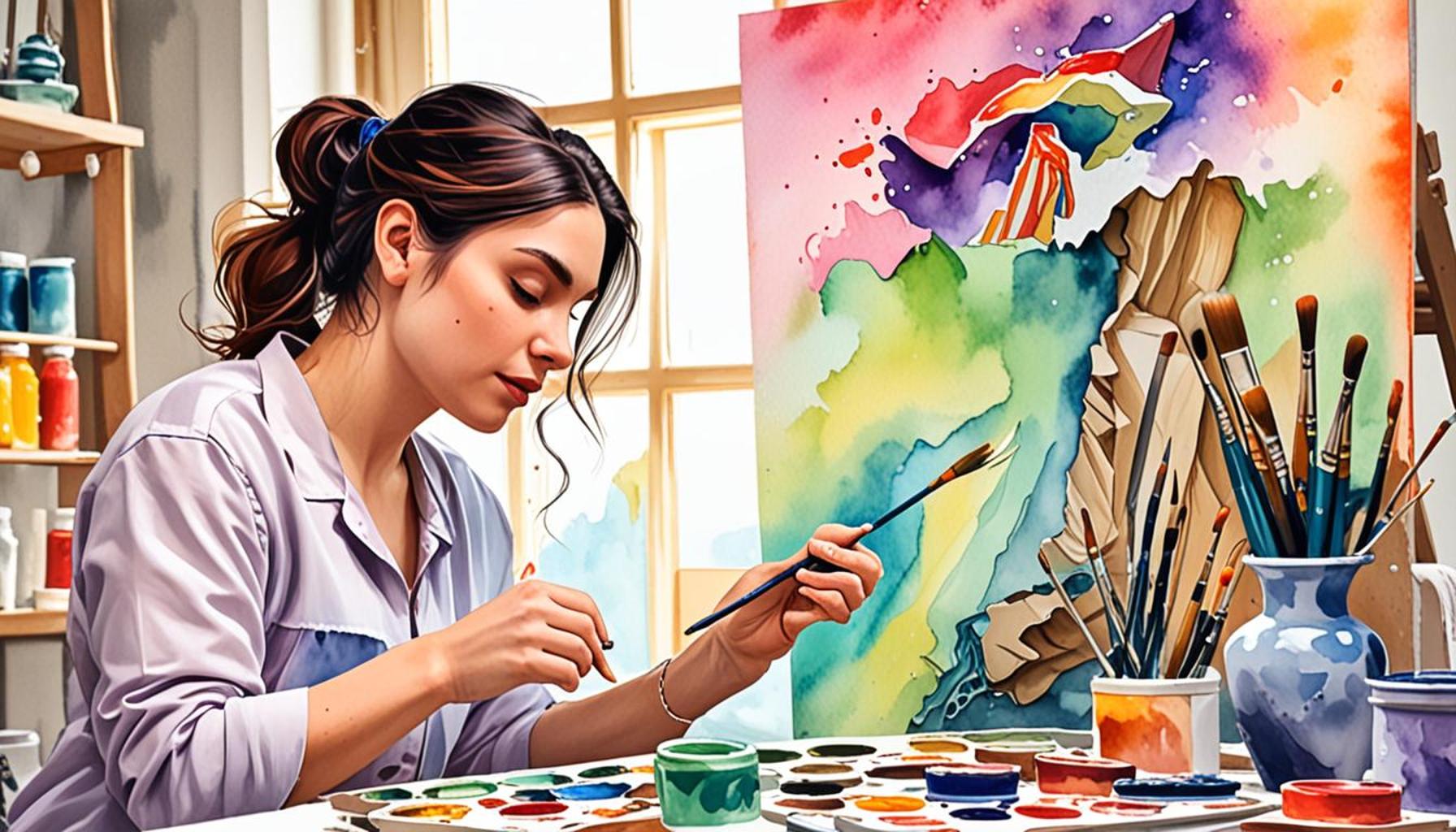
The contemporary interest in mindfulness has brought to light the benefits of engaging fully with the present moment. Art, in its various manifestations, inherently promotes this state of presence. Whether it’s the meticulous detail required in **drawing a portrait** or the rhythmic repetition of a pottery wheel, creative activities demand focus and dedication. This immersion aligns with the concept of “flow,” a mental state where the creator is fully absorbed, losing track of time and self-consciousness.
Such states of flow have been shown to reduce stress and anxiety, leading to enhanced emotional stability. When creating, the mind’s incessant chatter fades, allowing peaceful silence to take its place. Individuals battling mental health disorders can find temporary respite through this focus, with some even experiencing lasting changes in mood and perspective. Crafting, from knitting intricate patterns to constructing delicate sculptures, fosters relaxation, ultimately cultivating a fertile ground for increased happiness.
3. Emotional Release through Artistic Creation
The unrestrained creation of art can serve as a profound emotional release. Channeling emotions into art releases pent-up feelings, providing a safe space for catharsis. When individuals allow themselves to fully experience and express their emotions through art, they embark on a journey of healing. This process is not merely about distraction; rather, it invites individuals to confront, process, and eventually release their emotions.
Consider the act of painting as a metaphorical purging, where each brushstroke carries away a fragment of despair or anger. Whether it’s crafting an intense poem or improvising on a piano, artistic creation can significantly lower stress levels, improve emotional resilience, and even guide individuals to newfound insights. This therapeutic act opens the door to self-reflection, paving the way for emotional breakthroughs and growth.
2. Building Self-esteem Through Artistic Accomplishments
Engaging in arts can be transformative, offering individuals a sense of pride and self-worth. Completing an artistic endeavor—be it a painting, sculpture, or musical composition—generates a profound sense of accomplishment. This success reinforces positive self-perception, breaking down cycles of negativity and inspiring self-confidence.
Receiving positive feedback enhances this effect, building a sense of competence and encouraging further exploration. Studies indicate that involvement in the arts is particularly beneficial for youth, fostering self-esteem and reducing incidences of depression and anxiety. Artistic accomplishments not only encourage personal growth but also foster community connections, underscoring the unifying power of shared creative experiences.
1. Art Therapy: A Structured Approach for Healing
Art therapy, positioned at the pinnacle of artistic influence on mental health, combines traditional therapeutic techniques with the creative process. This structured approach supports emotional healing and personal growth, providing a safe space for exploration. Art therapists guide individuals through artistic expressions, helping them work through traumas in non-threatening ways.
Scientific research supports art therapy’s efficacy in treating PTSD, depression, and anxiety disorders. By fostering safe environments for self-expression and reflection, art therapy develops coping strategies, builds emotional resilience, and encourages self-discovery and self-acceptance. This therapeutic approach provides individuals with the tools they need to navigate their mental landscapes, promoting healing and well-being.
In conclusion, art’s influence on mental health is both profound and multifaceted. Whether through the unspoken language of colors and forms or the structured guidance of art therapy, creative expression enriches lives by offering pathways to emotional healing. As awareness grows, art continues to shape the landscape of mental health, inviting individuals to embark on journeys of self-discovery and healing. This transformative power urges further exploration into the unexplored realms of artistic potential and its capacity to change lives.
| Category | Description |
|---|---|
| Art Therapy | A structured therapeutic approach using art to aid individuals in expressing their feelings and emotions, fostering insight and personal growth. |
| Stress Relief | Engaging in artistic activities has been shown to reduce stress levels by promoting relaxation and allowing individuals to channel their frustrations creatively. |
| Social Connection | Participating in collaborative art projects fosters a sense of community and connection, helping people to combat loneliness and feelings of isolation. |
| Cognitive Engagement | Creating art stimulates various brain functions and enhances cognitive flexibility, allowing individuals to think outside the box and approach challenges with a fresh perspective. |
Art has profound implications for mental health, particularly in the realm of Art Therapy. This innovative practice utilizes creative processes to promote healing and well-being. Individuals are guided in using various forms of artistic expression as a means of communicating emotions that may otherwise feel overwhelming or difficult to articulate. Case studies have demonstrated that art therapy can result in reduced symptoms of anxiety and depression, giving voice to feelings buried deep within the psyche.In addition to structured therapeutic approaches, engaging in creative activities, such as painting or playing music, serves as an effective method for stress relief. Research reveals that spending even a short amount of time focused on creating art can significantly lower cortisol levels, thereby diminishing stress. By concentrating on the act of creation, individuals find an escape from daily pressures and can explore their inner landscapes in a safe environment.Moreover, art has the unique power to foster social connections. When groups of people come together for collaborative art projects, they share their experiences, ultimately forging relationships that might alleviate feelings of loneliness. Creative workshops, community art initiatives, and collective performances become avenues through which individuals can communicate shared experiences, leading to collective healing and emotional support.Furthermore, the act of creating art enhances cognitive engagement. Studies show that artistic activities stimulate left and right brain functions, encouraging creative problem-solving and innovative thinking. Engaging with art not only serves as an emotional outlet but can also inject new life into one’s cognitive processes. Building critical skills through creative expression allows individuals to approach emotional challenges with a clearer mindset, enhancing resilience in the face of life’s hurdles.This multifaceted exploration into the intersection of art and mental health reveals the profound ways in which creative expression can aid in overcoming emotional difficulties. Each category encapsulates essential aspects of how art plays a transformative role in personal and communal healing journeys, inviting further consideration into how these practices can be integrated into mental health strategies.
Frequently Asked Questions about The Influence of Art on Mental Health
How does art therapy differ from other forms of therapy?
Art therapy is distinct because it primarily uses the process of creative expression to foster healing and mental well-being. Unlike traditional talk therapy, which relies on verbal communication, art therapy allows individuals to explore and communicate their emotions through various art forms such as painting, drawing, or sculpture. This can be particularly beneficial for those who find it challenging to articulate their feelings through words. Art provides a different pathway to understanding and confronting emotional challenges.
Can engaging in artistic activities really improve mental health?
Yes, numerous studies have shown that engaging in artistic activities can lead to significant improvements in mental health. Practicing art can reduce stress, enhance self-esteem, and promote mindfulness. It provides a therapeutic outlet for individuals to express their inner thoughts and emotions in a safe and non-judgmental environment. In some cases, participation in the arts has been linked to decreased symptoms of depression and anxiety. It’s a powerful tool for emotional release and psychological insight.
What types of art forms are most effective for improving mental health?
While all forms of art can be beneficial, some are particularly effective depending on individual preferences and needs. Visual arts like painting and drawing are popular because they allow for deep introspection and self-expression. Music and dance are also effective, promoting physical activity, which is known to benefit mental health. Writing and poetry can be therapeutic for those who prefer verbal creativity, providing a narrative form to document personal experiences and emotions.
Is art therapy suitable for everyone?
Art therapy can be beneficial for a wide range of individuals, but its effectiveness can vary based on personal interests and openness to the creative process. It’s particularly useful for those who have difficulty with verbal communication or prefer visual and tactile experiences. However, it might not be the first choice for individuals uninterested in artistic activities. Nonetheless, trying different art forms can sometimes lead to surprising discoveries about personal preferences and therapeutic benefits.
How can someone start exploring art for improving mental health?
Starting with art for mental health doesn’t require any special skills or previous experience. It’s all about personal experimentation and finding joy in the creative process. Individuals can begin by taking art classes, joining community workshops, or simply experimenting at home with basic supplies like paints or clay. It’s important to approach these activities with an open mind and a focus on expression rather than technical skill. Seeking guidance from an art therapist can also help structure the experience and tailor it to personal mental health goals.
Conclusion
The exploration of how art influences mental health offers compelling insights into the profound impact of creative expression. Throughout this article, we have delved into the multifaceted ways that artistic activities can serve as a therapeutic tool, aiding individuals in overcoming emotional challenges. By engaging in creative hobbies such as painting, writing, music, and dance, people can find a unique form of self-expression that transcends traditional communication methods.
The positive effects of art on mental health are evident in its ability to reduce stress, alleviate symptoms of depression and anxiety, and provide a sense of personal empowerment. Artistic pursuits establish a safe space for introspection and emotional release, offering an escape from the pressures of daily life. As we highlighted, the engaging nature of art fosters mindfulness, encouraging individuals to focus on the present moment and gain clarity in their thoughts and feelings.
- Art as a therapeutic tool: Creative expression acts as a bridge between the subconscious and conscious mind, facilitating healing.
- Reduction in symptoms: Engaging in the arts can lead to significant decreases in stress, anxiety, and depression.
- Empowerment and agency: Art empowers individuals, enabling them to take control of their narratives and emotions.
- Mindfulness practice: The immersive nature of artistic activities promotes mindfulness, assisting in emotional regulation.
- Community and connection: Artistic endeavors often build a sense of community, fostering connections and reducing feelings of isolation.
Ultimately, this underscores the importance of integrating art into discussions on mental wellness. Understanding the therapeutic potential of creative hobbies offers not just a new avenue for healing, but also enriches the human experience, encouraging personal growth and resilience. Art’s influence on mental health is indeed profound, inviting further exploration and recognition in both personal and professional contexts. As we move forward, the benefits of artistic expression in nurturing mental well-being warrant continued attention and appreciation.