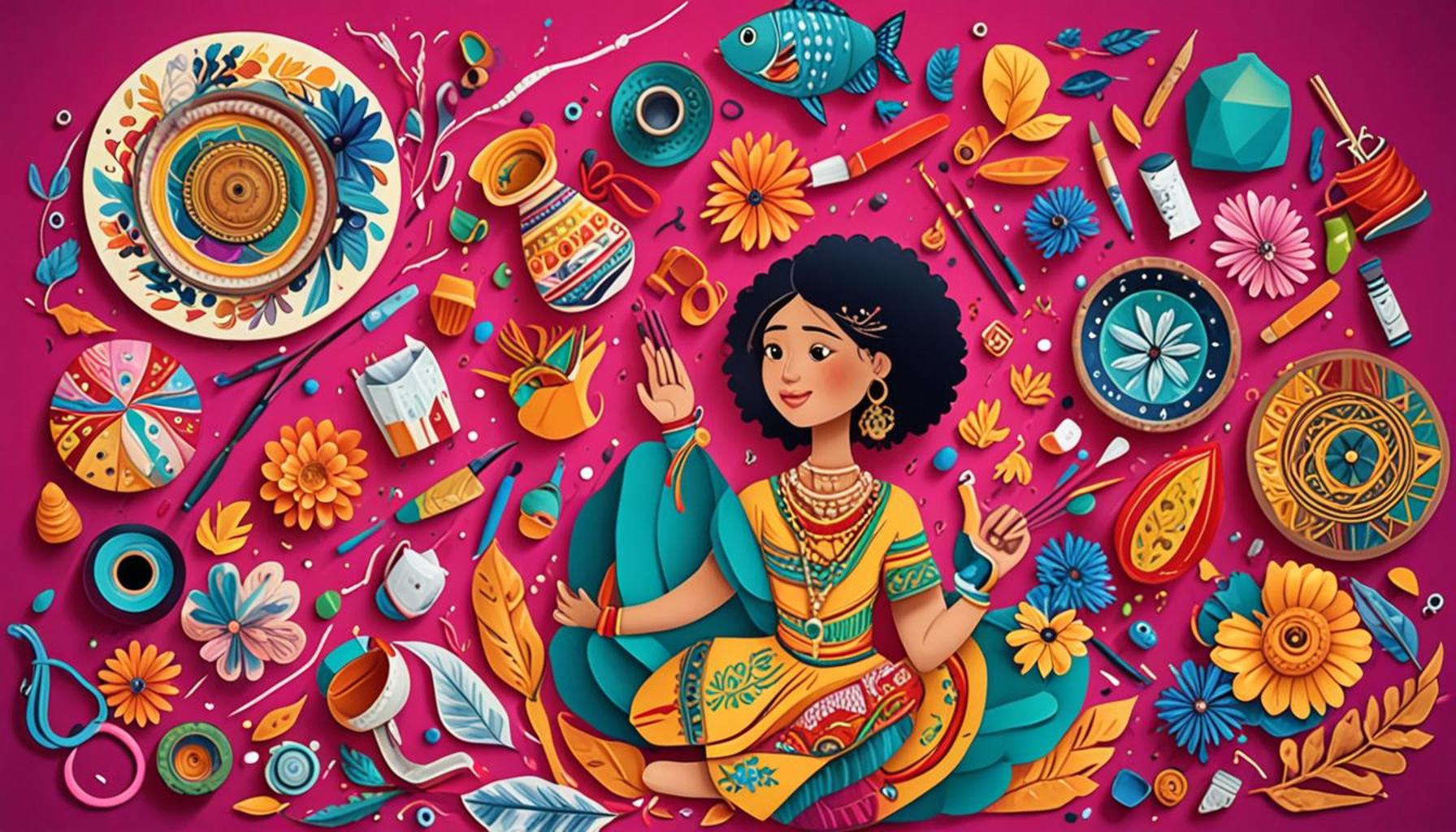
Craftsmanship and Self-Discovery: Finding Your Personal Style Through Creation

Unleashing Creativity and Identity
In a world increasingly dominated by mass production, the value of craftsmanship emerges as a colorful antidote. Every handmade item tells a story, revealing the maker’s unique journey towards self-discovery. Through the process of creation, individuals not only hone their skills but also uncover layers of their personal identity. The longing for connection with one’s own creative process has spurred a resurgence of interest in handcrafted goods, emphasizing the significance of originality and personal expression in a largely uniform marketplace.
Why Craftsmanship Matters
Engaging in craftsmanship offers various benefits, not merely for the end product but also for the creator’s overall well-being and growth:
- Creativity Boost: Activating your creative instincts can lead to innovative ideas. For instance, a potter experimenting with glazes might inadvertently discover a new technique that sets their work apart, illustrating how creativity can flourish through the act of making.
- Mindfulness: The process often requires focus, encouraging a meditative state. This can manifest in various forms, whether by calking a delicate piece of jewelry or composing a wooden park bench—activities demanding attention, with each deliberate movement fostering a deeper state of presence.
- Personal Expression: Each piece created reflects your tastes and influences. Take the example of a graphic designer who crafts custom t-shirts; each design embodies elements from their life experiences, infusing the final product with authenticity.
Exploring Your Style
Finding your personal style through creation involves a progression that is both enlightening and fulfilling:
- Experimentation: Trying different materials and techniques can aid in self-discovery. A woodworker might start with reclaimed barnwood, realizing they prefer the texture of mesquite, thus honing their aesthetic sensibilities.
- Feedback: Sharing your work invites insights from others, enriching your understanding. Engaging with like-minded communities, either online or in local workshops, can lead to important critiques that propel your growth forward. This interaction not only builds confidence but also fosters camaraderie among creators.
- Reflection: Analyzing your creations can illuminate your preferences and values. Consider an artist who has only ever worked with bright colors; as they reflect, they might uncover a yearning for deeper, more muted tones—opening doors to new artistic expressions.
Craftsmanship transforms idle time into meaningful experiences. As you delve into the world of making, each project enhances your skills and paves the way for newfound self-identity. The exploration encompasses not just the tactile satisfaction derived from creation, but also the profound connection to one’s history, culture, and individuality. With each handcrafted piece, you contribute not only to your own journey of discovery but also engage in a larger narrative where every stitch, cut, or brushstroke becomes a testament to the human experience.
DISCOVER MORE: Click here to learn about the impact of craft skills</p
The Journey of Self-Expression
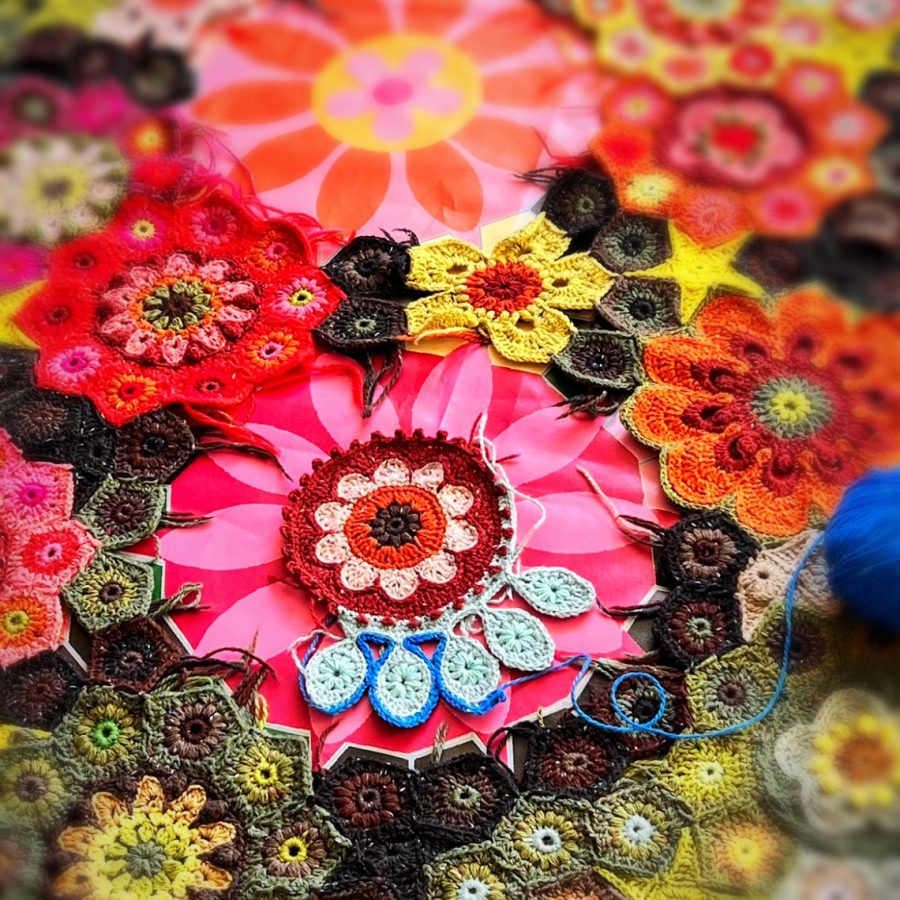
Craftsmanship is more than just a means to create objects; it serves as a powerful conduit for self-discovery and personal expression. Engaging in hands-on projects allows individuals to delve deep into their interests, revealing hidden passions and sparking a desire for exploration. For many, crafting is a journey that transcends the physical outcome, serving as a mirror reflecting one’s identity, values, and aspirations.
The Transformative Power of Creation
As individuals immerse themselves in craft activities, they often experience several transformative benefits:
- Skill Development: Trying your hand at new skills can be immensely gratifying. For instance, a beginner knitter may have to contend with tangled yarn and uneven stitches, but as they persist, they gradually create elegant scarves and cozy sweaters, learning not just the art of knitting, but also patience and resilience.
- Emotional Release: Crafting provides an outlet for emotions and enables self-reflection. A painter facing personal challenges might channel their feelings onto the canvas, discovering catharsis in vibrant colors or abstract forms. This emotional connection often leads to profound revelations about oneself.
- Community Engagement: Craftsmanship fosters a sense of belonging by connecting creators with others who share similar interests. Whether through local workshops or social media, artisans can form networks that provide support and encouragement, enriching their creative endeavors.
The Search for Personal Style
Finding your unique style through craftsmanship is akin to embarking on an expedition of the self:
- Intuitive Exploration: Allowing yourself to play with different mediums—be it clay, wood, or fabric—can facilitate a personal aesthetic. A jewelry maker might initially dabble with glass beads only to later find themselves drawn to the warmth of natural stones, inspiring a distinct collection that speaks volumes about their journey.
- Observation and Adaptation: By closely observing the work of others, craftsmen can adapt various techniques to fit their vision. A budding woodworker might take inspiration from Scandinavian design, incorporating minimalism into their furniture. This melding of influences defines their unique aesthetic while remaining true to their roots.
- Personal Narratives: Each crafted piece often tells a story. A potter, for instance, might choose to create functional art inspired by family traditions, leading to pieces that encapsulate childhood memories or ancestral heritage. Such storytelling through craftsmanship strengthens the bond between creator and creation, fostering authenticity.
Ultimately, as individuals engage in the act of making, they are not merely crafting objects; they are actively participating in a dialogue with their own identity. This enlightening experience transforms each project into a chapter of self-discovery, where the process becomes just as significant as the finished product. As makers hone their skills and reflect on their personal narratives, they unveil a style that is genuinely theirs—an expression of who they are in an ever-evolving world.
| Category | Description |
|---|---|
| Personal Growth | Engaging in craftsmanship enhances self-awareness and boosts confidence. |
| Connection with Art | The process facilitates a deeper understanding of one’s aesthetic preferences. |
| Cultural Expression | Craftsmanship allows individuals to express their cultural heritage and personal narratives. |
| Community Engagement | Participating in crafting groups fosters social connections and shared learning experiences. |
| Mindfulness | Creating art promotes mindfulness by focusing on the present moment through hands-on engagement. |
The theme of Craftsmanship and Self-Discovery encapsulates a journey where individuals explore and find their unique personal style through creation. Engaging in various crafting activities not only enriches personal growth but also allows for a deeper connection with art forms that resonate with one’s inherent tastes. This process can significantly influence self-awareness, leading to enhanced confidence as individuals produce works that are uniquely their own.Craftsmanship serves as a medium for cultural expression, offering a canvas for individuals to convey their heritage and personal stories, effectively intertwining their identity with their creations. Moreover, community engagement is elevated through the shared experiences found within crafting groups, fostering connections that can lead to invaluable friendships and collaborations. Additionally, the art of creating provides a much-needed avenue for practicing mindfulness, encouraging individuals to immerse themselves in the present moment, thereby resulting in mental relaxation and enhanced focus. Each crafted piece becomes a testament to a journey of self-discovery, inviting individuals to delve deeper into their personal style.
DISCOVER MORE: Click here to dive deeper into cultural diversity
Embracing Imperfection and Authenticity
In the journey toward discovering one’s personal style, craftsmanship encourages individuals to embrace imperfection and authenticity. The world often judges success based on perfection, but true artistry thrives in the unrefined. This acceptance can be liberating for creators, allowing them to explore their creativity without fear of judgment or failure.
The Beauty of Mistakes
Craftsmanship invites a unique kind of freedom: the acceptance of mistakes as a critical part of the creative process. Artists and crafters learn that some of the most striking works arise from unexpected blunders. An aspiring painter might accidentally spill paint, creating a new texture that inspires an entire series. Such experiences teach resilience and the ability to adapt, reinforcing the idea that each misstep can be a stepping stone toward achieving one’s distinct style.
Defining Personal Aesthetic
The path to personal style is not linear, and it is often punctuated by experimentation and exploration. Individuals embark on a quest to define their aesthetic through:
- Color and Texture Choice: Experimentation with different colors and textures can illuminate personal preferences. This process may involve crafting a series of home goods—think throw pillows or wall hangings—using various fabrics and hues. As creators play with combinations, they will discover patterns that resonate with their personal narrative, leading to a cohesive style that speaks of their experiences.
- Iteration and Revision: Craftsmanship fosters a mindset of continuous improvement. A ceramicist might rework their glaze techniques countless times to achieve the desired effect, ultimately developing a signature look. This iterative process not only enhances skills but also contributes to a robust personal style that evolves over time.
- Reflection and Introspection: Engaging in reflective practices such as journaling or discussing one’s work with peers can reveal insights into personal tastes. Through these dialogues, creators can better understand what inspires them and what pieces hold significant meaning, guiding their style choices.
Personal style through craftsmanship is an ongoing conversation between the creator and their medium, where each new piece becomes a reflection of growth and change. This dialogue deepens the connection with one’s craft, enabling individuals to articulate their identity through their creations.
The Role of Cultural Heritage
Cultural heritage plays a significant role in shaping craftsmanship and personal style. Many artisans draw upon their backgrounds and traditions, using them as a foundation for their creative expression. For instance:
- Traditional Techniques: A basket weaver may employ age-old techniques passed down through generations, imbuing their work with rich history. As these artisans blend cultural methods with contemporary designs, they cultivate a unique style that honors their ancestry.
- Local Materials: Utilizing materials intrinsic to one’s geographic location can significantly influence craftsmanship. A woodworker in the Pacific Northwest may favor locally sourced timber, creating pieces that reflect the region’s natural beauty while also contributing to sustainable practices.
- Storytelling Through Craft: Artisans often incorporate elements of their personal stories into their work. A textile artist might weave narratives of migration or community into their fabrics, creating pieces that resonate with broader cultural themes and solidifying their personal style.
By integrating cultural heritage into their craftsmanship, creators not only express their individuality but also create connections with others who share similar backgrounds, leading to an enriching and inclusive creative journey.
DISCOVER: Click here to learn more
Conclusion: Crafting Your Identity Through Creativity
In the exploration of craftsmanship and self-discovery, it’s clear that the journey of finding one’s personal style is as enriching as the finished product itself. Engaging in various forms of creation—whether through traditional techniques steeped in cultural heritage or innovative designs that draw from personal experiences—enables individuals to unlock profound insights about themselves. Craftsmanship teaches us that imperfection is not a flaw but a feature, allowing us to embrace our unique narratives and express them authentically.
Furthermore, the iterative nature of creative processes encourages continuous growth, inviting artisans to redefine their style with every project. As each piece unfolds, creators become more attuned to their preferences, influences, and the significance of their work within a broader community. The act of making becomes a mirror, reflecting not only individual aesthetics but also the complex interplay of cultural history and personal stories.
Ultimately, finding your personal style through creation is a dynamic adventure filled with exploration, expression, and introspection. Whether you’re a seasoned artisan or a budding creator, this journey fosters a deeper understanding of who you are and what you stand for. As you immerse yourself in the world of craftsmanship, you might just discover a profound connection not only with your craft but also with your true self. Venture forth, and let your creations tell the story of your identity.