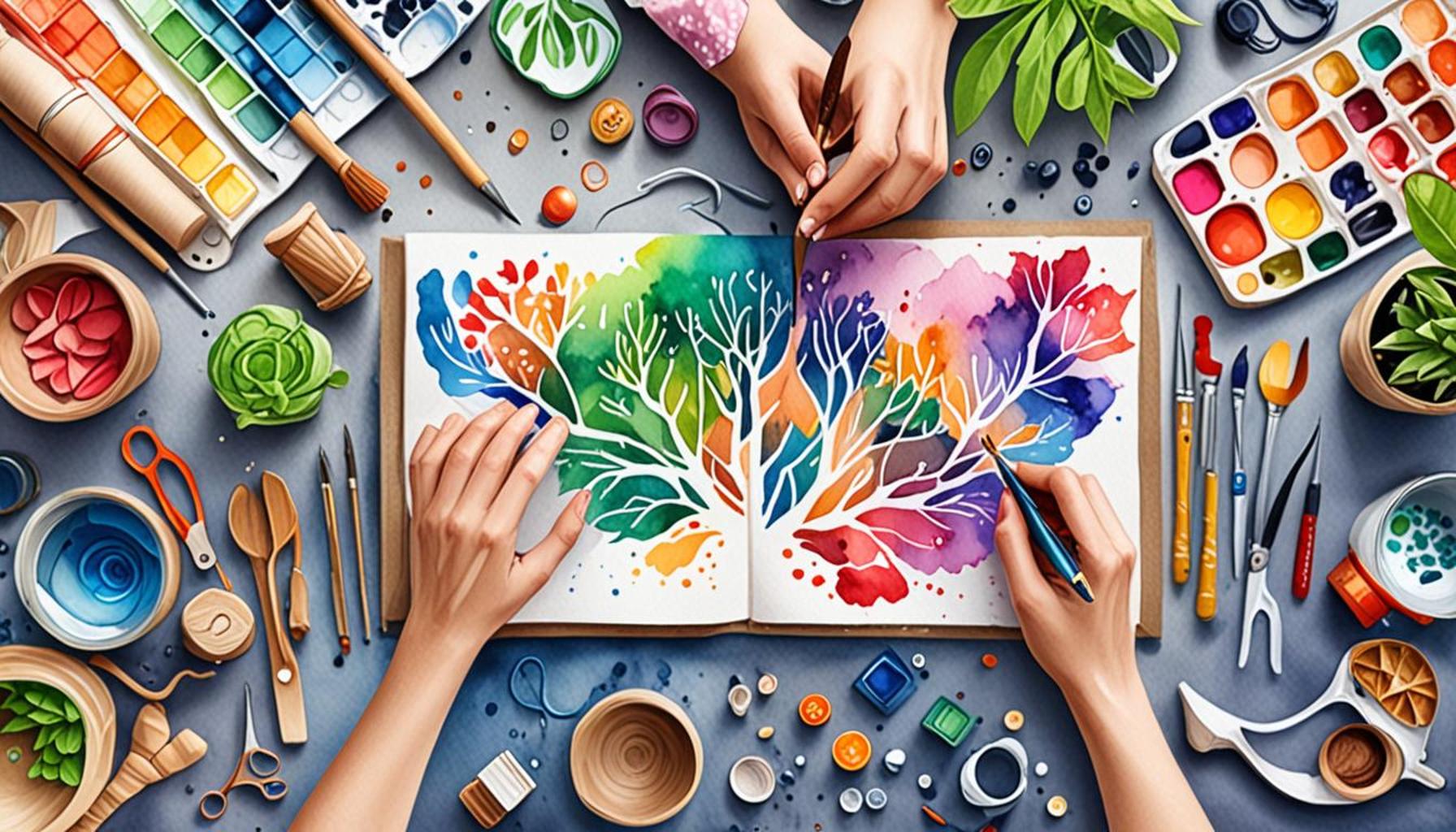
Craftsmanship and the Sensory Experience: How Hand Techniques Stimulate the Senses and Enhance Connection with the World

The Sensory Dimensions of Craftsmanship
The art of craftsmanship weaves a rich tapestry of sensory experiences that elevate mundane activities into profound explorations of skill, creativity, and connection. Every handcrafted item begins with the artisan’s intimate knowledge and nuanced understanding of raw materials, transforming simple elements into cherished objects. Whether it’s the intricate designs of a hand-thrown ceramic bowl, the smooth finish of a handcrafted wooden table, or the vibrant textiles of a locally produced tapestry, craftsmanship invites a dialogue between artist and material, and ultimately, between artisan and admirer.
Touch: A Tactile Connection
The sense of touch serves as one of the most potent gateways into understanding craftsmanship. As artisans mold clay, shape wood, or weave fabric, their hands become conduits of artistic expression. For instance, when a potter’s hands glide over wet clay, they not only manipulate the medium but also create a bond with it. Crafting allows the artisan to discover the unique properties of their materials, from the soft, yielding nature of fresh clay to the cool, solid feel of polished stone. This tactile experience invites onlookers to appreciate not just what they see, but what they can feel—sparking a deeper recognition of the artisan’s labor and intent.
Vision: A Feast for the Eyes
Visual stimulation is equally essential, with colors and patterns bringing crafted pieces to life. The striking hues of natural dyes on textiles can evoke emotions and tell stories. For example, artisans in New Mexico often utilize vibrant colors derived from locally sourced plants to dye wool, resulting in breathtaking rugs that reflect the landscape’s beauty and cultural heritage. The play of light on a shiny wooden surface or the symmetry in a hand-carved design can captivate observers, emphasizing the meticulous work put into each piece. By engaging the eye, craftsmanship extends an invitation for viewers to explore the intricacies often overlooked in a fast-paced, mass-produced world.
Sound: The Symphony of Tools
The sounds produced during the craftsmanship process contribute an auditory dimension that enhances the overall experience. The rhythmic hammering of a blacksmith shaping metal, the gentle tapping of a weaver’s shuttle sliding on the loom, or the satisfying swish of a paintbrush can create a melodic backdrop that resonates with the labor of creation. These sounds embody the spirit of craftsmanship, intermingling human effort with the natural music of materials being transformed.
Smell: Nature’s Aromas
The olfactory experience in craftsmanship is often overlooked, yet it provides a direct connection to the materials being used. The smell of fresh wood, for instance, can transport us to a sunlit forest, while the rich aroma of clay evokes images of earth and growth. In culinary arts, the fragrance of herbs used in a handmade dish engages the senses long before the meal is tasted, building anticipation and excitement. Such scents connect us to the origin of our materials, reminding us of nature’s role in the crafting process.
Taste: The Gastronomic Expression
Another vital illustration of craftsmanship is found in the culinary world, where food becomes a medium of artistry and expression. Chefs engage all five senses, creating dishes that beg to be savored. The visual presentation of a dish, the symphony of flavors dancing on the palate, and the scents wafting from the kitchen all create an interwoven sensory experience. For example, artisan cheese-making blends science and art, with each cheese reflecting the specific bacteria and milk used, telling a story of its origin and the skill of its maker.
As society increasingly embraces mechanization, the revival of handcrafted goods serves as a potent reminder of the value residing in human touch and emotional investment. This reconnection to traditional crafting fosters community, as people seek out artisan products to support local craftsmanship. By immersing ourselves in the rich sensory dimensions of craftsmanship, we cultivate a deeper understanding and appreciation for the artistry embedded in everyday life, transforming how we engage with the world around us.
DIVE DEEPER: Click here to discover more about music and creativity
The Multi-Sensory Journey of Craftsmanship
At the heart of craftsmanship lies a dynamic interplay of the senses that not only shapes the creation process but deepens our connection with the world around us. This multi-sensory journey allows us to engage with the act of making and the final product in profound ways. Each handcrafted item we encounter invites us to experience the artistry behind it, often evoking wonderful memories or emotions. As we delve into various aspects of craftsmanship, it becomes clear that hand techniques do more than just produce goods—they stimulate the senses and foster a profound connection to culture, community, and the natural world.
Engaging the Sense of Touch
Touch is often the first sensation we experience when encountering a handmade object. The tactile quality of an object directly influences our understanding and appreciation of it. When we caress the rough texture of a hand-spun wool sweater or run our fingers along the intricacies of a hand-carved chest, we are engaging in an intimate dialogue with that piece. This connection can be broken down into several elements:
- Material Sensitivity: Every artisan develops a unique relationship with their materials, understanding their weight, durability, and responsiveness.
- Handcrafted Imperfections: Unlike mass-produced items, handcraftsmanship often showcases imperfections that tell a story, reminding us of the human labor that went into the making.
- Emotional Resonance: The act of touching a handcrafted object can invoke feelings of nostalgia, comfort, and a sense of belonging.
The Visual Symphony of Craftsmanship
In addition to touch, visual appeal is a significant aspect of craftsmanship that captivates audiences. The meticulous attention to detail found in handcrafted goods can transform ordinary items into pieces of art. Artisans utilize color, pattern, and form to convey cultural narratives and elevate the mundane to the extraordinary. For example, the vibrant motifs of Native American pottery not only serve an aesthetic purpose but also carry rich cultural significance. Similarly, the techniques used in traditional American quilting reflect a blend of artistic expression and family heritage.
Furthermore, the play of light on various surfaces—be it the reflective sheen of hand-blown glass or the soft shadows in a hand-stitched textile—adds a dynamic quality to the visual experience. Observers are encourage to appreciate nuances often lost in factory-made products, awakening a sense of wonder and curiosity about the craft itself.
Soundscapes in Craftsmanship
While the visual and tactile aspects of craftsmanship are essential, sound adds a layer of richness that is often overlooked. The sonorous rhythms created during the crafting process, such as the striking of metal by a blacksmith or the gentle click of knitting needles, carry a unique soundtrack that embodies the spirit of creation. These sounds not only provide a background to the crafting experience but can also facilitate a meditative state for the artisan, transforming routine tasks into a symphony of creativity.
As we navigate through these sensory avenues, it becomes evident that craftsmanship enriches our lives in ways far beyond aesthetics. By embracing the rich tapestry of touch, sight, and sound, we gain a deeper understanding of the stories encapsulated within each handcrafted piece, fostering connection to both the producer and the creative powers of nature itself.
| Advantage | Description |
|---|---|
| Enhanced Emotional Connection | Handcrafted items resonate more deeply with users, fostering a bond between the maker and the consumer. |
| Unique Experiential Qualities | The involvement of sensory elements, such as texture and aroma, in hand techniques enhances the overall experience, making it distinct. |
| Cultural Expression | Hands-on crafting techniques often embody cultural traditions, creating a story that connects consumers to different heritage. |
| Sustainability and Ethical Consumption | Craftsmanship often promotes a less wasteful approach to creation, aligning consumer values with environmental awareness. |
As we delve deeper into the fascinating world of craftsmanship, it becomes clear that hand techniques do much more than simply create objects; they enrich our sensory experiences and enhance our connection with the world around us. The tactile nature of handmade goods allows individuals to engage more fully with their surroundings, as each piece carries the unique fingerprints of its creator. The attention to detail and the stories embedded within these works foster a sense of appreciation that mass-produced items cannot replicate. This connection transcends mere consumption; it encourages a more thoughtful approach to how we engage with the items we choose to incorporate into our lives. By opting for handcrafted creations, we aren’t just buying products; we are investing in heritage, artistry, and the sharing of human experiences. Explore the world of craftsmanship today to uncover how each unique piece can engage your senses in ways that are both profound and transformational.
DIVE DEEPER: Click here to discover more
Awakening the Sense of Smell and Taste
While sight, sound, and touch engage us in craftsmanship, the senses of smell and taste can also play a key role—especially in crafts that involve food and materials sourced from nature. The aroma of freshly baked bread, for instance, is not merely a prelude to tasting; it can evoke memories of home and tradition, linking us to family gatherings and cultural rituals. In this way, the act of crafting food becomes a sensory experience that nourishes both the body and soul, engaging the sense of smell in a deeper context.
Similarly, the olfactory experience extends to materials used in handcrafting, such as the rich, earthy scent of natural fibers or the distinct aroma of wood and leather. Artisans often select materials not only for their functional properties but also for their fragrances, which contributes to the sensory narrative of the crafted item. For example, artisans working with aromatic cedar not only benefit from the wood’s aesthetic qualities but also create pieces that carry the serene scent of the forest, connecting the creator to the environment.
The sense of taste may also emerge as a direct connection through food crafts. The intricate processes of cheese-making, brewing, and baking enhance our appreciation for craftsmanship through the flavors they yield. This connection exemplifies the interplay between all five senses; a beautifully crafted meal activates taste sensations while simultaneously appealing to sight and smell.
The Kinesthetic Connection
Another fascinating aspect of craftsmanship is the kinesthetic experience, which intertwines movement and rhythm with the senses. The physical actions involved in crafting—whether it be weaving, pottery, or woodworking—engage the body in a way that transcends mere creation. As artisans manipulate materials, they often enter a state of flow, becoming attuned to the subtleties of their craft.
This bodily engagement not only stimulates the senses but also reinforces the relationship between the maker and the craft. The rhythmic motion of a potter’s wheel or the repetitive strokes of a painter’s brush can evoke a sense of meditation, highlighting a deep connection to the process itself. Artisans often describe this state as a form of mindfulness, allowing them to immerse themselves fully in the act of creation while fostering rich sensory experiences.
Connecting with Heritage and Identity
Through craftsmanship, we also find a connection to identity and cultural heritage. Each crafted item serves as a vessel of history, carrying traditions and stories from one generation to the next. Techniques passed down through family lines often come laden with cultural significance, allowing artisans to honor their ancestry while creating modern expressions. This shared approach enhances the tactile experience, as consumers sense the cultural narratives embedded within each piece.
For example, the intricate beadwork of Native American artisans tells stories of tribe identity, often imbuing each piece with symbolism that resonates emotionally. Similarly, the revival of heritage crafts—such as traditional Appalachian basket weaving—can stimulate a sense of pride within communities as members engage with their shared past. The sensory engagement with these handcrafted items not only solidifies personal identity but also fosters a broader understanding of cultural diversity.
Ultimately, the multifaceted nature of craftsmanship extends far beyond the tangible outcomes. Each sense engaged in the creation process deepens our appreciation for artisan skills and their cultural significance. By reconnecting with our senses through the lens of craftsmanship, we rediscover the beauty and stories that enrich our lives, bridging connections with the world and each other.
DISCOVER MORE: Click here to learn about the vibrant effects of literary festivals
Conclusion: Embracing the Full Spectrum of Craftsmanship
In a world increasingly dominated by technology and mass production, the appreciation for craftsmanship offers a refreshing narrative that celebrates the tactile and sensory experiences of creating and engaging with handmade items. As we explored throughout this article, the act of crafting not only engages our five senses, but also deepens our connection to heritage, identity, and the natural world.
The interplay of kinesthetic movements in the crafting process brings about a meditative state, enabling artisans to immerse themselves in creation while forming a tangible bond with the materials they work with. As we become more attuned to our physical involvement, we recognize the artistry within even the simplest of acts. The scents of materials and foods, combined with the flavors they yield, create a multisensory tapestry that nourishes the body and soul alike.
Moreover, each crafted piece carries not just aesthetic qualities but also rich cultural narratives, enhancing our understanding of the diverse identities that weave together our shared human experience. As consumers, by appreciating the stories and traditions embedded within handcrafted items, we foster a deeper sense of connection and responsibility towards the artisans who bring them to life.
Therefore, as we navigate our modern lifestyles, let us not merely consume but rediscover the art of craftsmanship, engaging with our senses and honoring the profound connections it forges. By embracing this journey, we not only celebrate the beauty of handmade creations but also nurture our ties to culture, community, and the world around us.