DIY Home Decor Transform Recyclables into Sustainable Creations
Introduction
In a world increasingly focused on sustainability, the **transformation of recyclable materials into home decor** has surged as a popular creative hobby. This practice not only encourages environmental mindfulness but also allows individuals to express their artistic flair while reducing waste. By embracing DIY projects that utilize recyclable items, you can create stunning decor pieces that are unique and eco-friendly.
Exploring this trend provides numerous benefits, including:
- Cost-effectiveness: Using materials that might otherwise be discarded saves money.
- Personal expression: Handcrafted items reflect your individual style and creativity.
- Environmental impact: Recycling reduces waste and promotes a more sustainable lifestyle.
In this article, we will dive into the **top 5 projects** that highlight innovative ways to repurpose recyclable materials into chic home decor. Get ready to discover how you can transform everyday items into beautiful accents for your living space.
Top 5 Creative Ways to Transform Recyclable Materials into Sustainable Home Decorations
In an age where environmental consciousness is increasingly becoming a priority for many, embracing sustainability in our daily lives can be a fulfilling and worthwhile endeavor. If you’re looking for a way to marry your love for the environment with a penchant for creativity, transforming recyclable materials into stylish home decorations can be both an entertaining and eco-friendly activity. This endeavor not only helps in reducing waste but also provides an opportunity to express your creativity and individuality through unique home accents. Join us as we explore five innovative DIY projects that will inspire you to enhance your living space in a way that is both unique and respectful of our planet.
5. Wine Bottle Candle Holders
After a delightful dinner party or a quiet evening enjoying a glass with friends, the wine bottles often end up in the recycling bin. However, these glass vessels can be repurposed into sophisticated candle holders instead of being discarded. This transformation not only repurposes glass but also creates an alluring ambiance through the soft, glowing light of candles.
For this craft, the primary materials required are:
- Empty wine bottles
- Candle wax and wicks
- Decorative twine or paint (optional)
To begin, you will need to cut the wine bottles carefully. You can achieve this by scoring the bottle around the circumference at the desired level and then applying heat and cold alternatively until the bottle breaks along the score line. Adding sanded edges is a good touch for safety and aesthetics. Fill the base with melted wax, insert a wick, and allow it to harden. For those inclined towards customization, painting the glass or wrapping decorative twine around the neck of the bottle can provide a personal touch. This project not only illuminates your space but also highlights your commitment to sustainable living by giving a new purpose to everyday items.
4. Tin Can Planters
Transforming tin cans into planters is a nod to both rustic charm and practicality. These containers, which once held your favorite foods, can become homes for small plants like succulents, herbs, or even vibrant flowers. The process is simple and offers room for vast creativity, bringing a slice of green into your interiors.
Gather these materials to get started:
- Tin cans
- Drill or hammer and nail (to make drainage holes)
- Paint (for decoration)
- Soil and plants
To begin, wash the cans thoroughly and strip off any remaining labels. Next, drill a few holes at the bottom of the cans for drainage – a crucial step for healthy plant roots. Paint the cans to match your desired aesthetic or leave them as they are for a more industrial look. Finally, add soil, plant your chosen greenery, and place them near a window or on a balcony. These planters not only brighten your space but also highlight your resourcefulness in reusing materials.
3. Cardboard Box Wall Art
Looking around, you might find an abundance of cardboard boxes, typically left over from deliveries. Rather than consigning them to recycling, consider their potential as a canvas for bespoke artwork. Cardboard provides a versatile medium for crafting unique wall art — from bold geometric designs to three-dimensional patterns. This project lets you bring a personal touch to your walls without the necessity for costly materials.
To create cardboard wall art, you’ll need:
- Cardboard boxes
- Scissors or a craft knife
- Glue or tape
- Paint or embellishments (optional)
Begin by cutting the cardboard into various shapes or sections. Create layers by stacking these shapes using glue, and consider varying the relief for a more dynamic visual effect. Optional painting or embellishments can add color and texture, creating a striking art piece that commands attention and speaks volumes of your ingenuity in using recycled materials.
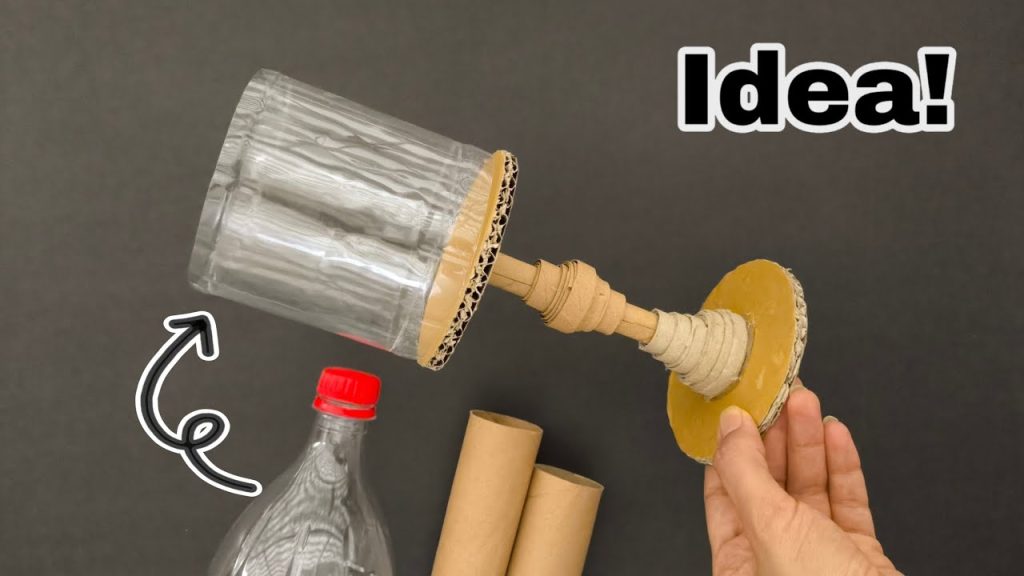
2. Plastic Bottle Storage Bins
Plastic poses a significant threat to the environment due to its durability and volume in waste dumps. Redirecting even a small amount of it towards functional storage solutions is a step toward reducing this burden. By repurposing plastic bottles, especially large soda bottles, into storage bins, you can organize spaces while taking a stand against waste.
For this project, the following supplies are necessary:
- Plastic bottles (large soda bottles are ideal)
- Scissors
- Decorative tape or paint (optional)
Begin by cutting the bottles into bin-like shapes that suit your storage needs. The bottom section of the bottle can serve as an effective container. Enhance the appearance of these containers with decorative tape or a coat of acrylic paint, presenting a cohesive look that matches your decor. These bins not only organize small items like office supplies or bathroom essentials but also serve as a testament to creative recycling efforts.
1. Newspaper or Magazine Wall Mosaic
The pièce de résistance in recycled home decor is undoubtedly the Newspaper or Magazine Wall Mosaic. This project is a creative fusion of recycling and expressive artistry, transforming old print media into vibrant wall art. This technique involves arranging pieces of newspaper or magazine to form intricate mosaic designs, turning a blank wall into a captivating exhibition of color and texture.
To start this project, collect the following:
- Old newspapers or magazines
- Canvas or cardboard as a base
- Glue
- Scissors
Begin by cutting or tearing your newspapers or magazines into small, varied shapes and sizes. Strategically place these pieces on your base, adhering with glue, and craft a pattern or design of your choosing. This is where your ingenuity can truly shine, as different hues and textures from the paper add depth and interest. This mosaic not only embraces the concept of recycling but also allows your walls to tell a story — one of creativity, environmental consciousness, and artistic flair.
Incorporating these DIY projects into your life does more than just spruce up your home. They serve as daily reminders of the importance of sustainability and the satisfaction of creativity. By transforming recyclable materials into artistic expressions, you contribute to a healthier planet while cultivating a living space that is uniquely yours. Whether it’s through the warm glow of wine bottle candles or the vibrant patterns of a magazine mosaic, each piece is a testament to your commitment and innovation.
| Category | Details |
|---|---|
| Cost-Effectiveness | DIY projects using recyclable materials can drastically reduce expenses that would otherwise go towards traditional home décor. |
| Environmental Impact | Utilizing waste materials helps to reduce landfill overcrowding, conserve resources, and minimize carbon footprints. |
| Creativity Boost | Engaging in DIY projects inspires creativity, encouraging unique designs tailored to individual tastes and home aesthetics. |
| Community Engagement | These projects can foster community participation, often leading to workshops that promote sustainable practices and shared learning experiences. |
The allure of turning recyclable materials into home decorations lies not only in the tangible products created but also in the broader implications for personal expression and environmental stewardship. Engaging in these sustainable DIY projects can inspire community relevance, becoming platforms for collective creativity and a shared commitment to eco-friendly living.Cost-effectiveness stands out as a significant advantage, where innovative thinkers can repurpose everyday items—such as glass jars, cardboard, and fabric scraps—into personalized décor. This not only alleviates the financial burden of home improvement costs but also encourages a mindset focused on sustainability. Instead of purchasing new, often expensive décor items, individuals can invest their time and creativity in transforming disposables into unique art pieces.Moreover, the environmental impact of these projects cannot be overstated. By repurposing materials that would typically contribute to landfill waste, individuals are actively participating in a larger movement toward sustainability. Engaging in DIY activities that prioritize the recycling of materials contributes to a circular economy, where resources are reused, thus fostering a more conscientious approach to consumerism. In addition to financial and ecological benefits, these DIY initiatives offer a remarkable boost to creativity. Embracing the challenge of upcycling materials inspires individuals to think outside the box—an old ladder can become a bookshelf, while tin cans can transform into charming planters. Such activities provoke curiosity and innovation, inviting enthusiasts to craft items that reflect their personality and style.Finally, community engagement emerges as a powerful component of DIY endeavors. Many local organizations and groups host workshops that encourage people to gather and share their crafting experiences. These interactions pave the way for exchanging ideas, skills, and sustainable practices, resulting in a network of support centered around a common goal: transforming waste into beauty.
Frequently Asked Questions about Transforming Recyclable Materials into Home Décor
What types of recyclable materials are best for DIY home décor projects?
When considering recyclable materials for home décor projects, items such as glass jars, plastic bottles, carton boxes, and old newspapers are highly versatile. These materials can be transformed into anything from decorative vases to wall art. By choosing materials that are plentiful and easy to manipulate, you can not only create beautiful pieces but also make a positive impact on the environment.
How can recycling materials be both sustainable and stylish?
Recycling materials into home décor is sustainable because it reduces waste and promotes the reuse of resources. More than just eco-friendly, these projects can be stylish by allowing your creativity to shine through. The uniqueness of each recycled item presents an opportunity to create one-of-a-kind pieces that reflect personal taste and artistic flair. From minimalist modern aesthetics to rustic charm, recycled materials can suit any style when paired with the right techniques.
Is it cost-effective to use recycled materials for home décor?
Yes, using recycled materials can be incredibly cost-effective. Many materials, such as bottles and newspapers, are often readily available at home and would otherwise be discarded. Moreover, the cost savings continue as you avoid purchasing expensive, mass-produced decorative items. With some creativity, everyday objects can be upcycled into attractive home accents without breaking the bank, creating a more personalized and financially sustainable living environment.
What skills or tools do I need to start crafting with recycled materials?
Starting with DIY recycled décor typically requires basic crafting skills and a few common tools like scissors, glue, paints, and brushes. For those new to crafting, many online resources and tutorials provide step-by-step guidance. Over time, as confidence grows, you can expand your toolkit and try more complex projects, experimenting with techniques such as decoupage, painting, and simple carpentry.
Where can I find inspiration for DIY projects using recycled materials?
Inspiration for DIY projects using recycled materials can come from various sources such as online platforms like Pinterest and YouTube, which offer endless ideas and tutorials. Additionally, consider visiting craft fairs, second-hand shops, and eco-friendly markets to see creative products others have made. Observing how artists and craftsmen transform everyday materials into beautiful pieces can spark new ideas and motivate your creative process.
Conclusion
In an era where sustainability is more crucial than ever, transforming recyclable materials into home decorations offers a creative and environmentally-friendly avenue to explore. These DIY sustainable projects not only help reduce waste but also bring a unique charm and character to home interiors. From turning old jars into stylish storage solutions to converting pallets into rustic furniture, the possibilities are extensive and enriching.
Throughout the article, we explored five key DIY sustainable projects that stand out for their creativity and simplicity: jar lanterns, bottle planters, tin can organizers, pallet coffee tables, and cardboard photo frames. Each project offers an opportunity to repurpose everyday items that might otherwise end up in a landfill, all while adding a personalized touch to living spaces. These projects highlight how small actions can significantly contribute to environmental conservation.
Moreover, engaging in these creative hobbies offers more than just aesthetic and environmental benefits. The satisfaction of crafting something with your own hands can be immensely rewarding and can serve as a therapeutic respite from the fast-paced digital age. It encourages us to slow down, appreciate the materiality of objects, and foster a deeper connection to the spaces we inhabit.
The broader implication of adopting sustainable DIY practices lies in the ripple effect it can create. When more individuals begin to see the value in repurposing materials, it can gradually lead to a significant shift in consumer habits and demand for more sustainable products. It’s about sparking curiosity and encouraging people to look differently at the things they already have.
Thus, as we continue to explore the world of DIY home decor, let us embrace the challenge of sustainability. Through creativity and innovation, we not only beautify our homes but also take a crucial step toward preserving our planet. This journey of transformation is about reimagining our resources and re-envisioning our responsibilities, paving the way for a more conscious and inspired way of living.