DIY Music Production: A Guide to Creating Music at Home with Minimal Equipment
The Evolution of Music Production
In recent years, the landscape of music production has evolved dramatically, driven by rapid technological advancements. Where once only those with access to elite studios and expensive equipment could craft professional-sounding tracks, today, anyone with a passion for music can dive into the world of creation from the comfort of their home. The democratization of music production has made it increasingly attractive to a diverse range of aspiring musicians and producers.
The Rise of DIY Music Production
One key trend in this transformation is the rise of DIY music production. More and more individuals are opting to create their music independently for several compelling reasons:
- Affordability: The cost of technology has significantly decreased. High-quality digital audio workstations (DAWs) like Ableton Live, FL Studio, and GarageBand, along with countless plug-ins and virtual instruments, are often available for a fraction of what traditional studio time would cost. Some top-tier software even offers free versions with broad capabilities, making it accessible to everyone.
- Accessibility: The availability of online tutorials, forums, and classes means that learning the ropes of music production is easier than ever. Platforms like YouTube and Skillshare host abundant resources ranging from beginner guides to advanced sound manipulation techniques, ensuring that anyone can find material that suits their skill level.
- Flexibility: One of the most exhilarating aspects of DIY music production is the freedom it offers. Artists can work during their most creative hours, whether that’s the early morning or late at night, without the pressure of studio time constraints. This allows for a more organic creative process, enabling musicians to iterate and refine their ideas at their own pace.
Essential Tips to Get Started
If you’re eager to embark on your music production journey, some essential tips can help you make the most of your experience. First, start with the right tools. Invest in a user-friendly DAW that aligns with your musical preferences—be it electronic, acoustic, or mixed genres. Consider also learning the basics of sound design, which can dramatically enhance your tracks’ richness and originality.
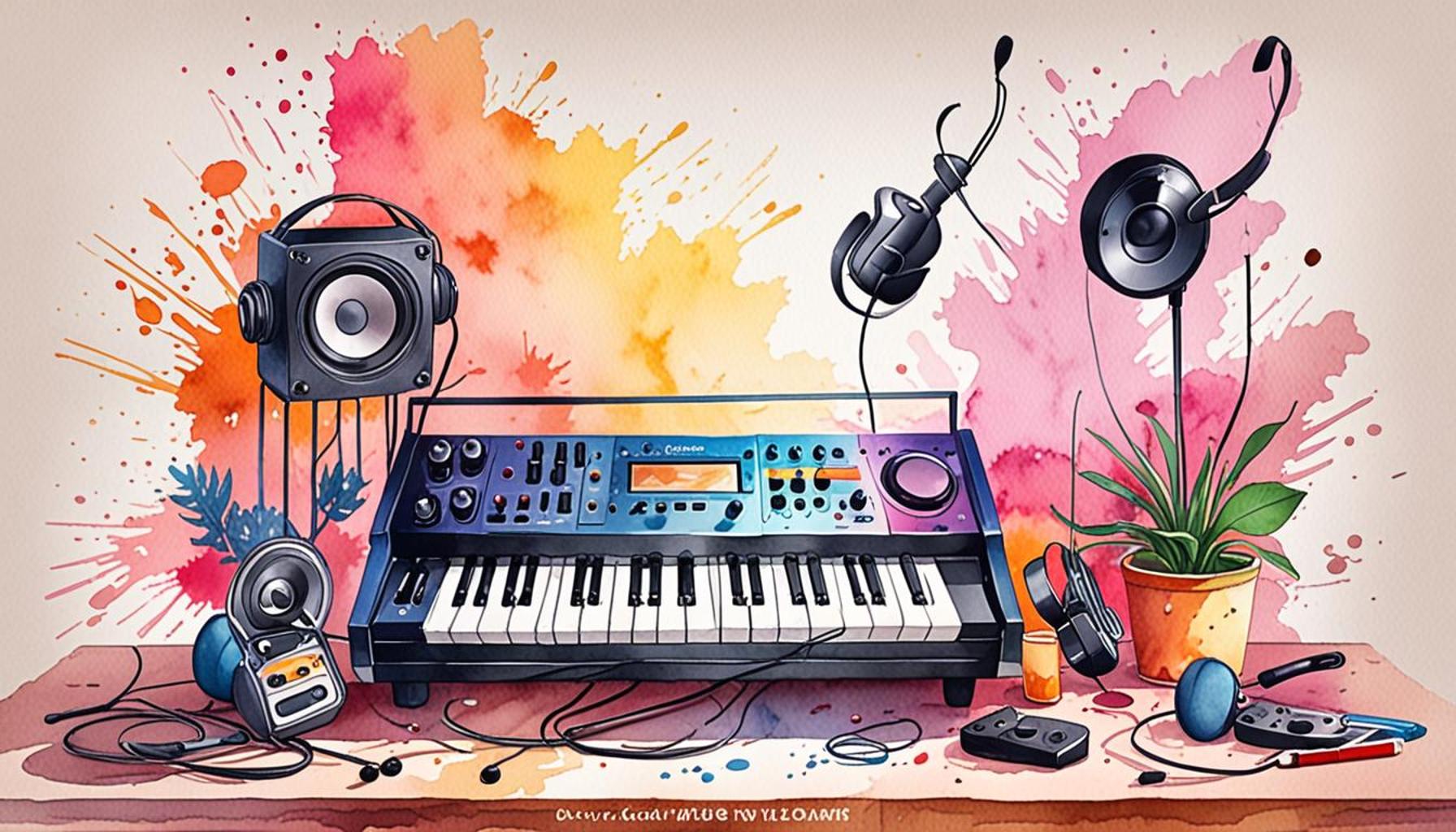
Your choice of recording equipment is also crucial. A decent pair of headphones and a USB microphone can provide a significant boost to your production quality without breaking the bank. For a more immersive experience, a MIDI keyboard will allow you to play virtual instruments expressively while composing your tracks.
Finally, don’t underestimate the power of community. Engaging with online forums and local music groups can foster collaboration, inspire new ideas, and help you refine your skills through shared feedback.
The Joy of Creative Expression
Delving into music production fosters not only artistic expression but also a profound sense of personal achievement. Regardless of your background or prior experience, every note and lyric you create reflects your individual voice. So, gather your equipment and start exploring the thrilling world of creating music at home. With minimal setup, your dreams of producing professional-quality music are firmly within reach, inviting you to turn your musical ideas into reality.
DISCOVER: Click here to learn more about music’s impact on children’s cognitive development
Getting Started with Minimal Equipment
As the allure of music production draws in many budding artists and established musicians alike, the question of where to start can feel overwhelming. However, DIY music production need not be an expensive endeavor. With a few essential pieces of equipment and the determination to learn, you can turn your bedroom or living room into a fully functioning studio. Let’s explore the fundamental tools you need to launch your home music production journey.
Must-Have Equipment
When venturing into music production, investing in the right equipment is key to achieving high-quality sound without needing a professional studio. Here’s a breakdown of the fundamental gear every home producer should consider:
- Digital Audio Workstation (DAW): The heart of your music production setup, a DAW allows you to record, edit, and mix your tracks. Popular choices include Ableton Live, FL Studio, and Logic Pro X. Many of these platforms offer free trials, which allows you to test their functionality and find a fit for your workflow.
- Audio Interface: This essential device connects your computer to microphones, instruments, and other audio sources. A good audio interface not only improves playback and recording quality but also allows for multiple connections, enhancing flexibility in your production process. Look for options like Focusrite Scarlett or PreSonus AudioBox, which offer quality performance at a reasonable price.
- Headphones and Studio Monitors: Quality sound reproduction is crucial. Invest in a good pair of closed-back headphones for accurate monitoring while composing or mixing. Additionally, a decent pair of studio monitors will provide better sound referencing than standard speakers, which is essential for making informed mixing decisions. Brands like KRK and Yamaha are well-regarded in this arena.
- MIDI Controller: This compact keyboard can greatly enhance your workflow, allowing for intuitive playability of virtual instruments in your DAW. MIDI controllers come in various sizes and functionalities, so you can choose one that suits your style of music best.
- Microphone: If you plan to record vocals or live instruments, a USB microphone can serve as a versatile and convenient option. The Audio-Technica AT2020 and Blue Yeti are highly recommended for their affordability and sound quality.
Harnessing Online Resources
Along with having the right equipment, educating yourself on music production techniques is vital. Take advantage of the myriad of online resources available today. Websites like Coursera, Udemy, and LinkedIn Learning offer structured courses ranging from beginner to advanced levels. YouTube is another treasure trove, filled with tutorials from seasoned producers sharing their tips and tricks.
Additionally, consider joining online communities and forums where you can interact with fellow producers. Platforms such as Reddit and Gearslutz are excellent for seeking advice, sharing your projects, and receiving constructive feedback. Engaging with these communities not only enhances your skills but also fosters a sense of belonging within the music production world.
By assembling your equipment thoughtfully and tapping into the vast resources available, you are well on your way to producing music that reflects your unique voice. The world of DIY music production is within reach, inviting you to explore and create.
Understanding the Essentials of DIY Music Production
Creating music from the comfort of your home has become increasingly accessible, thanks to advancements in technology and an ever-expanding range of affordable equipment. This section delves deeper into the essential components that can transform your space into a functional music production studio without breaking the bank.
Audio Interfaces and Headphones
One of the first pieces of equipment you’ll need is an audio interface, which acts as a bridge between your computer and your instruments or microphones. This device is vital for achieving high-quality sound recordings and playback. Look for options that offer low-latency performance and multiple input/output channels. Additionally, a good pair of studio headphones is crucial. It allows you to monitor your tracks accurately and without interference from external noises.
Digital Audio Workstation (DAW)
The backbone of your music production setup will be a Digital Audio Workstation (DAW). Free or affordable DAW options, such as GarageBand, Audacity, and Reaper, provide essential tools for recording, editing, and mixing your music. Explore their intuitive interfaces and built-in plugins to enhance your creativity. Familiarizing yourself with your chosen DAW is key to maximizing its potential, so consider online tutorials or forums for tips and tricks.
Instruments and MIDI Controllers
While a traditional instrument can add depth to your tracks, MIDI controllers open up a world of possibilities with software instruments. These controllers allow you to trigger sounds and samples within your DAW, expanding your sound palette. Check out portable MIDI keyboards that can fit in small spaces. Consider incorporating basic percussion elements, such as drum machines, to create rhythm tracks without needing an entire drum set.
Effects and Plugins
To give your music a professional edge, invest in a few essential effects and plugins. Reverb, EQ, compression, and delay effects can dramatically improve your sound quality. Many DAWs also come with built-in plugins, but a wealth of free and affordable options is available online. Researching and experimenting with these tools can lead to discovering unique sounds that reflect your artistic identity.As you build your DIY music production kit, remember that the heart of your creations lies not only in the equipment but also in your creativity and willingness to learn. With determination and the right tools, even the simplest setups can result in impressive music productions.
DISCOVER MORE: Click here to learn about the benefits of music for mindfulness
Exploring Creative Techniques
After securing the essential equipment, the next step in your DIY music production journey is learning how to harness your tools creatively. Music production transcends merely recording sound; it involves creating a rich tapestry of melodies, rhythms, and sonic textures. Here are some effective techniques to help you maximize your creative potential at home.
Layering Sounds
One of the most powerful techniques in music production is layering. By combining different sounds, you can create depth and complexity in your tracks. Start by selecting a primary sound or instrument, then experiment with complementary layers. This could involve adding harmonizing melodies, counter-rhythms, or even ambient textures. For example, layering a soft piano riff with a pad sound can evoke emotions far beyond what each could achieve alone.
Sampling and Looping
Sampling allows you to incorporate snippets of existing recordings into your compositions. With a wide range of royalty-free sample packs available online, you can find everything from nature sounds to vintage vinyl clips. Start by choosing a small sample that resonates with your project, then manipulate it by changing its pitch, adding effects, or looping it to create a unique backdrop for your track. Software like Serato Sample or Ableton’s Sampler is excellent for this purpose, offering intuitive ways to edit and manipulate samples.
Exploring Effects and Processing
Adding effects is another key aspect of music production. Audio effects can transform your sounds and make them more dynamic and engaging. Experiment with effects such as reverb, delay, and distortion to find new textures that enhance your music. For instance, a subtle reverb can add space and depth to vocals, while a delay can create a mesmerizing echo effect that enriches instrumental tracks. Many DAWs come with built-in effects, so take the time to familiarize yourself with their capabilities.
Automation Techniques
Automation is the process of programming changes to parameters in your DAW over time. This can include altering volume, pan, or effects levels to create movement within your track. For instance, gradually increasing the reverb on a synth pad during a chorus can elevate the emotional impact of the music. Learning how to use automation effectively can add a professional touch to your compositions, allowing for smoother transitions and enhanced dynamics.
Music Theory Basics
Although you can produce music without extensive knowledge of music theory, understanding the fundamentals can significantly boost your creativity. Concepts like chord progressions, scales, and song structure can guide your songwriting and help you communicate your ideas more effectively. You don’t need to be a trained musician—there are plenty of online resources, such as music theory websites, that offer free lessons and exercises to build your knowledge base.
Collaborate and Network
Collaboration can breathe new life into your music production process. Partnering with other musicians or producers opens up pathways for fresh ideas and unique sounds. Online platforms like SoundBetter or BandLab facilitate collaboration, allowing you to work with artists from around the globe. Networking through forums and social media can also lead to connections that spark inspiration, helping you grow your music portfolio and skills.
By exploring these techniques and concepts, you’ll not only enhance your productions but also develop your distinct sound within the DIY music production landscape. Embrace experimentation, and don’t hesitate to push boundaries—this is the essence of artistry.
DIVE DEEPER: Click here to ignite your creativity
Conclusion
In conclusion, DIY music production offers an exciting opportunity for aspiring musicians and producers to unleash their creativity from the comfort of their homes, often with just a few essential tools. As we have explored, the key to crafting compelling music lies not only in the equipment you possess but also in how you utilize it. By mastering techniques such as layering sounds, sampling, and applying effects, you can create intricate compositions that resonate with listeners.
A firm grasp of basic music theory can significantly enhance your songwriting skills and allow you to express your ideas more effectively. Moreover, collaborating with fellow artists can introduce fresh perspectives and stimulate your creative flow, making the experience even more rewarding.
As you embark on your DIY music production journey, remember that practice and experimentation are vital. Don’t shy away from trying new approaches and pushing your creative boundaries. With the wealth of resources available online, from tutorials to forums, the DIY music community is more supportive than ever, making it easier to find inspiration and guidance.
Ultimately, engaging in music production at home is not merely about creating tracks; it’s about cultivating your unique sound and artistic identity. So gather your gear, dive into the creative process, and let the music flow—your journey awaits!