
DIY Technology: Creating Functional Gadgets and Accessories at Home
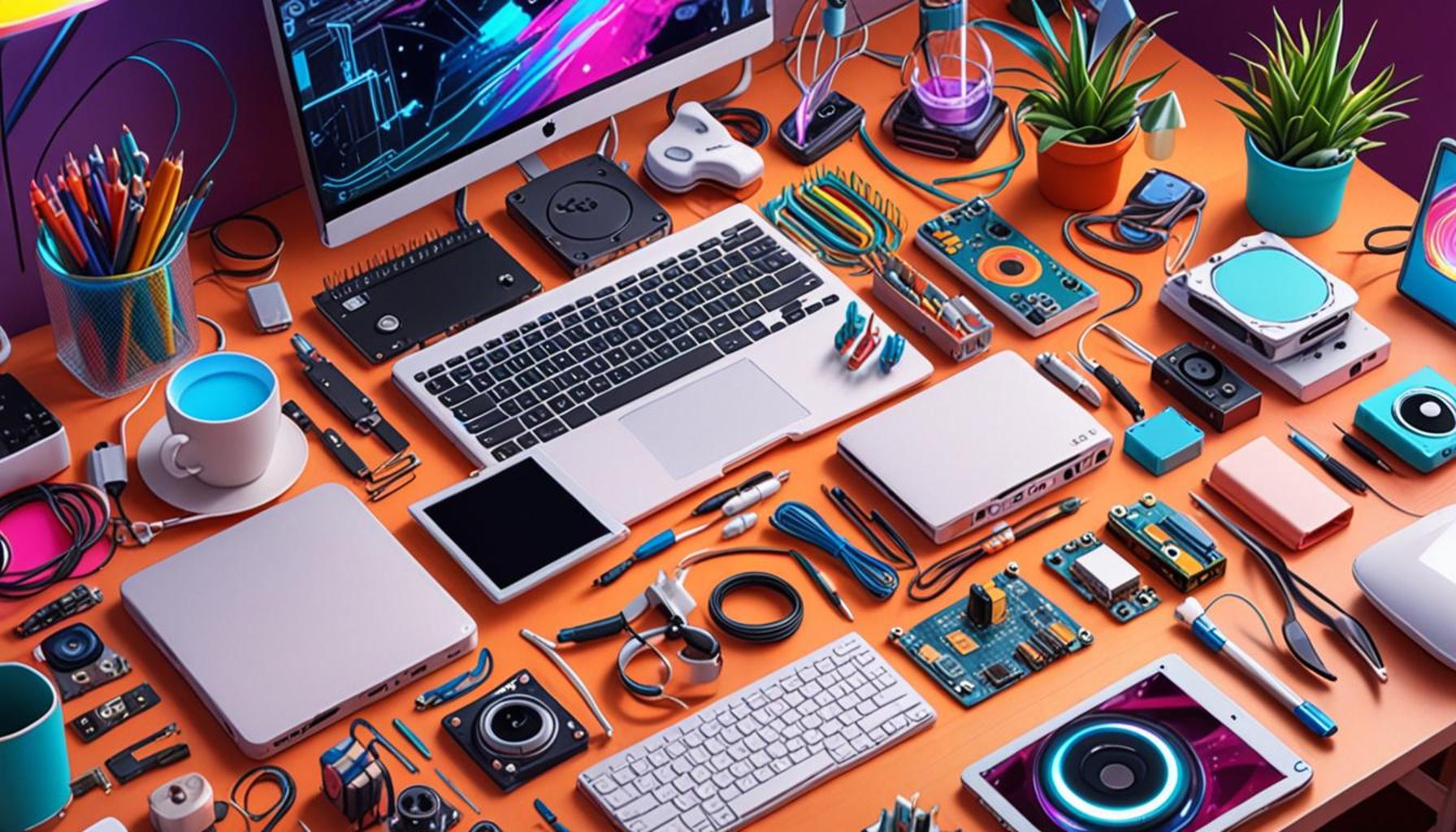
Unlocking Your Creative Potential
In a world where technology evolves rapidly, the ability to create your own gadgets and accessories becomes a superpower. Embracing DIY technology not only fuels creativity, but it also allows you to design functional solutions tailored to your needs. From smart home devices to personal accessories, the possibilities are endless. The advent of affordable components and open-source platforms has made it feasible for anyone with an interest to dive into the world of DIY tech. Whether you’re a student, a hobbyist, or simply someone who wants to enhance everyday life, there is something for you in this burgeoning field.
Why Choose DIY Technology?
- Cost-Effective: One of the most compelling reasons to consider DIY technology is the potential for cost savings. For instance, a commercially available smart bulb can easily run over $50, while creating a similar device using a Raspberry Pi and some coding can cost under $20. This affordability opens up new opportunities, especially for those on a budget.
- Customization: When you opt for DIY, you gain the power of customization. Imagine designing a smart security camera that only activates when you’re away from home or crafting a health-monitoring device that tracks only the metrics that are important to you, like sleep patterns or hydration levels. This degree of personal touch is often unattainable with mass-produced products.
- Learning Experience: Engaging in DIY projects fosters curiosity and enhances one’s skill set. Each project offers a chance to learn about electronics, coding, and even engineering principles. Platforms like Arduino and Raspberry Pi provide rich ecosystems of tutorials that can help learners at any stage, from beginner to advanced.
Many enthusiasts have taken up the challenge, creating innovative projects tailored to their everyday needs. For example, smart plant watering systems that employ moisture sensors to determine when to water your plants can ensure that your greenery stays healthy without constant monitoring. Similarly, home automation systems allow users to control lighting, heating, and even security alarms remotely, enhancing both convenience and safety.
A popular project among fitness buffs includes creating wearable tech that tracks health metrics such as heart rate and activity levels. These devices can be customized to fit your style and also provide real-time feedback, turning workouts into a more interactive experience. With wearables, you’re not just exercising; you’re gaining insights that can help you build better habits.
Thanks to a plethora of readily available resources and comprehensive online tutorials, embarking on a DIY technology journey has never been easier. Websites like Instructables and Hackster.io house thousands of projects and tutorials, enabling you to learn at your own pace. You’ll find a thriving community of makers, all eager to share their experiences and support newcomers. As you explore this exciting realm, you’ll discover not just new skills, but also a passionate community that thrives on collaboration and innovation. Take the leap into DIY technology and empower yourself to take control of your tech destiny!
DISCOVER MORE: Click here to illuminate your space with custom lighting ideas
Exploring DIY Projects That Enhance Your Daily Life
As the world becomes increasingly fast-paced and interconnected, DIY technology offers a gateway to improving everyday life through hands-on creativity. By engaging in DIY projects, individuals can not only craft unique gadgets but also cultivate problem-solving skills and enhance their technical know-how. From innovative home automation systems to personalized wearable tech, these projects can be both entertaining and educational, laying the foundation for a more technology-savvy future.
Inspiring DIY Technology Projects
When considering DIY technology, the challenge often lies in selecting a project that piques your interest and aligns with your skill level. Here is a selection of popular and rewarding projects that can serve as a springboard into the realm of DIY tech:
- Intelligent Lighting Systems: Imagine controlling the ambiance of your home with just a few taps on your smartphone. With the help of platforms like Arduino or Raspberry Pi, you can create a smart lighting system that adjusts the brightness based on time of day or even your mood. Enhance your space further with color-changing LED strips that you can programatically control.
- Home Security Solutions: In an age where safeguarding our personal spaces is a priority, creating a DIY security system could be a rewarding endeavor. Utilize cameras that can stream video to your phone, alongside motion detectors, allowing you to monitor your home remotely. Such systems can be easily tailored to meet individual safety preferences, including alerts for unusual activity.
- Customized Smart Mirrors: These futuristic gadgets can display weather updates, calendar events, and motivational quotes while you get ready for the day. Utilizing a simple two-way mirror and a smart display, you can create an interactive experience that merges utility with style, potentially turning your ordinary mirror into a digital assistant.
- Eco-Friendly Solutions: With sustainability at the forefront of many consumer decisions, DIY tech can address eco-friendly goals. Projects such as solar-powered chargers or automatic plant watering systems could drastically reduce waste and enhance resource management at home. Develop a solar charger that captures energy, providing a sustainable power source for your gadgets.
Though these projects may seem daunting at first, the wealth of resources and community support makes them accessible to all. Each build serves not only as a hands-on experience but also as an opportunity to gain insights into how various technologies function and to understand the principles behind them. Websites like Hackster.io and Adafruit present tutorials and guides that cater to all skill levels, ensuring that help is always within reach.
Embarking on DIY technology projects not only equips you with essential tech skills but also enables you to explore your creative potential. As you dive deeper into this exciting realm, don’t forget to share your creations with the online community; you may inspire others on their DIY journey while enkindling a sense of camaraderie among fellow tech enthusiasts.
| Advantage | Description |
|---|---|
| Cost Efficiency | Creating gadgets at home often saves significant amounts of money compared to purchasing ready-made products. This can be especially beneficial for hobbyists and enthusiasts, who may prefer to invest in materials and tools. |
| Customization | DIY technology allows for complete personalization of gadgets. Whether it’s a custom design, specific functionality, or tailored features, the options are limitless. |
| Skill Development | Engaging in DIY projects enhances technical skills. Individuals learn to work with different materials and tools, boosting their creativity and problem-solving capabilities, which is crucial in the ever-evolving tech landscape. |
| Sustainability | Building your own gadgets promotes the use of recycled materials and reduces waste, contributing to a more sustainable environment. This eco-friendly aspect appeals to many modern consumers. |
The realm of DIY technology is a fascinating one where innovation meets practicality. With a variety of resources available online, individuals can learn how to create their own functional gadgets and accessories, fostering a deeper understanding of technology. The satisfaction that comes from building something with your own hands cannot be overstated, making it a truly enriching experience.
DISCOVER MORE: Click here to delve into the evolution of music making
Innovative Tools and Resources for DIY Tech Enthusiasts
Diving into the world of DIY technology is not only about creativity and ingenuity; it also requires the right tools and resources to make your projects come to life. Having access to quality materials and components can greatly enhance your experience, leading to more successful outcomes. From hardware essentials to online communities, the following resources will equip you with everything you need for your next innovative project.
Essential Tools for Your DIY Arsenal
Whether you’re a seasoned maker or just starting your journey, having the right toolbox can make a significant difference. Below are some essential tools that every DIY tech enthusiast should consider adding to their DIY arsenal:
- Soldering Iron: A good soldering iron is crucial for connecting electronic components securely. Models with adjustable temperature settings provide flexibility, ensuring you can tackle various projects with ease.
- Multimeter: This indispensable instrument allows you to measure voltage, current, and resistance. With a multimeter, you can troubleshoot circuits effectively, identify faults, and validate your design.
- 3D Printer: Bridging the gap between digital designs and physical products, a 3D printer enables you to create custom enclosures and components. From prototype to final product, 3D printing adds a whole new dimension to your DIY projects.
- Prototype Boards: Also known as breadboards, these are ideal for quickly assembling electronic circuits. They allow you to test and make modifications without soldering, making it easy to explore different configurations.
- Hand Tools: Don’t overlook the simplest tools in your kit. Screwdrivers, pliers, and wire cutters are essential for assembling and disassembling your gadgets and can be helpful during the prototyping phase.
Online Communities and Learning Platforms
One of the most significant advantages of engaging in DIY technology is the wealth of online resources and communities available to aspiring makers. Websites such as Instructables and GitHub provide extensive tutorials, guides, and code repositories where you can learn from others’ experiences and even collaborate on projects. Forums like Reddit’s r/DIY and Hackaday offer platforms for discussion, troubleshooting, and gaining inspiration from fellow tech enthusiasts.
Furthermore, online courses on platforms such as Coursera and Udemy can provide structured learning experiences on specific subjects related to electronics, programming, and robotics. Whether you’re interested in coding your first app or building an automated garden system, these platforms serve as an excellent foundation to expand your skills.
Utilizing Open-Source Hardware and Software
At the forefront of the DIY technology movement is the embrace of open-source hardware and software. Utilizing platforms such as Arduino and Raspberry Pi not only provides a reliable environment for prototyping but also connects you with a vast ecosystem of libraries, projects, and community support. These tools allow you to experiment freely and build projects ranging from simple to complex, democratizing technology and making it more accessible for everyone.
Companies like Adafruit and SparkFun offer kits that include everything you need to get started, making your foray into DIY technology less intimidating. These kits are often accompanied by extensive documentation, enabling you to learn as you build, creating a perfect blend of education and creativity.
The excitement of creating functional gadgets and accessories at home is limited only by your imagination and willingness to learn. With the right tools, resources, and a supportive community, you can truly discover the endless possibilities that DIY technology has to offer.
DIVE DEEPER: Click here to discover more
Conclusion: Unleashing Your Creativity with DIY Technology
In a world where technology advances at a blistering pace, the DIY technology movement empowers individuals to harness their creativity and develop functional gadgets and accessories right from their homes. By integrating essential tools, engaging in online communities, and utilizing open-source resources, enthusiasts can elevate their projects from mere concepts to tangible realities.
The accessibility of technology has never been better; with platforms like Arduino and Raspberry Pi, makers can experiment and learn regardless of their skill level. This democratization not only encourages innovation but also inspires collaboration among tech enthusiasts, creating a vibrant ecosystem of shared knowledge and resources. The wealth of tutorials available on websites like Instructables further enhances this environment, making it easier than ever to dive into new projects.
As you embark on your own DIY journey, remember that the tools and materials at your disposal can greatly influence your success. Being well-equipped with quality components, whether a soldering iron, multimeter, or a 3D printer, lays a solid foundation for creating impressive gadgets. The landscape of DIY technology is vast and ever-evolving, presenting an exciting opportunity to push boundaries and personalize your tech experience.
Ultimately, the possibilities for innovation in DIY technology are limited only by your imagination and readiness to experiment. By embracing the resources available and learning from fellow enthusiasts, you can transform your ideas into functional creations, bringing a unique touch to the tech landscape. So gather your tools, connect with the maker community, and let your creativity soar—your next fantastic gadget is only a project away!