DIY Textile Craft: Creating Custom Cushions and Fabrics for Your Home
Explore Your Creativity with DIY Textile Crafts
Transforming your living space has never been more accessible! With DIY textile craft, you can create stunning custom cushions and fabrics that reflect your unique style and personality. The beauty of textile crafts lies in the personal touch they bring to your home. From choosing the right colors to selecting materials that express who you are, the options are endless.
Whether you’re a seasoned crafter or a curious beginner, the world of textile projects offers infinite possibilities. Here are some compelling reasons to dive into this creative journey:
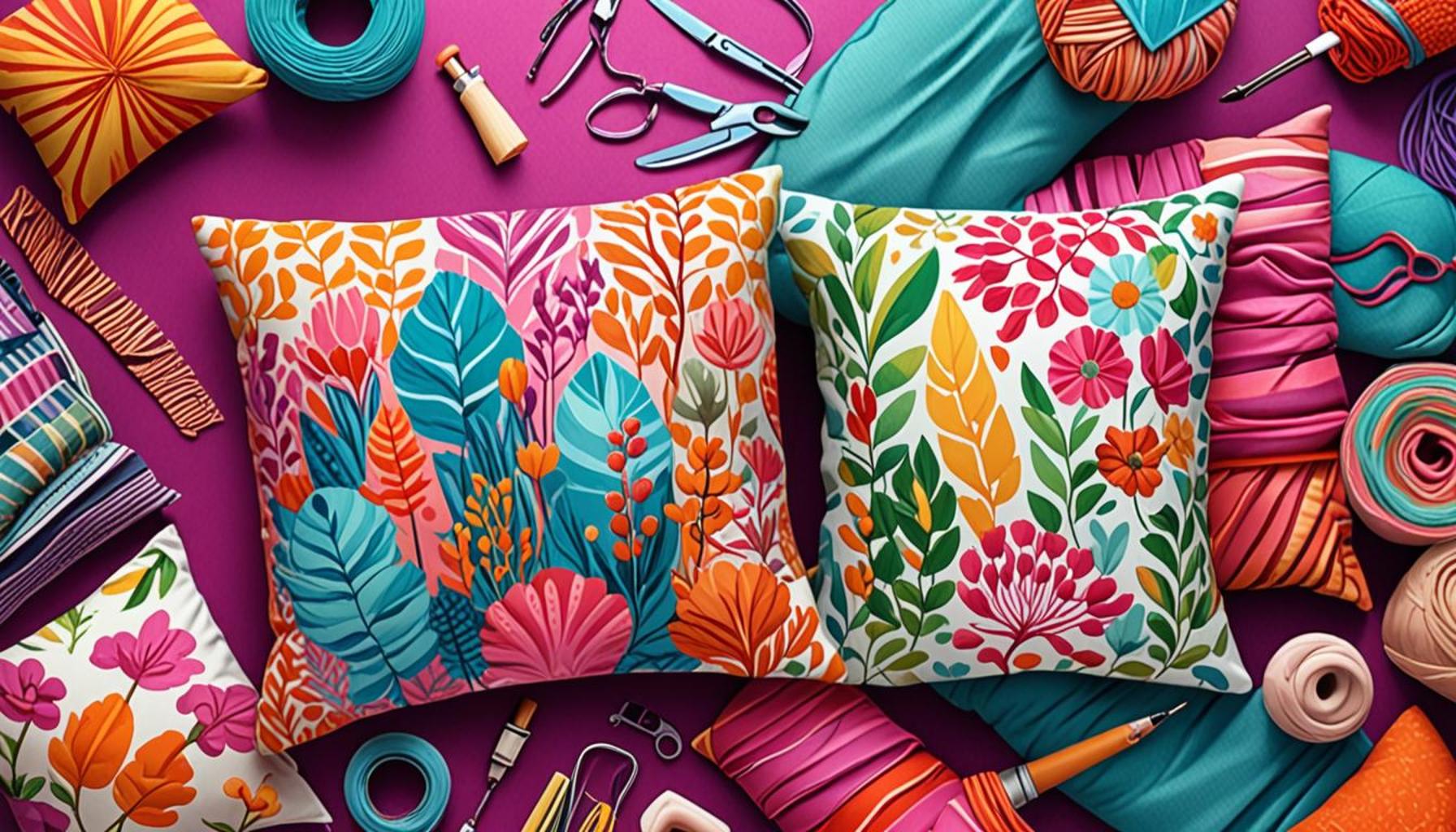
- Personalization: Designing cushions in colors and patterns that perfectly match your home décor can enhance any space. Imagine creating a set of cushions using fabrics adorned with your favorite floral prints or geometric patterns that resonate with your style. You can even mix and match different fabrics to craft a truly unique look that stands out.
- Eco-Friendly Options: Crafting your own textile items is not just creative but also sustainable. Repurposing old fabrics—like worn-out clothing, tablecloths, or curtains—gives them a new lease on life and significantly reduces waste. This practice is aligned with the growing movement towards sustainability, allowing you to contribute positively to the environment while exploring your artistic side.
- Cost-Effective: Creating your own cushions and textiles can save you a significant amount of money compared to purchasing expensive home goods. Fabric can often be found at accessible prices in local craft stores or online retailers, and you can even explore thrift stores for unique finds that inspire your projects.
From elegant throw pillows that can soften your living room to vibrant table runners that add flair to your dining area, the choices are vast and varied. You can experiment with different materials such as cotton, linen, or even recycled textiles for a one-of-a-kind touch that showcases your individuality.
If you’re unsure where to begin, consider these essential tools and materials:
- Sewing Machine: A reliable sewing machine will make your crafting process smoother and more efficient. Models can be found at varying price points, ensuring that there’s something for every budget.
- Fabric Scissors: Investing in a good pair is crucial for making precise cuts, ensuring your fabrics have clean edges for a professional finish.
- Measuring Tape: Accuracy is key when it comes to textile crafting, as measuring your fabric correctly can save you time and resources.
Embarking on a DIY textile craft project not only beautifies your home but also unleashes your creativity. Whether you are designing a cozy reading nook or preparing for a festive dinner party with custom table settings, the process can be as enjoyable as the finished product. So grab your supplies, and let’s dive into the rewarding world of custom cushions and fabrics! Explore tutorials and inspiration online, connect with local crafting communities, and immerse yourself in the joy of making something truly yours.
DIVE DEEPER: Click here to discover more
Choosing the Right Fabrics and Designs for Your DIY Projects
Delving into the world of DIY textile crafts begins with selecting the right fabrics and designs that resonate with your personal aesthetic. With an array of fabrics available—from soft cotton to luxurious velvet—understanding their properties and suitable applications is essential in crafting the perfect cushions and textiles for your home.
When shopping for fabrics, consider the following aspects:
- Texture: The feel of the fabric can change the entire mood of a room. For example, linen offers a relaxed vibe, making it ideal for casual spaces, while silk imparts a touch of elegance that suits more formal settings.
- Durability: If your cushions or other items will experience heavy use, opting for materials that withstand wear and tear is vital. Fabrics such as canvas or upholstery-grade materials are excellent choices for high-traffic areas.
- Colorfastness: Pay attention to color permanence, especially if your textiles will be exposed to sunlight. Choosing fabrics labeled as “colorfast” ensures that they retain their vibrancy over time.
- Washability: Easy maintenance is another consideration. Opt for fabrics that can be thrown in the wash without losing their shape or color, particularly for items like cushions that can accumulate dust and spills.
After selecting your fabrics, consider the design aspects of your project. This is where your personal style shines through! Decide if you want to create cohesive collections or a more eclectic look. Here are some popular design themes to inspire your creativity:
- Modern Minimalism: Stick to solid colors with clean lines and geometric patterns for a sleek and contemporary feel.
- Bohemian Charm: Combine a mix of ethnic prints and textures, layering different pieces to achieve a cozy, inviting atmosphere.
- Classic Elegance: Use traditional patterns, like damask or florals, in rich, muted colors for a sophisticated touch that exudes timelessness.
Additionally, don’t hesitate to experiment with techniques like fabric painting or stenciling to add a new dimension to your creations. Customizing your fabrics with unique designs not only personalizes the pieces but also provides the opportunity to match your specific theme or seasonal decor. This exploration into textile art allows you to imprint your ingenuity while honing your crafting skills.
Remember, the fun in DIY textile crafts lies in the process as much as the finished product. Discover your favorite styles, play with patterns and textures, and make your home a reflection of who you are. As you embark on this creative journey, keep the joy of crafting at the forefront and let your imagination guide your hands. With each stitch and design choice, you’re not just creating fabric items; you’re weaving your story into the fabric of your home.
| Category | Details |
|---|---|
| Customization | When you create your own cushions and fabrics, you gain full control over color, pattern, and texture, allowing for a truly unique home design. |
| Sustainability | By choosing eco-friendly materials, DIY textile crafts promote sustainable living, reducing waste and supporting green practices. |
| Cost-Efficiency | DIY crafts can be more affordable than purchasing pre-made items, especially if you upcycle old fabrics. |
| Skill Development | Engaging in DIY textile crafts helps improve your sewing and design skills, fostering creativity and confidence in your crafting abilities. |
Creating custom cushions and fabrics is more than just a hobby; it’s an opportunity to express your personality and enhance your living space. The thrill of selecting the perfect fabric and deciding on the ideal dimensions can make your home feel uniquely yours. Not only does this creative endeavor allow you to tailor items that match your specific decor style, but it also provides you with the chance to incorporate fabrics that tell a story or hold sentimental value. As you explore the world of DIY textile crafts, you may find yourself drawn towards various techniques such as fabric painting or printing, which can open up even more possibilities for your projects. Whether you’re a seasoned creator or just starting, the joy of crafting your own textiles can transform your approach to home decor.
DISCOVER MORE: Click here to dive deeper
Techniques for Creating Your Custom Cushions and Fabrics
Having identified the fabrics and designs that resonate with you, the next step in your DIY textile craft journey is mastering the techniques that will bring your vision to life. Creating custom cushions and fabric items not only enhances your home but can also be a satisfying artistic endeavor. Here are several techniques you can employ to add artistic flair to your projects:
1. Sewing Basics
If you’re just starting, learning to sew is foundational for any textile project. Investing in a good-quality sewing machine will make this process smoother. Begin by understanding basic sewing practices including straight stitches, zigzag stitches, and how to handle hems. These skills enable you to create polished edges, essential for cushion covers and other fabric items. Online tutorials and local sewing classes offer a wealth of resources to get you comfortable with your sewing machine.
2. Cushion Infill and Finishing Touches
The choice of infill material is pivotal in determining the comfort and structure of your cushions. Options range from traditional polyester fill to more sustainable choices like organic cotton or even buckwheat hulls for a unique touch. Depending on the look and feel you’re after, use additional features like piping or tufting to elevate your design. Piping around the edges adds a pop of color and sophistication, while tufting brings depth and a vintage feel.
3. Fabric Painting and Printing
Unlock your creativity by personalizing fabrics using painting or printing techniques. Fabric paint allows you to create bold designs or intricate patterns with ease. Investing in stencils can help you achieve consistent designs across multiple pieces. Additionally, consider the tie-dye method as a fun way to add unique color blends to plain fabrics. For a more advanced method, screen printing enables you to produce designs that can be replicated onto larger fabrics, perfect for making matching curtains or tablecloths.
4. No-Sew Techniques
If sewing isn’t your forte, there are no-sew alternatives that can be just as effective. Techniques such as fabric glue or iron-on hems allow you to create custom cushions without the need for a sewing machine. You can also use knotting methods to create a fringed look, especially with fleece fabrics that do not fray. This is particularly popular in DIY throw pillows, which adds a playful and textured element to your decor.
5. Upcycling Old Textiles
One of the most sustainable practices in DIY textile crafting is upcycling. Repurposing old clothing, sheets, or even table linens into new cushion covers not only saves resources but also allows you to commemorate cherished fabrics. When upcycling, focus on the elements of each item—buttons, zippers, or unique patterns—that can contribute to your new design. This technique not only fosters creativity but also keeps textiles out of landfills, embodying a DIY spirit that values resourcefulness.
As you delve into different techniques, remember that experimentation is key. Each project will refine your skills, prepare you for challenges, and teach you valuable lessons. From selecting colors that complement your existing space to mastering sewing patterns or no-sew methods, every step in this textile journey shapes the character of your home while telling a story about your creativity and style. Embrace the learning process, and don’t hesitate to create something uniquely yours!
DISCOVER MORE: Click here to learn how to turn your crafting skills into a career
Conclusion
Engaging in DIY textile craft opens up a world of creative possibilities that allow you to personalize your home in a truly unique manner. By mastering various techniques, from sewing basics to innovative no-sew options, you can craft custom cushions and fabrics that add warmth and character to your living spaces. The art of upcycling offers an eco-friendly approach, enabling you to transform old textiles into something spectacular while contributing positively to the environment.
Your journey in textile crafting is not merely about producing functional items; it’s about expressing your individual aesthetic and flair. By experimenting with colors, patterns, and textures, each project you undertake becomes a chapter in the narrative of your home—a reflection of your personal style and memories.
As you embark on this artistic journey, don’t hesitate to explore online resources, local classes, or community workshops. The wealth of information available caters to every skill level and can further ignite your creativity. Ultimately, the act of creating something with your own hands nurtures not only your home but also your soul, turning everyday spaces into warm havens filled with personality.
So gather your materials, unleash your creativity, and begin your adventure in DIY textile craft, where every cushion or fabric item is a stepping stone toward a uniquely designed and comfortably styled home.