Exploring Artistic Expressions From Painting to Performance Boosting Creativity
Art has always been a vital means of communication and self-expression, bridging cultures and generations. As we delve into various art forms, it becomes evident that engaging in these creative hobbies not only enriches our lives but also enhances our personal creativity. From the vibrancy of painting to the dynamism of performance art, each medium offers unique avenues for exploration.
This article will guide you through the Top 5 artistic expressions that not only ignite passion but can also serve as powerful tools for personal growth. Whether you are an aspiring artist or a seasoned enthusiast, understanding these forms can deepen your appreciation and stimulate your creative instincts. Prepare to discover the transformative impact of art on your life.
- Painting – A visual narrative that captures emotions and thoughts.
- Drawing – A foundational skill that enhances observational abilities.
- Sculpture – A physical representation that conveys depth and dimension.
- Dance – An expressive movement that communicates without words.
- Theater – A powerful medium for storytelling and empathy.
Top 5: Exploring Different Forms of Artistic Expression from Painting to Performance and Their Impact on Personal Creativity
Art, a mirror to human experience, manifests itself in numerous forms, each offering unique avenues for personal creativity and expression. This exploration delves into five key forms of artistry—painting, sculpture, dance, theatre, and performance art—revealing how they enrich our lives with creativity and insight.
5. The Timeless Allure of Painting
Painting is a vibrant tapestry woven through human history. From the prehistoric strokes on cave walls to bold splashes in contemporary art galleries, this form of expression not only reflects but also shapes the cultural narratives of its time. Artists like Leonardo da Vinci, Vincent van Gogh, and Jackson Pollock are renowned for their groundbreaking styles that continue to influence art today.
The true beauty of painting lies in its ability to convey emotion, tell stories, and express complex ideas. Paintings like Edvard Munch’s “The Scream” encapsulate profound emotions, while the murals of Diego Rivera narrate historical and political stories through colorful frescoes. The versatility of painting is evident in its capacity to address themes ranging from personal introspection to grand societal issues.
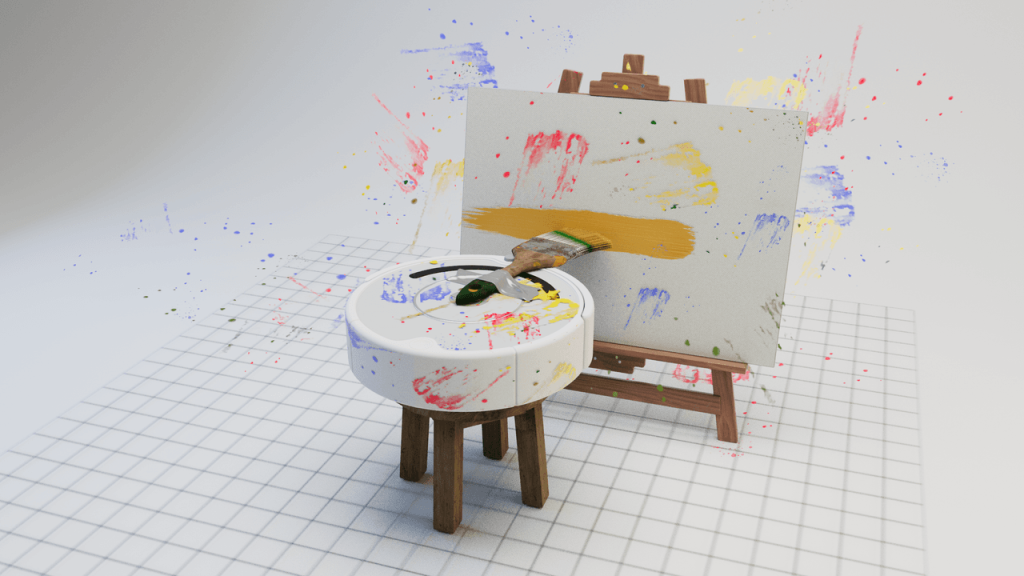
For those who practice painting, the meditative process of selecting colors and applying brush strokes can foster a sense of flow. This state of deep focus often leads to unexpected bursts of creativity, helping individuals to express their innermost thoughts and feelings. Whether working alone in a quiet studio or within a lively community workshop, painting fosters personal satisfaction and cognitive growth, making it a rewarding artistic endeavor.
4. The Dynamic World of Sculpture
Sculpture brings art into the tangible world. This three-dimensional medium expands artistic possibilities by engaging the senses and allowing viewers to interact physically with the artwork. Legendary sculptors like Michelangelo and Auguste Rodin have transformed raw materials into lifelike figures that continue to captivate audiences worldwide.
Each material used in sculpture, whether clay, metal, stone, or wood, contributes unique textures and forms. By manipulating these materials, sculptors challenge both themselves and their viewers, provoking thought about not only the artwork itself but the environment in which it exists. Richard Serra’s massive steel installations, for example, transform public spaces, turning mundane areas into places of reflection and dialogue.
The tactile nature of sculpture also facilitates a deeper connection between the creator and their work. The physical act of shaping a sculpture can be a cathartic process, reflecting the artist’s emotions and thoughts. Moreover, the very spatial awareness required to create a sculpture enhances an artist’s ability to depict depth and dimension, offering a rich, sensory experience for both the creator and the observer.
3. The Expressive Power of Dance
Dance, the art of movement, communicates in a universal language that transcends words. Cultures worldwide embrace varied styles of dance, such as classical ballet, dynamic hip-hop, and traditional folk dances, each with its own rhythm and story to tell. Through dance, humans have long expressed the joys and sorrows of life, deeply connecting communities and individuals.
Engaging in dance serves as a profound catalyst for personal creativity. It requires a unique balance between structural discipline and spontaneous expression, allowing dancers to explore both technical mastery and personal improvisation. As dancers move to the beats of their own creation, they gain a deeper understanding of their bodies’ capabilities and limitations.
The communal aspect of dance cannot be understated. Group performances, whether in small ensembles or grand productions, foster a sense of unity and empathy. Participants share an intimate creative journey, enriched by diverse expressions and interpretations, enhancing both individual creativity and collective solidarity.
2. The Captivating World of Theatre
Theatre, a timeless tradition of storytelling and performance, invites audiences into a world of imagination and exploration. From the poetic prose of Shakespeare to the socially insightful works of Lorraine Hansberry, theatre incorporates a wide array of themes, styles, and narratives, each capable of evoking emotional and intellectual engagement.
Participation in theatre allows individuals to step into diverse roles, facilitating a profound understanding of differing perspectives. This process often nurtures empathy and cognitive growth, as actors delve deep into character development and complex narratives. It not only challenges them to embody various personas but also enhances their ability to connect with others on a meaningful level.
The collaborative nature of theatre amplifies its impact. The shared endeavor of bringing a play to life involves writers, directors, actors, and a host of backstage talent, each contributing their unique strengths. Such collaboration fosters a remarkable creative synergy that not only enhances the production but also enriches the personal development of those involved.
1. The Impact of Performance Art
Performance art stands at the nexus of multiple artistic disciplines, blending elements of visual art, theatre, and more to craft captivating and often provocative spectacles. Artists such as Marina Abramović leverage this platform to explore bold, often controversial concepts that prompt audiences to question societal norms and reflect on contemporary issues.
Characterized by its inherent spontaneity and unpredictability, performance art dismantles traditional barriers between artist and audience. It transforms spaces into immersive environments that encourage interaction and exchange of ideas in real time. This interaction can leave a lasting impression, urging participants to engage with their own creativity and perception of the world.
The challenges of performance art—requiring rapid adaptation and critical thinking—push artists to extraordinary levels of creativity. These pieces often delve into existential queries and social constructs, offering a profound platform for personal and collective exploration.
In conclusion, the exploration of diverse artistic expressions, from painting to performance, enhances personal creativity and provides profound opportunities for personal growth. Each form, with its unique method of storytelling and emotional engagement, encourages individuals to dive deep into the realms of self-understanding and societal reflection. By embracing these creative pursuits, we enable the discovery of deeper truths and forge connections that enhance our understanding of the world around us.
Exploring different forms of artistic expression opens a world where creativity meets the personal narrative. From the brush strokes of a dedicated painter to the fluid movements of a performance artist, each medium has unique advantages that contribute to individual expression and creativity. In this exploration, we delve into the multitude of ways in which diverse art forms can enrich our lives and impact personal creativity.One of the most profound benefits of engaging with visual arts, such as painting and sculpture, is their ability to communicate emotions and concepts that words often fail to capture. Visual artists can transcend language barriers, allowing viewers to experience and interpret feelings through color, texture, and form. This freedom of expression fosters a deep connection to personal emotions, enabling individuals to reflect on their inner landscapes while developing a nuanced understanding of their own experiences.Equally captivating is the realm of performance art, where artists embody concepts and narratives that challenge societal norms and provoke thought. Through the medium of the body and movement, performance artists engage audiences in a visceral way, prompting immediate reactions and reflections. The act of performance encourages not only the artist’s creativity but also invites viewer participation, ultimately fostering a dialogue around the themes presented. This interaction can stimulate a profound examination of personal beliefs and societal values, inspiring individuals to think critically about their positions within the world.Additionally, exploring these artistic forms can serve as a therapeutic outlet. Engaging with various modes of expression can alleviate stress, foster emotional healing, and enhance overall well-being. Creative practices, like painting and performance, allow individuals to channel their emotions into tangible forms, providing a sense of release and a space to process experiences. Research suggests that individuals involved in artistic activities may experience increased levels of happiness and fulfillment, highlighting art’s essential role in personal development.Moreover, the collaborative nature of many forms of artistic expression fosters a sense of community and connectedness. Art projects often bring together diverse groups of people who share ideas, techniques, and perspectives. This collaboration not only enriches the creative process but also builds support systems that encourage individuals to embrace their unique artistic voices. Communities centered around artistic endeavors can significantly enhance personal creativity by providing both a nurturing atmosphere and a platform for experimentation.Through these avenues of artistic exploration, individuals are not only nurturing their own creativity but also contributing to a broader cultural tapestry. Whether through developing new techniques or reshaping narratives through performance, each person’s contribution enriches the collective understanding of art as a powerful form of communication. As we continue to explore the wealth of artistic expression available to us, we discover new ways to connect with ourselves and others, illuminating the profound impact art can have on personal and communal creativity. In summarizing the vast array of benefits from engaging with diverse artistic expressions—understanding, emotional healing, community building, and cultural contribution—we recognize the transformative potential that art holds for enriching individual lives and fostering a vibrant culture of connection and creativity.
Frequently Asked Questions About Artistic Expression and Personal Creativity
What are the different forms of artistic expression discussed in the article?
The article explores a variety of artistic expressions, ranging from traditional forms like painting, sculpture, and drawing to modern forms such as performance art, digital art, and multimedia installations. Each form has its unique characteristics and techniques, providing a rich tapestry of options for artists to explore their creativity.
How does engaging in different forms of art impact personal creativity?
Engaging in diverse art forms can significantly enhance personal creativity by stimulating different parts of the brain. For example, painting may develop spatial intelligence, while performance art enhances emotional and interpersonal skills. This cross-disciplinary exploration can lead to innovative ideas and the discovery of new creative approaches.
Can someone who is not traditionally ‘artistic’ benefit from exploring these art forms?
Absolutely! Exploring various forms of artistic expression is not limited to those with a traditional artistic background. In fact, immersing oneself in art can foster creativity, problem-solving skills, and emotional expression in all individuals, regardless of prior experience. This journey can offer fresh perspectives and unexpected insights that enhance personal growth.
What role does performance art play in shaping artistic expression?
Performance art is a powerful medium for storytelling and often involves audience interaction. It challenges conventional art boundaries by emphasizing the artist’s body and presence in the work. This immersive experience can lead to profound emotional connections and can leave a lasting impact on both artists and audiences.
Is digital art considered a significant form of artistic expression today?
Yes, digital art is increasingly recognized as a prominent form of artistic expression. The rise of technology has expanded artists’ tools, allowing for new techniques and experimentation. Digital art encompasses a wide range, from virtual reality experiences to intricate graphic designs, reflecting the dynamic nature of contemporary creativity.
Conclusion: Embracing Artistic Diversity for Personal Growth
In exploring the vast landscape of artistic expression, ranging from traditional painting to dynamic performance art, we uncover not just a spectrum of creative outlets but also a multitude of pathways to personal growth and innovation. Each form of art—be it the meticulous brushstrokes of a painting or the spontaneous gestures of a performer—carries unique potential to ignite creativity and enhance personal development.
The journey through these artistic forms highlights their significant role in shaping our understanding of creativity. Painting, for example, offers a space for introspection and expression of thoughts that words may fail to capture. In contrast, performance art challenges boundaries and encourages immediate, interactive connections with the audience, fostering an environment of collaborative creativity.
The article has emphasized the importance of such diverse artistic expressions in augmenting one’s creative capacity. Engaging with different art forms can lead to holistic personal enrichment, providing new perspectives and skills that transcend the confines of traditional learning. In an age where innovation is vital, these creative hobbies offer more than just leisure; they are vital tools for cultivating adaptability and open-mindedness.
In conclusion, embracing a variety of artistic expressions equips individuals with the freedom to explore, create, and inspire. It invites everyone to embark on a journey of self-discovery and imaginative exploration. As readers dive deeper into these artistic realms, they are encouraged to experiment, reflect, and perhaps find their own unique voice amid the diverse tapestry of human creativity.