Exploring New Forms of Artistic Expression: Emerging Technologies and Their Impact on Creative Hobbies
The Impact of Emerging Technologies on Art
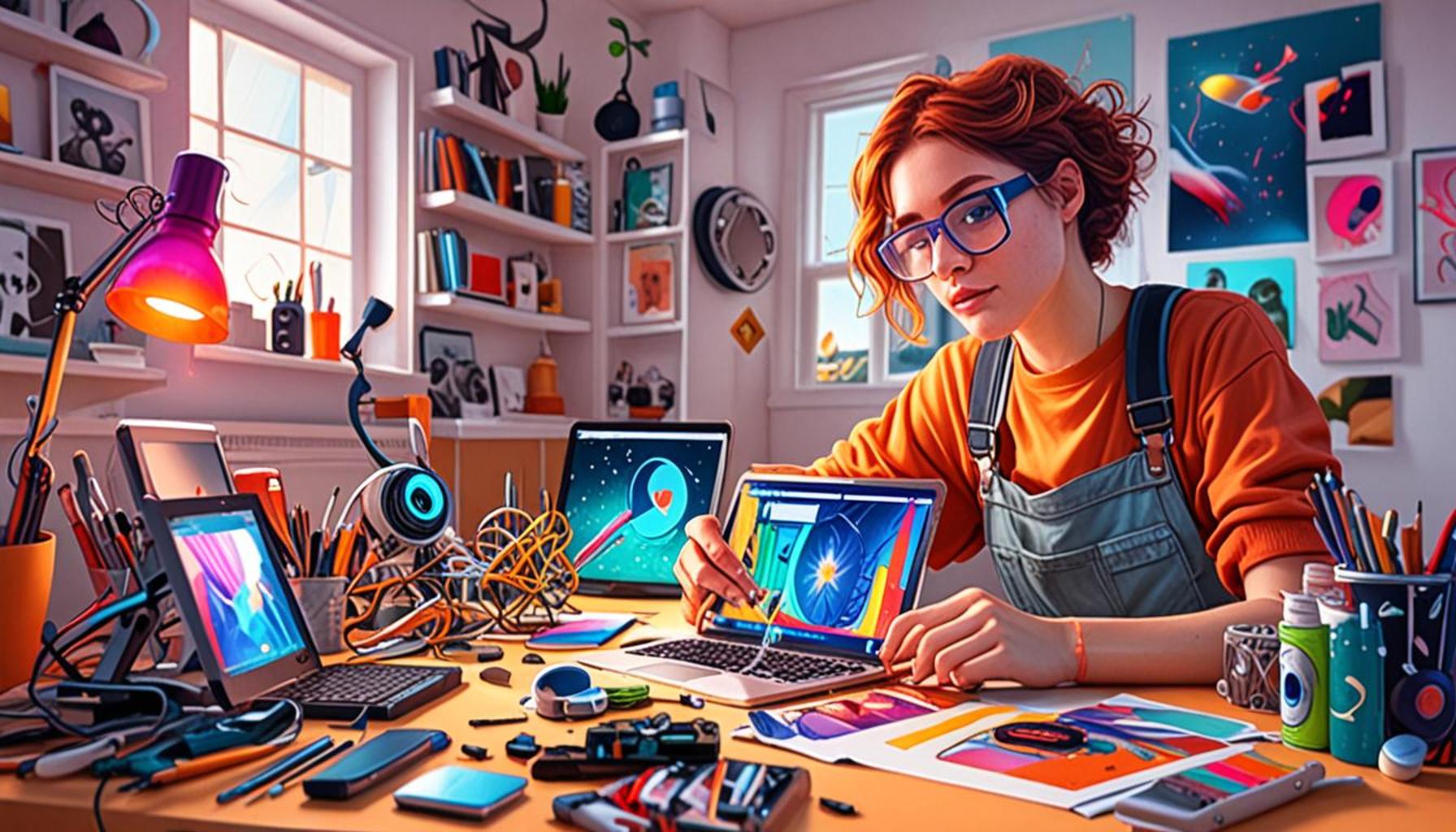
The fusion of emerging technologies and artistic expression is reshaping the landscape of creative hobbies. With advancements in areas such as virtual reality (VR), artificial intelligence (AI), and digital media, artists and hobbyists are discovering innovative avenues to express their vision. This revolution is not just changing how art is created, but also who can create it.
Virtual Reality
Virtual Reality (VR) has transformed the way artists envision and interact with their creations. Immersive experiences allow users to step inside their artworks, offering a multi-dimensional viewing experience. Platforms like Oculus Medium enable artists to sculpt in a virtual space, where they can manipulate 3D forms with their hands rather than traditional tools. This not only eliminates the physical limitations of conventional art forms but also offers greater freedom to experiment with scale and form. Imagine an artist designing an installation that viewers can walk through, engaging all their senses in a way that flat canvases cannot achieve.
Artificial Intelligence
Artificial Intelligence is redefining the concept of authorship in the art world. Algorithms can now analyze styles and generate unique pieces based on a blend of influences drawn from thousands of artworks. DeepArt and Artbreeder are examples of platforms where users can create stunning visuals using AI-driven algorithms. This blurs the lines between human creativity and machine-generated content, challenging the traditional notion of what it means to be an artist. Could anyone with access to these tools be an artist? This democratization of art creation invites discussions about originality and authenticity.
3D Printing
3D Printing brings digital creations into tangible form, revolutionizing possibilities for sculptors and designers alike. With the ability to create intricate designs and structures that might be impossible to craft by hand, artists can bridge the gap between their digital concepts and physical reality. Artists like Joshua Harker have pushed the boundaries of 3D printing, creating complex sculptures that challenge conventional aesthetics. The use of 3D printing in art not only makes art more accessible but also fosters collaborative projects that can span across various disciplines, including engineering and fashion.
Social Media Platforms
Moreover, social media platforms have provided a global stage where artists can showcase and share their work instantly. Platforms like Instagram, TikTok, and Behance allow creators to reach a diverse audience beyond geographical constraints, facilitating a dialogue between artists and their viewers. This immediate feedback loop can inspire further creativity and collaboration, as artists are more connected than ever. For instance, hashtags can help designers join global art movements or trends that resonate with their personal visions, thus sparking collective exploration.
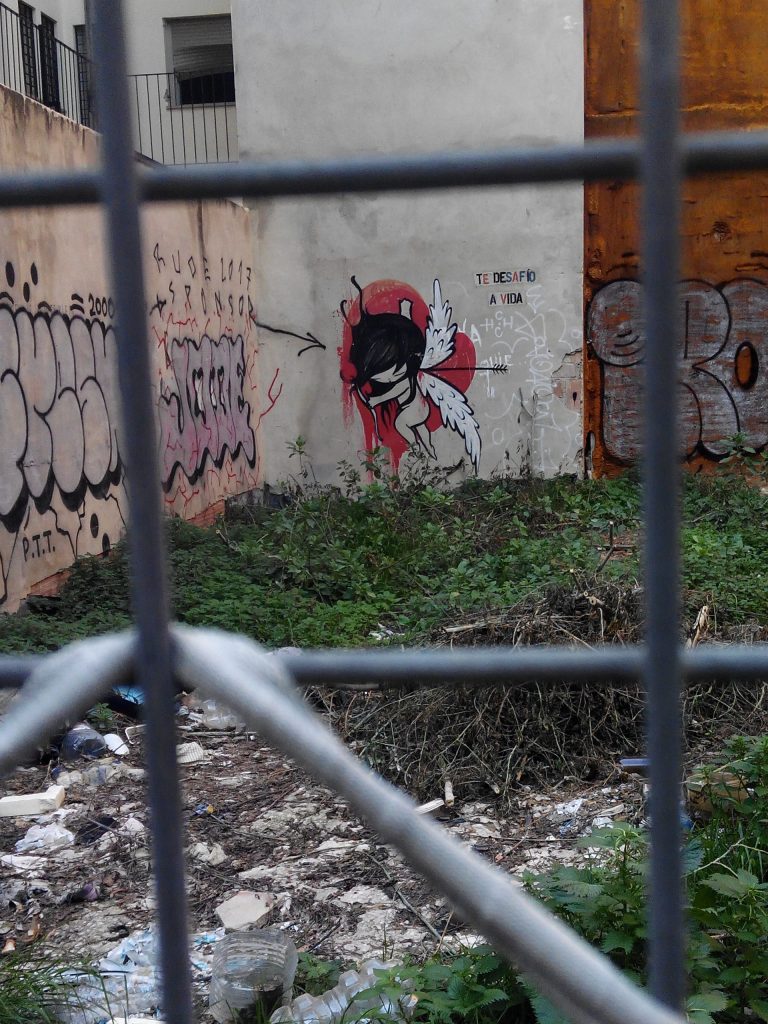
As these technologies evolve, they prompt a critical reevaluation of the creative process. Are the boundaries of traditional art forms expanding, or are we entering a new era where anyone can be an artist? This question fosters an ongoing dialogue in the art community, highlighting the notion that creativity is not solely the domain of the few, but rather a shared landscape where innovation thrives.
This article delves into how these innovations are influencing creativity, inspiring a generation of hobbyists to experiment and express themselves in ways previously unimaginable. The convergence of technology and art stands as a testament to human ingenuity, urging enthusiasts to explore new mediums, challenge old paradigms, and embrace the endless possibilities that lie ahead.
DISCOVER MORE: Click here to learn about the therapeutic benefits of music making
Innovative Techniques in Digital Art
As emerging technologies permeate the art world, digital mediums are becoming more sophisticated and accessible, allowing artists to push the boundaries of their creative hobbies. The rise of digital art tools, such as Adobe Creative Suite, Procreate, and Blender, empowers artists to create intricate works that blend traditional techniques with modern technology. This convergence of the digital and physical realms is laying the groundwork for new methods of expression.
Augmented Reality
Augmented Reality (AR) is yet another frontier in the evolving landscape of artistic expression. Unlike virtual reality, which immerses the user in a completely virtual environment, AR enhances the real world by overlaying digital information on physical objects. This technology enables artists to transform static artworks into dynamic, interactive experiences. For instance, applications like Artivive allow creators to animate pieces that come to life when viewed through a smartphone, captivating viewers and inviting them to engage with art in entirely new dimensions.
Interactive Installations
The concept of interactive installations is also gaining momentum, where audience interaction plays a pivotal role in the overall experience. Artists are increasingly using sensors, projection mapping, and responsive technologies to create works that evolve based on viewer participation. An example of this can be seen in installations by artists like Rafael Lozano-Hemmer, whose works often rely on the presence and actions of the audience to dictate how the art behaves. This level of engagement not only invites reflection but also empowers spectators to consider their role in the artistic process.
Streaming and Online Collaborations
Furthermore, the shift toward a digital-first world has ushered in a new era of streaming and online collaborations. Artists are connecting with each other and their audiences through live streaming services like Twitch and social media platforms, enhancing community engagement and creativity. These live sessions offer budding artists real-time feedback and mentorship from established professionals, enriching their learning experiences and allowing them to develop their skills in an interactive environment. Platforms like Discord have also created spaces for collaboration and networking, facilitating discussions and partnerships among creators from various backgrounds.
Prospects for the Future
Enthusiasts of creative hobbies are no longer confined by traditional mediums or local communities. The democratization of artistic tools has paved the way for diverse voices and empowering experiences. As artists experiment with these technologies, they are not only broadening their skill sets but also reshaping the cultural narrative surrounding art. Emerging technologies encourage collaboration and innovation, blurring the lines between art and technology in ways that are both exciting and complex.
The ongoing exploration of artistic expression through these advanced mediums invites the question of how far creativity can be stretched. Will the future of creative hobbies lean toward a more collaborative and inclusive approach? As artists and hobbyists alike embrace this technological renaissance, the potential for new forms of expression continues to expand, offering thrilling prospects for the evolving art landscape.
Exploring New Trends in Artistic Expression
As we delve into the realm of artistic expression through the lens of emerging technologies, it becomes apparent that several pivotal trends are shaping the future of creative hobbies. From the rise of digital art platforms to the integration of virtual reality (VR) and augmented reality (AR) in traditional practices, technology is redefining what it means to create.
Digital Art Platforms: A New Canvas
Digital art platforms are revolutionizing the way artists create and share their work. Software such as Procreate and Adobe Fresco allows artists to experiment with new techniques without the constraints of physical materials. These platforms offer a vast array of tools and effects that can lead to groundbreaking creations, appealing to both novices and seasoned professionals. Moreover, online communities foster collaboration and feedback, nurturing innovation and growth in artistic techniques.
Virtual Reality: Immersive Experiences
Virtual reality presents a unique opportunity for artists to immerse their audiences in interactive environments. Installations that utilize VR can transport viewers into different worlds, enhancing emotional engagement and concept delivery. This multi-sensory approach encourages new forms of storytelling, where spectators can explore art from within—blurring the lines between the creator and the audience. For example, platforms like Oculus Medium enable sculptors to create three-dimensional forms in a virtual space, pushing the boundaries of spatial expression.
Social Media: Amplifying the Artistic Voice
With the popularity of social media, artists can now reach global audiences with a few clicks. Platforms such as Instagram and TikTok serve as virtual galleries where creators can exhibit their work, garner feedback, and build a following. This democratization of art allows diverse voices to emerge, presenting unique perspectives that were once marginalized. In an age where visibility is integral to success, social media plays a crucial role in nurturing new talent and ideas in the artistic landscape.
Artificial Intelligence in Art Creation
The incorporation of artificial intelligence (AI) into art creation is another fascinating area that deserves attention. AI algorithms can analyze existing artwork and generate new pieces by learning from established styles, effectively offering artists new sources of inspiration. This symbiotic relationship between technology and creativity raises questions about authorship and originality while expanding the creative possibilities available to artists.There is no doubt that emerging technologies are not merely tools but catalysts for transformation, inviting artists to explore uncharted territories within their creative practices. As these trends continue to evolve, the artistic community will undoubtedly witness an unprecedented blend of innovation, expression, and accessibility that was previously unimaginable.
DISCOVER MORE: Click here to learn about the healing power of art
Integration of Artificial Intelligence in Art
Artificial Intelligence (AI) is making significant inroads into the realm of artistic expression, providing tools that enhance creativity and challenge traditional methodologies. AI algorithms are capable of generating stunning visual art, composing music, and creating literary works, all of which can inspire human artists to explore new frontiers. Platforms like DALL-E and DeepArt have opened new avenues for artists, allowing them to input a simple prompt and receive complex and stylized artwork in response. This period in art history raises compelling questions: Are AI-generated pieces genuinely creative, or do they merely reflect the input of their human counterparts?
Creative Coding
The discipline of creative coding blends programming with art, enabling creators to produce works that evolve through coded algorithms. Artists utilize programming languages like Processing or p5.js to create mesmerizing visuals that respond to user interactions or data inputs. The innovative works of artists such as Casey Reas and Joshua Davis serve as a testament to this blend, showcasing how lines of code can manifest into intricate visual displays. The availability of open-source coding platforms has democratized this form of expression, encouraging hobbyists to dive into the world of coding and merge it with their artistic endeavors.
Blockchain and Digital Ownership
The impact of technology extends beyond creation into the realm of art ownership, particularly through blockchain technology. The emergence of Non-Fungible Tokens (NFTs) has revolutionized how artists sell and verify ownership of their digital creations. These unique digital certificates are changing the economic landscape of the art world, granting artists direct access to a global market while retaining rights to their works. High-profile sales of NFTs, such as Beeple’s digital collage selling for a staggering $69 million, underscore the potential for creators to profit from their digital art in unprecedented ways. This trend prompts discussions about the valuation of art in the digital age and how such practices can impact the future financial dynamics of creative hobbies.
Education and Access to Resources
The rise of online platforms and MOOCs (Massive Open Online Courses) has made art education more accessible than ever before. Websites like Skillshare and Coursera offer a plethora of classes on various artistic disciplines, from painting to graphic design, often taught by industry professionals. These resources provide aspiring artists with valuable knowledge and skills, fostering a culture of continuous learning and exploration. Additionally, social media platforms like Instagram and TikTok allow artists to showcase their work and connect with wider audiences, creating a vibrant community of learners and creators across the globe.
Sustainability in Art Creation
With growing awareness of environmental issues, artists are also turning to sustainable practices in their work. The integration of eco-friendly materials and techniques reflects a consciousness that resonates positively with audiences. Projects using recycled materials or virtual mediums focus on reducing waste and conserving resources while still fostering creativity. As technology continues to evolve, so does the potential for innovative solutions that can help artists maintain their creative practices in an environmentally responsible manner, proving that art can indeed coexist with sustainability.
The intersection of technology and artistic expression is undeniably transformative, inspiring artists to harness new tools, methodologies, and ethical considerations in pursuing their creative hobbies. As we witness the expansion of this landscape, it becomes evident that emerging technologies will continue to shape creativity, access, and expression, leading to a future brimming with potential. Through the exploration of AI, creative coding, blockchain, education initiatives, and sustainable practices, the art world stands at the brink of an exhilarating artistic renaissance.
DISCOVER MORE: Click here to learn about the impact of social media on literature
Conclusion: A New Era of Artistic Expression
As we delve into the intricate relationship between emerging technologies and artistic expression, it is evident that we are witnessing a revolution in creative hobbies that transcends traditional boundaries. The integration of tools like Artificial Intelligence, creative coding, and blockchain technology offers artists unprecedented opportunities to innovate and reimagine their work. With AI as a collaborator, creators can unlock new realms of visual and auditory experiences, challenging the very definition of creativity itself.
Moreover, platforms enabling creative coding are empowering a new generation of artists who fuse technical skills with artistic vision, fostering a collaborative spirit that enriches the creative landscape. The rise of Non-Fungible Tokens (NFTs) has not only altered how art is bought and sold but has also positioned artists at the forefront of the digital economy, allowing them to retain rights and reap rewards that were previously inaccessible.
Accessible education through online platforms has dismantled barriers to entry, making it easier than ever for hobbyists and aspiring artists to enhance their skills. This democratization of knowledge is vital to nurturing a diverse and vibrant creative community. Additionally, the focus on sustainable practices in art creation not only speaks to artists’ accountability but also aligns the creative process with broader societal values.
In conclusion, the fusion of technology and art is leading us into an exciting new frontier. This era promises not only a surge in innovative expressions but also a collective redefinition of what it means to create. As technology continues to evolve, artists and hobbyists alike are encouraged to embrace these changes and explore the endless possibilities that lie ahead. The future of artistic expression is bright, and it invites all to participate in this shared journey of creativity.