
Exploring the Role of Music Making in Building Community Resilience During Challenging Times
Exploring the Power of Music in Building Community Resilience
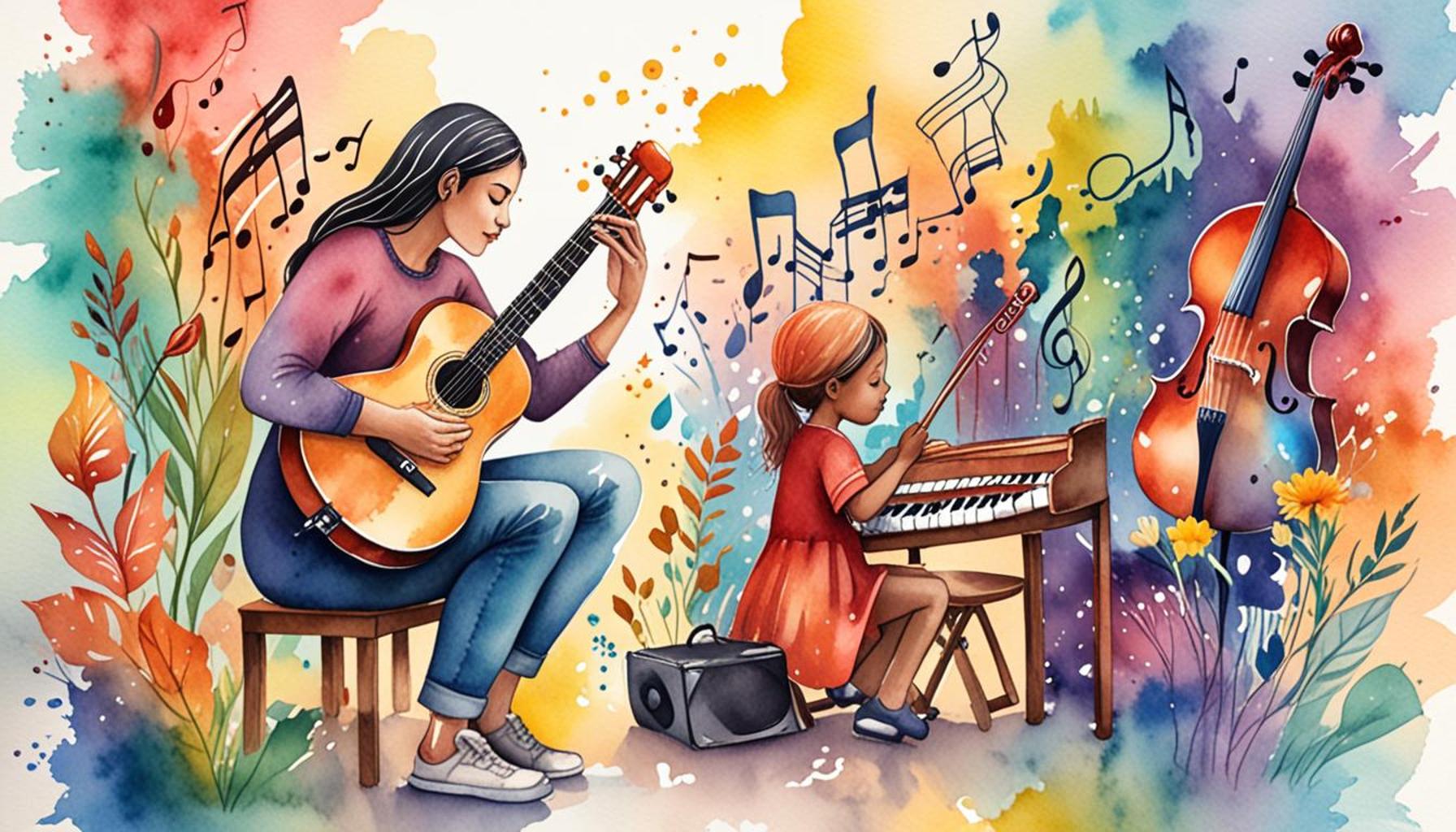
Throughout history, music has served as a universal language, capable of uniting hearts and minds in times of hardship. As communities face various challenges—be it social injustice, natural disasters, or public health crises—the role of music making emerges as a beacon of hope and resilience. This article delves into how collective musical expression fosters social bonds, instills positivity, and empowers communities.
Consider these powerful aspects of music making in building resilience:
- Collaboration: Banding together in musical groups fosters teamwork, highlighting shared goals and values. From local choirs to community bands, the collaborative spirit of music encourages participants to work together. For instance, after Hurricane Katrina, musicians from various backgrounds gathered in New Orleans to create a vibrant musical scene, demonstrating how collaboration can help rebuild both infrastructure and community spirit.
- Emotional Expression: Music provides an outlet for expressing emotions, helping individuals process and cope with stress. During the COVID-19 pandemic, many turned to virtual concerts or online jam sessions to connect and relieve anxiety. Platforms like Instagram and YouTube saw a surge in artists performing from their living rooms, allowing audiences to share in the experience, creating a sense of togetherness amidst isolation.
- Creating Identity: Musical traditions help shape and reinforce cultural identities, enhancing community pride. Genres like jazz, blues, and hip-hop have roots in American history, reflecting the struggles and triumphs of diverse communities. Events, such as the Newport Jazz Festival or the Harlem Festival of Culture, not only celebrate these musical styles but also create a sense of belonging that strengthens community bonds.
In recent years, we have witnessed the impact of music initiatives during crises across the United States. For example, during the summer of 2020, protests against racial injustice found their voice in music, with artists from all over contributing protest songs that amplified the message of unity and change. Similarly, grassroots concerts and community-led initiatives have emerged as vital sources of support and healing. Programs like “Musicians on Call,” which brings live music to hospital patients, exemplify how music initiatives can directly impact those undergoing challenging life circumstances.
These real-life examples showcase the transformative potential of music in cultivating community resilience. By reinforcing social connections, providing emotional solace, and celebrating cultural heritage, music becomes more than just entertainment—it becomes a catalyst for change and solidarity. As communities navigate through uncertainty, the enduring significance of music persists, reminding us of its power to heal, inspire, and unite, inviting readers to reflect on its role in their own lives.
DISCOVER MORE: Click here to dive deeper
The Power of Music Making in Community Strengthening
In the wake of crises, communities often seek methods to cope and rebuild. Music making emerges as an essential tool in facilitating this process, reinforced by both historical and contemporary examples that illustrate its significance. One of the most compelling elements of music making is its ability to foster connection and collaboration among diverse groups. This collaborative spirit is instrumental not only in artistic endeavors but also in forming a strong community foundation. The profound songs that resonate in the streets during protests or in makeshift neighborhood studios reflect a shared purpose that transcends individual struggles.
The collaborative nature of music making can be seen in various forms, from community choirs to neighborhood jam sessions. These gatherings are not merely about the art of creating music but embody a collective act that strengthens social ties and instills a sense of camaraderie. For example, after the devastation of Hurricane Sandy on the East Coast, local musicians came together to host benefit concerts aimed at raising funds for affected families. Such efforts highlighted the power of music in uniting people towards common goals while simultaneously reinforcing community bonds.
Moreover, the ability of music to serve as an avenue for emotional expression cannot be underestimated. In trying times, individuals frequently turn to music as a means to channel their feelings. The catharsis found in songwriting or participating in a group performance can alleviate the burdens of stress and anxiety. During the COVID-19 pandemic, numerous musicians shifted to virtual platforms to stay connected with their audiences. Programs like “#SongsofComfort” encouraged artists to share songs that conveyed hope and strength, effectively creating a supportive online community that resonated globally while fostering connections within local neighborhoods.
Equally important is how music shapes and cultivates cultural identity, providing communities with a sense of belonging. Roots in cultural music often serve as a narrative thread that ties generations together. Events such as the National Folk Festival exemplify how music can celebrate heritage and shared experiences, promoting pride within communities that may be grappling with external challenges. In multicultural spaces, genres like hip-hop and reggae not only entertain but convey messages of resilience, encouraging dialogue about societal issues while reinforcing community identity.
As we continue to witness the vital impact of music initiatives, it is evident that they do more than just entertain; they play a crucial role in community resilience. The blending of shared experiences through music can cultivate both understanding and empathy, leading to stronger communal ties. From live concerts in public squares to intimate sing-alongs in backyards, the act of creating and sharing music serves as a reminder of the power of unity during turbulent times. Those who participate in these musical moments often discover new strengths within themselves and their communities, culminating in empowerment.
| Advantage | Description |
|---|---|
| Social Cohesion | Music making fosters connections between individuals, creating a sense of belonging and strength. |
| Emotional Expression | Engagement in music provides an outlet for stress relief and promotes mental wellbeing in communities. |
The significance of music making in enhancing community resilience cannot be overstated. During challenging times, such as natural disasters or public health crises, music becomes a powerful tool that promotes social cohesion. When people gather to create or appreciate music, they break down barriers and foster relationships, which are critical in building support systems.Moreover, music serves as an important form of emotional expression, allowing individuals to articulate feelings that are often difficult to put into words. This capacity for expression is vital for community healing, as it opens pathways for dialogue and understanding, enabling communities to connect with one another through shared experiences and emotions. In a world facing increasing uncertainty, the role of music as a unifying force and a therapeutic outlet is more relevant than ever. Exploring these dynamics not only sheds light on the resilience found within communities but encourages further investigation into the profound impact of art on societal health and stability.
DISCOVER MORE: Click here to uncover new career pathways
Music as a Catalyst for Healing and Engagement
Beyond the social and emotional benefits, music making serves as a significant catalyst for healing within communities. During times of crisis, the therapeutic effects of music can provide solace and promote recovery, allowing individuals to process trauma collectively. Research from the University of California, Los Angeles (UCLA) has shown that participating in music activities can significantly reduce stress levels and improve emotional well-being. These findings underline the role of music in not only rejuvenating spirits but also in fostering psychological resilience during upheaval.
Community music initiatives often incorporate elements of trauma-informed care, which focuses on creating a safe environment for those affected by distressing events. For instance, organizations like Sing For Hope, based in New York City, deliver music programs to marginalized populations, including those who have experienced domestic violence or homelessness. These initiatives empower individuals by offering them a voice and a means to express their struggles through song, facilitating a sense of agency that might have been lost in the chaos of their situations.
Moreover, music festivals, such as the Coachella Valley Music and Arts Festival, have adapted their formats to create spaces for healing. In response to societal issues like mental health crises and racial injustice, these festivals increasingly feature artists who address these themes in their performances, establishing a dialogue through music. Attendees are encouraged to engage in conversations surrounding these vital topics, engineered to promote understanding and activism within the community.
Engagement through music extends beyond performance; it encompasses educational aspects as well. Community music programs often provide workshops that teach participants how to create, play, and appreciate music, regardless of age or background. For example, the non-profit organization Little Kids Rock offers free music education in underfunded schools across America. By fostering musical talent among the youth, these programs strengthen community ties while equipping the next generation with skills that can help them articulate their identities and aspirations.
The ability of music to transcend boundaries is exemplified in collaborative projects that bring together individuals from varied backgrounds. Initiatives like Playing For Change emphasize the universal language of music by connecting musicians from different cultures and continents to create captivating, meaningful performances. Such endeavors not only promote intercultural understanding but also generate a sense of belonging and mutual respect, fostering a resilient community fabric in times of fragmentation.
As the landscape of community resilience continues to evolve, it is clear that the role of music making cannot be overlooked. It serves as a bridge, connecting individuals and providing powerful tools for coping and healing. Through active participation in musical expression, communities can forge stronger interpersonal connections, cultivate a shared identity, and ultimately, emerge from challenging times with renewed strength and solidarity. As we examine music’s enduring influence, it becomes evident that its potential to unify and uplift is as relevant as ever, pointing towards a future filled with hope and collective empowerment.
DISCOVER MORE: Click here to dive deeper into the therapeutic benefits of music
Reflections on the Harmonious Impact of Music in Resilience Building
In summary, the exploration of music making as a pillar of community resilience reveals its profound impact during challenging times. As we have seen, music emerges as a powerful tool for individual and collective healing, helping communities navigate the complexities of trauma and emotional strife. From the therapeutic benefits highlighted by academic research to the creative expressions found in community initiatives and festivals, music enriches lives by fostering connection, understanding, and resilience.
Community-driven music programs, such as those offered by organizations like Sing For Hope and Little Kids Rock, emphasize the importance of inclusivity, enabling marginalized voices to resonate through song. These initiatives advocate for trauma-informed practices, offering solace and empowerment to those in need, while also nurturing the next generation of musicians who will carry these lessons forward. Furthermore, events like music festivals encourage dialogue surrounding crucial social issues, transforming celebrations into platforms for activism and collective introspection.
Ultimately, the collaborative nature of music breaks down barriers and fosters a sense of belonging among diverse populations. In times of crisis, the shared experience of music not only uplifts spirits but also strengthens the social fabric of communities. As we move forward, this rich tapestry of sound continues to play a vital role in building resilience, reminding us that in unity, we find strength. The call to delve into the world of music is clear: it is a pathway to healing, understanding, and collective empowerment, ensuring that amid adversity, the human spirit can rise, harmoniously and resolutely.