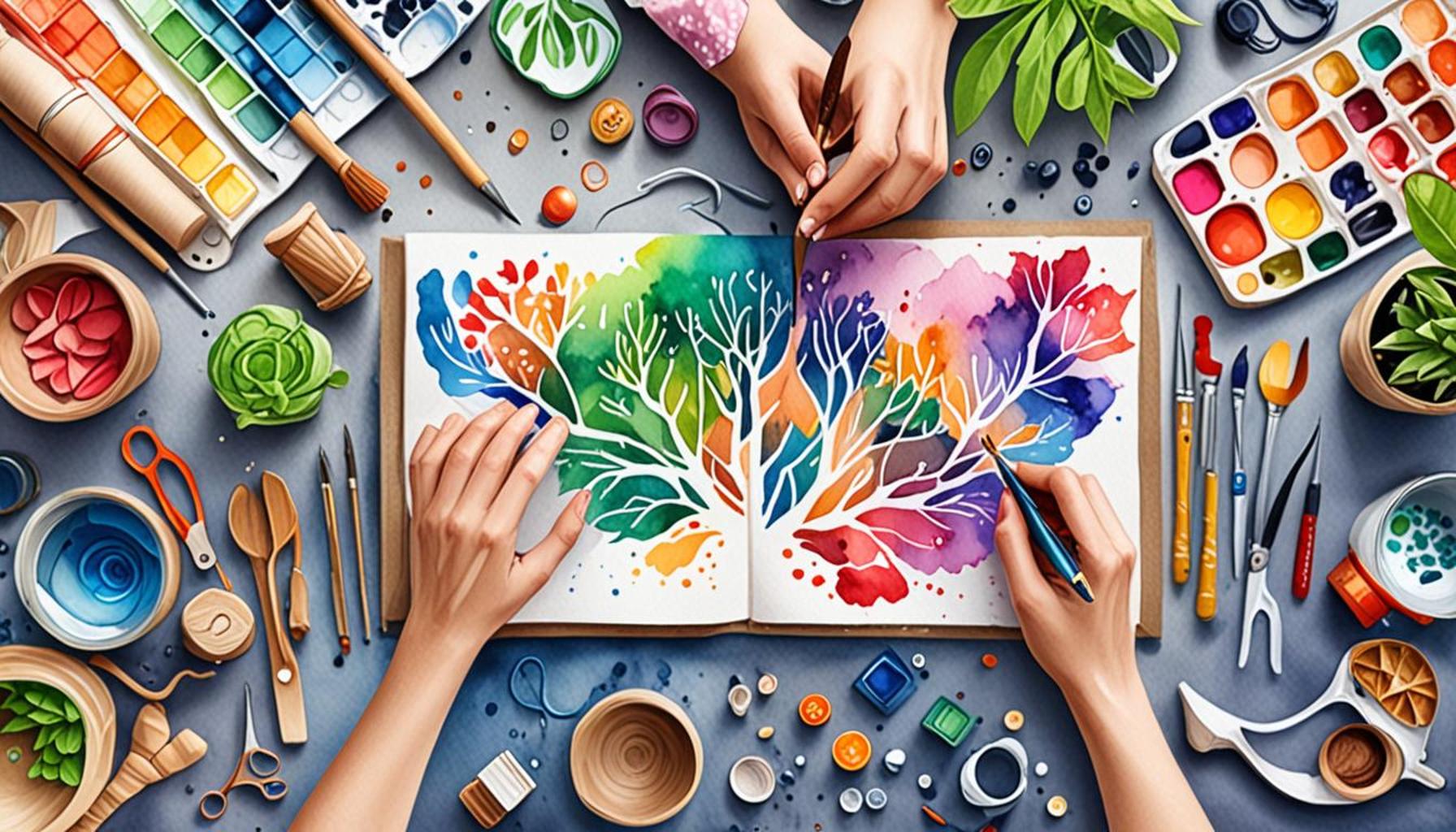
The Evolution of Manual Skills: How Learning Craft Techniques Can Enrich Creativity
Rediscovering the Art of Crafting
Throughout history, crafts have played a crucial role in human expression and cultural identity. As technology advances and digital mediums dominate creative landscapes, the significance of manual skills risks being overshadowed. Yet, the resurgence of traditional craft techniques is not merely a nostalgic nod to the past; it is a powerful affirmation of creativity and personal fulfillment. Engaging in hands-on activities can significantly enhance creativity, enrich emotional health, and foster a sense of achievement that modern technologies often cannot replicate.
Benefits of Crafting
Learning various craft techniques opens doors to a myriad of benefits that are both cognitive and emotional.
- Enhanced Problem-Solving: When crafting, individuals frequently encounter challenges that require innovative thinking. Whether it’s figuring out how to assemble a complex piece of furniture in woodworking or determining the best technique to create a particular glaze in pottery, these problem-solving exercises stimulate the mind and encourage creative solutions.
- Emotional Well-being: Numerous studies have shown that engaging in manual activities can significantly reduce stress levels. The focused movements of crafting can induce a state of mindfulness, promoting relaxation and providing a welcomed escape from the fast-paced digital world. For instance, knitting has gained popularity not only as a creative outlet but also as a therapeutic activity for its calming effects.
- Community Connection: Crafting also fosters social relationships. Community workshops and crafting groups, such as local pottery classes or knitting circles, encourage collaboration and sharing ideas among peers. These gatherings can help build friendships and a sense of belonging, proving that creativity is often best enjoyed collectively.
The Timeless Nature of Crafts
From pottery crafted in ancient times to intricate woodworking designs seen in modern homes, each type of craft speaks to a unique cultural story and showcases diverse individual expression. Crafts that once felt archaic are experiencing a renaissance in the United States, with makers’ markets, DIY kits, and online tutorials becoming easily accessible. This revival exemplifies the relevance of these skills in contemporary society and highlights the continual human desire to create with our hands.
Moreover, traditional crafts serve as intergenerational bridges, linking those who have honed these skills over decades with novices eager to learn. They impart essential lessons on resourcefulness, patience, and the joy of creating something tangible from raw materials. The process of crafting is often more valuable than the finished product, embodying the journey of discovery and personal growth.
Embracing a Crafting Journey
Diving deep into the world of manual skills can unlock new dimensions of creative expression. As you explore the rich histories and practices within various crafts, you may uncover unique stories intertwined with personal and cultural significance. Whether you are drawn to the tactile nature of clay in pottery or the intricate designs of quilting, embracing these artistic adventures can transform your creative journey.
Ultimately, the revival of crafting is not just about creating beautiful objects—it embodies a movement towards sustainability, mindfulness, and community. By reconnecting with these fundamental skills, individuals can enrich their lives and inspire future generations to also appreciate the beauty and purpose of working with their hands.
DISCOVER MORE: Click here to enhance your space with homemade scents
The Resurgence of Manual Skills in the Digital Age
As technology permeates virtually every aspect of daily life, the tactile, hands-on nature of crafting has emerged as a compelling counterpoint to the digital landscape. This resurgence illustrates a growing desire among individuals to reconnect with manual skills that have been somewhat neglected. Crafting, in its many forms, not only provides an avenue for creative expression but also serves as a practical solution to the challenges posed by our fast-paced, technologically driven world.
Understanding the Craft Revival
The craft revival is fascinating to observe, as it encompasses a diverse array of disciplines, from traditional woodworking and ceramics to modern techniques such as 3D printing and upcycling. Many people are increasingly drawn to these practices as a way to reclaim authenticity and personal connection in an age dominated by virtual interactions. By learning and mastering manual skills, individuals foster a deeper understanding of the materials they work with, allowing for innovative experimentation and personal expression.
One of the most telling indicators of this evolution is the rise of crafting hubs, including community workshops, maker spaces, and online platforms. These environments encourage collaboration, knowledge sharing, and provide essential resources to aspiring crafters. In cities across the United States, local initiatives and businesses are supporting this trend by offering classes and hosting events that celebrate the art of crafting. This movement reflects a growing recognition that creativity flourishes not only in isolation but also through community engagement.
Craft Techniques in Education
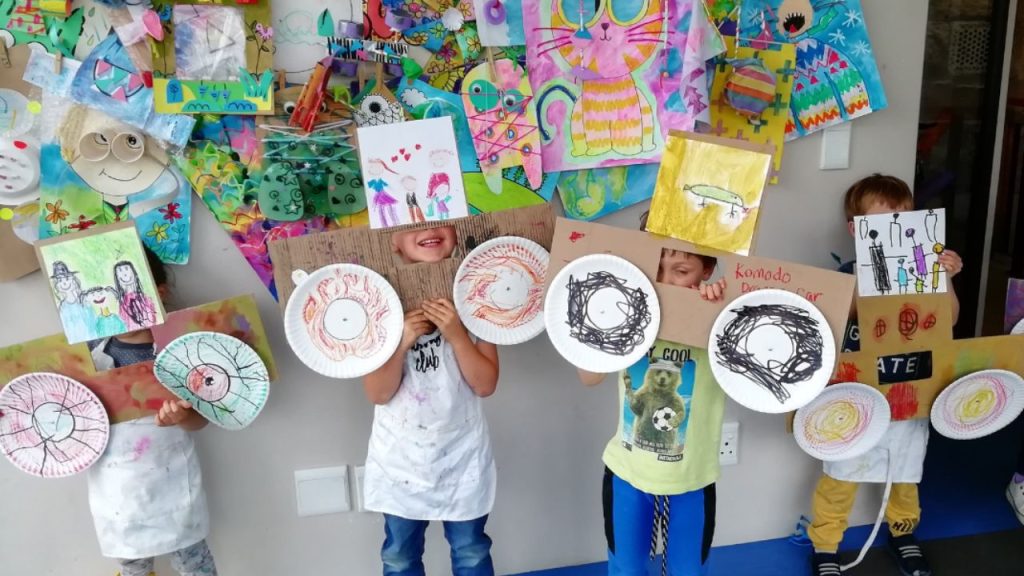
It’s worth noting that educational institutions are integrating craft techniques into their curriculums, recognizing the invaluable skills they impart. Hands-on learning promotes engagement and retention of knowledge, making subjects relatable and enjoyable. As students work with their hands, they develop essential skills such as:
- Fine Motor Skills: Crafting requires dexterity and precision, aiding in the development of fine motor skills crucial for various life tasks.
- Creativity and Innovation: By experimenting with different materials and techniques, students learn to think outside the box, embracing creativity as a vital part of problem-solving.
- Collaboration: Group projects encourage teamwork and communication, skills that are invaluable in both educational and professional settings.
The educational benefits of manual skills transcend the classroom. Adults returning to crafting often find that these skills enhance their problem-solving abilities and adaptability in various contexts, even in their personal or professional lives. The ability to navigate challenges when creating something from scratch is a testament to the resilience and innovative potential that learning craft techniques instills.
Ultimately, the evolution of manual skills signifies more than just a renewed interest in traditional crafts. It encapsulates a cultural shift towards valuing tangible experiences and personal creativity in an increasingly digitized world. By embracing these skills, individuals can find greater meaning, purpose, and satisfaction in their creative pursuits, paving the way for future generations to continue this enriching journey.
The Benefits of Learning Craft Techniques
In a rapidly digitizing world, the importance of manual skills is often overshadowed by technology. However, honing craft techniques offers numerous advantages that enhance creativity and enrich personal expression. Engaging with tangible materials fosters a unique connection between the creator and their work. This hands-on experience is essential for developing technical skills that are not only functional but can also lead to artistic innovation. Crafting encourages individuals to experiment, leading to unexpected creative solutions. As one navigates the challenges of manual work, problem-solving abilities are sharpened, contributing to both personal and professional growth.
Moreover, learning various craft techniques cultivates a sense of mindfulness. The process requires focus and presence, making it an effective tool for stress relief. Participants often find that immersing themselves in a craft project allows for a meditative state, where they can disconnect from daily distractions. This tranquility can lead to enhanced mental clarity and an overall boost in creativity.
Exploring Different Craft Techniques
Delving into the world of crafts entails exploring a myriad of techniques—each with its unique benefits. For instance, wood crafting not only teaches precision but also connects practitioners to nature. Similarly, textile arts like knitting and sewing harness the power of color and texture, creating opportunities for personalized expression. These diverse skills contribute significantly to a person’s creative toolkit, enabling everyone from beginners to seasoned artists to find their unique voice.
Additionally, the communal aspect of crafts cannot be overlooked. Many craft techniques are taught in group settings, fostering collaboration and the exchange of ideas. This social dynamic enriches the learning experience, allowing individuals to share insights and inspire one another. In doing so, these communal crafting sessions have the potential to cultivate deeper connections among peers while stimulating creativity across a shared space.
| Craft Techniques | Advantages of Learning |
|---|---|
| Wood Crafting | Enhances precision and connects to nature. |
| Textile Arts | Encourages personalized expression through color and texture. |
| Pottery | Promotes creativity and problem-solving through sculpting. |
| Jewelry Making | Fosters craftsmanship and fine motor skills. |
DISCOVER MORE: Click here to delve into the impact of technology on music
The Impact of Manual Skills on Mental Well-Being
Beyond the tangible products of crafting, the emotional and mental health benefits of engaging in manual skills are profound. Participation in craft activities has been linked to enhanced mental well-being, alleviating stress, anxiety, and even symptoms of depression. As individuals immerse themselves in the creative process, they often enter a state of flow—a psychological phenomenon where they become fully absorbed in their tasks. This deep focus can foster a sense of achievement and fulfillment, contributing to emotional resilience.
The Therapeutic Benefits of Crafting
Many people have turned to crafting as a form of therapy. Art and craft therapy practitioners are increasingly integrating hands-on techniques into their sessions for individuals dealing with trauma, chronic illness, or mental health challenges. For example, crochet and knitting not only engage the mind through pattern and design but also create a rhythmic, repetitive motion that can promote relaxation and mindfulness.
Moreover, research reveals insightful statistics: a study conducted by the American Journal of Public Health found that individuals who engage in creative activities regularly experience 45% less risk of depression. Crafting encourages a sense of achievement and personal expression that can significantly influence overall mental health. The tactile experience of creating something unique fosters a steady reduction in cortisol levels associated with stress.
Crafting and Community Connection
Manual skills also deepen community ties, as crafters often share their passions in group settings. Workshops, craft fairs, and online communities connect like-minded individuals, fostering a spirit of collaboration that enhances creativity. Joining a local quilting bee, pottery class, or woodworking guild can enrich one’s social life, allowing individuals to learn from one another while sharing unique techniques and ideas. This interaction provides a platform for exchanging personal narratives, cultural stories, and innovative practices that are pivotal to the continuity of these skills.
In the United States, organizations like Crafting for a Cause leverage the collaborative nature of crafts to support community engagement and charitable efforts. These initiatives not only enable participants to learn valuable skills but also determine ways to use their talents for community benefit, thereby enriching the crafting experience. Such movements emphasize the role of crafting in social responsibility, where creativity merges with compassion and activism.
The Future of Craft Techniques in Innovation
The fusion of manual skills with technology opens new frontiers in innovation. The rise of tools such as laser cutters and CNC machines exemplifies this intersection, allowing craftspeople to explore the boundaries of design and functionality with newfound precision and creativity. Moreover, educational programs are beginning to incorporate advanced craft techniques alongside traditional skills, preparing students for the modern workforce while valuing artisanal quality.
As society and technology evolve, including fields such as architecture, fashion, and product design, the importance of integrating manual skills with digital tools will enhance creative potential. The Renaissance of crafts signifies that manual skills are not just about producing finished products; they also represent a way to engage with the world, process experiences, and develop a multifaceted approach to creativity that embraces both the handmade and the high-tech.
DISCOVER MORE: Click here to dive deeper into the connection between literature and visual arts
Conclusion: The Enduring Value of Craft Techniques in an Evolving World
As we have explored throughout this article, the evolution of manual skills and the practice of learning craft techniques play a pivotal role in enhancing creativity and fostering personal growth. From the profound mental health benefits to the deep-rooted community connections formed through crafting, the significance of these age-old skills remains as relevant today as ever. Engaging in manual crafts not only elevates our well-being and encourages mindfulness but also serves as a bridge between individual expression and collective creativity.
Moreover, as we advance into an increasingly technology-driven future, the synergy between traditional craft methods and modern tools presents exciting opportunities for innovation. Crafting has the potential to not only preserve cultural heritage but also inspire a new generation of creators to combine artisanal talent with cutting-edge technology. This fusion promises to expand the horizons of design and functionality across various fields, from fashion to architecture.
In conclusion, the journey of manual skills is not merely a nostalgic nod to the past; it represents a dynamic and enriching pursuit that encapsulates the essence of human creativity. By embracing these techniques, individuals can unlock new potentials, foster emotional resilience, and contribute to a more connected and compassionate community. As interest in crafting continues to grow, we must celebrate and preserve these skills, ensuring that they thrive and evolve in our fast-paced world.