The Importance of Crafting in Mental Health: How Creating Can Help Alleviate Stress
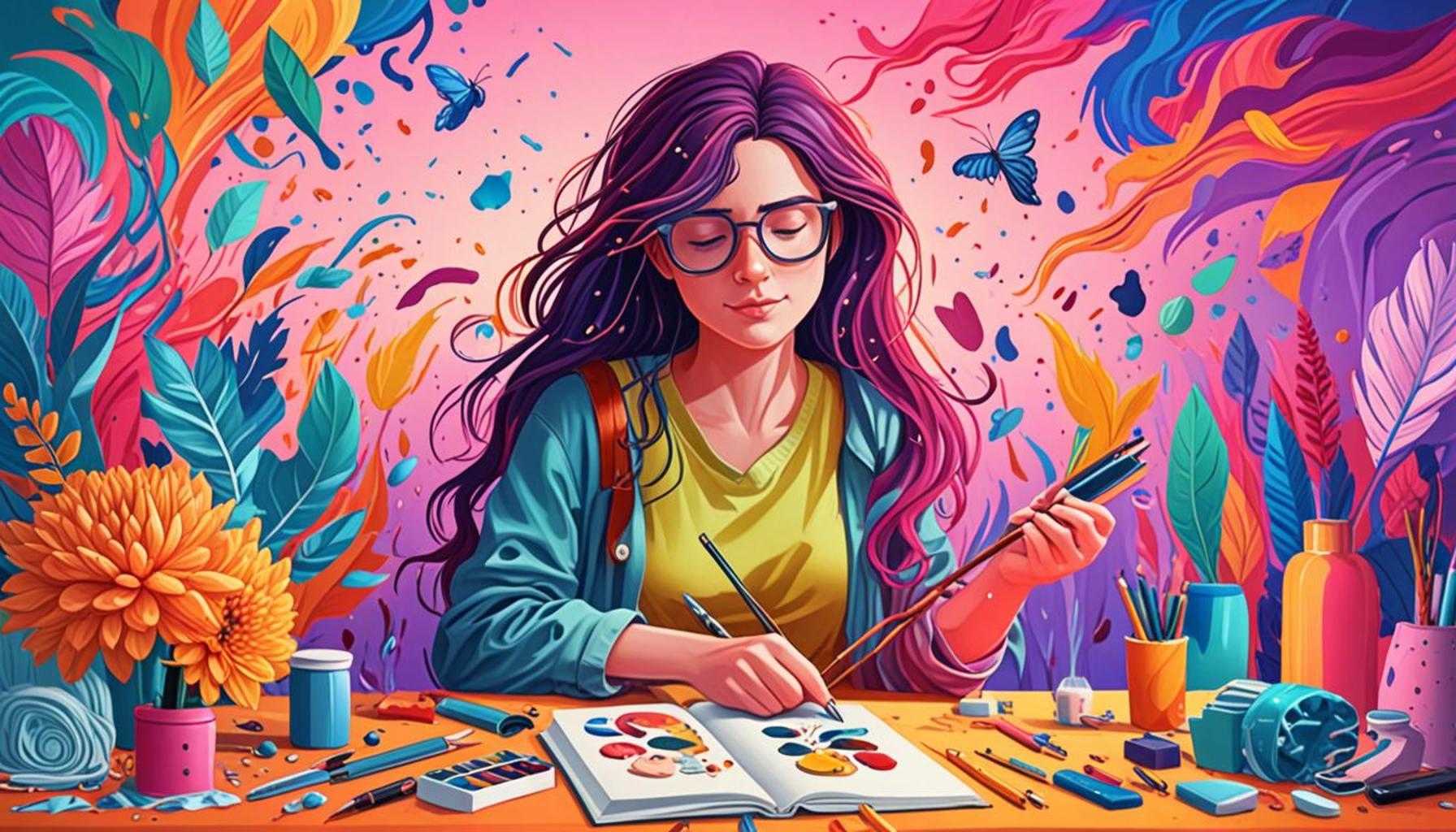
Unleashing Creativity for Better Mental Health
In today’s fast-paced world, stress and anxiety are common challenges that many face. Engaging in creative pursuits, particularly crafting, has shown significant benefits for mental wellness. Creating through crafting offers a satisfying outlet that can help alleviate these pressures and promote emotional well-being.
The Benefits of Crafting
Crafting is not just a hobby; it’s a powerful tool for mental health. Here are some detailed ways it can help:
- Reduces stress: Focusing on a tangible task can shift attention away from worries. The rhythmic motions involved in activities like knitting or painting can be particularly soothing. For instance, studies suggest that participants who engage in crafting activities report lower levels of cortisol, the stress hormone.
- Boosts mood: The act of creating releases endorphins, known as the “feel-good” chemicals in the brain, increasing feelings of happiness. Consider how completing a project – be it a beautiful scrapbook or a beaded necklace – can provide a profound sense of accomplishment and joy.
- Enhances mindfulness: Crafting encourages being present, creating a meditative-like state. Techniques such as crochet or pottery require focus and precision, which can divert thoughts from anxious spirals, allowing individuals to center their awareness in the moment.
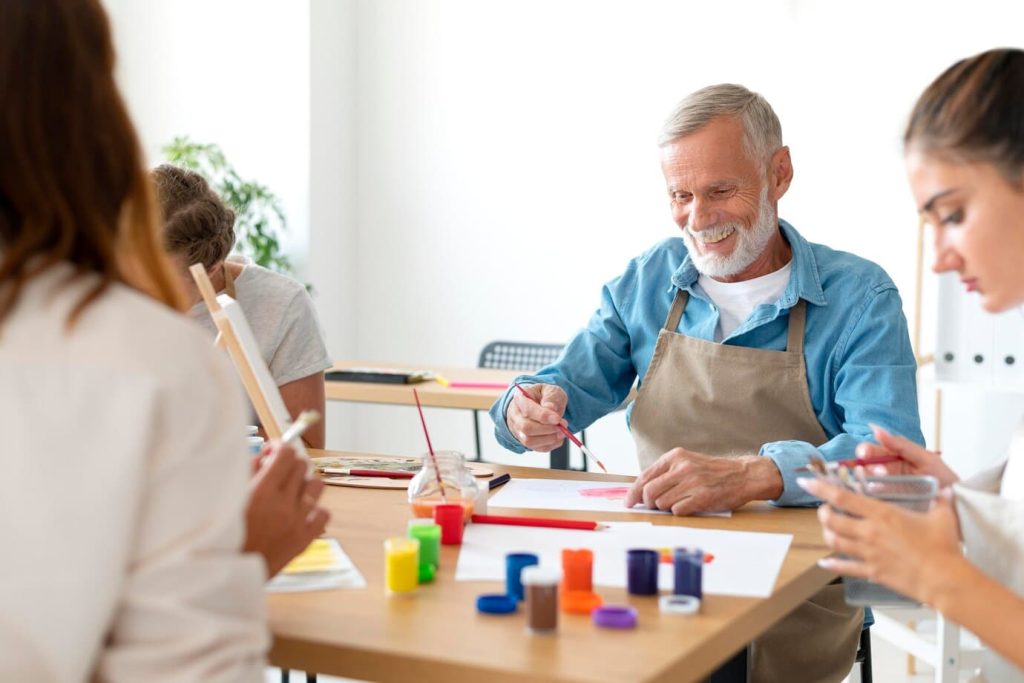
Moreover, crafting can foster social connections, particularly in community classes or groups. As individuals share their creations, they build a sense of belonging and support among peers. Community crochet circles or painting classes can transform solitary hobbies into social experiences that provide emotional nourishment. This connection is crucial in a society often marked by isolation, especially in the wake of the COVID-19 pandemic, when many people experienced increased feelings of loneliness.
Integrating crafting into daily routines might just be the key to improved mental health. Simple activities, such as sketching in a notebook or making DIY home decor, can be highly therapeutic. It’s not about producing a perfect piece of art; it’s the process of creation that counts. Moreover, studies show that even brief encounters with creative tasks can uplift one’s mood and decrease anxiety levels.
By embracing creativity, individuals can not only express themselves but also find relief from life’s anxieties. Crafting can serve as an approachable gateway to explore emotional depths, develop problem-solving skills, and cultivate resilience. So why not pick up those paints, yarn, or beads and start crafting your way to better mental health?
DISCOVER MORE: Click here to dive deeper
Crafting as a Therapeutic Outlet
In the hustle and bustle of daily life, finding effective ways to manage stress is essential for maintaining mental health. Crafting, often viewed merely as a pastime, has emerged as a significant therapeutic outlet that not only reduces anxiety but also enhances overall well-being. Engaging in creative activities allows individuals to channel their emotions, providing a sense of purpose and accomplishment that contributes to improved mental clarity.
Art Therapy: Harnessing the Power of Creativity
Art therapy, a recognized psychological practice, shows how creative expression can be beneficial to mental health. It facilitates emotional healing and self-discovery through methods such as painting, drawing, or even sculpting. This form of therapy is particularly impactful for individuals dealing with trauma or depression. In fact, research indicates that art therapy can lead to decreased feelings of isolation, as well as increased self-esteem and emotional resilience.
Additionally, crafting can enhance cognitive functioning, enabling individuals to develop new skills and mental strategies. This mental engagement can stimulate neural pathways, leading to better focus and clarity. As one embarks on new crafting techniques, such as embroidery or woodworking, they not only enhance their skill set but also awaken a sense of curiosity and lifelong learning.
The Ripple Effect of Crafting on Mental Health
Beyond the immediate enjoyment and satisfaction derived from crafting, there are several broader mental health benefits that resonate within communities. Here are a few key aspects:
- Increased social interaction: Participating in crafting groups or workshops fosters connections with others who share similar interests. These relationships can cultivate a supportive network, alleviating feelings of loneliness.
- Creative problem solving: Crafting often involves overcoming challenges, which can enhance problem-solving skills. This constructive experience can boost confidence and empower individuals to tackle life’s obstacles more effectively.
- Mind-body connection: Crafting nurtures the mind-body relationship by engaging physical senses. The textures, colors, and tools used in crafting stimulate creativity and soothe the mind, often resulting in a calm and meditative state.
Furthermore, crafting allows for the exploration of personal identity and expression. Through creative practices, individuals can showcase their unique voices, which can be liberating and validating. Whether it’s turning old fabric into a quilt or transforming a blank canvas into a vibrant landscape, the process of creation offers a powerful mode of self-expression that can help individuals confront and express their emotions.
As crafting continues to gain recognition for its mental health benefits, it paves the way for individuals to prioritize their well-being. By exploring various crafting methods, one can not only immerse in the joys of creativity but also embark on a journey toward achieving tranquility and emotional balance in their lives.
The Therapeutic Benefits of Crafting
Crafting serves not only as a creative outlet but also as a powerful tool for mental wellness. Engaging in hands-on activities can significantly improve one’s mood and reduce feelings of anxiety. For many, the act of creating something tangible instills a sense of accomplishment, empowering individuals to focus on the present moment, often referred to as the “flow state.” This immersive experience diverts attention from stressors, providing an effective mental break.Moreover, specific crafts—such as knitting, painting, or woodworking—have been shown to activate the brain’s reward system, releasing endorphins that promote a feeling of happiness. The repetitive motions involved in crafting can also have a meditative effect, akin to mindfulness practices. Individuals often report that the tactile nature of these activities creates a comforting sensation, enhancing overall emotional regulation.In addition, crafting sessions can facilitate social interactions, whether through workshops or online communities. These connections foster support networks, making individuals feel less isolated in their struggles. The shared experiences and collaboration among peers can lead to positive discussions about mental health, dismantling stigma and creating a more open dialogue about emotional well-being.In summary, crafting encompasses numerous benefits that extend beyond mere enjoyment. It enhances emotional resilience, provides a coping mechanism for stress, and promotes a sense of community, making it a valuable practice for those seeking to improve their mental health. By embracing crafting, individuals not only discover a fulfilling hobby but also open doors to healing and personal growth.
| Advantages | Description |
|---|---|
| Therapeutic Release | Crafting offers a therapeutic outlet for stress reduction, promoting emotional well-being. |
| Community Engagement | Participating in crafting communities enhances social support and shared experiences. |
DISCOVER MORE: Click here to dive deeper
Building Resilience Through Crafting
As society increasingly acknowledges the link between mental health and creativity, the role of crafting is becoming more evident in building personal resilience. Engaging in crafting activities not only serves as a distraction from difficulties but also cultivates emotional strength. One key element is the process of creation, which allows individuals to experience a sense of achievement. The simple act of completing a project, whether it’s a hand-knitted scarf or a homemade piece of furniture, provides tangible evidence of one’s capabilities, reinforcing positive self-perception.
Mindfulness and Focus in Crafting
Another significant aspect of crafting is its ability to evoke a state of mindfulness. By focusing on the meticulous details of the crafting process—such as arranging colors or perfecting stitches—individuals can achieve a flow state that temporarily quiets the incessant chatter of daily worries. Mindfulness has been associated with numerous mental health benefits, including reduced anxiety and increased overall well-being. A study published in the Journal of Positive Psychology suggested that creative activities could significantly improve mood and foster a sense of connection to the present moment.
This phenomenon can be particularly advantageous for individuals with anxiety disorders. As projects require concentration, they draw attention away from stressors, allowing individuals to re-center and ground themselves. Whether it’s the rhythmic motion of painting or the repetitive nature of knitting, the act of crafting inherently promotes a meditative practice that is both engaging and calming.
Access to Therapeutic Crafting Resources
In the United States, a growing number of community organizations and health care systems recognize the value of crafting as a mental health tool. Various therapeutic crafting programs are emerging to support diverse populations, including veterans, the elderly, and individuals coping with chronic illness or mental health challenges. These programs often incorporate crafting activities into therapy sessions, creating a safe space for participants to share experiences while engaging in creative expression. In these settings, crafting serves not only as an emotional outlet but also as a bridge for connection and dialogue.
For example, the Art Therapy Association has pioneered initiatives that provide art supplies and workshops in community centers, targeting low-income neighborhoods where access to mental health resources may be limited. Such resources ensure that individuals from all backgrounds can explore the emotional benefits of crafting, enriching their lives and fostering community support.
Crafting and the Healing Process
The healing potential of crafting can also be seen in the stories of those who have navigated challenging experiences. Many individuals report that crafting has played a pivotal role in their recovery journey. By creating tangible representations of their emotions, crafters can confront and process feelings they may struggle to articulate through words. Scrapbooking, for instance, allows individuals to blend memories with artistic elements, resulting in a cathartic experience that promotes healing and reflection.
As awareness of the connection between crafting and mental health continues to spread, more individuals may find empowerment and solace through creative endeavors. The capacity to transform raw materials into expressions of hope and resilience highlights crafting not just as a hobby, but as a formidable tool for enhancing mental well-being.
DIVE DEEPER: Click here to learn more
Conclusion
In conclusion, the transformative power of crafting in the realm of mental health cannot be overstated. Through its distinct combination of creativity, mindfulness, and emotional expression, crafting emerges as a vital tool in managing stress and promoting psychological well-being. As we have explored, engaging in crafting activities fosters a sense of accomplishment while creating an avenue for self-discovery and healing.
The therapeutic benefits of crafting extend far beyond mere distraction; they encourage individuals to tap into their innate creativity, providing a safe space for reflection and emotional exploration. The rise of therapeutic crafting programs across the United States highlights a growing recognition of this connection, allowing communities to engage with their mental health in meaningful ways. From veterans seeking solace to individuals recovering from trauma, the stories of resilience cultivated through crafting serve as powerful reminders of the strength that resides within.
As more research supports the relationship between creativity and mental well-being, it is crucial for both individuals and institutions to embrace the practice of crafting as an integral aspect of mental health care. By removing barriers to access and encouraging participation in creative activities, society can offer invaluable opportunities for healing and connection. Ultimately, the journey of crafting offers a profound reminder that in creativity lies not only a pathway to alleviate stress but also a rich landscape for personal growth and community building.