The Influence of Music Making on Emotional Well-being and Self-Expression
The Emotional Benefits of Engaging with Music
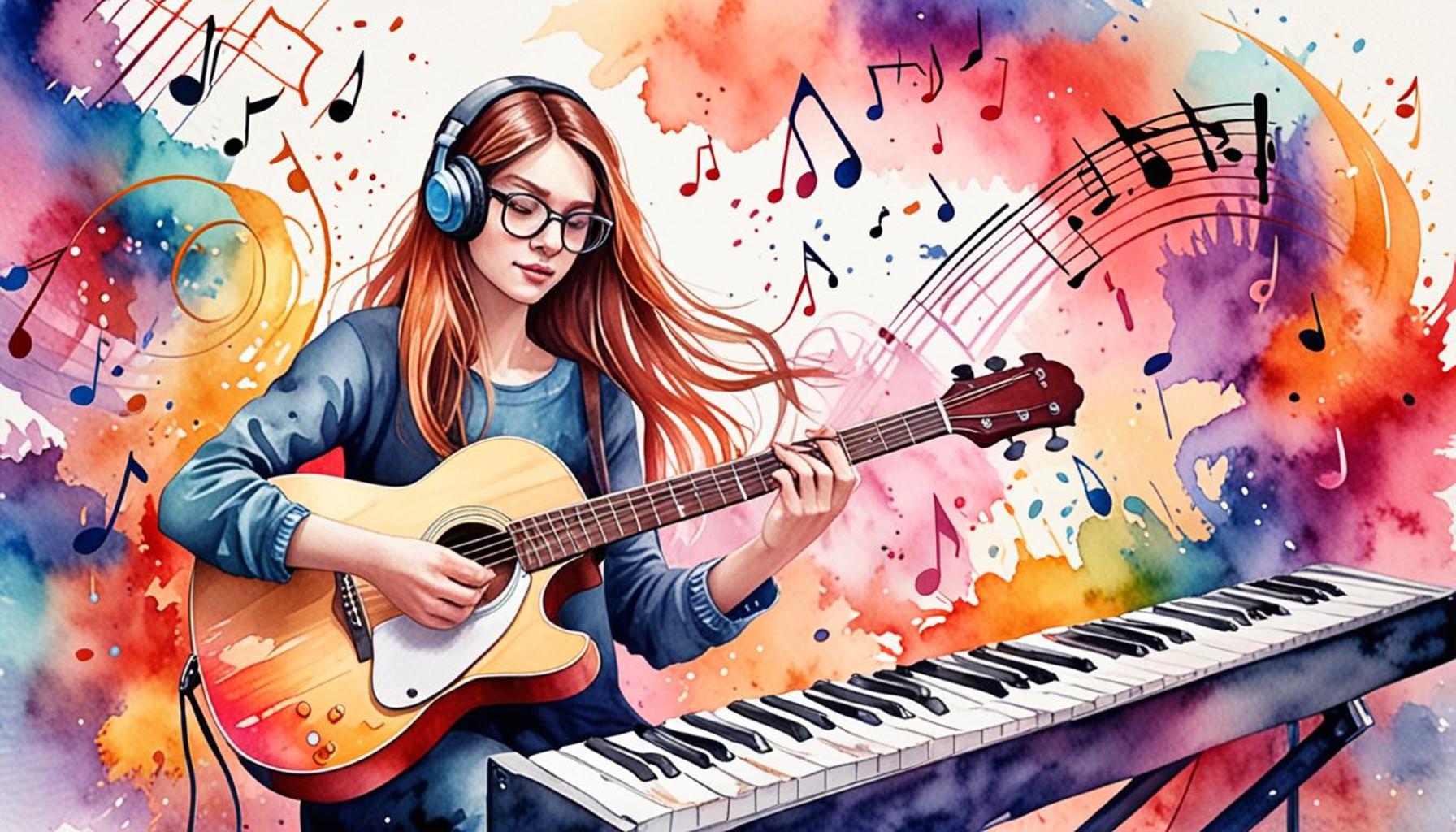
Music has the power to evoke profound emotions and can be a tremendous source of comfort and healing. It transcends cultural barriers and resonates with people irrespective of their background, making it a universal form of communication. Engaging in music-making—whether through playing an instrument, singing, or composing—offers unique avenues for self-expression and significant opportunities for personal growth.
Let’s explore some of the compelling benefits that come with participating in music-making:
- Emotional Release: Playing an instrument or singing can serve as a therapeutic outlet for expressing emotions. For instance, a session on the piano can allow someone to channel feelings of joy, sorrow, or frustration into beautiful melodies, providing them with a sense of relief. Music lets individuals articulate what can often be difficult to express in words.
- Community Connection: Group music-making fosters social bonds and has a powerful impact on reducing feelings of isolation. Participating in a local community choir or attending jam sessions creates a supportive network where individuals can share their passion. This sense of belonging can enhance emotional health and invigorate social well-being.
- Cognitive Benefits: Engaging in music stimulates brain function, enhancing mental health. Studies reveal that rehearsing and learning music not only improves memory and attention but also contributes to better problem-solving skills. Those who regularly engage in music-making are frequently more adept in various cognitive tasks, potentially due to the complex nature of musical composition and collaboration.
Moreover, research has illuminated a consistent trend: individuals who create or actively participate in music often experience reduced stress levels and improved mood. In a time when mental health awareness is gaining traction in the United States, it is crucial to appreciate the role music plays in promoting emotional well-being.
From vibrant local community choirs to structured band programs in schools, diverse music-making activities are available across the nation. For example, initiatives like the National Association for Music Education aim to integrate music education in schools, emphasizing its importance in children’s emotional and intellectual development. Studies show that children who learn music not only show improved emotional regulation but also exhibit enhanced academic performance.
The scientific community supports these observations, highlighting how music serves as a vital tool for individuals seeking to enhance their emotional well-being and unlock their potential for self-expression. As we dig deeper into this captivating realm of sound and sentiment, we discover that music is not merely a form of entertainment; it is a pathway to understanding ourselves and connecting with others on a profound level.
Join us in this exploration of how sound influences sentiment and how music can serve as a beacon of hope and healing in our daily lives.
DISCOVER MORE: Click here to learn how music can transform your life
The Transformative Impact of Music Making
As we delve deeper into the fascinating universe of music, it becomes clear that engaging in music-making can drastically transform one’s emotional landscape. From professional musicians to everyday people tapping into their creativity, the process of creating music can be a cathartic experience that nurtures emotional health.
One of the profound ways music-making fosters emotional well-being is through its ability to facilitate self-reflection. When individuals immerse themselves in the creative process, they often find themselves confronted with their feelings and thoughts, allowing for an exploration of their inner selves. Whether it’s a poignant ballad that speaks of a personal struggle or an upbeat tune that celebrates a triumph, writing and performing music can serve as a mirror, reflecting one’s emotions and providing clarity. Here are a few noteworthy benefits of this transformative process:
- Enhanced Self-Awareness: Engaging in music-making helps individuals recognize and understand their feelings on a deeper level. As they connect lyrics with melodies, they articulate their experiences in ways that can be both revealing and liberating.
- Creative Outlet for Stress Relief: The act of creating music can divert attention away from stressors and anxieties of daily life. Research indicates that when people actively participate in music-making, their brain releases dopamine, the “feel-good” hormone, creating an emotional high that combats negative feelings.
- Empowerment and Confidence: Completing a song or performing it in front of others can significantly boost self-esteem. The act of sharing one’s art of music fosters a sense of accomplishment and pride, encouraging musicians and singers alike to embrace their uniqueness.
Further enhancing these emotional benefits is the phenomenon of mindfulness that often arises during music-making. Musicians frequently enter what psychologists refer to as a “flow state,” where they become fully absorbed in the moment, allowing thoughts of worry and stress to fade away. This immersive experience not only contributes to relaxation but also promotes a general sense of joy and fulfillment.
As research evolves, the psychological benefits of music-making are increasingly supported by empirical evidence. A study published in the journal Psychosomatic Medicine found that individuals who engage in creative collaborations—such as group songwriting or ensemble performances—reported significantly lower levels of depression and anxiety. This reinforces the idea that music-making can be a powerful tool for enhancing emotional resilience.
In addition to these personal benefits, the broader societal implications of music-making should not be overlooked. Community programs that promote musical collaboration often have far-reaching effects, such as enhancing mental health within the entire community. These initiatives encourage not just personal growth, but also collective well-being, fostering environments where creativity and emotional expression thrive.
As we continue to unravel the enriching impact of music on emotional well-being and self-expression, it is essential to recognize the diverse pathways through which music can enhance our lives. From augmenting self-awareness to fostering community connection, music-making stands as a significant pillar supporting our emotional health.
The Power of Music in Emotional Healing
Music has long been recognized as a profound catalyst for emotional healing. Engaging in music making provides a creative outlet for individuals to express their feelings, which can often be difficult to articulate with words alone. This act of creation fosters a sense of control over one’s emotional landscape, enabling individuals to explore and process complex emotions like grief, joy, or anxiety. Research has shown that the act of playing an instrument or singing can lead to significant reductions in stress and anxiety levels. Music therapy has become an effective method used in clinical settings to assist patients in managing conditions such as depression and PTSD. The rhythmic and melodic structure of music itself can evoke memory and promote a sense of nostalgia, further enhancing emotional connection and self-awareness.Moreover, music making encourages social interaction, which is crucial for emotional well-being. Group activities like band practice or choir not only improve interpersonal skills but also create a sense of community. This social engagement can lead to *better overall mental health*, as loneliness and isolation are significantly risk factors for numerous psychological issues.As individuals engage in collaborative music making, they often discover new aspects of their personality and become more attuned to their emotional needs. This form of self-discovery can positively transform one’s self-image and enhance self-expression, all while providing a safe space for exploring one’s thoughts and emotions even in the face of adversity.The benefits extend beyond individual experiences—when communities come together to participate in musical activities, they foster a shared sense of purpose and belonging. This collective participation strengthens the community’s emotional fabric, encouraging a model for emotional support. These insights into the influence of music making on emotional well-being and self-expression point toward a valuable avenue for enriching lives and promoting mental health awareness in the broader community context.
| Emotional Benefits | Social Enhancements |
|---|---|
| Facilitates emotional expression | Fosters community and belonging |
| Promotes stress reduction | Encourages collaborative opportunities |
This interconnection between personal and communal music making unveils a pathway for enhanced emotional well-being and vibrant self-expression. Each note played and sung contributes to an enriched tapestry of life, one in which emotional health and creative expression go hand in hand.
DISCOVER MORE: Click here to learn how to turn your passion into a profession
The Social Dimensions of Music-Making
While individuals’ emotional health is significantly impacted by music-making, it is equally important to recognize the social dimensions that surround this art form. Music has the unique ability to bring people together, fostering connections and creating a sense of belonging. When individuals engage in music-making as part of a group, they not only experience personal growth but also contribute to a collective emotional well-being.
One notable example is the rise of community choirs and collaborative music programs across the United States. These initiatives are designed to accommodate individuals of all ages and backgrounds, creating inclusive spaces for participants to express themselves. A survey conducted by the American Choral Directors Association revealed that 93% of choir members reported improved emotional health and a greater sense of community connection as a result of their participation. This highlights how music-making can serve as a powerful bonding experience, especially during challenging times, thereby enhancing overall emotional resilience within communities.
Moreover, music education programs in schools have been shown to have a lasting impact on students’ emotional and social development. When children engage in music-making, they learn valuable skills such as teamwork, discipline, and empathy. According to research from the National Endowment for the Arts, students involved in music programs score higher on measures of social competence and emotional intelligence. These findings suggest that music-making not only promotes artistic expression but also cultivates essential life skills that contribute to emotional health.
The role of technology in the modern musical landscape cannot be overstated. With the advent of social media and digital platforms, musicians can now share their art with a global audience. This has created a virtual community where artists from diverse backgrounds can collaborate, share experiences, and offer support. For instance, platforms like SoundCloud and Bandcamp have empowered many independent musicians to connect with audiences and fellow creators, enabling them to express their emotions on a larger stage. This democratization of music has the potential to foster a sense of unity and collective healing, especially in times of crisis.
Furthermore, music therapy—an evidence-based therapeutic practice that uses music-making to address emotional, cognitive, and social needs—has gained recognition for its profound impact on mental health. Organizations such as the American Music Therapy Association advocate for the integration of music therapy into health care settings, emphasizing how it can facilitate emotional expression and help individuals cope with trauma, anxiety, and depression. A study published in the Journal of Music Therapy found that music therapy participants experienced a significant reduction in symptoms of depression and anxiety, illustrating its efficacy in promoting emotional well-being.
As more individuals and communities harness the power of music-making as a tool for healing and connection, the collective impact on emotional well-being will likely continue to expand. With each note played and every lyric sung, the profound synergy between music-making, self-expression, and emotional health reveals itself as a vital aspect of the human experience, proving that music transcends mere entertainment; it is a lifeline for many navigating the complexities of life.
DISCOVER MORE: Click here to learn how music can inspire growth
Conclusion: Embracing the Transformative Power of Music
In reflecting on the influence of music making on emotional well-being and self-expression, it becomes evident that this art form serves as a profound outlet for individuals across various demographics. Music is not just a collection of notes and rhythms; it encapsulates a complex interplay of emotions, relationships, and cultural narratives that resonate deeply within us. As we have explored, engaging in music-making fosters personal growth and fortifies social connections, ultimately promoting a greater sense of community and belonging.
Furthermore, the integration of music in educational settings and therapeutic practices underscores its critical role in cultivating essential life skills, from empathy to resilience. As highlighted by numerous studies, participants in music programs report significant improvements in emotional health, supporting the argument that music-making enhances our social and emotional landscapes. Additionally, the rise of technology has transformed how artists connect and share their experiences, forging virtual communities that transcend geographical boundaries and encourage collaborative healing.
Ultimately, the implications of music-making extend far beyond individual enjoyment; it stands as a crucial public health intervention, capable of addressing mental health challenges prevalent in society today. In a world increasingly characterized by isolation and emotional strife, the embrace of music-making as both a communal and personal expression emerges as an indispensable avenue for fostering emotional wellness. Thus, as we continue to support and promote music in all forms, we not only enrich our own lives but also contribute to a more harmonious and connected world.