The Intersection of Dance and Nonverbal Communication in Creative Hobbies
Exploring the Rhythm of Expression
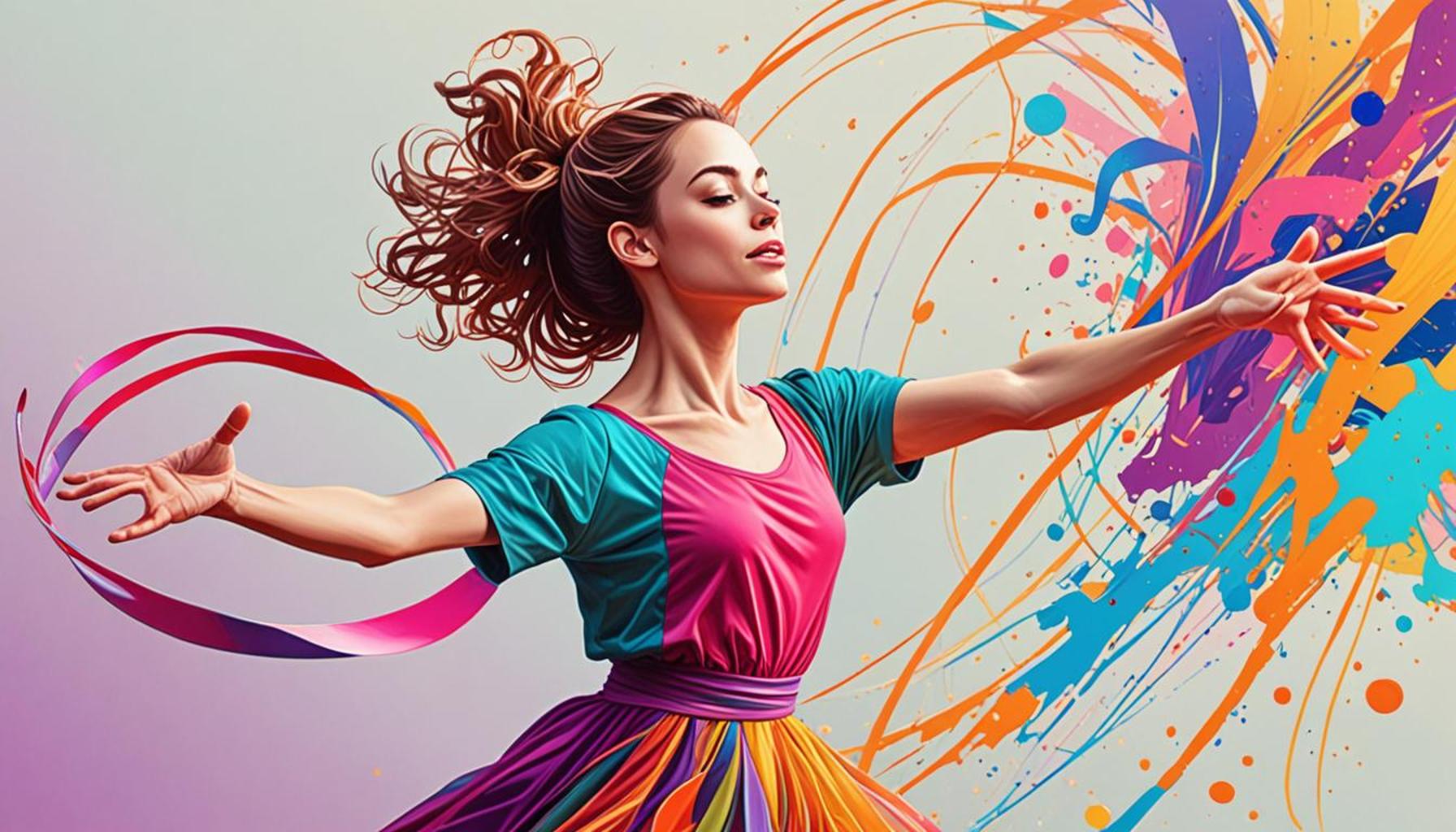
In our daily lives, communication extends far beyond spoken words. One powerful form of expression that often goes unrecognized is nonverbal communication, and dance exemplifies this beautifully. It serves not only as an art form but also as a medium for conveying emotions, stories, and connections without uttering a single word. The fluid movements of the body, synchronized with music and rhythm, create a dialogue that can be felt just as deeply, if not more, than verbal interactions. Through the lens of dance, one can witness a vivid embodiment of feelings, cultural traditions, and personal narratives, all unfolding silently yet eloquently.
The fusion of dance and nonverbal communication can be observed in various scenarios, such as:
- Social Dance: In settings like ballrooms or parties, body movements express attraction and intimacy. Consider styles like salsa or tango, where every spin and dip conveys passion and desire, transcending the barriers of language. The body’s ability to communicate chemistry between partners reflects an unspoken connection that goes beyond mere words.
- Performance Art: Dance companies often use movement to tell stories, evoking emotions and deepening audience engagement. The interpretation of works by choreographers such as Martha Graham or Alvin Ailey demonstrates how body language translates complex themes like love, struggle, and joy into captivating performances that resonate on an emotional level. Audiences are invited to feel the essence of the story without needing to hear a single line of dialogue.
- Therapeutic Contexts: Dance therapy highlights the healing power of movement to communicate feelings that words may fail to express. In therapeutic environments, individuals utilize dance to release emotions associated with trauma or stress, facilitating healing through creative movement. This form of expression allows for a connection to the self that verbally articulating pain might not achieve.
These examples illustrate how dance serves as a bridge, connecting individuals through unspoken language. The influence of cultural background also shapes interpretations of movement, creating a rich tapestry of interaction that varies from one community to another. For instance, the traditional dances of Native American tribes profoundly reflect the spiritual connection to nature and the community, while modern Hip-Hop dance embodies a raw, urban expression of resilience and identity. Each form of dance carries its unique narrative, influenced by the cultural context from which it arises.
Understanding the Impact
As you delve deeper into this intersection, consider:
- How does your own experience with dance reflect your emotions? From casual moments of groove at a wedding to more structured lessons, each experience is intertwined with your feelings and social interactions.
- What role does nonverbal communication play in your creative hobbies? Whether it’s painting, acting, or playing an instrument, the ways you express your creativity without words can illuminate your personal journey.
- Are there specific styles of dance that resonate uniquely with your feelings? Perhaps ballet’s precision speaks to your desire for control, while freeform dance allows you to express spontaneity and freedom. Think about how these styles reflect your emotional landscape.
Each of these inquiries opens a door to explore the profound ways in which dance and nonverbal cues contribute to our understanding of creativity and personal expression. Engaging with dance not only enhances our appreciation of the art form, but it also fosters deeper connections with others and offers a path to self-discovery.
DISCOVER MORE: Click here to dive deeper
Dance as a Universal Language
At its core, dance embodies a unique form of nonverbal communication that transcends linguistic barriers, allowing individuals to express emotions and connect with others in profound ways. The graceful movements of dance not only articulate feelings but also function as a means to share cultural narratives, personal experiences, and even social commentary. This inherent power of dance is particularly evident when viewed through the lens of creative hobbies, where artistic expression and emotional connection intertwine.
The relationship between dance and nonverbal communication offers insights into the ways we interact with those around us, enhancing our understanding of interpersonal connections. Here are some key elements where this intersection can be profoundly observed:
- Emotional Expression: Dance has an unparalleled ability to convey complex emotions that are sometimes difficult to articulate in words. A dancer’s physical expression can relay feelings of happiness, sadness, anger, or longing, allowing audiences to resonate with the performance on a visceral level. Consider the way contemporary dancers use their body language to portray stories of love or loss, often evoking tears or joy without uttering a single line.
- Cultural Significance: Different styles of dance often carry rich meanings deeply rooted in cultural traditions. For instance, the vibrant movements of African dance celebrate community and heritage, conveying messages of unity and resilience. Conversely, the precise techniques of classical ballet reflect discipline and dedication. Each dance form encapsulates the values of its culture, creating a dialogue between the dancer and the audience steeped in meaning.
- Group Dynamics: In social dance settings, such as swing or line dancing, nonverbal cues play a significant role in group dynamics. Dancers must navigate their surroundings while responding to the movements of their partners and fellow dancers, fostering a sense of community and shared experience. The unspoken rules of these dances help build connections, as individuals engage in a collective rhythm that nurtures bonding through movement.
Exploring the impact of nonverbal communication in dance reveals profound insights into human interaction and the creative process. The subtle nuances of a dancer’s body language can communicate volumes about their thoughts and feelings, inviting audiences to engage with the performance on multiple levels. Furthermore, the connections forged through this artistic medium can transcend personal emotions, entering the realm of societal issues or cultural histories, thereby enriching our worldviews.
As we delve deeper into this exploration, it’s vital to ask ourselves the following questions:
- How do the expressive movements in your own experience with dance connect you to specific emotions or memories? Each instance offers a glimpse into how creativity allows us to reflect on our personal narratives.
- In what ways could understanding the nonverbal communication aspects of dance enhance your own creative pursuits? Consider the importance of body language and presence in other creative hobbies, as they connect the personal to the universal.
By examining these dimensions, we uncover not only the beauty of dance itself but also its potential as a vehicle for greater understanding and empathy within our communities.
The Intersection of Dance and Nonverbal Communication in Creative Hobbies
Exploring the dynamic relationship between dance and nonverbal communication unveils a rich tapestry of expressive potential that transcends spoken language. Dance, as an art form, is inherently rooted in the conveyance of emotions, stories, and cultural narratives through movement, making it a powerful medium for nonverbal communication. Within the realm of creative hobbies, this intersection offers unique opportunities for individuals to explore their identities and connect with others through shared experiences.
When engaging in dance, participants are often encouraged to tap into their subconscious thoughts and feelings, translating them into movement. This process not only serves as a release but also fosters a deeper understanding of oneself and others. For those involved, it may become evident that the ability to convey a message without words can be just as impactful, if not more so, than verbal communication.
For instance, consider dance styles such as contemporary ballet, which often explore themes of emotion and human connection. Dancers can communicate their stories through intricate movements that depict joy, struggle, or love, captivating the audience’s attention. This nonverbal dialogue adds richness to the creative hobby, prompting watchers and participants alike to interpret the emotions conveyed.
Moreover, participating in dance can enhance one’s observational skills. Dancers learn to read body language, facial expressions, and subtle cues from their partners, reinforcing the importance of awareness in nonverbal communication. Such skills are transferable beyond the dance floor, fostering better relationships and deeper connections in everyday life.
| Advantages of Dance | Nonverbal Communication Benefits |
|---|---|
| Increased Self-Expression | Ability to convey thoughts and feelings without words |
| Enhanced Emotional Intelligence | Developing skills to read and respond to nonverbal cues |
Diving into the world of dance not only enriches an individual’s creative hobby but also enhances their ability in nonverbal communication, making it a multifaceted journey worth exploring. Through movement, we find connections that words alone may never fully encapsulate, opening doors to deeper human interactions.
DISCOVER MORE: Click here to learn about the healing power of journaling
The Role of Movement in Creative Expression
Beyond mere emotional expression and cultural significance, dance serves as a foundation for broader creative exploration. When individuals engage in dance, they harness an innate mode of expression that can extend into various other creative hobbies such as visual arts, writing, and even cooking. By incorporating elements of movement into their preferred mediums, creators can tap into a deeper reservoir of inspiration and innovation, ultimately enhancing their artistic endeavors.
Movement as Inspiration: Dancers often describe their process as a physical manifestation of thought. The kinetic energy generated through dance can evoke imagery and ideas that may not arise through verbal contemplation. For example, many choreographers utilize improvisational dance to unlock fresh ideas for visual art. By translating bodily movements into brush strokes or sculptural forms, they encapsulate the essence of dance while creating a new art piece that reflects their experience. This cross-pollination of ideas illustrates how nonverbal communication through dance can invigorate other creative practices.
Embodiment of Ideas: When makers allow their bodies to dictate form, they often discover unexpected dimensions to their work. A writer who practices dance may find that the rhythm and flow of movement inform their prose. The cadence of a dancer’s feet may mirror itself in the structure of their sentences, giving rise to rhythm in literature. Such connections signify the critical role that physicality, derived from dance, plays in shaping narratives and artistic projects across disciplines.
Therapeutic Benefits: Moreover, the intersection of dance and nonverbal communication extends into the realm of mental health and personal well-being. Dance therapy, recognized in the United States for its therapeutic benefits, leverages nonverbal expression to improve emotional regulation, reduce anxiety, and build self-esteem. Participants engage in spontaneous movement to process trauma and communicate feelings that words alone cannot convey. This practice highlights how connecting through dance not only enhances creative hobbies but also fosters individual growth and self-discovery.
- Community Building: Dance classes, workshops, and social dance events provide platforms for peer interaction, emphasizing the significance of community in the creative journey. Through shared experiences in movement, individuals develop friendships and networks based on mutual interests and understanding, transcending verbal communication.
- Multisensory Engagement: The multisensory nature of dance extends into other creative pursuits, offering a holistic experience that enriches personal expression. For instance, many artists incorporate music and soundscapes inspired by their experiences with dance, adding layers to their creative works that resonate on both visual and auditory levels.
This dynamic interplay between dance and other creative hobbies further stresses the notion that nonverbal communication is not limited to dance alone but can be a vital thread connecting various forms of artistic expression. By embracing the rich vocabulary of movement, creatives can discover new ways of conveying their thoughts and emotions, enriching the tapestry of their work.
DIVE DEEPER: Click here to discover the therapeutic benefits of music-making
Conclusion: Uniting Expression Through Movement
The exploration of the intersection of dance and nonverbal communication in creative hobbies reveals a profound interconnectedness that enriches artistic expression. As demonstrated, dance transcends its boundaries as a performance art, serving as a catalyst for inspiration across various creative mediums. The ability of movement to elicit emotions and convey messages without words underscores the pivotal role nonverbal communication plays in the creative process. Whether through the rhythmic flow of prose or the expressive strokes of a brush, the influence of dance shapes the way individuals articulate their innermost thoughts and feelings.
Moreover, the therapeutic benefits of dance highlight its efficacy in fostering mental well-being, enabling individuals to connect with their emotions and communities in ways that spoken language cannot. As they engage in spontaneous movement, dancers and creators alike discover new dimensions of self-expression, encapsulating their experiences in a tapestry woven from shared movement and understanding. This vibrant dance between art forms not only nurtures creativity but also cultivates a sense of belonging among participants.
As we continue to uncover the dynamics of how dance informs creative hobbies, it is essential for artists, writers, and creators to embrace the potential of nonverbal expression. By recognizing movement as a powerful source of inspiration, we can broaden our artistic horizons, leading to innovative practices and profound connections. Ultimately, the synthesis of dance and nonverbal communication offers a unique perspective on creativity—encouraging us to explore, express, and inspire in ways that reverberate well beyond the stage.