The Psychological Benefits of Making Music: A Therapeutic Approach
The Profound Impact of Music on Mental Health
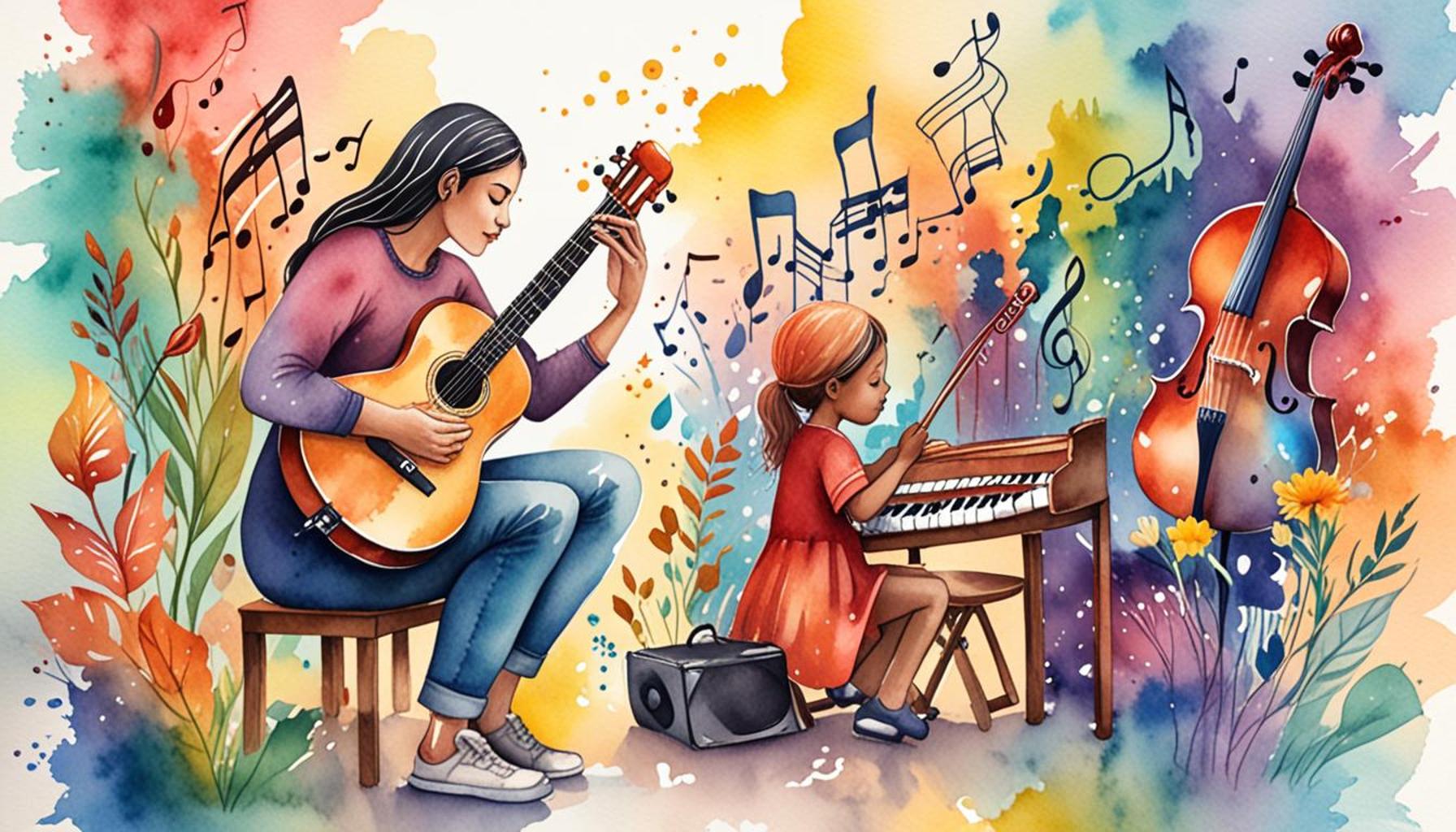
Engaging in music creation—whether through playing an instrument, singing, or composing songs—transcends simple enjoyment; it serves as a vital mechanism for enhancing mental health. A plethora of studies and anecdotal evidence have illuminated the psychological benefits tied to music-making, often categorizing it as a therapeutic practice that promotes emotional well-being.
One of the most compelling aspects of music-making is its ability to provide a robust outlet for expression. For many, crafting melodies offers a unique means to articulate feelings that might be challenging to express verbally. This flow of creativity not only fosters a deeper understanding of oneself but also forges connections with others. Music has a unique capacity to dissolve barriers, uniting people across diverse backgrounds through shared rhythms and harmonies.
Among the key advantages of engaging with music are:
- Stress Reduction: Numerous studies have shown that playing an instrument or singing can effectively lower cortisol levels, which are directly linked to stress. For instance, a 2013 study published in the journal *Psychology of Music* found that participants who engaged in musical activities reported significantly lower anxiety levels than those who did not.
- Improved Mood: Music has been demonstrated to stimulate the release of dopamine, a neurotransmitter associated with feelings of pleasure and reward. Listening to, or particularly creating music, can provide an emotional lift, often improving overall mood and emotional resilience.
- Heightened Creativity: Composing music is not solely a technical endeavor; it invites individuals to venture into innovative thinking. This often results in enhanced problem-solving skills, as the artistic process encourages out-of-the-box thinking.
In recent years, the field of music therapy has gained substantial recognition, establishing itself as a legitimate therapeutic intervention. This method harnesses the inherent power of music to contribute positively to mental health, reaching diverse populations in various ways:
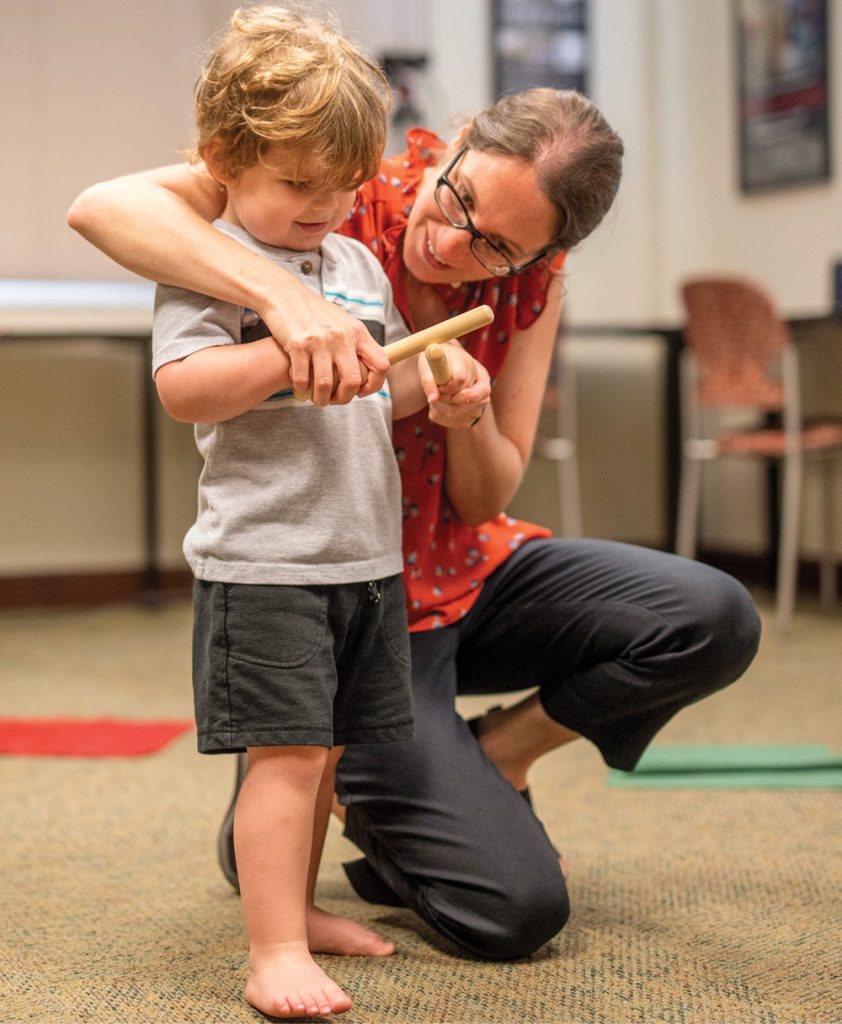
- Children with developmental disorders often find a voice and gain confidence through music, facilitating better social interaction.
- Adults coping with depression utilize music to navigate their emotions, often finding catharsis in the rhythms and lyrics that resonate with their experiences.
- Individuals with PTSD frequently utilize music to access and process deep-seated memories and feelings, paving the way to healing and recovery.
As one delves deeper into the intricate relationship between music and psychology, it becomes increasingly evident that the act of creating melodies transcends being a mere hobby; it can serve as a powerful gateway to cultivating a healthier and more fulfilling life. Furthermore, communities across the United States are realizing the therapeutic benefits of music, with many seeking out local music therapy programs that cater to their specific needs. From community centers to therapy practices, the movement to integrate music into holistic health approaches continues to grow, promising profound benefits for both individuals and society at large.
DIVE DEEPER: Click here to learn more
Unlocking Emotional Depth Through Music Creation
The act of making music serves as a profound journey into emotional exploration. For many, the process becomes a vital means of self-discovery and emotional release. Engaging with music allows individuals to tap into their inner thoughts and feelings, providing a transformative experience that transcends traditional forms of communication. This emotional depth can be particularly revealing for those grappling with challenges such as anxiety, depression, or trauma.
Creating music invites individuals to articulate their complex emotions through melodies and rhythms, often allowing for an expression that words alone cannot capture. As participants immerse themselves in the creative process, they frequently encounter cathartic moments that facilitate healing. For instance, a study conducted by the University of Sheffield found that participants engaging in songwriting felt a significant decrease in negative emotions and an increased sense of self-efficacy. The transformative power of music thus emerges as a therapeutic approach, promoting mental health and well-being.
Moreover, music-making fosters a sense of community among individuals seeking emotional support. Collaborative efforts, such as group jam sessions or choir practices, encourage social connection and can lead to strengthened relationships among participants. This sense of community is particularly beneficial for individuals experiencing feelings of isolation or loneliness. A 2020 survey by the American Music Therapy Association revealed that participants in music therapy reported enhanced feelings of belonging, contributing positively to their mental health.
Further extending this idea, the therapeutic benefits of music-making can be broken down into several key components:
- Emotional Regulation: Engaging in musical activities helps individuals understand and regulate their emotions. This process not only fosters emotional intelligence but also empowers individuals to address feelings that may seem overwhelming.
- Enhanced Cognitive Function: Research indicates that music-making stimulates various brain regions responsible for memory, attention, and executive function. This cognitive workout can improve overall mental acuity, making it easier to manage daily challenges.
- Mindfulness and Presence: Creating music inherently requires focused attention, pulling individuals into the moment. This presence can serve as a powerful tool for mindfulness, helping to alleviate symptoms of anxiety by grounding individuals in the here and now.
Despite the barriers many might face in music-making, such as fear of judgment or lack of skill, the journey into creativity can still yield significant psychological benefits. By embracing the process rather than focusing solely on the outcome, individuals can break free from self-imposed limitations and delve into the therapeutic potential of their musical expression. As this understanding of music’s role in mental health continues to evolve, communities across the United States are increasingly prioritizing music as an integral component of holistic wellness initiatives.
| Psychological Benefits | Therapeutic Aspects |
|---|---|
| Stress Reduction | Music therapy sessions often involve creating and listening to music, which can significantly lower levels of the stress hormone cortisol. |
| Improved Mood | Engagement in musical activities has been shown to increase serotonin and dopamine levels, contributing to a more positive emotional state. |
| Enhanced Cognitive Function | Learning an instrument or participating in group music-making exercises can boost brain function, leading to improved memory and learning capabilities. |
| Increased Social Interaction | Collaborative music-making fosters a sense of community, which can help alleviate feelings of loneliness and isolation frequently reported in mental health struggles. |
Exploring the psychological benefits of making music reveals a myriad of therapeutic advantages. For instance, engaging in music can significantly reduce stress, improve overall mood, and even enhance cognitive functioning. This section covers how participating in music-related activities, whether creating, performing, or listening, can lead not only to personal enjoyment but also to substantial therapeutic effects that can aid in mental health treatment. Social aspects of music-making also play a critical role, showcasing the importance of connection, community, and support in the healing process. Through a deeper understanding of these elements, one can appreciate the transformative power of music in providing essential psychological benefits.
DIVE DEEPER: Click here to discover the transformative power of music
Music as a Channel for Healing and Resilience
The profound psychological benefits of making music extend beyond mere emotional expression; they offer tangible pathways toward healing and resilience. One such pathway is through the concept of self-efficacy, which refers to an individual’s belief in their ability to succeed in specific situations. Participating in music-making can significantly enhance self-efficacy, particularly for individuals who may feel overwhelmed by life’s challenges. For example, a community music program in New York City has demonstrated that participants exhibit greater confidence when navigating daily tasks after engaging in collaborative musical activities. This newfound confidence can empower individuals to tackle various challenges that arise in life.
Another critical element of music creation lies in its capacity for stress relief. The rhythmic patterns and melodies can facilitate a mental escape, allowing individuals to temporarily detach from stressors. A study published in the journal *Psychology of Music* found that individuals who participated in group drumming exercises reported a marked reduction in stress levels immediately after the session. The active participation in music-making helps to release pent-up stress and tension, offering a natural and effective coping mechanism.
Music therapy, a professional practice that integrates music-making as a therapeutic tool, is gaining traction across the United States. Certified music therapists are finding innovative ways to address specific psychological and emotional needs of clients. For instance, veterans dealing with post-traumatic stress disorder (PTSD) have benefitted immensely from songwriting circles. Here, veterans articulate their experiences in a supportive environment, which fosters connection and understanding. Research published by the American Journal of Music Therapy highlights that such initiatives can lead to significant reductions in PTSD symptoms, asserting music’s unique ability to aid therapy.
Furthermore, music creation is linked to the release of neurochemicals such as dopamine and oxytocin, which play key roles in the body’s reward and bonding systems, respectively. Dopamine, often called the “feel-good” neurotransmitter, surges during pleasurable activities such as engaging with music. This biochemical response translates to feelings of happiness and motivation, significantly boosting overall mental health. A fascinating finding from musicologists at Stanford University suggests that listening to and creating music activate brain regions associated with rewards more than traditional leisure activities. This reinforces the idea that music-making offers profound psychological gratification, extending well beyond mere enjoyment.
Importantly, the adaptability of music-making means that it can be tailored to diverse individuals, regardless of age or background. Programs designed for seniors, for example, have shown that engaging with music can reduce feelings of cognitive decline and loneliness often associated with aging. Music has been used in senior centers across the country to improve mood, cognitive function, and social interaction. Through composing, performing, or simply engaging with music, seniors find joy and connection, leading to enhanced mental and emotional health.
As research continues to uncover the depth of music’s therapeutic potential, communities nationwide are embracing music-making as a means to promote holistic health. Initiatives focusing on inclusive community music projects serve as vivid reminders of music’s ability not only to enrich individual lives but to foster connection and healing within broader social contexts. With such growing evidence, music is increasingly poised to play an essential role in mental health treatment and overall well-being.
DISCOVER MORE: Click here to learn how music impacts relationships
Embracing the Healing Power of Music
In conclusion, the exploration of the psychological benefits of making music reveals its profound impact on emotional well-being and mental health. Music creation emerges not only as a powerful outlet for emotional expression but also as a transformative catalyst for healing and resilience. Participating in music-making fosters self-efficacy, allowing individuals to navigate life’s challenges with renewed confidence. Furthermore, its ability to serve as a tool for stress relief highlights music’s unique capacity to act as a mental respite from anxiety and tension.
The increasing recognition of music therapy as a legitimate therapeutic approach exemplifies how music can be tailored to meet specific emotional needs, from veterans coping with PTSD to seniors seeking connection and cognitive stimulation. Engaging with music activates vital neurochemicals in the brain, promoting feelings of happiness and enhancing motivation, demonstrating that the act of making music is both a joyous pastime and a valuable psychological support mechanism.
As communities across the United States continue to embrace music-centered programs, the implications for enhancing collective mental health are significant. With ongoing research illuminating music’s therapeutic potential, it is clear that making music is not just an artistic endeavor but a vital component of holistic health. Whether through group performances, songwriting, or improvisation, the healing power of music offers an invaluable resource for individuals seeking emotional enrichment and psychological stability. By championing and participating in these initiatives, society can create a rhythm of resilience and connection that resonates well beyond the notes themselves.