The Relationship between Urban Art and Community Culture in Creative Projects
The Significance of Urban Art in Community Identity
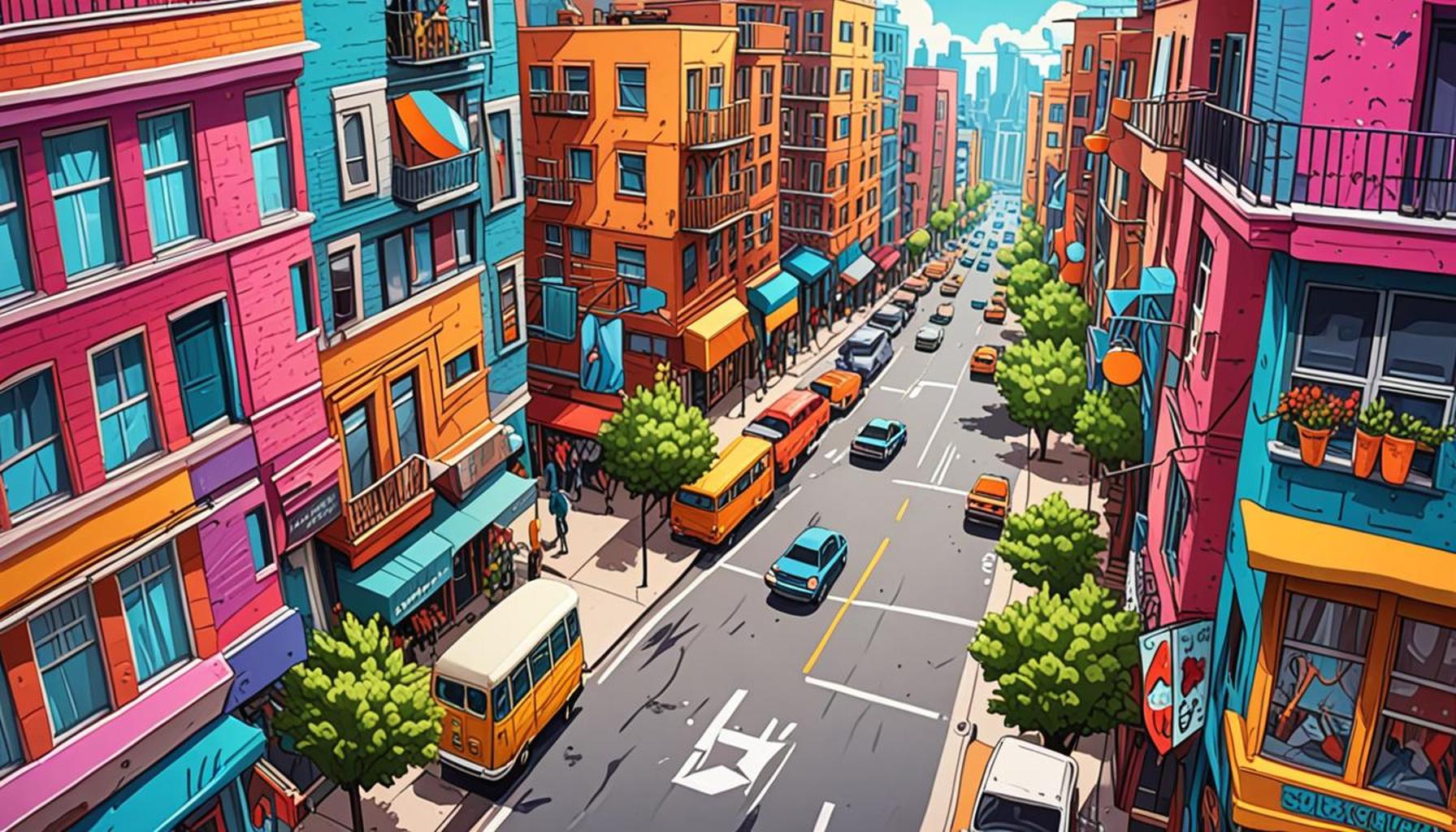
Urban art has emerged as a significant cultural phenomenon, serving not only as a visual enhancement of cityscapes but also as a profound means of articulating the unique identities of various communities across the United States. From the bustling streets of New York City to the sun-soaked avenues of Los Angeles, urban art—manifested through vibrant murals, expressive graffiti, and thought-provoking installations—fosters connections among residents and artists alike. This interaction ignites vital conversations surrounding themes of culture, identity, and pressing social issues, illuminating the nuanced narratives that exist within each locale.
Within this rich tapestry of urban creativity, three key examples stand out:
- Public Murals: These large-scale artworks do more than decorate walls; they encapsulate local history, celebrate cultural milestones, and reflect the values of the community. For instance, the famed murals of Philadelphia not only showcase artistic skill but also celebrate the city’s heritage and pivotal events in American history, making them a focal point for both residents and tourists.
- Street Art: Frequently tackling urgent political themes, street art acts as a unifying force in communities. Consider the work of artists like Shepard Fairey, whose iconic “Hope” poster became a symbol of political activism during Barack Obama’s 2008 campaign. Street artists engage audiences in dialogues about injustice, equality, and societal change, motivating civic participation and activism.
- Community Workshops: Collaborative art projects serve as an engaging platform where local residents can contribute creatively while fostering a deeper connection to their neighborhoods. Programs like “Paint the Town” in various cities encourage participation in mural creation, allowing locals to take ownership of their environment and express shared sentiments.
As urban art continues to evolve, it plays a crucial role in shaping the identity of neighborhoods. The transformation of drab walls into canvases brimming with color not only beautifies environments but also cultivates a sense of belonging and pride among residents. Exploring the synergies between urban art and community culture unveils how creative projects can enhance social cohesion and serve as a vehicle for cultural expression.
The relationship between urban art and community culture, however, is not without its challenges and opportunities. Issues such as funding, the gentrification of artistic spaces, and debates over public versus private ownership present hurdles that communities must navigate. Yet, these challenges also provide opportunities for dialogue and collaboration, making the discourse surrounding urban art a dynamic field worthy of deeper exploration.
Ultimately, urban art transcends mere aesthetics; it is a profound movement that encapsulates the complexities of modern urban life, reflecting the diverse voices and experiences that define communities across America. By engaging with this eclectic art form, individuals and communities alike can gain richer insights into the tapestry of American culture.
DIVE DEEPER: Click here to discover your poetic voice
Urban Art as a Catalyst for Community Engagement
The relationship between urban art and community culture is multifaceted, often functioning as a catalyst for engagement among residents. Urban art projects can breathe life into previously overlooked spaces, creating a sense of ownership and pride within neighborhoods. By transforming dull environments into vibrant showcases of creativity, urban art has the power to attract visitors and stimulate local economies, while simultaneously fostering a deeper understanding and appreciation of community heritage.
One of the foundational aspects of urban art is its ability to spark community discourse. Creative projects often emerge from the collaboration of artists, local groups, and residents, enabling diverse voices to be included in the narrative of a neighborhood. For example, the rise of community-led art initiatives in cities like Austin, Texas, exemplifies how urban art can serve as a platform for expressing collective sentiments. Initiatives like “Art in Public Places” encourage local artists to produce civic-minded works that resonate with community values. This interactive approach ensures that art reflects the local culture and addresses relevant social themes.
Moreover, urban art can serve key functions within a community context:
- Promoting Social Cohesion: Engaging in community art projects fosters relationships among residents, bridging divides across demographics. These collaborative efforts encourage a sense of belonging, which is particularly vital in urban settings where anonymity can prevail.
- Empowering Local Artists: By providing a platform for emerging artists, urban art projects allow local talent to gain recognition and contribute to the cultural fabric of their neighborhoods. This empowerment can lead to a more vibrant and dynamic arts scene.
- Creating a Sense of Place: Urban art provides a unique character to specific locations, promoting tourism and increasing community pride. This sense of place is essential for fostering local identities, as seen in cities like San Francisco, where the murals in the Mission District define both its cultural and historical essence.
However, as urban art rises to prominence, it also faces challenges that impact community culture. Issues such as gentrification and the commercialization of art can threaten the authenticity of community expressions. As neighborhoods undergo rapid change, the original voices and narratives that urban art represents may be diluted or overshadowed by new developments. This tension raises questions about authenticity versus commercialization, prompting communities to actively define what their artistic expressions should look like.
The tension surrounding urban art warns that it cannot simply be viewed through a lens of aesthetic value; it is deeply intertwined with social dynamics and cultural identity. As stakeholders navigate their roles in urban art projects, artists and community members alike must engage in continuous dialogue to ensure that the cultural expression remains relevant and representative of the community’s evolving identity. In understanding the intricate relationship between urban art and community culture, we can begin to appreciate the power of creative initiatives as tools for social change. By exploring this relationship further, we can uncover how urban art stands as a testament to the richness and complexity of community life in the United States.
The Relationship between Urban Art and Community Culture in Creative Projects
Urban art serves as a profound reflection of community identity and cultural expression, weaving together the narratives of the spaces we inhabit. As communities become increasingly diverse, the role of urban art in expressing local narratives becomes even more pivotal. In creative projects, urban art often embodies the collective voice of residents, making it a powerful tool for social cohesion and engagement.One fascinating aspect of the relationship between urban art and community culture is its ability to act as a catalyst for change. By transforming overlooked spaces into vibrant artistic hubs, projects inspire a sense of pride and ownership among residents. For example, murals depicting local histories or significant figures can evoke fond memories and foster connections among diverse groups, making urban art a unifying force.Moreover, urban art can challenge the status quo by provoking critical conversations about social issues, identity, and belonging. Street artists often use their medium to address themes such as inequality, mental health, and environmental sustainability. These dialogues foster a deeper understanding of community dynamics and encourage participation in local governance and cultural initiatives. As such, urban art not only beautifies the urban landscape but also enriches the community fabric by inviting inhabitants to engage actively in their surroundings.In creative projects, collaboration between artists, community members, and local organizations is essential. This collaboration nurtures ownership and ensures that the produced art genuinely represents the community’s desires and aspirations. By prioritizing the voices of local residents, urban art becomes more than mere decoration; it evolves into a vehicle for social expression, empowerment, and heritage preservation.As we delve deeper into the benefits and implications of urban art in community projects, one can explore how these artistic endeavors impact economic development, non-profit initiatives, and tourism. This multi-faceted relationship encourages communities to cultivate their unique identities while simultaneously addressing broader societal concerns, paving the way for future innovative collaborations.
| Advantages | Description |
|---|---|
| Cultural Representation | Urban art encapsulates local narratives, ensuring diverse voices are heard and showcased. |
| Social Cohesion | Fosters a sense of belonging and unity among community members, bridging gaps between different cultural groups. |
In pursuing creative projects that harness the power of urban art, communities can enhance their cultural richness while addressing contemporary challenges effectively.
DIVE DEEPER: Click here to discover how to create your own custom cushions!
The Transformative Power of Urban Art in Community Identity
Urban art plays a pivotal role in shaping and transforming community identity. It speaks not just to the aesthetics of a neighborhood but also to the historical and social narratives that define it. Murals, sculptures, and street installations often reflect the lived experiences of residents, encapsulating local struggles, triumphs, and aspirations. For instance, the vibrant street art scene in Philadelphia, epitomized by the renowned Mural Arts Philadelphia program, has become a beacon for storytelling through art. This initiative not only beautifies urban spaces but also serves as a medium for addressing critical social issues such as racial justice and public health.
Additionally, urban art acquires its potency through public participation, which facilitates a collective ownership of creative expressions. Projects that actively involve community members in the creation process allow residents to craft their narratives, encouraging a sense of belonging and engagement. For example, the “Chicago Mural Initiative” focuses on engaging local youth in the design and execution of murals that celebrate their heritage while also addressing contemporary themes of empowerment and inclusivity. Such initiatives highlight the significance of inclusive practices in artistic projects, ensuring the art reflects a broad spectrum of community voices.
Urban art can also act as a powerful tool for education. Many public art installations incorporate educational elements that enhance awareness about historical events or cultural milestones. The “Living Cultural History” murals in New Orleans, for example, not only provide visual stimulation but also impart knowledge about the city’s rich legacy of music, cuisine, and resilience. By intertwining education with artistry, urban art fosters an environment where community members can engage with their history while feeling connected to its future.
The dynamic interaction between urban art and community culture is also evident in the practice of artivism, where artists leverage their work as a form of activism. This fusion of art and advocacy has gained traction in various urban centers across the United States. In cities like Los Angeles, artivism takes the form of powerful murals addressing issues such as immigration and police violence, resonating deeply on both emotional and political levels. These art pieces not only galvanize public sentiment but also mobilize community action, demonstrating how urban art can propel social movements.
However, the intersection of urban art and community culture is not without tensions. The ongoing struggle against institutional neglect and funding disparities threatens the sustainability of transformative art projects. Communities often find themselves needing to advocate for the preservation of their urban art amidst pressures from developers looking to capitalize on trendy art hubs. In cities like Detroit, for instance, while the rise in urban art has drawn tourists and attention, there exists a fine line between revitalization and appropriation. The challenge lies in ensuring that local voices remain at the forefront of artistic expression.
As urban art continues to evolve, it is vital for communities, policymakers, and artists to collaborate to foster an inclusive environment that honors the complex tapestry of local culture. By engaging in intentional dialogue and maintaining a focus on authenticity, stakeholders can harness the full potential of urban art as a powerful vehicle for cultural expression, social change, and community unity.
DISCOVER MORE: Click here to delve into collaborative music projects
Bridging Communities through Urban Art
In conclusion, the intersection of urban art and community culture reveals a fascinating dynamic that transcends mere aesthetics. Urban art acts as a redefining force, embodying the unique stories, struggles, and aspirations of local populations while fostering an inclusive environment where diverse voices can be heard. As demonstrated through successful initiatives like Mural Arts Philadelphia and the Chicago Mural Initiative, these creative projects not only beautify communities but also educate and mobilize residents, addressing vital social issues through powerful visual narratives.
While the potential of urban art is vast, it is crucial to acknowledge and mitigate the challenges posed by funding disparities and pressures from commercial interests. The struggle to maintain authenticity and inclusivity amidst gentrification and appropriation remains pertinent. This delicate balance necessitates ongoing dialogue among stakeholders, including artists, community members, and policymakers, to ensure that urban art continues to reflect the community’s identity genuinely.
Ultimately, as cities evolve and new art forms emerge, urban art must remain a democratic space that champions cultural expression and social change. By prioritizing collaborative approaches and celebrating the rich tapestry of community stories, urban art can serve as a profound catalyst for unity, making our urban landscapes not just places to live, but vibrant canvases of collective identity and hope. Engaging with urban art is not merely an exploration of creativity; it is an invitation to understand and participate in the ongoing narrative of our communities.