The Role of Art in Building Intergenerational Connections through Creative Hobbies
Understanding the Power of Art Across Generations
Art serves as a universal language, transcending age barriers and fostering connections among diverse generations. Through engaging in creative hobbies, individuals can bridge gaps between young and elderly, enriching their experiences and perspectives. The interplay of creativity can lead to meaningful interactions that are enriching for both parties involved.
Shared Activities
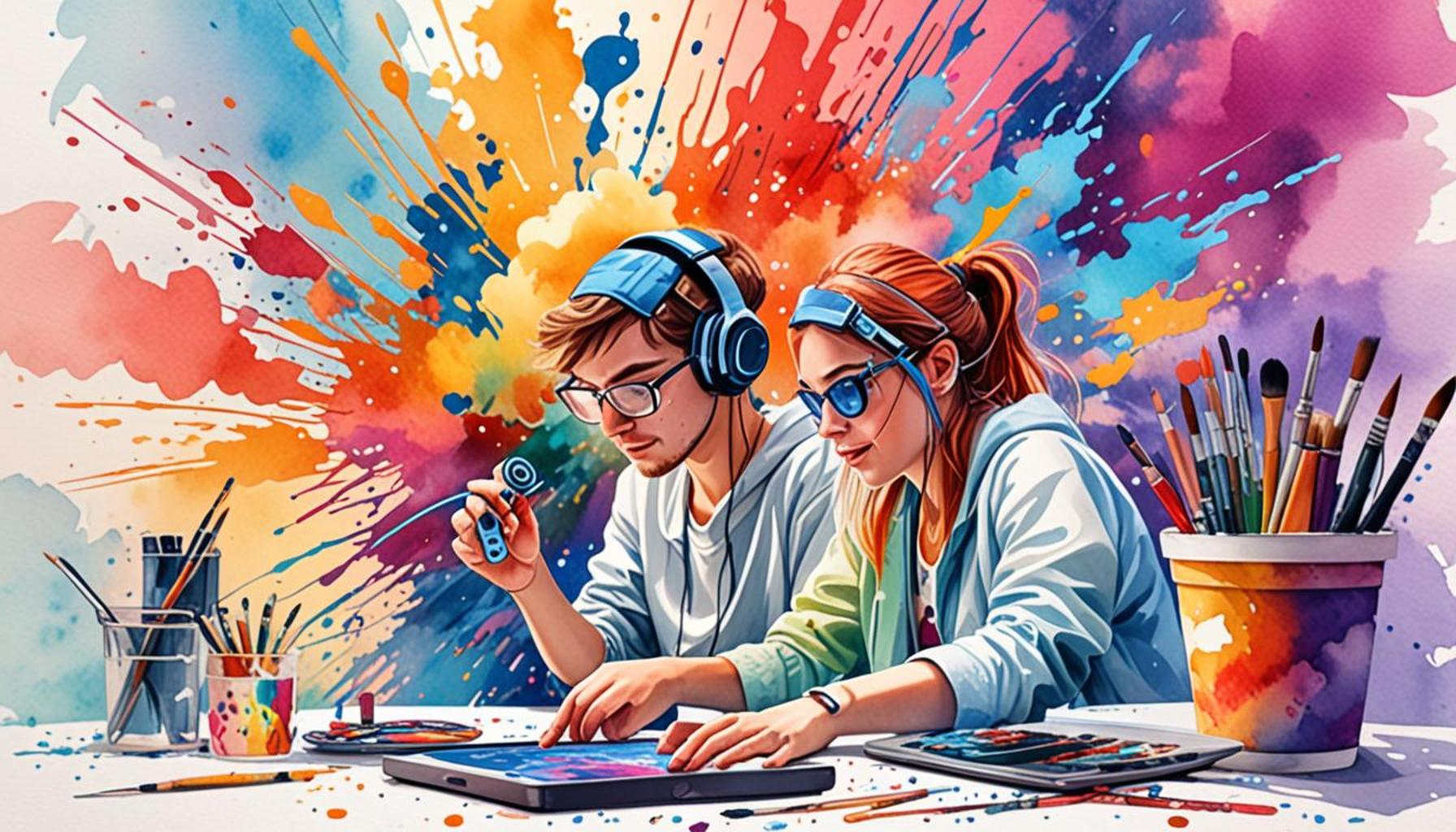
Crafting, painting, and music-making create opportunities for collaboration and shared joy, allowing family members to connect in ways that words sometimes cannot. For instance, a grandchild teaching a grandparent how to use digital art tools not only provides the elder with technical skills but also allows for a dynamic exchange of ideas. Similarly, family painting nights can foster a sense of teamwork and accomplishment, as participants laugh, create, and bond over shared experiences. Research has shown that such interactions can significantly enhance relationships and build trust, making the act of creating art a profound connector.
Storytelling
Art often tells a story, allowing grandparents and grandchildren to exchange personal narratives and history, helping to preserve family legacies. An example could be a collaborative mural where each family member paints a section that represents a cherished family memory. This form of storytelling not only honors the past but also keeps the narrative alive for future generations. Engaging in such projects encourages dialogue, where younger generations gain insight into their family’s history and traditions, fostering a deeper understanding and appreciation.
Skill Development
Learning new skills together can benefit both younger and older participants, fostering mutual respect. Activities such as pottery, woodworking, or digital photography allow different generations to not only teach but also learn from each other. This reciprocal exchange enhances learning and builds a supportive environment. For example, a teenager might bring fresh ideas to a photography project, while a grandparent might share history and storytelling techniques that enrich the overall outcome. This combination creates a powerful dynamic where each participant’s knowledge is valued.
Initiatives and Their Impact
In the United States, initiatives like community art projects, senior art classes, or family pottery workshops bring individuals of all ages together. Such programs are not just about crafting but are valuable platforms for social interaction and emotional support. For instance, organizations often host intergenerational art exhibits where the contributions of both young artists and seasoned creators are showcased. These interactions promote creativity and are vital for strengthening familial and communal ties.
The Broader Benefits
Ultimately, the creative process fosters understanding and empathy, establishing a supportive network that honors traditions while embracing new ideas. Exploring the role of art in these connections can illuminate pathways to bridging generations through shared artistic endeavors. Beyond the canvas, these relationships cultivate a nurturing environment that encourages lifelong learning and appreciation between all age groups, paving the way for a more cohesive society.
DISCOVER MORE: Click here to dive deeper
Fostering Connection Through Creative Expression
Artistic activities serve as a bridge, allowing individuals from different age groups to connect on a deeper level. By indulging in creative hobbies, family members can create shared experiences that transcend their generational differences. This interaction is not only valuable for personal relationships but also vital for cultivating an understanding and appreciation of each other’s perspectives. Engaging in art together can provide a sense of relief and joy, offering a therapeutic outlet that encourages bonding over shared expressions of creativity.
The Therapeutic Value of Creating Together
The act of creating art is often therapeutic, allowing both young and older individuals to express emotions without the constraints of formal communication. When participating in artistic endeavors such as drawing, crafting, or music-making, participants can channel feelings and thoughts, creating a platform where vulnerability is met with empathy. For instance, elderly participants may find solace in expressing their life stories through visual arts, while younger individuals can articulate their challenges and dreams through music or performance. This kind of open expression facilitates not just artistic collaboration but emotional healing, nurturing strong intergenerational relationships.
Activities That Promote Intergenerational Learning
Many creative hobbies are inherently designed to encourage collaboration and learning from one another. Here are several examples of activities that can be particularly effective in building these connections:
- Cooking and Baking: Preparing meals together can spark conversations about cherished family recipes or cultural traditions, enriching the culinary experience and fostering unity.
- Gardening: Working side by side in the garden can transform a simple activity into a valuable opportunity to share knowledge about plants, seasons, and sustainability.
- Scrapbooking: This interactive hobby allows family members to document both past and present relationships, sharing memories while crafting tangible keepsakes.
- Phyical Arts: Activities like dance or theater encourage participants to express themselves physically while also deepening their appreciation for diverse art forms.
Through these engaging activities, family members can cultivate not just artistic skills but also a better understanding of one another’s generational experiences. The exchange of knowledge and techniques nurtures a culture of lifelong learning and respect, integrating the wisdom of older generations with the innovative ideas of the younger.
Community Art Initiatives
Beyond personal relationships, community art initiatives play a significant role in bridging the generational gap. Local art programs and projects tailored for intergenerational participation can act as a catalyst for relationship-building on a larger scale. Many community centers and nonprofit organizations offer programs that bring together ages for collaborative projects such as mural painting or community theater performances. These initiatives not only enhance artistic skills but also promote a sense of community and shared purpose, strengthening the fabric of society through collective creativity.
In summary, the integration of art in intergenerational interactions offers a multitude of benefits, fostering connections that are both significant and lasting. Embracing creative hobbies not only nurtures artistic expression but also forms a vital part of understanding and appreciating the unique contributions that each generation brings to the table.
The Importance of Creative Hobbies in Fostering Relationships
Art serves as a unique bridge across generations, facilitating connections that might otherwise remain unformed. Interactive creative hobbies, such as painting, crafting, and music, can initiate conversations and shared experiences that strengthen ties between the young and the elderly. These activities not only provide an enjoyable experience but also offer a chance for storytelling and knowledge transfer, effectively illuminating the rich histories of both parties involved.For instance, through a common hobby like quilting, grandparents can pass down techniques and stories behind each patch, allowing grandchildren to appreciate their heritage and create something tangible that represents their family’s journey. This collaboration not only creates a sense of belonging but also instills values and traditions in young minds.Moreover, engaging in art-based activities promotes emotional well-being. Studies indicate that creative expression helps reduce stress levels, foster resilience, and improve cognitive functioning across various age groups. By participating in these hobbies together, both younger and older generations can experience the therapeutic effects of creativity, thereby enhancing their emotional bonds.
Encouraging Participation Through Community Programs
To maximize the benefits of art in intergenerational settings, community programs play a crucial role. Local art centers, libraries, and community organizations can facilitate workshops that encourage varied age groups to come together and explore their creative abilities. These programs help reinforce a sense of identity, enhance social skills, and improve mental health for participants of all ages.For example, intergenerational art classes where seniors and youths co-create murals or ceramics can significantly foster understanding and respect between generations. Innovative projects like these offer opportunities to leverage the wisdom of the elderly while benefiting from the fresh perspectives of the youth, resulting in a rich exchange of ideas and techniques.Art, as a form of expression, remains a powerful tool for promoting empathy, understanding, and collaborative relationships across generations, ultimately leading to a more harmonious community.
DISCOVER MORE: Click here to learn about the revival of letter writing
Art as a Channel for Communication and Understanding
One of the most profound aspects of engaging in art across generational lines is the ability to communicate and comprehend experiences that words often fail to convey. Artistic expression can facilitate the exchange of sentiments and thoughts between young and older generations, fostering a rich dialogue that stimulates mutual respect and insight. Creative hobbies thus become a powerful tool not only for expression but also for deepening connections that are essential in fostering understanding in families and communities.
Shared Narratives Through Storytelling and Art
Storytelling is a time-honored tradition that can be seamlessly integrated with artistic endeavors. When families engage in story-based art projects, they create a unique blend of visual and narrative expression. For example, participating in a community “story quilt” project can encourage older adults to share personal histories or cultures through their chosen fabric designs, while younger members can contribute colorful interpretations that reflect contemporary themes. This creative collaboration allows each generation to present their unique perspectives, culminating in a mixed tapestry that celebrates both rich histories and modern innovation.
The Role of Technology in Art and Connection
In today’s digital age, technology provides new avenues for intergenerational connectivity through artistic expression. Online platforms and applications for creating art, music, or videos allow people, regardless of age, to collaborate virtually. Families can participate in digital art challenges or interactive music projects that encourage sharing both traditional and modern art forms. These experiences not only increase accessibility to art but also inject excitement and relevance into creative hobbies, bridging the gap between the tech-savvy youth and their more seasoned counterparts who may be less familiar with these tools.
Intergenerational Workshops and Classes
Community centers, libraries, and local institutions often offer workshops that integrate art and creative hobbies specifically designed for different age groups. Programs focusing on painting, pottery, and crafts can draw participants of all ages, creating an environment where collaboration flourishes. Research indicates that such workshops enhance well-being, reduce feelings of isolation, and improve social connections among elders while allowing younger individuals to learn skills and wisdom from those who have experienced vastly different cultural landscapes.
In the United States, many organizations promote intergenerational artistry, acknowledging the value each group brings to the creative landscape. For instance, initiatives like “Arts & Aging” focus on utilizing art as a tool for enhancing the lives of older adults while simultaneously connecting them with youth through collaborative projects in schools and community spaces. These workshops not only emphasize creativity but also cultivate an appreciation for diversity, reinforcing the importance of every participant’s contribution to the growing narrative of the community.
The Influence on Mental Health and Emotional Well-being
Artistic engagement between generations has significant mental health benefits that cannot be overlooked. Engaging in creative hobbies fosters a sense of belonging and purpose, which is beneficial for all ages, especially for older adults who might feel isolated or disconnected. Studies show that this collaborative creative process can combat feelings of loneliness, reduce anxiety, and promote a heightened sense of emotional well-being. For younger individuals, this connection with elders can cultivate empathy and facilitate emotional intelligence, equipping them with life skills that will accompany them throughout their lives.
As families and communities begin to embrace the role of art in cultivating intergenerational connections, it becomes clear that these creative endeavors are more than just hobbies; they are essential pathways to mutual understanding, healing, and holistic development.
DISCOVER MORE: Click here to learn about music’s impact on community resilience
Conclusion
In summary, the role of art in bridging generational divides is profound and multifaceted. Engaging in creative hobbies fosters an environment where communication transcends spoken language, allowing individuals of different ages to share emotions, experiences, and stories. The integration of storytelling with artistic expression not only enriches individual narratives but also weaves a shared tapestry that honors both history and innovation.
The advances in technology have opened up exciting pathways for intergenerational interaction, inviting young and older generations alike to collaborate digitally. This modern approach enhances accessibility and relevance while fostering enthusiasm in creative pursuits. Additionally, community workshops centered on art not only evoke participation from diverse age groups but also contribute to emotional and mental well-being, creating spaces where bonds are forged and wisdom is exchanged.
As we recognize the importance of intergenerational connections through creative expression, it is essential to consider supporting and promoting initiatives that encourage collaborative artistic endeavors. By embracing this artful approach, we affirm the value of each participant’s contributions, paving the way for greater appreciation of diversity and collective narratives. As communities continue to celebrate and enhance these historical and creative connections, the pursuit of art becomes not just a hobby but a critical avenue for understanding, empathy, and holistic development, ultimately enriching the lives of all involved.