Transforming Recyclable Materials into Art: Sustainable DIY Projects
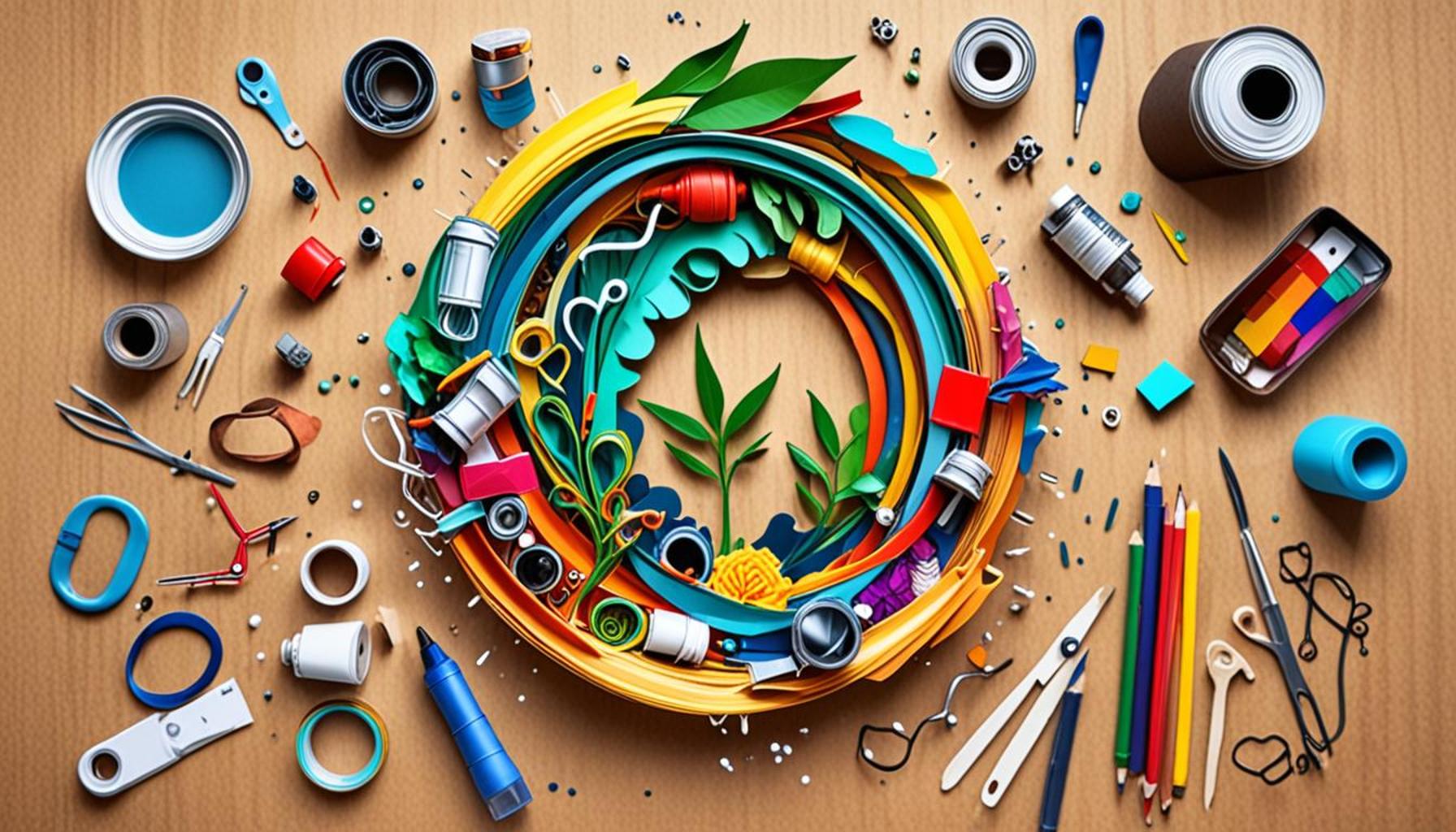
Transformative Power of Recycled Materials
In today’s world, where sustainability is more crucial than ever, many individuals are looking for creative and impactful ways to reduce waste. A particularly engaging avenue is the transformation of recyclable materials into stunning art pieces that not only enhance surroundings but also promote environmental awareness and conservation.
Artists and DIY enthusiasts across the United States are increasingly recognizing the aesthetic potential of materials that might otherwise contribute to landfill overflow. The excitement lies in the process of breathing new life into everyday items. This artistic movement encourages both personal expression and communal engagement, fostering a deeper understanding of sustainability. Let’s delve into some materials that are ideal for this transformative process:
- Plastic bottles: These ubiquitous items can be reshaped into a variety of sculptures or functional planters. Creative individuals have crafted towering garden sculptures or decorative lighting fixtures, turning what might be viewed as trash into captivating and functional works of art.
- Old newspapers: These can serve as a fantastic medium for collage art. Artists often weave together various articles, advertisements, and images to create thought-provoking pieces that comment on social issues or celebrate creativity.
- Cardboard: This readily available material is incredibly versatile. Artists create intricate models, decorative masks, and even furniture from recycled cardboard. Attention-grabbing installations and interior decor are only a few of the possibilities.
- Wine corks: Often discarded after a gathering, wine corks can find new life as unique coasters, wall art, or even as part of larger installations that explore themes of celebration and community.
Engaging in sustainable DIY projects allows individuals to beautify their spaces while contributing to environmental conservation efforts. This process not only helps in reducing waste but also serves as an educational platform for individuals and families. When you create something from waste, you become a promoter of recycling, inspiring others to think differently about discarded materials.
This vibrant community of creators is quickly growing. Social media platforms are filled with inspiring posts showcasing the transformation of everyday items into beautiful artworks, providing a source of motivation for others to join the cause. By embracing this transformative approach, you not only unleash your own creativity but also play a part in a larger narrative of sustainability and environmental stewardship.
The movement exemplifies how art and ecological awareness can intertwine, making it not just an individual endeavor but a collective commitment towards a greener planet. Engage with local workshops or online tutorials to explore this exciting journey of creativity and transformation yourself.
DIVE DEEPER: Click here to discover the impact on local communities
Unleashing Creativity with Everyday Waste
The beauty of transforming recyclable materials into art lies in the creativity that it inspires. This innovative approach invites individuals to look beyond the conventional uses of everyday items, encouraging them to repurpose what they would typically discard. Furthermore, sustainable DIY projects help cultivate a culture of mindfulness towards resource consumption and waste. As artists and hobbyists dive into their craft, they not only create unique pieces but also contribute to a broader conversation about resource management and environmental impact.
One of the most popular trends in this movement is the redesigning of plastic waste. With millions of plastic bottles tossed away every year, the challenge presents an opportunity to change their fate. Artists have revolutionized this material into enchanting sculptures, intricate wall hangings, and even innovative furniture. For example, numerous community art projects involve constructing large-scale installations made entirely from discarded plastic, showcasing their visual appeal while highlighting the critical issue of pollution. Indeed, a single plastic bottle can transform into a vibrant bird feeder or a colorful flower pot, proving that creativity knows no bounds.
Alongside plastic, old textiles offer a wealth of potential. Fabric scraps, worn-out clothes, and bed linens can be crafted into stunning quilts, woven art pieces, or even fashionable handbags. This transformation not only gives each piece a story but also serves to reduce the environmental burden associated with textile waste, a problem that plagues the fashion industry. Notably, by utilizing fabric remnants, artisans breathe new life into otherwise forgotten materials, creating one-of-a-kind fashion statements that reflect sustainability.
- Glass jars: Often overlooked, glass jars can be repurposed into beautiful lanterns, vases, or storage containers. When adorned with paint, twine, or even mosaic designs, these jars become functional art, adding charm and character to any space.
- Metal cans: Empty food and beverage cans can become whimsical planters, birdhouses, or even wind chimes. By cleaning and decorating these cans, artists can help foster an appreciation for metal materials that might otherwise end up in the landfill.
- Magazine clippings: The glossy pages of old magazines hold potential for striking collage art. By layering and juxtaposing diverse images and text, artists can convey complex narratives that encourage dialogue around societal themes and personal experiences.
The exhilarating world of sustainable DIY projects fosters creativity while serving a dual purpose—low waste and artistic expression. Engaging in these projects not only results in stunning works of art but also promotes environmental stewardship and awareness. As more people embrace this transformative journey, they become part of a significant change in perceptions and practices surrounding waste. The integration of art and sustainability inspires individuals to rethink the value of discarded items, leading to further exploration and innovation in the realm of recycled art.
| Advantage | Description |
|---|---|
| Eco-Friendly Art Creation | Using recyclable materials reduces waste and promotes sustainability, allowing artists to create unique pieces while caring for the environment. |
| Enhances Creativity | Transforming everyday objects into art encourages innovative thinking and the ability to see potential in items that would otherwise be discarded. |
The convergence of art and sustainability fosters an engaging platform for individuals to express their creativity while addressing pressing environmental concerns. By exploring DIY projects utilizing recyclable materials, artists not only redefine the boundaries of traditional art but also contribute significantly to reducing waste and carbon footprints. For instance, creating sculptures from plastic bottle caps or jewelry from old newspapers not only champions artistic expression but also raises awareness regarding the detoxifying potential of reusing materials.Moreover, sustainable DIY projects appeal to a growing community eager to embrace eco-conscious practices. Participating in workshops or community events centered around transforming recyclables into art invites collaboration and shared experiences among diverse groups. Engaging in such activities ignites discussions about conservation and responsible consumption, crafting a narrative that aligns with sustainable living aspirations. As more artists and hobbyists delve into these transformative projects, they inspire others to consider the impact of their creative choices on the planet, ultimately fostering a culture that values environmental responsibilities alongside artistic innovation.
DIVE DEEPER: Click here to discover creative DIY projects
From Trash to Treasure: Inspiring Upcycling Ideas
The concept of upcycling plays a crucial role in the transformation of recyclable materials into captivating art. Upcycling goes beyond traditional recycling; it involves creatively reimagining discarded items into beautiful and functional pieces, ultimately elevating their value. Artists and DIY enthusiasts are harnessing this philosophy, proving that innovation can stem from the most unexpected places.
One compelling example of upcycling is the reuse of wood pallets. These often-overlooked shipping materials can be transformed into rustic furniture pieces, garden planters, and even decorative wall art. With a little sanding and some creativity, a sturdy pallet can become a coffee table crowned with plants or a wall-mounted shelving unit that adds character to any space. This practice not only diverts waste from landfills but also contributes to the growing trend of farmhouse-style decor that resonates with many homeowners.
Cereal boxes are another candidate for transformation. When creatively cut and reassembled, they can serve as vibrant bases for origami sculptures or inventive packaging for handmade gifts. Artists nationwide have showcased their ability to create stunning home décor items such as wreaths and banners from these everyday essentials. This ingenuity serves as a reminder that art can thrive everywhere, even in what is typically thought of as waste.
- Hangers: Old wire hangers can be bent and twisted into unique sculptures or modern art pieces. With a coat of paint and some decorative flair, they can morph into intriguing wall decorations that spark conversation.
- Record vinyl: Discarded vinyl records offer immense creative potential. Artists often shape these into bowls, wall clocks, or even decorative wall art. The smooth surface of the records lends itself well to painting or embellishing, allowing for a variety of artistic expressions.
- Old electronics: Disconnected and outdated technology can provide a treasure trove of materials for art projects. Circuit boards, keyboards, and old mobile phone parts can be reassembled into modern art sculptures or jewelry, merging technology with creativity.
The accessibility of materials in sustainable DIY projects is one of its greatest appeals. Most households contain various items that can be repurposed without the need for expensive art supplies or tools. This characteristic democratizes art, allowing anyone with a passion for creativity to participate in the transformative journey of crafting something beautiful from discarded materials. Local workshops and community classes are popping up across the United States, creating environments where individuals can learn to upcycle together, fostering collaboration and shared inspiration.
As this movement gains momentum, online platforms such as Pinterest and Instagram amplify the visibility of creative projects that champion sustainability. Enthusiasts share their innovative designs and techniques, ensuring that even a novice DIYer can find inspiration and guidance. This growing community showcases the power of collective imagination in addressing the significant environmental challenges that stem from waste.
In summary, the realm of transforming recyclable materials into art is vibrant and filled with endless possibilities. By embracing the art of upcycling, individuals not only create stunning and unique pieces but also contribute positively to the environment and foster a culture that values reduction, reuse, and regeneration. As the creative tide rises, so does the potential to reshape our perspectives on waste, driving a sustainable future one project at a time.
DIVE DEEPER: Click here to learn more
Conclusion: Art with Purpose
In conclusion, the journey of transforming recyclable materials into art showcases not only individual creativity but also collective responsibility towards sustainability. As artists and DIY enthusiasts embrace the concept of upcycling, they redefine the narrative surrounding waste, illustrating that potential beauty lies in our everyday refuse. The examples of upcycled materials, from wood pallets to old electronics, highlight the endless opportunities for innovation that reside in items we often overlook.
Moreover, sustainable DIY projects inspire a cultural shift towards rethinking consumption and encouraging environmentally conscious practices. The ability to craft functional and aesthetically pleasing items from what was once considered trash grants individuals power to effect change in their communities. Workshops and online communities forge pathways of collaboration, fostering talents and elevating awareness of the importance of reducing landfill contributions.
As you explore this engaging world of art and sustainability, consider the untapped resources in your own home. The act of creating from waste not only brings forth unique artistic expressions but also instills a profound sense of accomplishment and connection to the planet. By participating in this movement, each of us can contribute to a future that prioritizes sustainability, creativity, and the intrinsic beauty of upcycled art. In doing so, we not only shape our surroundings but also inspire others to see the beauty in the unexpected.