Turn Recyclable Materials into Art Sustainable DIY Projects Guide
Engaging in creative hobbies not only fuels the imagination but also promotes sustainable living. One exciting way to blend artistry with environmental responsibility is through transforming recyclable materials into stunning pieces of art. This practice not only reduces waste but also allows individuals to express their creativity and make impactful statements about sustainability.
Consider the following highlights of this eco-friendly movement:
- Environmental Impact: Using recyclable materials helps decrease pollution and conserve natural resources.
- Cost-Effective: DIY projects often require minimal investment, making art accessible to everyone.
- Creative Expression: Upcycling offers endless possibilities, allowing artists to personalize their creations.
In this article, we’ll take you through the Top 5 DIY projects that showcase how to turn everyday trash into treasure. Prepare to be inspired and discover innovative techniques that can enhance your artistic journey while contributing positively to the planet.
Top 5 Transforming Recyclable Materials into Art: Sustainable DIY Projects
As the world moves towards greater environmental awareness, many individuals are exploring creative ways to incorporate sustainability into their lives. One of the most exciting avenues for eco-conscious creativity is transforming recyclable materials into art. This article ranks the top five DIY projects that not only reduce waste but also serve as a passionate expression of creativity. Let’s dive into these innovative projects ranked from fifth to first.
5. Upcycled Wine Bottle Planters
Starting our list at number five are upcycled wine bottle planters. With just a few simple steps, you can turn empty wine bottles into stunning planters that add a touch of elegance to your garden or home. All you need is a bottle, some potting soil, and your favorite plants. This project not only beautifies your space but also makes good use of those bottles that would otherwise contribute to landfills.
Wine bottle planters are an excellent choice for vertical gardening in compact spaces. To create a wine bottle planter, you can safely cut the bottles in half and use either the top or bottom segment to design unique planters.
- Paint and personalize each bottle with vibrant colors to infuse your personal style into your garden.
- By grouping different sizes and colors, you can create a visually appealing display that brightens any corner.
- Consider incorporating herbs and flowers for convenient, aromatic, and visually pleasing additions to your kitchen window or balcony.
Wine bottle planters serve as both a functional gardening tool and a sustainable art project, giving you a creative outlet to express your style while promoting sustainability.
4. Cardboard Furniture
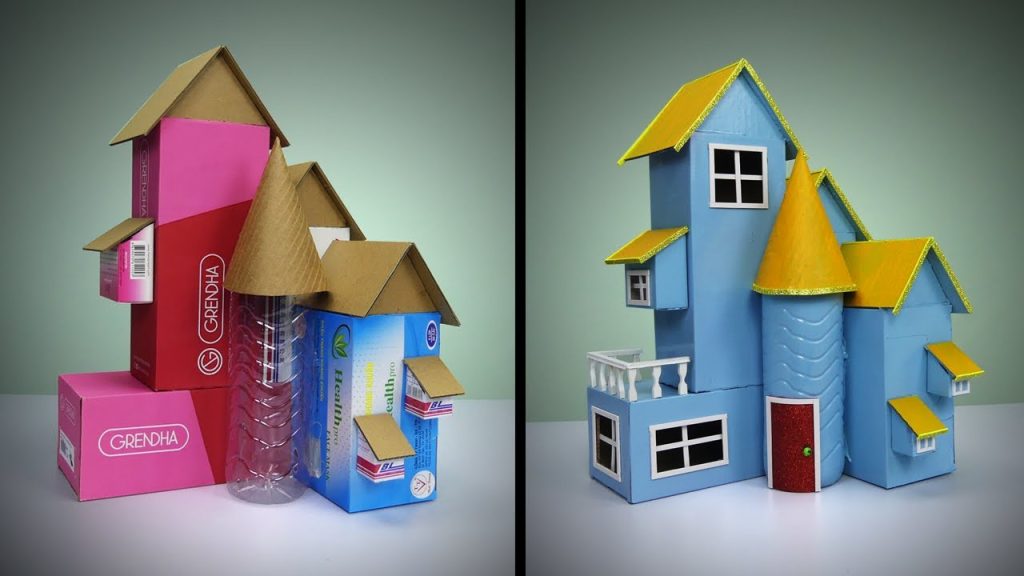
Positioned at number four, cardboard furniture presents a fun and functional twist on DIY sustainability. If you’re looking to furnish a room in an eco-friendly manner, using sturdy cardboard is an ingenious solution. You can construct everything from chairs to tables using just cardboard boxes and a few craft materials.
Carboard furniture comes as a blessing for students or individuals living in temporary housing, offering a cost-effective alternative to traditional furniture. Beyond affordability, it encourages recycling of materials that might otherwise be discarded without a second thought.
- Ensure you gather high-quality, durable cardboard boxes, often available from appliance stores or moving companies.
- Carefully use a crafting knife to cut and shape the pieces, keeping safety and precision in mind.
- Securely glue or tape parts together to form robust furniture structures, and reinforce joins as needed to ensure stability and function.
This engaging project invites innovation, allowing you not only to follow existing designs but also to create furniture tailored specifically to your needs and tastes, all while keeping sustainability in mind.
3. Plastic Bottle Art Sculptures
In the third spot, we have plastic bottle art sculptures. These striking creations elevate ordinary plastic bottles into incredible artworks that challenge our perception of waste. Artists worldwide have embraced this medium as a way to address significant environmental issues while producing something visually stunning.
Creating your own plastic bottle sculpture can be a rewarding experience:
- Begin by collecting a variety of plastic bottles in different shapes and sizes, saving them from the recycling bin.
- Use heat or adhesives to reshape and craft these into your desired forms, enabling you to create anything from abstract designs to lifelike models.
- Paint or embellish them with coloration, sequins, or other materials to enhance their aesthetic appeal.
These projects do more than celebrate artistic creativity; they foster awareness and discussion on recycling and sustainability within communities, potentially leading to greater environmental consciousness and action.
2. Tin Can Lanterns
Taking the second spot are tin can lanterns, which can add a magical touch to any space. This project pairs artistic design with practicality and presents an aesthetic way to introduce ambient lighting into your home or garden. By reusing tin cans, you can create unique lanterns with intricate patterns that delight when lit.
The creation process is straightforward but requires some precision:
- Fill the tin can with water and freeze if overnight. The ice aids in maintaining the can’s shape as you work.
- Once frozen, use a hammer and nail to carefully punch holes into the can to form beautiful designs or patterns.
- Afterward, allow the ice to melt and paint or decorate the can as desired.
Place a candle or an LED light inside, and you’ll illuminate your evenings with enchanting, handmade lanterns that capture the possibilities of recycled materials and transform spaces through sustainable art.
1. Mosaic Art from Recycled Materials
Crowning our list at number one is mosaic art made from recycled materials. This project opens a world of limitless opportunities for artistic expression, allowing individuals to create detailed designs using shards of broken tiles, glass, and various scraps. Mosaic art can turn drab and lifeless areas into vibrant focal points — whether placed along a garden path, adorning a tabletop, or featuring a wall.
The allure of mosaic art lies in its approachability; while some applications might seem elaborate, anyone can create beautiful works with the proper guidance and creativity.
To embark on your mosaic masterpiece:
- Gather pieces of discarded tiles, glass, beads, and other small elements that may otherwise seem useless.
- Design your artwork by arranging pieces on a flat surface to draft where each piece will fit best for your vision.
- Adhere fragments to a base using cement or a similar adhesive, meticulously patching each piece for a seamless aesthetic.
- Once your design is complete, finish with a layer of grout and clean it up for a polished and colorful result.
Mosaic art encourages artists to look beyond the obvious beauty in everyday objects, revitalizing them in amazing ways. Its educational value inspires eco-consciousness alongside artistic development, potentially sparking new ideas for reducing waste through creative endeavors.
| Category | Details |
|---|---|
| Environmental Conservation | Utilizing recyclable materials in art projects significantly reduces waste and contributes to a cleaner environment. Artists can creatively transform what would otherwise be discarded into unique masterpieces. |
| Skill Development | DIY projects foster creativity and enhance practical skills such as carpentry, painting, and designing. Engaging in these activities encourages individuals to think critically and innovate with limited resources. |
| Community Engagement | Collaborating on art projects can strengthen community ties and raise awareness about sustainability. Workshops and group activities can inspire collective action towards environmental responsibility. |
| Cultural Expression | Art created from recyclables reflects personal and cultural histories. Such projects allow artists to convey messages about society and the environment, thereby fostering dialogue and understanding among diverse groups. |
The creative process of transforming recyclable materials into art not only enhances environmental stewardship but also leverages personal and cultural narratives to shape a participatory community dynamic. As these projects gain momentum, individuals are encouraged to explore the vast possibilities inherent in sustainability, leading to a deeper appreciation of both art and nature. Engaging in such DIY endeavors can be both fulfilling and enlightening, revealing the extraordinary potential lying within the ordinary, underscoring the idea that beauty and purpose often emerge from unexpected places.
Frequently Asked Questions: Transforming Recyclable Materials into Art
How do I start creating art using recyclable materials?
Starting to create art from recyclable materials can be both inspiring and overwhelming. Begin by assessing what materials you have readily available—this could include paper, plastic, glass, or metal. Research different art projects that use these materials for different inspiration. Look into community workshops or online tutorials that can offer guidance and techniques to explore various artistic expressions. Remember, creativity is your only limit when transforming these everyday objects into unique art pieces.
What are some popular DIY projects using recyclable materials?
There are numerous DIY projects that utilize recyclable materials in ingenious ways. Popular trends include crafting with bottle caps to create mosaic art, using glass bottles as decorative vases, or transforming old newspapers into stylish paper mache sculptures. Additionally, many artists upcycle textiles to make creative clothing or accessories. Each project not only embraces sustainability but also encourages a personal touch that reflects individual creativity.
Why is it important to incorporate recycling into art projects?
Incorporating recycling into art projects primarily aims at reducing waste and minimizing environmental impact. By giving a second life to materials that might otherwise end up in landfills, these art projects play a crucial role in encouraging a more sustainable lifestyle. Furthermore, they raise awareness about environmental issues and inspire others to think creatively about resources. Art, in this way, becomes not just a means of expression, but a powerful movement towards ecological responsibility.
Can creating art from recyclables serve educational purposes?
Absolutely. Transforming recyclables into art can be a vital educational tool, especially in schools and community programs. It teaches valuable lessons in creativity, innovation, and environmental stewardship. By engaging in these projects, participants learn about the importance of recycling, the lifecycle of materials, and how creative thinking can be applied to solve real-world problems.
Where can I find inspiration for recyclable art projects?
Inspiration for art projects using recyclables can be found widely across various platforms. Explore social media channels, such as Pinterest or Instagram, which house a wealth of creative ideas. Joining online communities focused on sustainable art practices can also provide fresh perspectives and access to collaborative projects. Further, visiting local art galleries or art fairs that highlight sustainable art can be an excellent source of inspiration and creativity.
Conclusion
The journey of transforming recycled materials into art illustrates the harmonious blend of creativity and sustainability. Throughout this exploration, we’ve highlighted five inspiring DIY projects that not only champion environmental consciousness but also unleash artistic potential. Whether turning old newspapers into intricate sculptures or repurposing glass bottles as stunning decorative pieces, these projects encapsulate the essence of sustainable creativity.
A New Perspective on Art
The significance of using recycled materials for art extends beyond personal fulfillment. These creative pursuits provide an opportunity to rethink waste, viewing it as a resource rather than mere refuse. The act of transforming discarded items challenges the traditional perceptions of art and creativity, prompting artists and hobbyists to innovate and experiment. Moreover, these projects can serve as conversation starters, encouraging others to embrace sustainability in their own ways.
The Broader Impact
The relevance of these DIY sustainable projects stretches far beyond personal or aesthetic satisfaction. They contribute to a growing movement that seeks to mitigate environmental impact through creativity. By engaging with these activities, individuals not only refine their artistic skills but also join a community dedicated to making a tangible difference. Inspired by these examples, one could explore recycled art exhibitions, support artists focused on sustainability, or delve into the endless possibilities that recycled materials offer.
Ultimately, the fusion of art and sustainability fosters a new appreciation for both creative expression and environmental responsibility. This approach challenges us to look at everyday objects with fresh eyes and consider how art can play a role in addressing global environmental issues. As we continue to engage with and expand upon these practices, we take meaningful steps toward a more sustainable and inspired future.